championplay05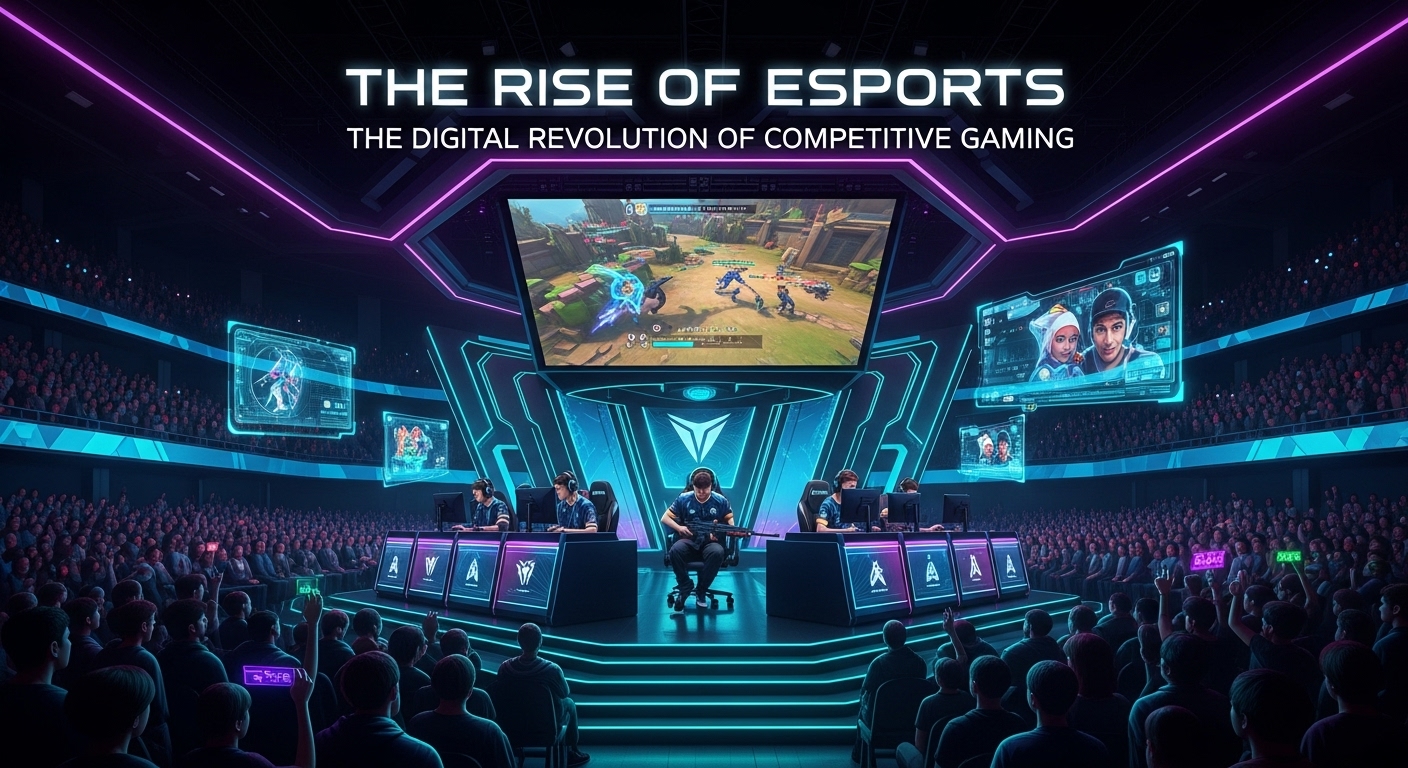
Introduction to Esports
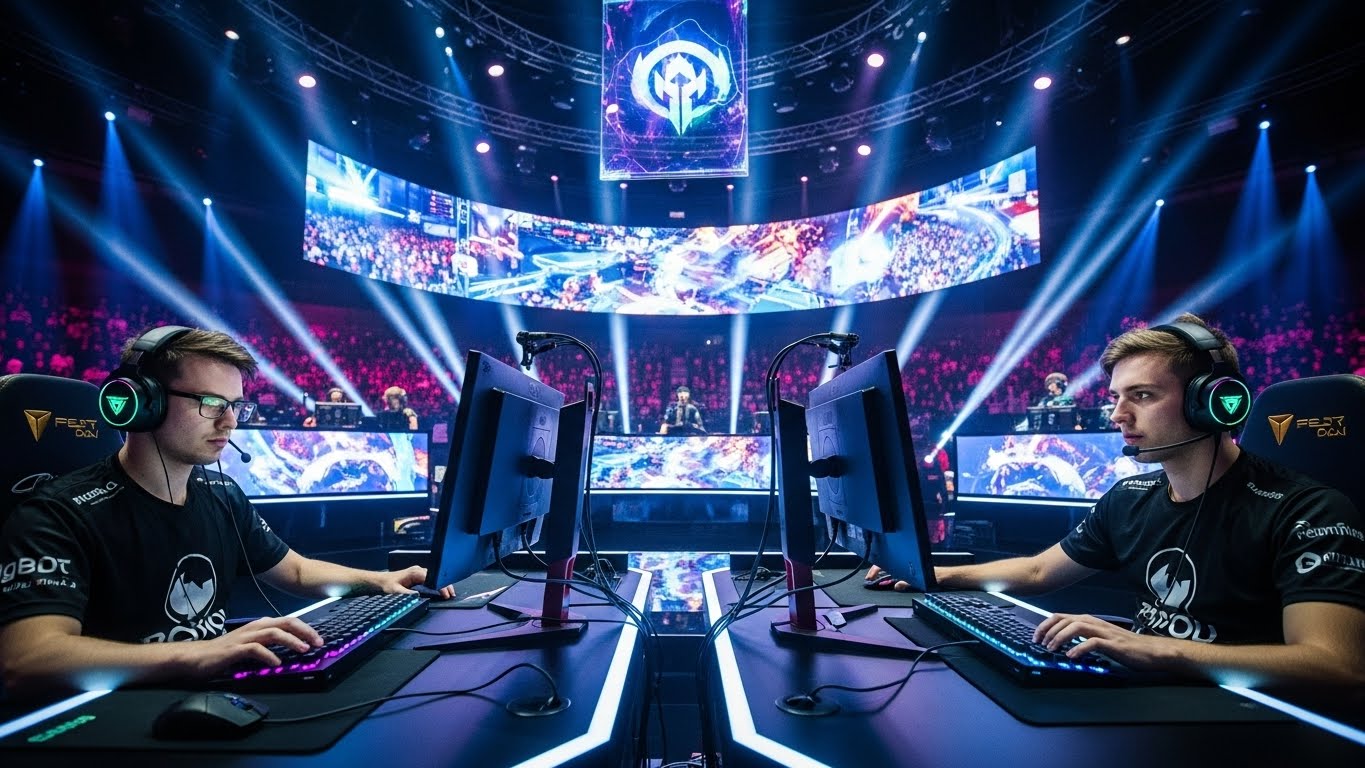
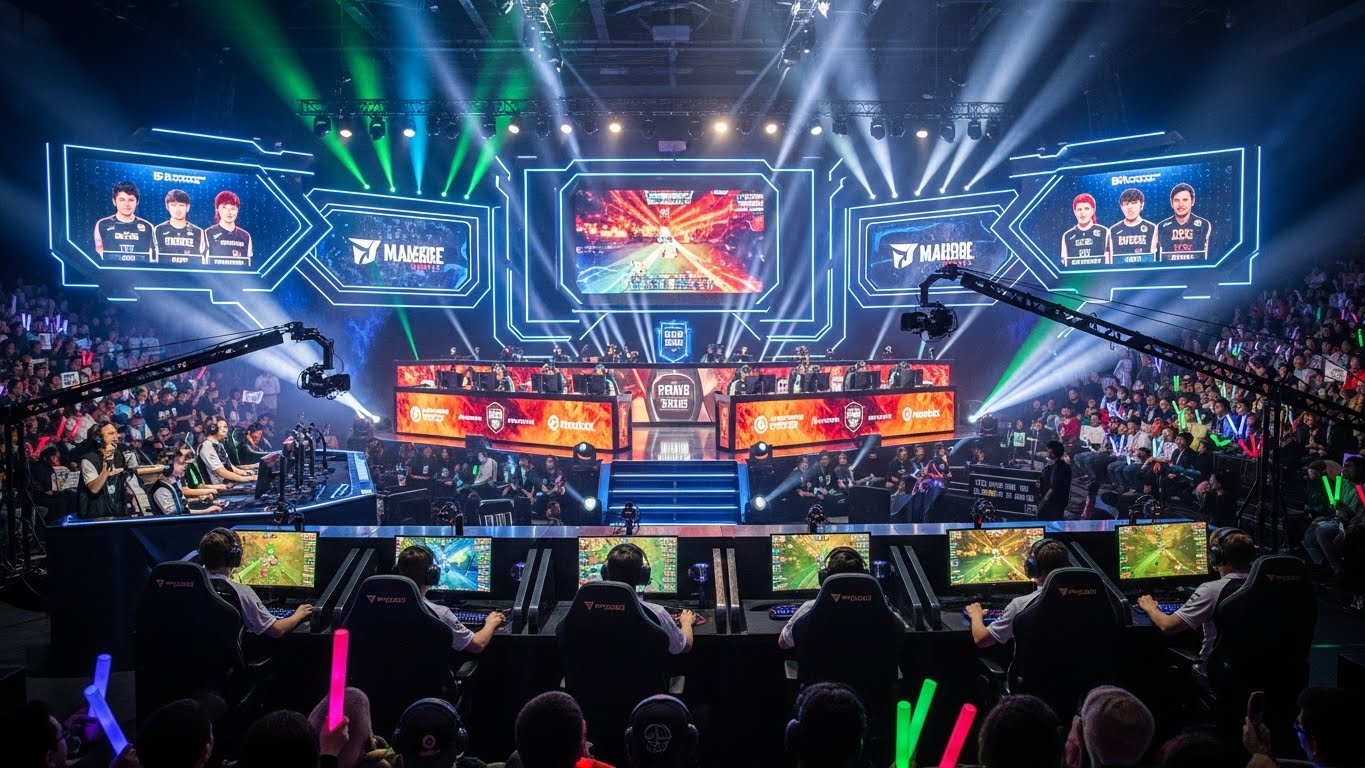
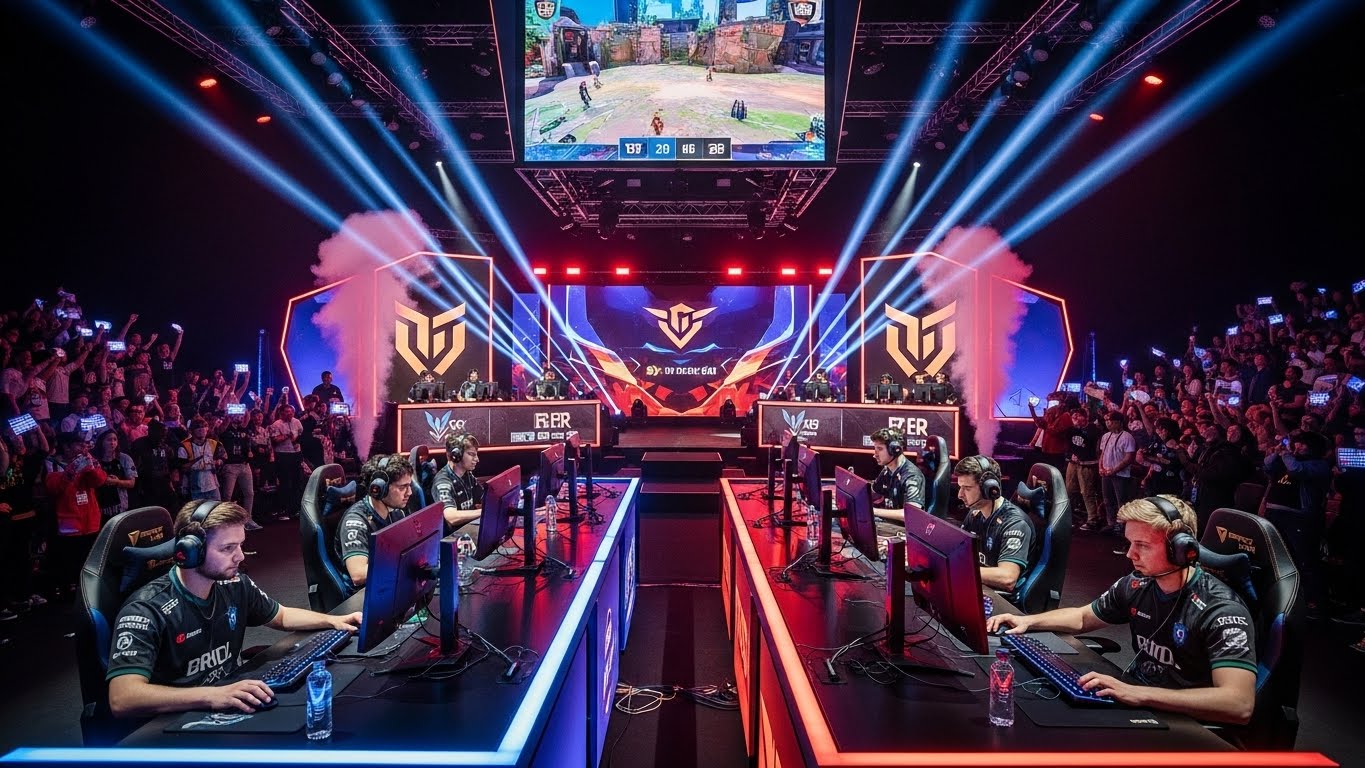
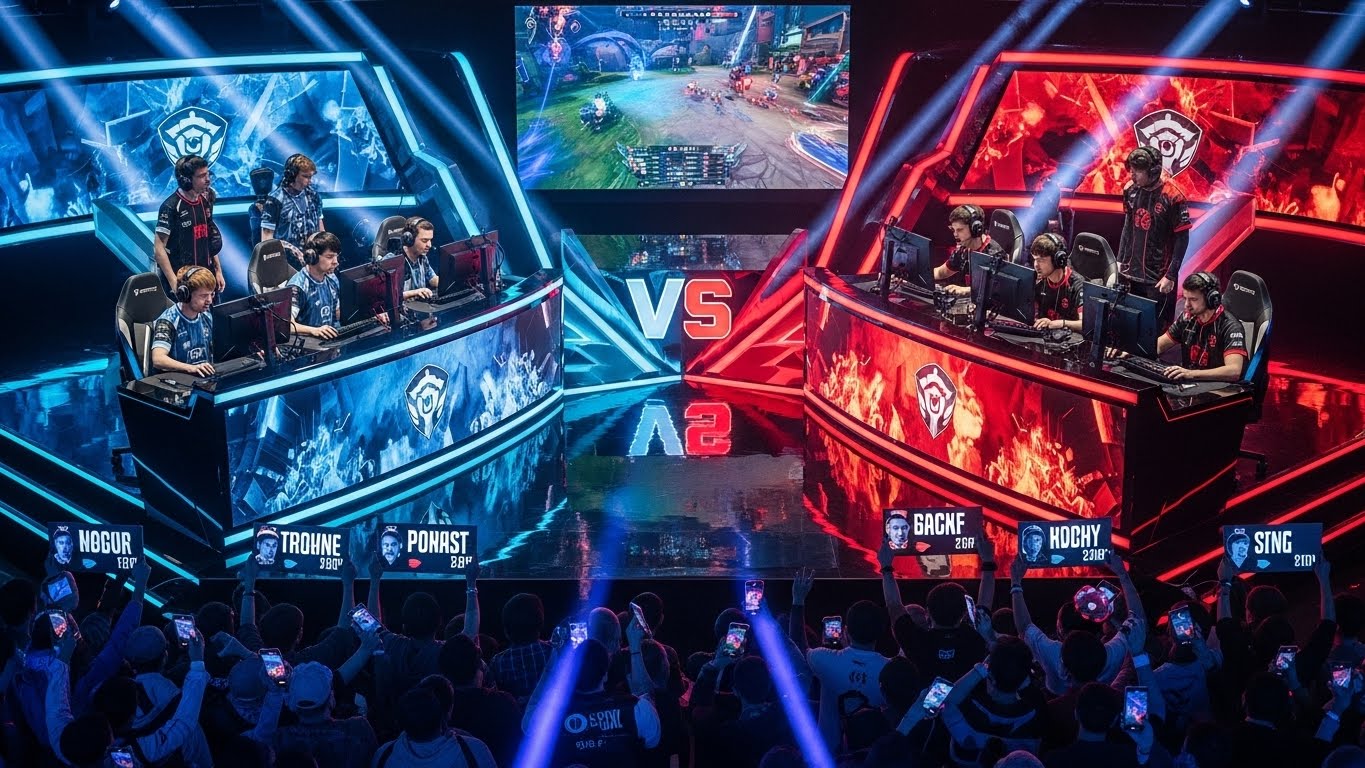
Esports, short for electronic sports, represents the competitive side of video gaming. What once started as a small niche hobby has evolved into one of the fastest-growing industries in the world, captivating millions of fans and players across every continent. From humble beginnings in small gaming cafes to sold-out arenas and massive international tournaments, esports has transformed into a global phenomenon. It combines the thrill of traditional sports with the innovation of digital technology, offering entertainment, careers, and communities that span the globe.
The rise of esports has not only changed how people play games but also how they perceive competition, teamwork, and entertainment. This digital battleground features professional gamers, coaches, analysts, commentators, and production teams all working together to create experiences that rival the grandeur of any major sporting event.
The Evolution of Esports
The origins of esports date back to the 1970s and 1980s, when early arcade and console competitions began to appear. The first recognized video game competition took place in 1972 at Stanford University, where players competed in the game Spacewar!. During the 1980s, arcade titles like Pac-Man and Donkey Kong inspired small tournaments and high-score contests, laying the foundation for future gaming rivalries.
The real transformation began in the late 1990s and early 2000s, as the internet became more accessible. Games like StarCraft, Counter-Strike, and Quake became the core of online competitive gaming. South Korea played a crucial role in shaping modern esports, with the country embracing gaming as a legitimate competitive pursuit. Televised matches, dedicated esports arenas, and professional teams began to emerge, creating a model that other countries would later adopt.
The 2010s marked a turning point. The rise of streaming platforms allowed millions of fans to watch tournaments live from their homes. Major titles such as League of Legends, Dota 2, and Overwatch became household names. The introduction of massive tournaments, such as The International and League of Legends World Championship, brought prize pools worth millions of dollars, pushing esports into the mainstream spotlight.
Major Esports Titles and Genres
The esports industry thrives on a wide range of games across different genres, each offering unique styles of play and competition.
1. Multiplayer Online Battle Arenas (MOBA)
Games like League of Legends and Dota 2 dominate the MOBA genre. These games involve teams of players working together to control characters, destroy enemy structures, and achieve strategic objectives. MOBAs are renowned for their complexity, teamwork, and strategic depth, attracting millions of viewers to major tournaments every year.
2. First-Person Shooters (FPS)
FPS games such as Counter-Strike: Global Offensive, Call of Duty, and Valorant focus on precision, reflexes, and tactical gameplay. Players compete in fast-paced matches that test their aim, strategy, and communication. These games have long been a cornerstone of esports, thanks to their intense action and competitive balance.
3. Battle Royale Games
Titles like Fortnite, PUBG, and Apex Legends introduced a new wave of competitive gaming where players fight to be the last one standing in massive multiplayer environments. Their dynamic gameplay and unpredictable nature have made them incredibly popular among both casual and professional gamers.
4. Fighting Games
The fighting game community has its roots in classic arcade culture. Games like Street Fighter, Tekken, and Super Smash Bros. continue to be major fixtures in esports, known for their technical skill and one-on-one intensity. The competitive fighting scene is known for its passionate players and local tournaments that build strong community bonds.
5. Sports Simulations
Esports also includes digital versions of traditional sports. Games like FIFA, NBA 2K, and Madden NFL bring real-world sports competition into the virtual arena. Professional athletes and gamers alike participate in these events, blurring the line between real and digital athleticism.
The Growth of Esports as an Industry
The business of esports has exploded over the past decade. What began as grassroots tournaments has evolved into a billion-dollar global industry. Sponsorships, advertising, ticket sales, and merchandise contribute significantly to its economic success. Major corporations, from tech giants to beverage brands, now sponsor teams, leagues, and events, recognizing the marketing potential of esports audiences.
Esports organizations operate like traditional sports franchises, with dedicated management teams, player contracts, and brand partnerships. Teams such as Team Liquid, Fnatic, T1, and Cloud9 are internationally recognized brands with large fanbases. The ecosystem also includes tournament organizers, game developers, broadcasters, and streaming platforms, all contributing to the growing infrastructure of professional gaming.
Prize pools have reached astonishing levels. Dota 2’s The International consistently offers tens of millions of dollars in prize money, funded partly by player contributions through in-game purchases. These enormous rewards not only attract elite talent but also validate esports as a viable career path.
The Role of Streaming and Media
One of the most important factors behind esports’ success is the growth of live streaming. Platforms like Twitch, YouTube Gaming, and other streaming services allow fans to watch their favorite players and tournaments from anywhere in the world. Streaming has turned esports into a form of interactive entertainment, where viewers can engage directly with players and communities.
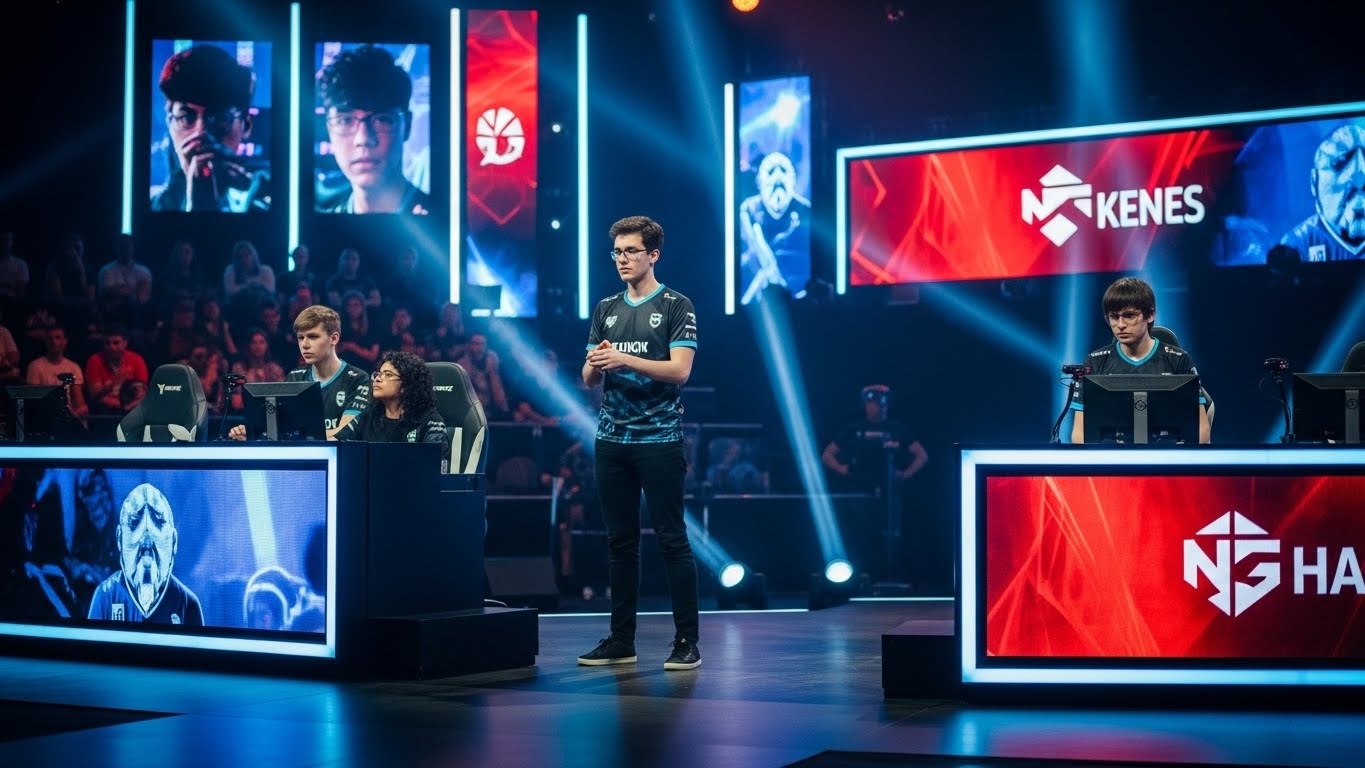
Commentators, known as casters, play a vital role in esports broadcasts, providing play-by-play analysis and excitement similar to sports commentators. Production quality has also improved dramatically, with multi-camera setups, instant replays, and professional commentary making esports broadcasts comparable to traditional sports events.
Content creation has expanded the reach of esports even further. Many professional gamers and streamers build massive audiences by showcasing their skills, personality, and behind-the-scenes moments. This has helped foster a strong connection between players and fans, transforming esports into a cultural phenomenon that extends beyond competitive play.
Esports and Education
As esports continues to grow, educational institutions have begun recognizing its potential. Universities and schools around the world are offering esports scholarships, degrees in game design and management, and opportunities for students to join competitive teams. This formal recognition has given esports an academic foundation, promoting teamwork, strategy, and leadership development.
Students involved in esports programs often gain valuable experience in communication, digital media, and technology management. The inclusion of esports in education reflects how society increasingly views gaming not merely as entertainment but as a legitimate and influential discipline.
The Global Reach of Esports
Esports transcends cultural and geographical boundaries. In Asia, particularly in countries like South Korea, China, and Japan, competitive gaming has long been an established part of youth culture. South Korea’s esports infrastructure, including government support and specialized arenas, has set the standard for professional gaming.
In North America and Europe, esports has gained mainstream acceptance through major tournaments, media coverage, and collaborations with traditional sports organizations. The Middle East, Africa, and Latin America are also emerging as growing markets, with regional tournaments and investment opportunities expanding rapidly.
This global nature of esports has fostered international communities where players and fans connect across borders. It has created new friendships, rivalries, and shared experiences that celebrate digital skill and creativity.
The Professional Life of Esports Players
Becoming a professional esports athlete requires immense dedication and talent. Players often practice for long hours each day, analyzing strategies, perfecting reflexes, and working closely with teammates. The training regimen can be as demanding as that of traditional athletes, involving both mental and physical preparation.
Esports organizations provide players with coaches, analysts, nutritionists, and even psychologists to ensure top performance. Mental stamina and teamwork are as crucial as technical skill. However, the fast-paced nature of the industry means that careers can be short-lived, as new talent continuously emerges.
Despite the challenges, esports professionals enjoy celebrity status, with devoted fanbases, sponsorships, and media appearances. The lifestyle of a successful esports player represents the modern fusion of gaming passion and professional discipline.
Esports and Technology Innovation
Technology plays a central role in esports development. High-performance computers, virtual reality, artificial intelligence, and faster internet speeds have all enhanced competitive gaming experiences. Game developers continuously update and balance their titles to ensure fairness and excitement in competition.
Virtual reality and augmented reality could shape the next era of esports by offering immersive experiences that combine physical movement with digital skill. Cloud gaming and 5G networks are also transforming accessibility, allowing players from remote areas to compete without lag or hardware limitations.
Artificial intelligence tools are being used to analyze gameplay, train players, and predict outcomes. This integration of technology and competition ensures that esports remains at the forefront of digital innovation.
Cultural Impact of Esports
Esports has profoundly influenced modern culture. It has redefined how entertainment is consumed, making interactivity and participation central to the viewing experience. Esports stars are now influencers, shaping trends in fashion, music, and lifestyle. Major music artists, film studios, and brands have collaborated with gaming companies to produce crossover content that appeals to global audiences.
Esports also encourages inclusivity, offering opportunities for players of all backgrounds, genders, and skill levels to participate. While challenges remain regarding diversity and representation, the community continues to evolve toward greater acceptance and equality.
Economic and Employment Opportunities in Esports
Beyond the players themselves, esports creates jobs in numerous fields. Event management, broadcasting, graphic design, marketing, journalism, and coaching are just a few examples of careers tied to the industry. The growing number of esports organizations and tournaments has increased demand for professionals who understand both gaming and business.
Game developers benefit from esports by maintaining active player communities and extending the life of their titles. Sponsors and investors see esports as a gateway to reach younger, tech-savvy audiences. As the industry matures, its economic ecosystem continues to expand, offering long-term sustainability and opportunities for innovation.
Challenges Facing Esports
Despite its success, esports faces several challenges. Maintaining competitive integrity is a constant concern, as cheating, match-fixing, and performance-enhancing substances can undermine credibility. Developers and organizations must enforce strict regulations to protect fairness.
Player burnout is another issue, given the intense schedules and pressure to perform. Ensuring mental health support and career longevity is vital for the industry’s well-being. Furthermore, while esports has gained widespread popularity, it still struggles for full recognition as a legitimate sport in some regions.
Monetization models also pose difficulties. Balancing the interests of players, fans, and sponsors requires transparency and ethical business practices. Addressing these challenges will determine the sustainability of esports in the long run.
The Future of Esports
The future of esports looks incredibly promising. As technology continues to evolve, new forms of competition and fan interaction will emerge. Esports could become an integral part of global entertainment, possibly joining major international events alongside traditional sports.
With advances in virtual reality, artificial intelligence, and global connectivity, the boundaries between player and spectator may blur. Esports arenas of the future might combine holographic displays, immersive soundscapes, and real-time interactivity to create unforgettable experiences.
Educational and developmental programs will likely continue to grow, nurturing young talent and building professional pipelines. Governments and corporations are expected to invest more heavily in esports infrastructure, further legitimizing the field as a professional and cultural force.
Conclusion
Esports is far more than just video games. It represents a new frontier in human competition and creativity. From its grassroots origins to its billion-dollar tournaments, it has reshaped entertainment, culture, and technology. The passion of players, the enthusiasm of fans, and the innovation of developers have created a digital revolution that connects the world in ways unimaginable a few decades ago.
As esports continues to expand, it will not only redefine gaming but also inspire future generations to pursue excellence, teamwork, and imagination in the digital age. Whether in packed stadiums, virtual arenas, or online streams, the spirit of esports will keep evolving—proving that in this modern era, the screen is the new stadium, and the players are the athletes of the future.