championplay05
In the past two decades, competitive gaming has evolved from niche hobbyist gatherings into a global phenomenon known as esports. Once seen as a pastime reserved for small groups of enthusiasts, esports now commands massive audiences, professional players, and multi-million-dollar sponsorships. Its growth is emblematic of the increasing integration of digital culture into everyday life. This blog delves into the history, growth, culture, and future of esports, shedding light on why it has become a powerhouse of modern entertainment.
Understanding Esports
Esports, short for electronic sports, refers to organized, competitive video gaming. Unlike casual gaming, esports involves professional players or teams competing in tournaments for prizes, recognition, and prestige. While the concept may seem modern, the roots of competitive gaming date back to the late 20th century, when players competed in arcade and early PC games.
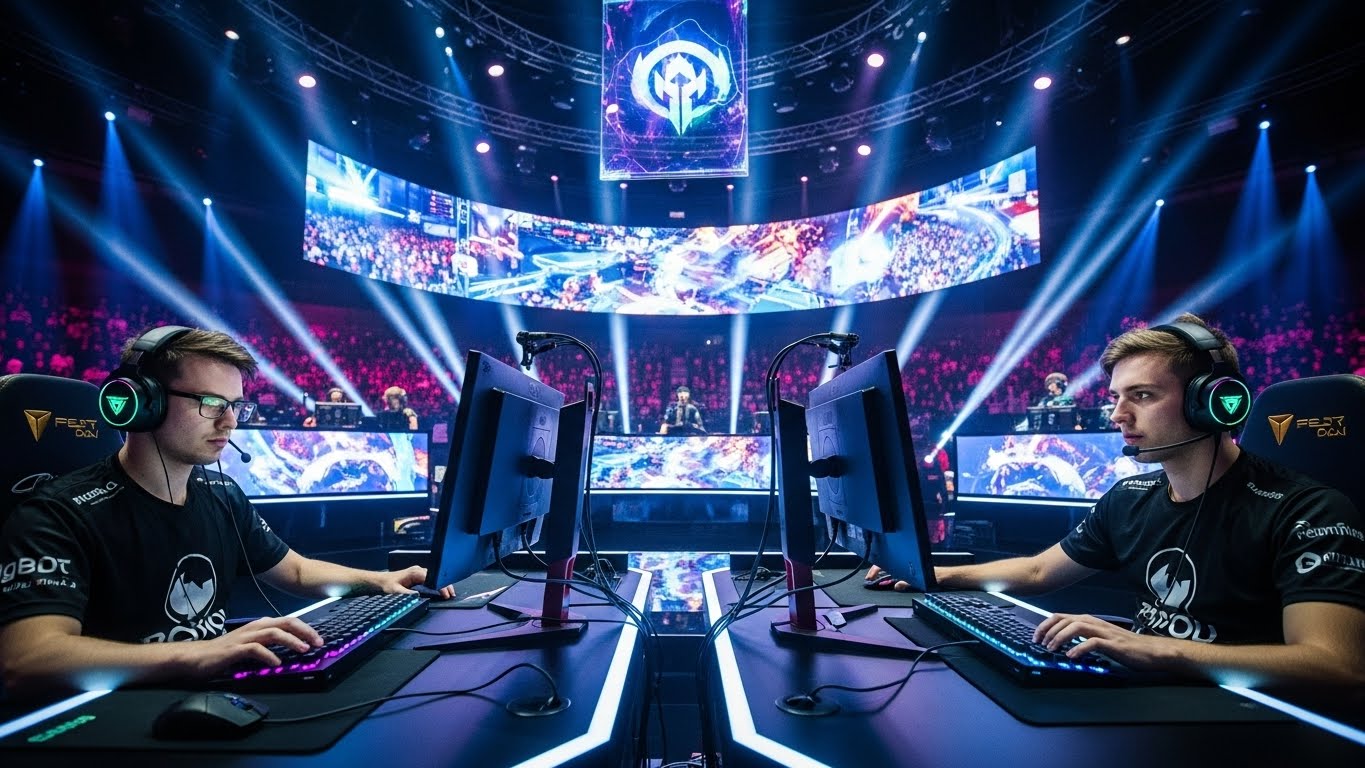
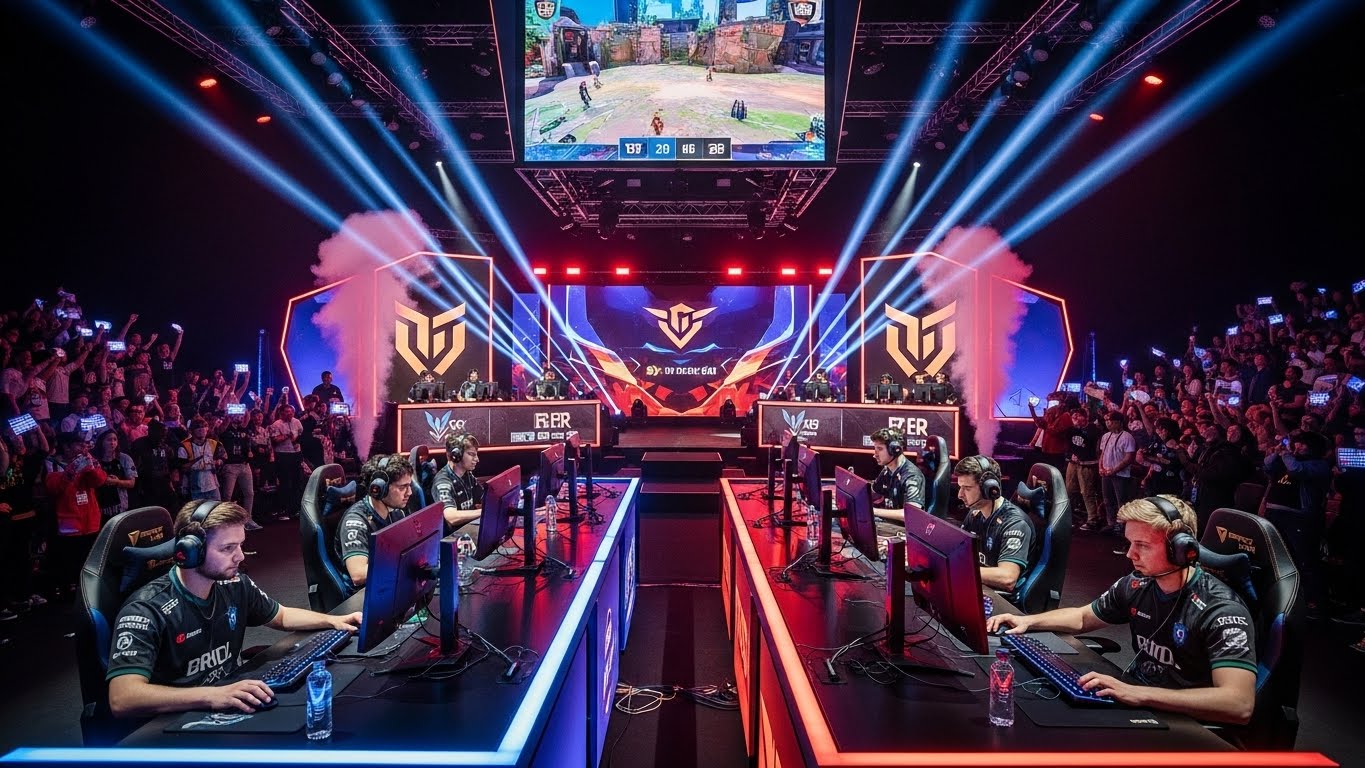
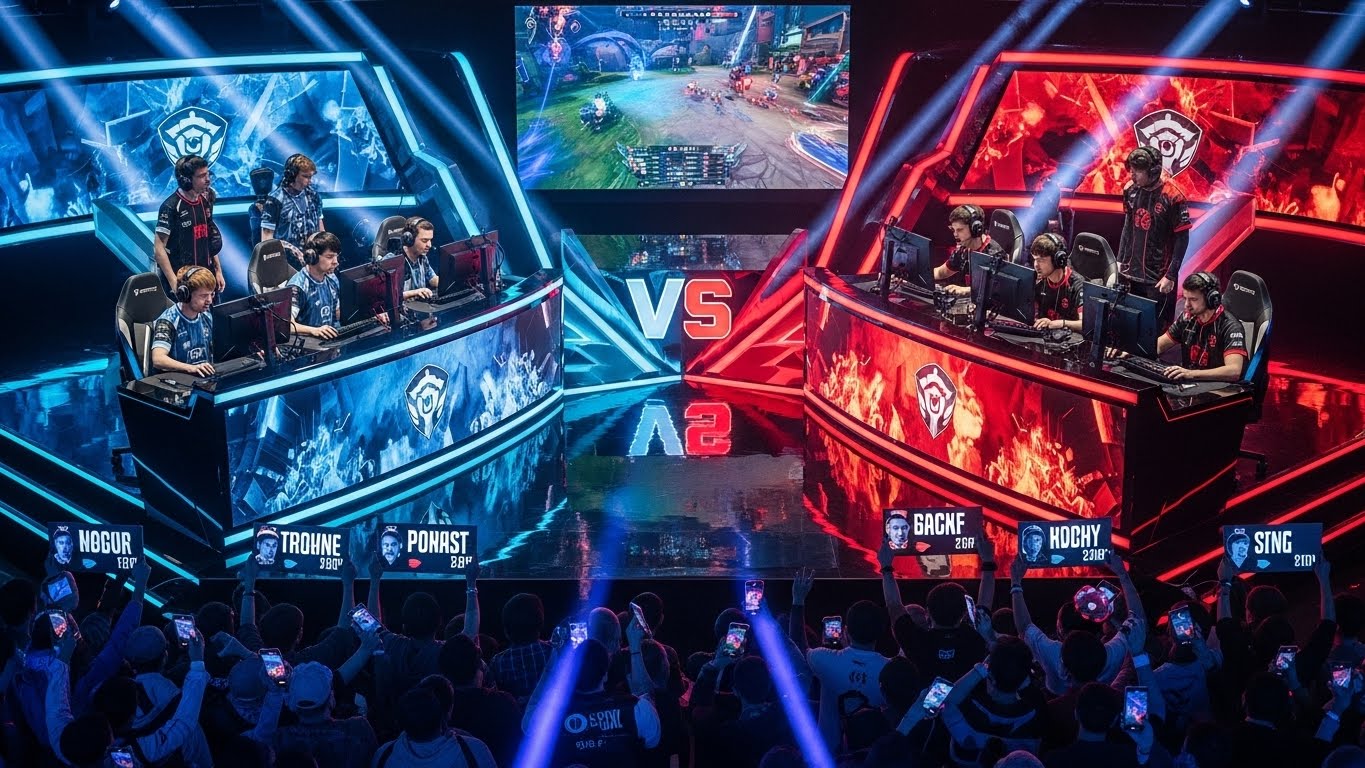
The defining characteristics of esports include structured competition, spectatorship, and the presence of a professional ecosystem. Players often undergo rigorous training schedules, similar to traditional sports athletes, and tournaments are broadcasted online or in arenas, attracting millions of viewers worldwide. Popular esports titles span various genres, including multiplayer online battle arenas (MOBAs), first-person shooters (FPS), fighting games, and real-time strategy (RTS) games.
A Brief History of Esports
The history of esports can be traced back to the 1970s and 1980s, when arcade competitions and early home consoles sparked interest in competitive gaming. One of the earliest recognized video game competitions was the 1980 Space Invaders Championship held in the United States, attracting thousands of participants. These early tournaments set the stage for a structured approach to competitive gaming.
In the 1990s, the rise of the internet revolutionized gaming. Multiplayer games like Quake, StarCraft, and Counter-Strike allowed players to compete against others online. South Korea became a central hub for competitive gaming during this era, particularly with the launch of professional StarCraft leagues in the late 1990s. These leagues popularized esports on television and established a professional scene that inspired other regions to follow suit.
The 2000s saw the emergence of international esports organizations and large-scale tournaments. Games like Dota 2, League of Legends, and Call of Duty attracted massive audiences, with prize pools reaching millions of dollars. This period also marked the rise of streaming platforms, such as Twitch, which made it possible for fans to watch tournaments in real-time from anywhere in the world.
Popular Esports Genres
Esports is not limited to a single type of game. Different genres attract different audiences and require varied skill sets. Understanding the key genres helps explain the diversity and appeal of competitive gaming.
Multiplayer Online Battle Arenas (MOBAs)
MOBAs are team-based games where players control characters with unique abilities and compete to destroy the opposing team’s base. Titles like League of Legends and Dota 2 are iconic examples. MOBAs require strategic thinking, quick reflexes, and teamwork, making them highly engaging for both players and spectators. Professional leagues in these games have drawn massive global audiences and developed extensive training and coaching systems.
First-Person Shooters (FPS)
FPS games, such as Counter-Strike: Global Offensive, Call of Duty, and Valorant, involve players competing in fast-paced combat from a first-person perspective. Precision aiming, reaction speed, and tactical coordination are crucial for success. FPS esports has a large competitive scene, with tournaments broadcasted globally and substantial prize pools for top teams.
Fighting Games
Fighting games focus on one-on-one combat where players execute complex moves and combos to defeat opponents. Titles like Street Fighter, Super Smash Bros., and Tekken have maintained a dedicated esports following for decades. These games emphasize individual skill, reflexes, and adaptability, often resulting in intense, high-stakes matches.
Real-Time Strategy (RTS)
RTS games involve resource management, unit control, and strategic planning to defeat opponents. StarCraft and Warcraft are classic examples that have shaped competitive gaming, particularly in Asia. RTS esports requires players to make rapid decisions while managing multiple aspects of the game simultaneously, providing a unique blend of mental challenge and entertainment.
The Esports Ecosystem
The esports industry is supported by a complex ecosystem of stakeholders, including players, teams, tournament organizers, sponsors, broadcasters, and fans. Understanding this ecosystem reveals how esports operates as both a competitive sport and a commercial enterprise.
Professional Players and Teams
Professional players are the core of esports. They dedicate hours to practice, analyze gameplay, and develop strategies with their teams. Teams often provide coaching, training facilities, and financial support to help players reach peak performance. The most successful players achieve celebrity status, influencing the broader gaming community and even mainstream culture.
Tournaments and Leagues
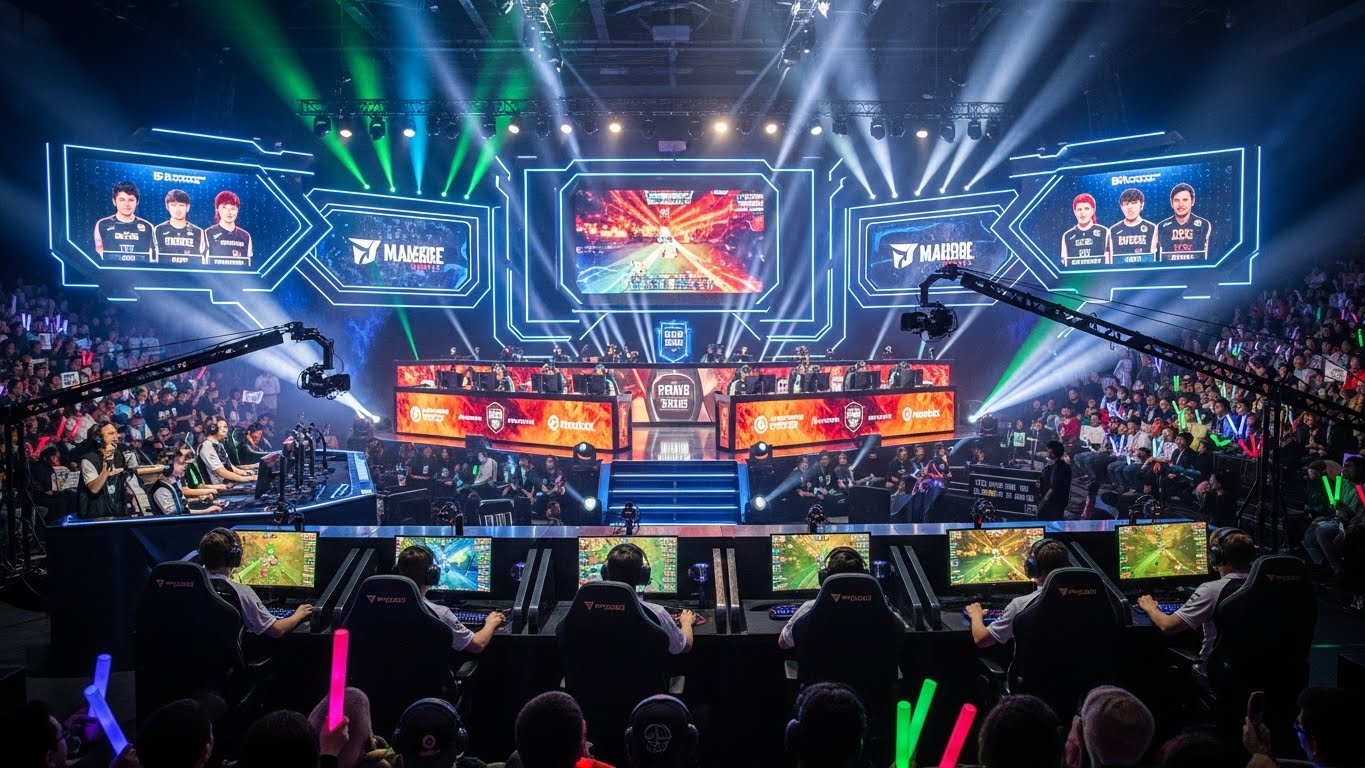
Esports tournaments vary from small local competitions to massive international events with millions of viewers. Major leagues, such as the League of Legends Championship Series (LCS) and the Dota 2 International, feature structured seasons, playoffs, and championship matches. Tournament organizers manage logistics, production, and broadcasting, ensuring a professional and engaging experience for participants and spectators.
Sponsorships and Advertising
Sponsorships play a critical role in the financial sustainability of esports. Companies invest in teams, tournaments, and individual players to reach a dedicated and engaged audience. Brands from technology, energy drinks, apparel, and even finance sectors have recognized the marketing potential of esports. Advertising within esports is often integrated naturally, with sponsor logos appearing on player jerseys, streams, and event stages.
Streaming and Broadcasting
Streaming platforms have revolutionized the way esports is consumed. Platforms like Twitch, YouTube Gaming, and others allow fans to watch live competitions, interact with streamers, and engage in community discussions. High-quality broadcasting, including commentary, analysis, and camera work, enhances the viewing experience, making esports tournaments accessible to global audiences.
Fans and Community
The esports community is one of the most passionate and engaged in entertainment. Fans follow their favorite players and teams, participate in online discussions, and attend live events. Community engagement extends beyond spectatorship, as many fans actively play the games themselves, contributing to the popularity and longevity of esports titles.
The Impact of Esports on Culture
Esports has profoundly influenced modern culture, reshaping entertainment, social interaction, and professional opportunities. Its impact extends beyond gaming, touching areas such as education, technology, and media.
Social and Community Engagement
Esports has created communities that transcend geographic boundaries. Online forums, social media groups, and fan clubs provide platforms for players and fans to connect, share content, and discuss strategies. This sense of community fosters social interaction, collaboration, and cultural exchange, making esports more than just a competition.
Educational and Career Opportunities
As esports grows, educational institutions and organizations have begun offering programs and courses related to competitive gaming. Scholarships, coaching certifications, and esports management degrees are becoming more common. Additionally, esports has created diverse career paths beyond playing, including broadcasting, event management, game design, marketing, and analytics.
Technological Advancements
The demands of esports have driven innovations in gaming technology, including high-performance hardware, advanced graphics, and low-latency networking. Streaming technology and virtual event production have also benefited from esports advancements, impacting broader media and entertainment industries.
Representation in Media
Esports has gained recognition in mainstream media, with coverage on television, news outlets, and even documentaries. High-profile tournaments are broadcasted in arenas and on digital platforms, elevating esports to the level of traditional sports. Celebrities and influencers have also embraced esports, further integrating it into popular culture.
Challenges Facing Esports
Despite its rapid growth, esports faces challenges that could impact its sustainability and credibility. Addressing these issues is crucial for the long-term development of the industry.
Health and Wellbeing
Professional esports players often endure long hours of practice, which can lead to physical and mental health issues. Repetitive strain injuries, eye strain, and mental burnout are common concerns. Teams and organizations are increasingly investing in wellness programs, physical training, and psychological support to mitigate these risks.
Cheating and Fair Play
As with any competitive activity, cheating and unfair practices can undermine esports integrity. The use of hacks, exploits, or performance-enhancing software threatens fair competition. Tournament organizers implement strict rules, anti-cheat systems, and monitoring to maintain a level playing field.
Regulation and Governance
Esports currently lacks a centralized governing body, leading to inconsistencies in rules, player rights, and tournament standards. Efforts are underway to establish regulatory frameworks, but the industry remains fragmented. Clear governance is essential to protect players, teams, and fans while ensuring ethical practices.
Sustainability of Titles
The longevity of esports depends on the popularity of specific games. Some titles fade over time, while new games emerge, requiring constant adaptation. Developers, publishers, and tournament organizers must balance innovation with maintaining the competitive ecosystem to ensure sustainable growth.
The Future of Esports
The future of esports is promising, with continued growth and diversification expected in the coming years. Emerging technologies, expanding audiences, and increased mainstream recognition are shaping the next chapter of competitive gaming.
Virtual Reality and Immersive Gaming
Virtual reality (VR) and augmented reality (AR) could redefine esports experiences, offering immersive gameplay and spectator perspectives. These technologies have the potential to create entirely new genres and expand the possibilities of competition and entertainment.
Global Expansion
Esports is becoming increasingly global, with growing participation and viewership in regions such as South America, Southeast Asia, and Africa. International tournaments and localized leagues are fostering diverse competitive communities, making esports truly worldwide.
Integration with Traditional Sports
Collaboration between esports and traditional sports organizations is becoming more common. Professional sports teams are investing in esports divisions, and hybrid events combining physical and digital competitions are emerging. This integration enhances the legitimacy of esports and attracts new audiences.
Technological Innovations in Broadcasting
Advances in streaming, production quality, and interactive features will enhance the spectator experience. Real-time analytics, immersive camera angles, and AI-driven commentary could revolutionize how fans engage with esports tournaments, making them more dynamic and interactive.
Social and Cultural Influence
Esports will continue to influence popular culture, fashion, and entertainment. The rise of esports celebrities, merchandise, and fan-driven content will shape trends and create new opportunities for engagement and creativity.
Conclusion
Esports has transformed from a niche pastime into a global cultural and economic force. With its rich history, diverse genres, and dedicated community, it represents the intersection of competition, technology, and entertainment. While challenges such as health, regulation, and sustainability remain, the industry continues to innovate and expand, shaping the future of gaming and digital culture.
The journey of esports is a testament to the power of passion, skill, and community. It has created new career paths, redefined entertainment, and connected people across the globe through shared experiences. As technology evolves and audiences grow, esports is poised to remain at the forefront of digital culture, redefining what it means to compete, watch, and play in the 21st century.