championplay05
Introduction: A Global Shift in Competitive Entertainment
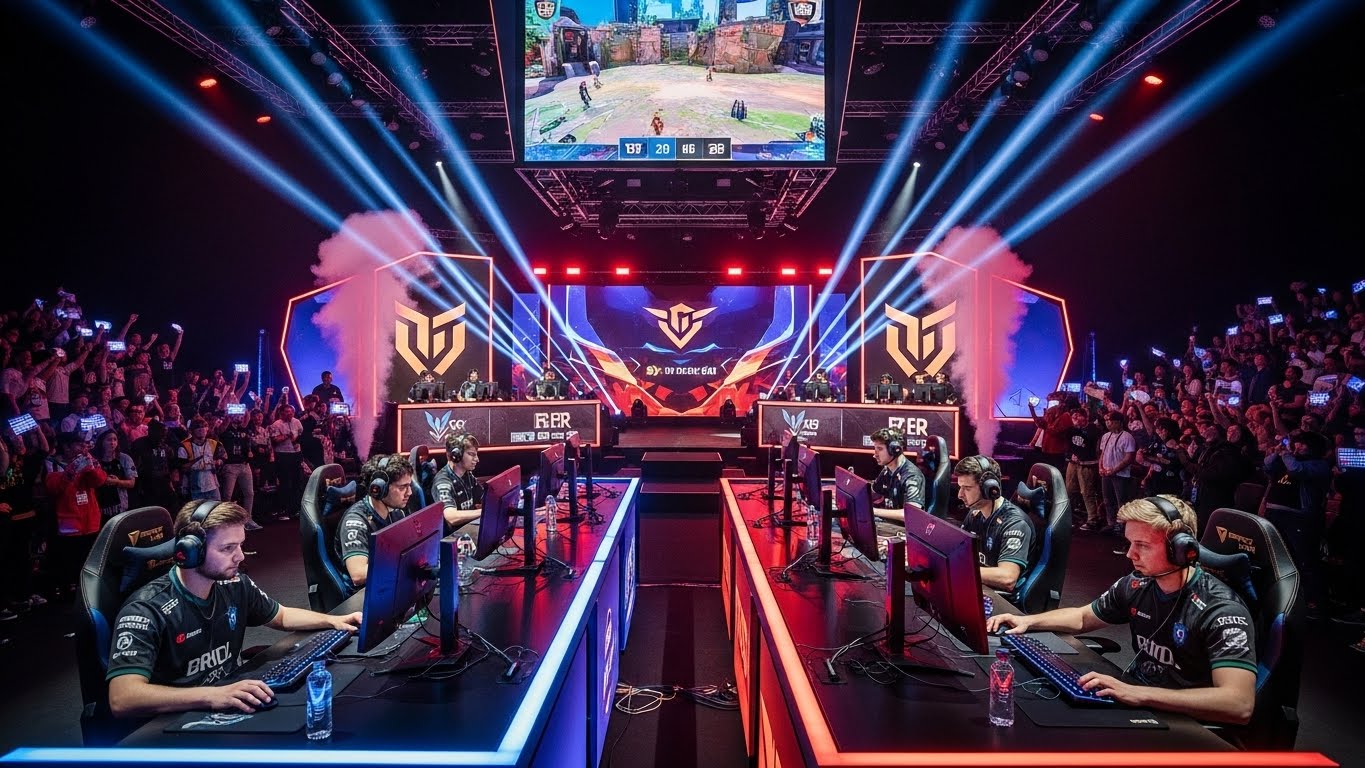
Esports, once viewed as a niche interest for gamers, has evolved into a dominant force in the world of entertainment. It has grown beyond casual play and now stands as a global industry, generating billions in revenue and attracting millions of fans from all corners of the world. With high-stakes tournaments, massive sponsorship deals, and an ever-expanding fanbase, esports is reshaping the way we think about sports and competition in the 21st century.
What is Esports? The Heart of Digital Competition
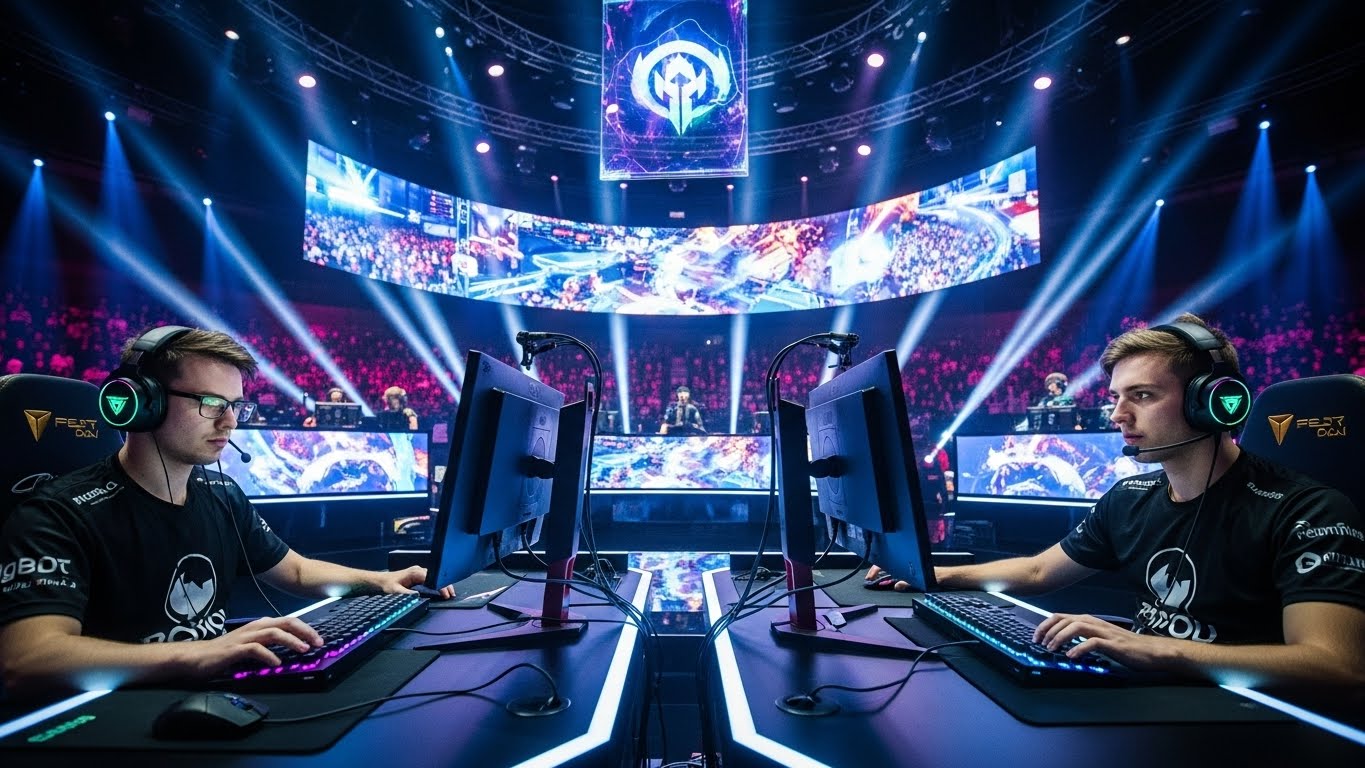
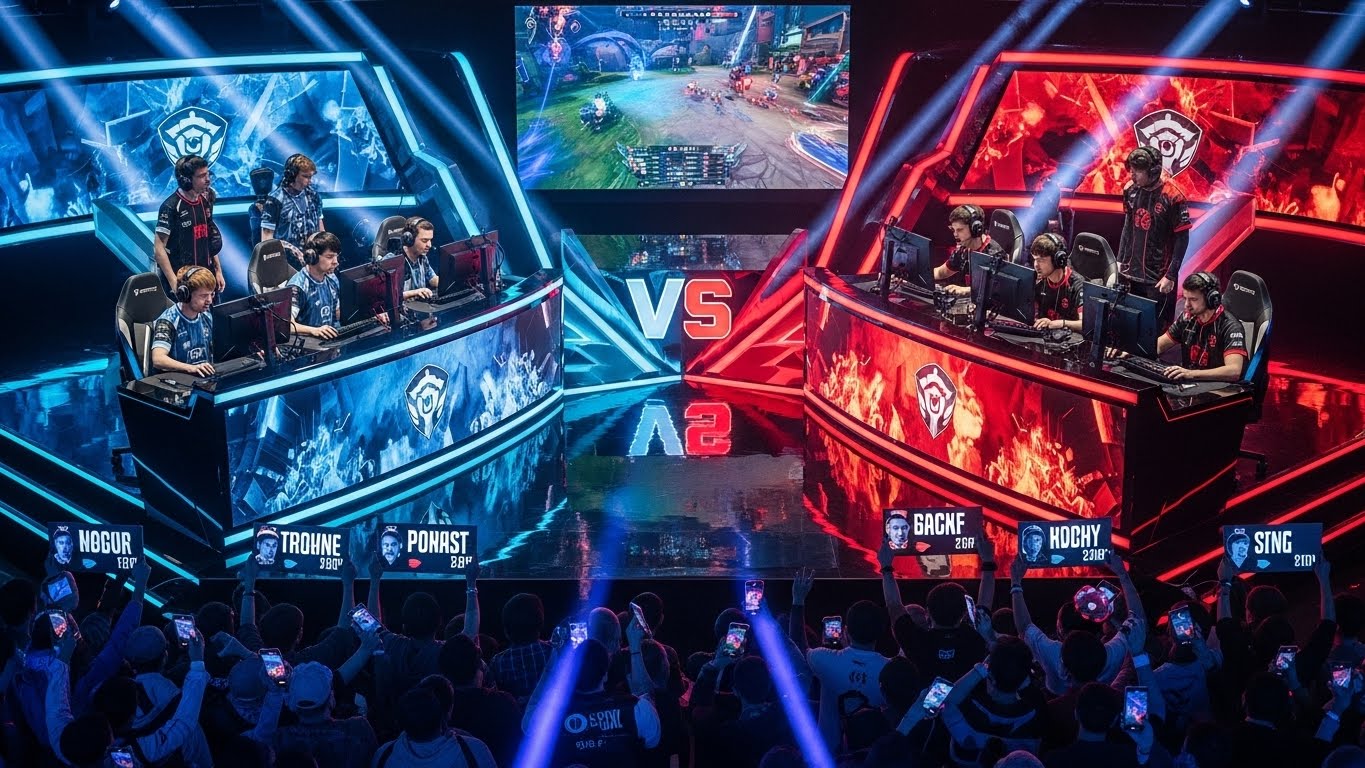
Esports refers to organized, multiplayer video game competitions, particularly between professional players, individually or in teams. While it includes a wide range of games, the most popular esports titles are games like League of Legends, Counter-Strike: Global Offensive, Dota 2, and Fortnite. Unlike casual gaming, esports requires a deep level of strategic thinking, precision, and teamwork. Competitors train rigorously, honing their skills to compete at the highest levels, much like traditional athletes.
The Esports Phenomenon: A Global Movement
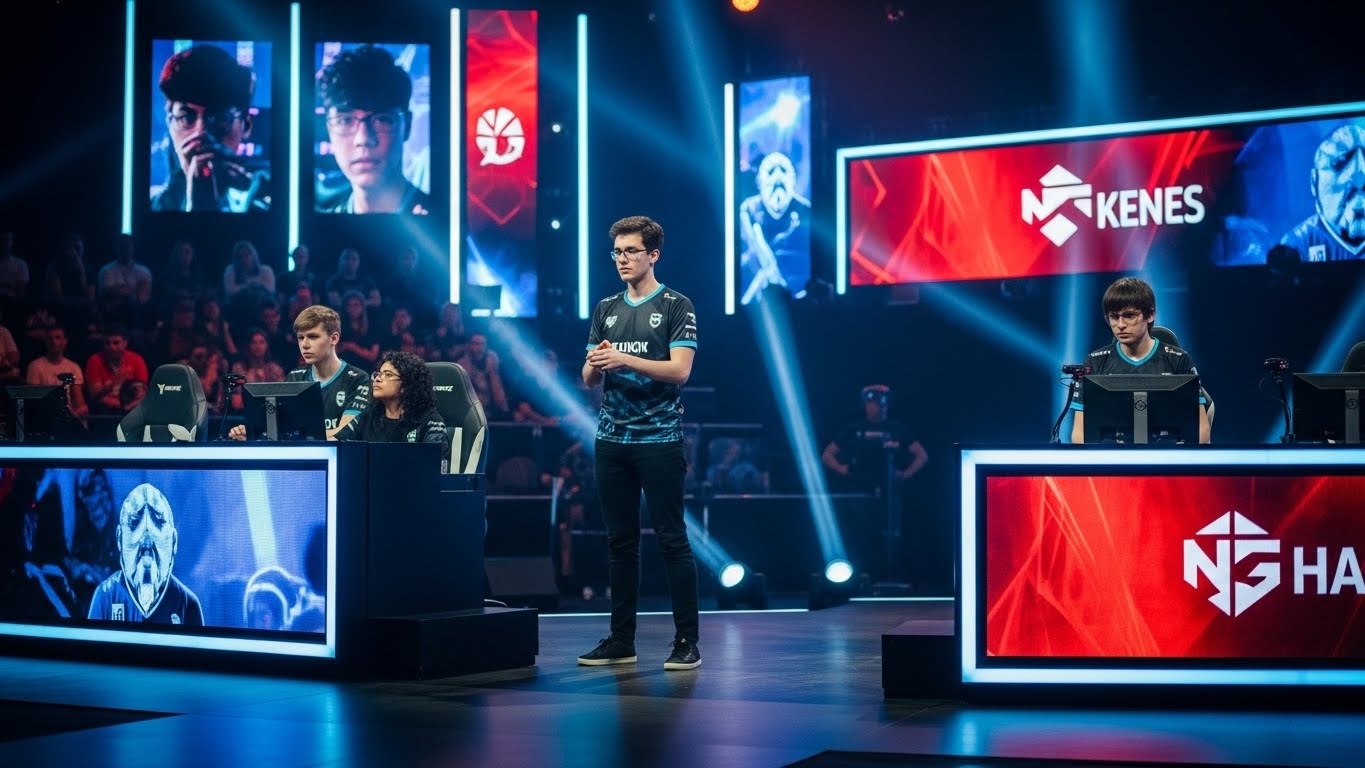
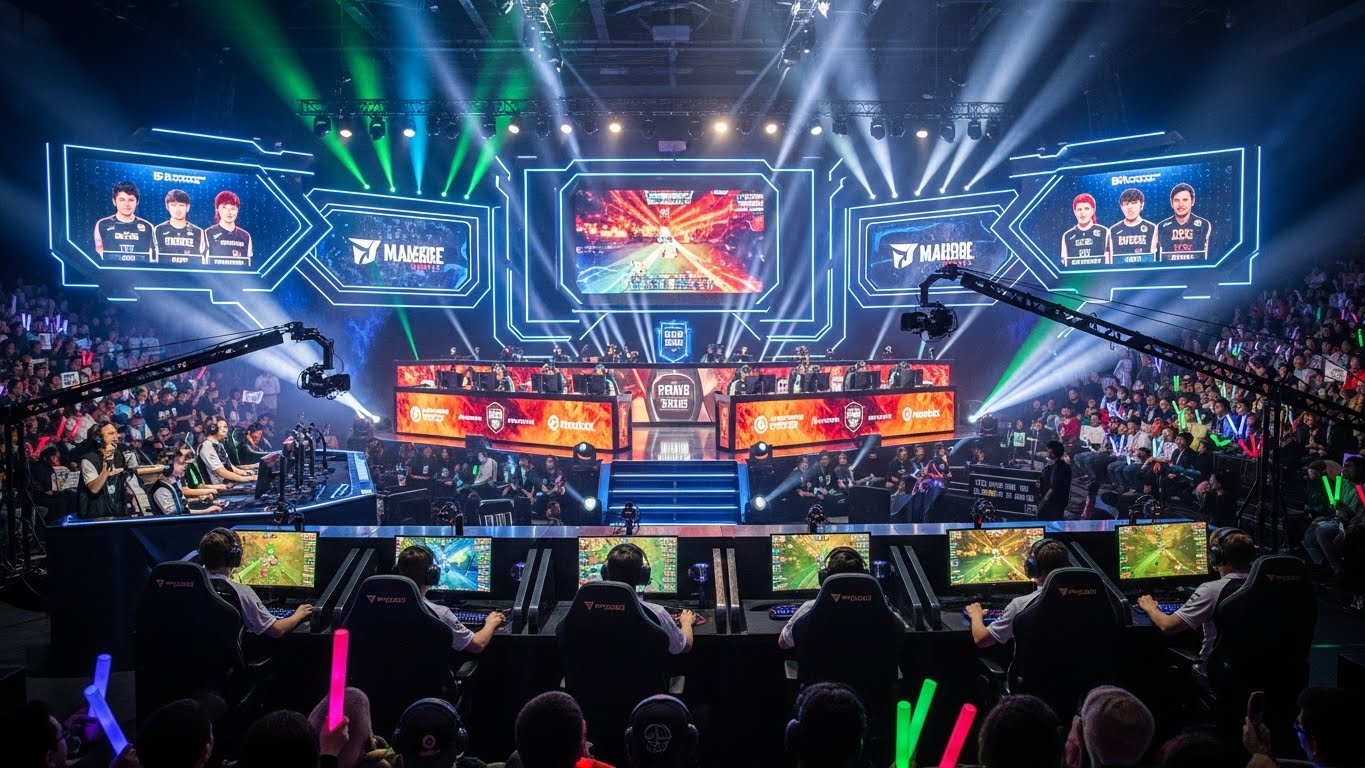
Over the past decade, esports has expanded rapidly across the globe. Major events like The International (Dota 2’s championship), the League of Legends World Championship, and the Fortnite World Cup have brought competitive gaming to the mainstream. These tournaments attract millions of viewers and offer substantial prize pools, sometimes exceeding tens of millions of dollars. The rise of platforms like Twitch and YouTube Gaming has allowed fans to watch live broadcasts of matches, creating a global community of spectators and participants.
Countries like South Korea have been leading the charge for years, with esports being recognized as a national sport, but other nations, including the United States, China, and Europe, have embraced it with equal enthusiasm. What was once a fringe activity has now become a thriving industry, attracting top-tier sponsors, advertisers, and even traditional sports organizations.
Esports Careers: More Than Just Gaming
A career in esports is no longer limited to the players themselves. As the industry grows, so too does the ecosystem around it. Professional teams require coaches, analysts, managers, and marketers, while event organizers create tournaments and live broadcasts. There’s a need for graphic designers, shoutcasters (commentators), and even mental health professionals to help players manage the pressures of competition.
The increasing popularity of esports has also created educational opportunities. Several universities now offer scholarships for esports athletes, and specialized degrees in esports management are becoming more common. This shift is opening up a whole new career path for individuals interested in the esports space.
The Challenges Within Esports
Despite its meteoric rise, the esports industry faces challenges that it needs to address. Player burnout is a significant issue, with many professional gamers facing mental and physical exhaustion from the constant practice, competition, and travel. The pressure to perform at a top level can be overwhelming, leading to high dropout rates among players who start their careers at a young age.
Another pressing issue is the lack of regulation within the industry. Unlike traditional sports, which have strict governing bodies and regulations, esports often operates in a less structured environment. This has led to problems such as match-fixing, cheating, and inconsistent tournament rules. As esports continues to grow, it will need to establish more robust regulations to maintain fairness and credibility.
The Future of Esports: What’s Next?
The future of esports looks incredibly bright. With advancements in technology, especially in virtual reality (VR) and augmented reality (AR), esports could become even more immersive and exciting. VR esports, where players physically move in a virtual environment, could take competitive gaming to a whole new level. Additionally, AI-driven tools may help players improve their skills by offering insights into their gameplay and helping them refine their strategies.
Esports’ continued mainstreaming is also likely to result in more collaboration with traditional sports leagues. We may see professional sports teams investing in esports franchises, creating a bridge between physical and digital competition. This could lead to more visibility and acceptance for esports as a legitimate sport.
Conclusion: Esports is Here to Stay
Esports is not just a trend; it’s a cultural shift in how we view competition, entertainment, and digital interaction. With its expanding fanbase, growing professional scene, and massive global influence, esports has become a dominant force in modern entertainment. It’s clear that this is only the beginning — the future of esports is as exciting as the games themselves.