championplay05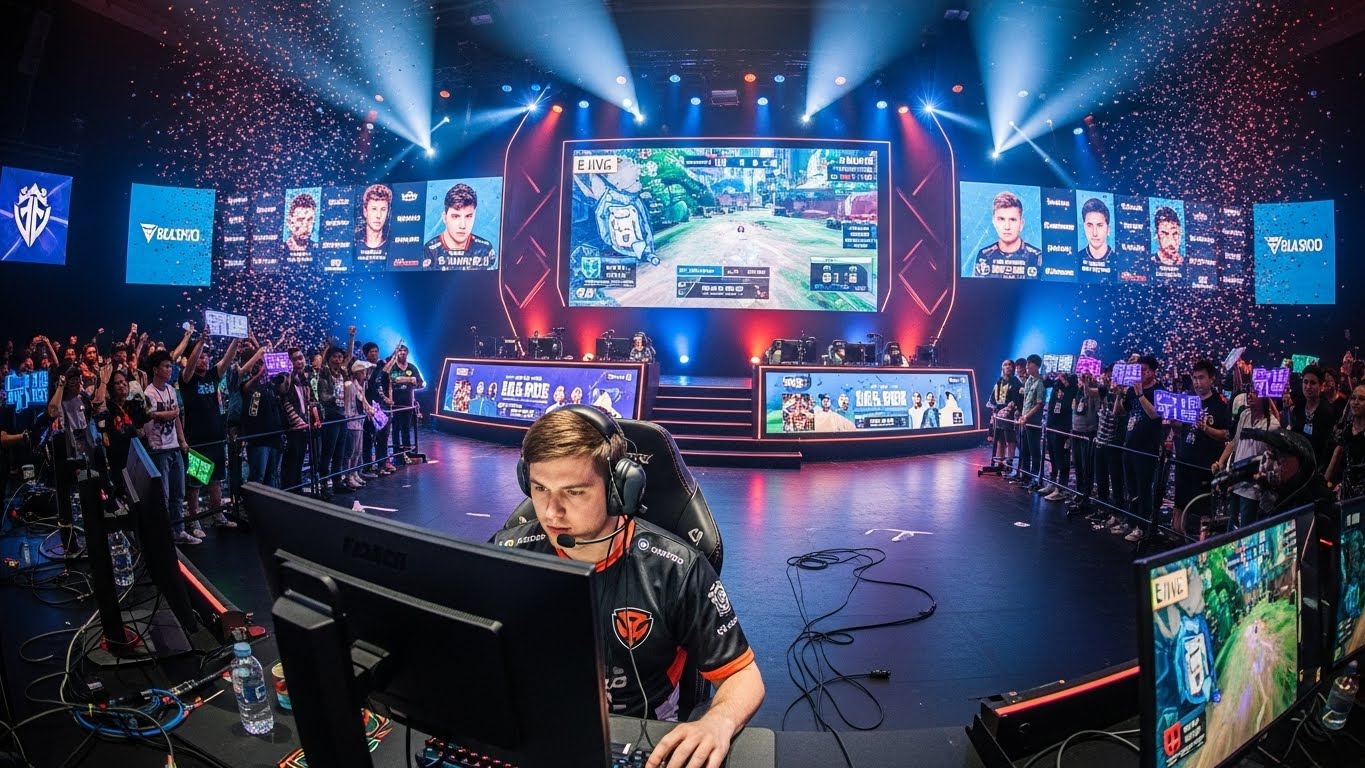
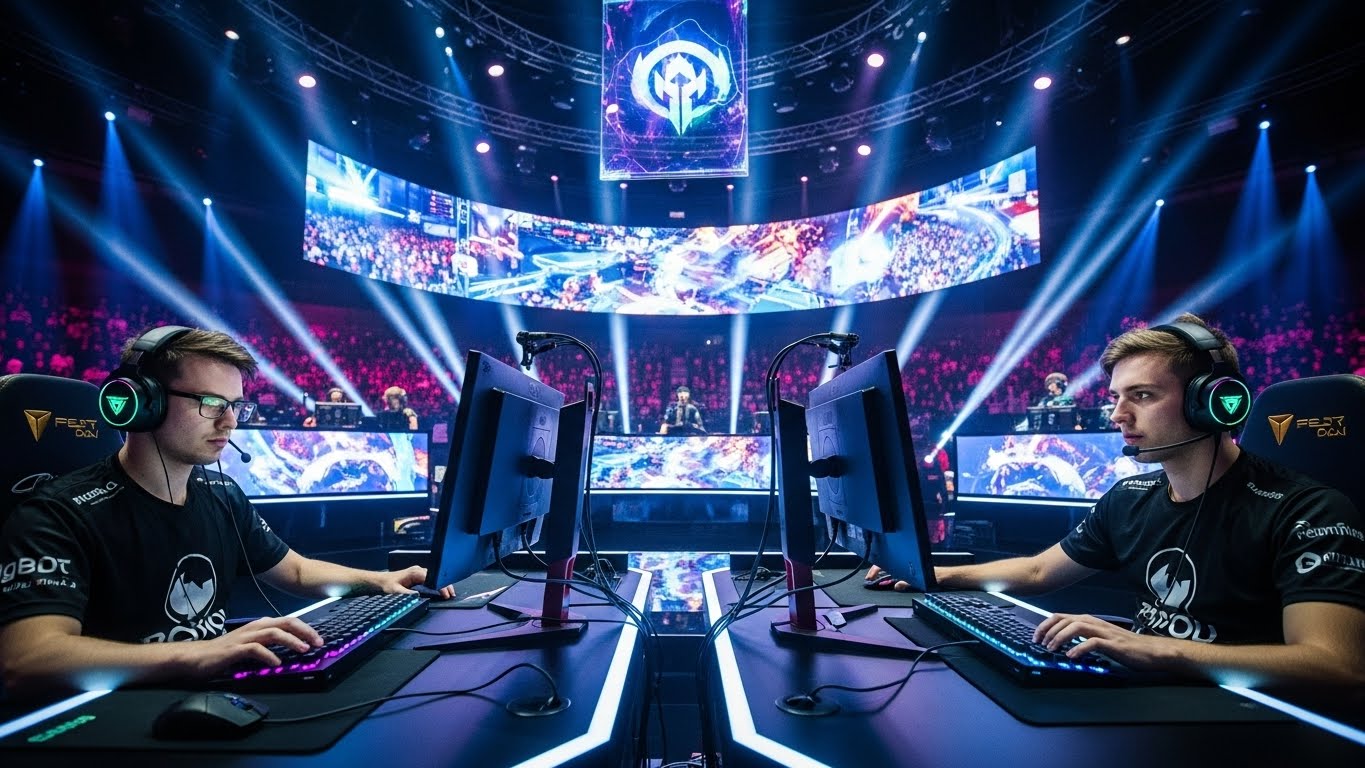
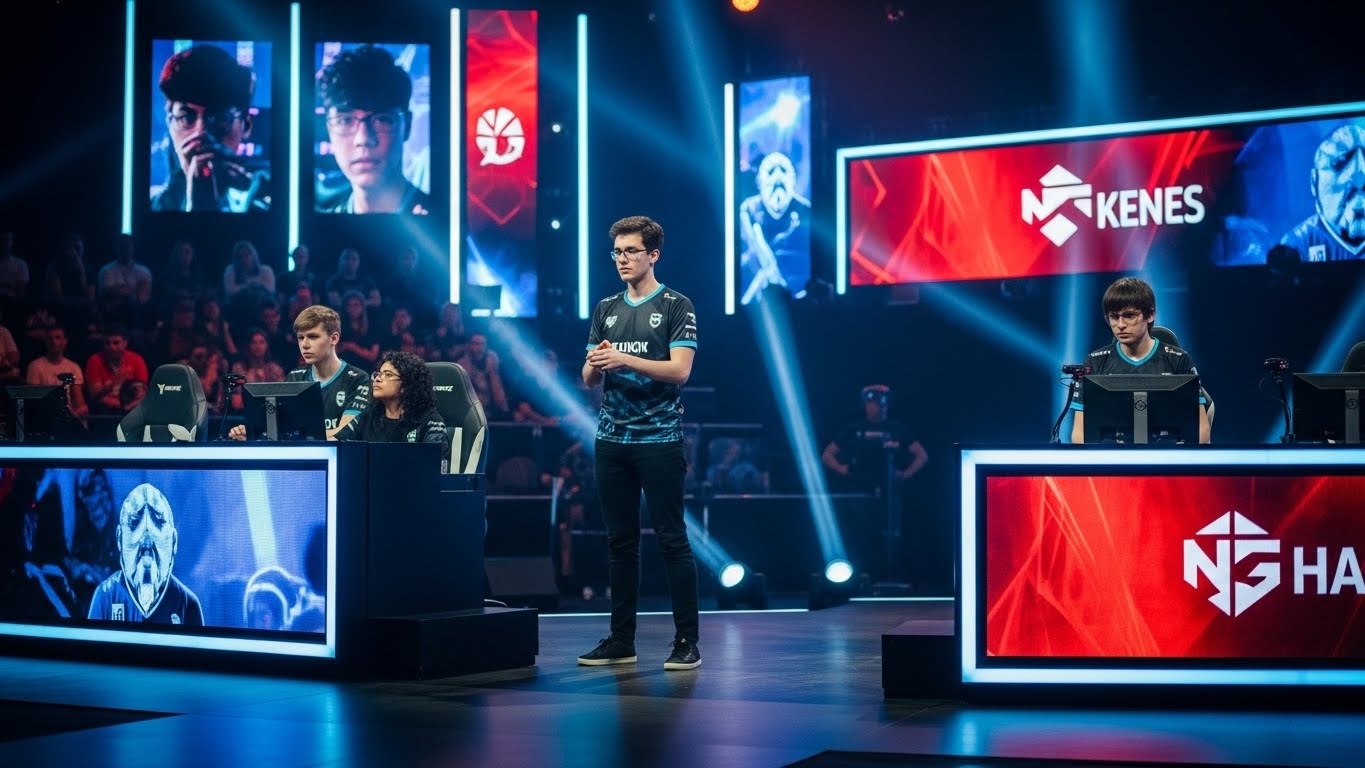
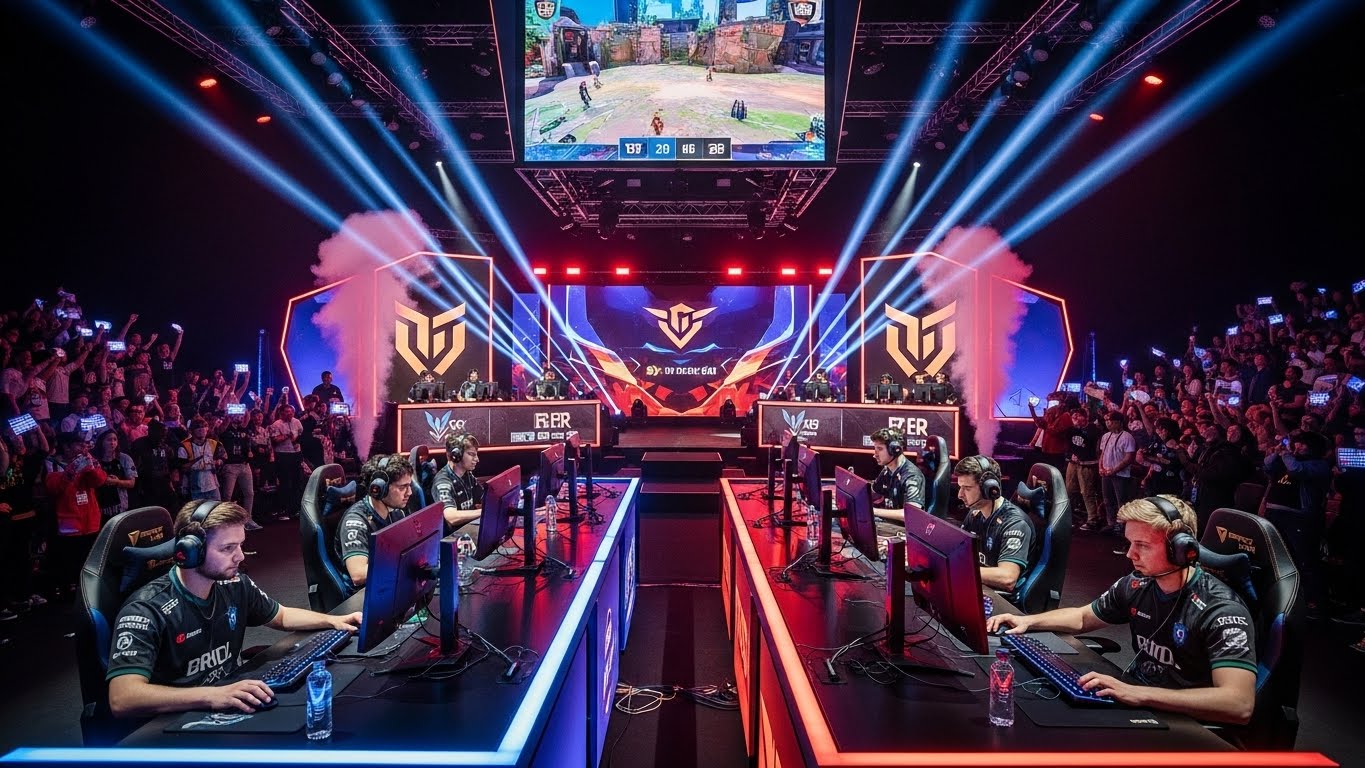
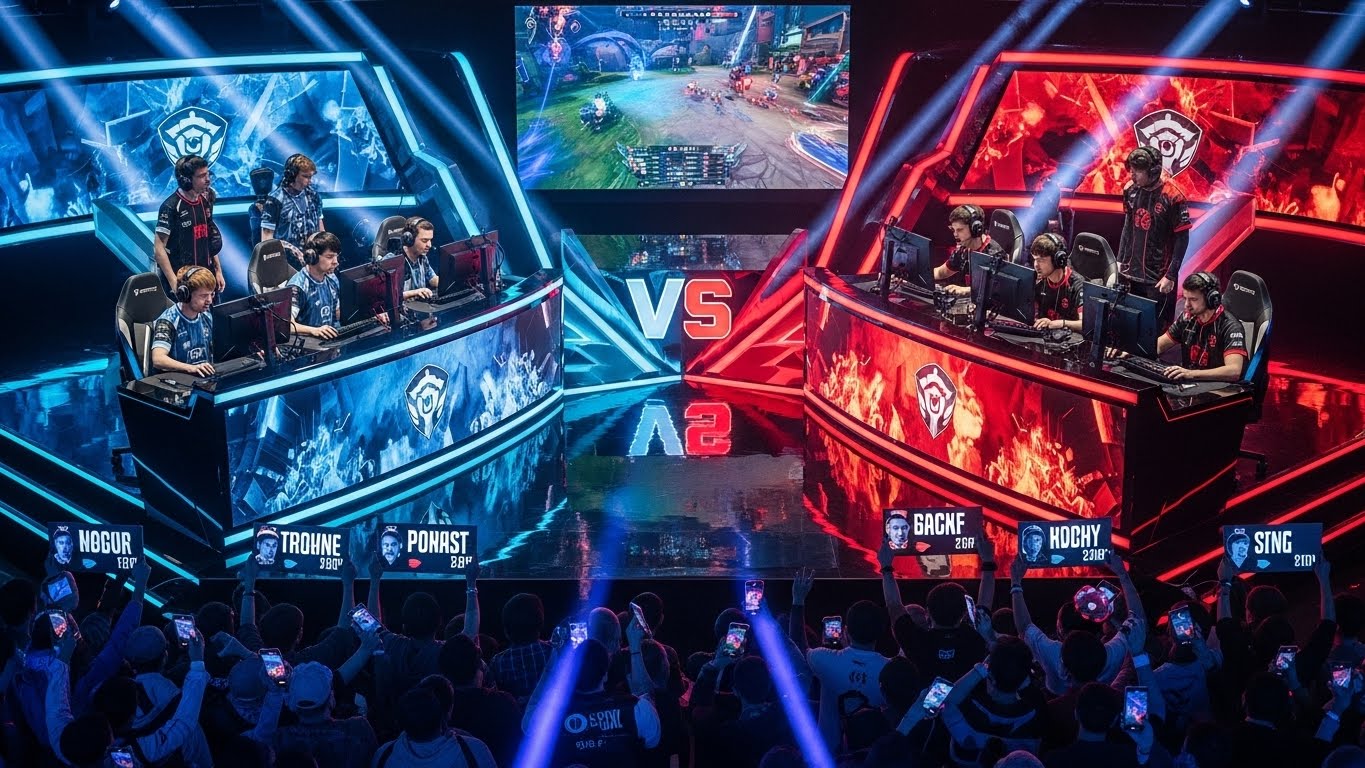
Esports has come a long way from the days when gamers would gather in basements or arcades to compete for bragging rights. Today, it’s a billion-dollar industry with professional players, global tournaments, and dedicated fanbases. Esports, short for electronic sports, involves organized multiplayer video game competitions, often between professional players or teams. The rise of esports has been remarkable, and its influence continues to grow across entertainment, technology, and culture. In this blog post, we’ll dive deep into the evolution of esports, its cultural impact, and the future of this thrilling industry.
The Humble Beginnings of Esports
Esports traces its roots to the early days of video gaming, when players would compete against each other in local settings. The first organized video game competition is often considered to be the 1972 Stanford University’s “Intergalactic Spacewar Olympics”. Participants played the game “Spacewar!” on a PDP-1 computer, which marked the beginning of competitive gaming.
However, it wasn’t until the late 1990s and early 2000s that esports began to take shape in a more structured form. The rise of online multiplayer games such as Quake, StarCraft, and Warcraft allowed gamers to compete globally, opening the door for competitive leagues and tournaments.
One of the first major milestones in esports came in 1997 with the creation of The Red Annihilation tournament for the game Quake. The winner, John “Fatal1ty”athan Wendel, would go on to become one of the first esports superstars. This event showcased the potential of competitive gaming and set the stage for what was to come.
The Rise of Esports as a Profession
As the 2000s progressed, esports began to evolve from a hobby into a legitimate profession. The growth of games like Counter-Strike, Warcraft III, and League of Legends paved the way for more structured tournaments and the emergence of professional players and teams. In this period, games began to offer large prize pools, sponsorship deals, and opportunities for players to make a living from competitive gaming.
The World Cyber Games (WCG), launched in 2000, was one of the first major global competitions that brought together the best players from around the world to compete for substantial prizes. The Electronic Sports World Cup (ESWC), established in 2003, was another key milestone, helping to elevate the concept of esports as a professional industry.
In the mid-2000s, major game developers recognized the potential of esports as a marketing tool and began to invest in the infrastructure needed for professional competition. Games like StarCraft II, Counter-Strike: Global Offensive, and Dota 2 offered high-stakes tournaments with large prize pools, attracting both players and audiences from around the world.
The Impact of Streaming and Platforms
A significant catalyst for esports’ explosive growth in the last decade has been the rise of online streaming platforms like Twitch and YouTube Gaming. These platforms provided a way for gamers to broadcast their matches live to audiences, creating a digital ecosystem where both players and fans could interact in real-time.
Twitch, in particular, revolutionized esports by making it easier than ever for gamers to showcase their skills and for fans to watch the action from anywhere in the world. In 2014, Amazon acquired Twitch for nearly $1 billion, signaling the massive potential of esports and live gaming content. This acquisition marked a turning point, with esports now seen as an industry in its own right.
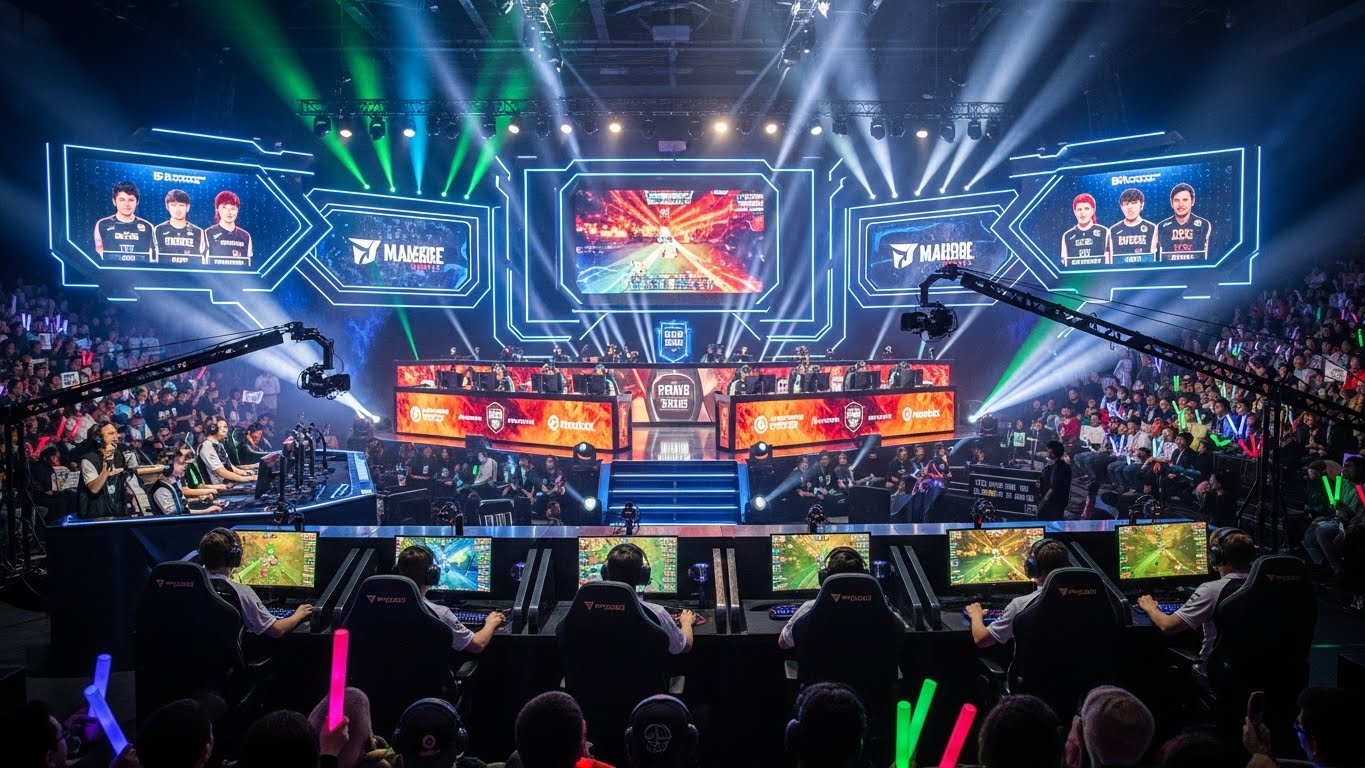
As streaming gained traction, the popularity of esports also surged. Tournaments like The International (Dota 2), League of Legends World Championship, and Overwatch League began drawing in millions of viewers, with some events even breaking records for viewership numbers. Esports began to evolve into a spectator sport, drawing comparisons to traditional sports like football and basketball in terms of fan engagement and media attention.
The Financial Boom: Sponsorships, Investments, and Prize Money
One of the driving forces behind the success of esports has been the influx of investment, sponsorships, and corporate partnerships. In recent years, esports has become a lucrative industry with billion-dollar valuations.
Global brands from various industries, including technology, energy drinks, apparel, and even traditional sports, have invested in esports sponsorships. Companies like Intel, Coca-Cola, Red Bull, and Nike have become heavily involved in esports sponsorships, promoting tournaments and teams. These sponsorships have significantly contributed to the rise in prize money for major tournaments, with some competitions offering multi-million-dollar prizes.
For example, the prize pool for The International 2019, a Dota 2 tournament, exceeded $34 million. This was one of the largest prize pools in the history of competitive gaming. Such massive rewards have attracted top-tier players from all over the world, increasing the overall level of competition and professionalism in the industry.
Esports organizations have also become increasingly profitable, with teams signing sponsorship deals, securing media rights, and generating revenue from merchandise sales. This financial boom has turned esports into a billion-dollar industry, with a global audience that continues to grow year after year.
The Cultural Impact of Esports
Esports has not only influenced the world of entertainment but has also had a significant cultural impact. It has changed the way people view gaming, turning it from a solitary hobby into a social activity that brings people together. Esports has given rise to a new kind of celebrity, with players and streamers like Ninja (Tyler Blevins), Shroud (Michael Grzesiek), and Faker (Sang-hyeok Lee) amassing millions of followers on social media and streaming platforms.
Moreover, esports has become a career path for many young people, with entire collegiate esports programs popping up at universities worldwide. The rise of esports scholarships and academic recognition for professional players has helped bridge the gap between gaming and education. Many students are now able to pursue degrees while also participating in competitive gaming, contributing to the growing legitimacy of esports as a career choice.
In addition, esports has begun to gain acceptance as a part of traditional sports culture. Esports events are now regularly featured on major sports networks, and some esports tournaments even take place in traditional sports arenas, such as the Staples Center in Los Angeles or Madison Square Garden in New York. The blending of esports and traditional sports is a clear sign of the growing influence of competitive gaming.
Esports and Diversity
Another important cultural shift brought about by esports is its inclusivity. Esports has transcended geographical, racial, and gender boundaries. Gamers from all corners of the world compete against each other, and many professional players represent diverse backgrounds. In recent years, esports organizations have worked hard to promote gender diversity and support women in gaming, with leagues and events dedicated to empowering female players.
Esports also offers a platform for LGBTQ+ players to express themselves freely, with many organizations and events openly embracing players of all identities. This inclusive environment has made esports one of the most progressive industries in terms of diversity and acceptance, which is a stark contrast to many traditional sports.
The Future of Esports
Looking ahead, the future of esports looks incredibly bright. Several trends are shaping the industry, and as technology advances, esports will continue to evolve.
Virtual Reality (VR) and Augmented Reality (AR)
The next big leap in esports may involve the integration of virtual reality (VR) and augmented reality (AR) into competitive gaming. With companies like Oculus and Microsoft working on VR headsets, esports could soon move beyond traditional PC and console-based gaming and into fully immersive virtual environments. This would revolutionize the spectator experience, allowing fans to watch matches from within the game itself.
Integration with Traditional Sports
Esports is likely to continue blending with traditional sports, leading to more cross-industry partnerships. We may see more traditional sports teams investing in esports organizations or forming esports leagues of their own. The rising prominence of esports betting could also create new opportunities for fan engagement, as fans place wagers on their favorite teams and players.
Increased Media Rights and Broadcast Opportunities
As esports continues to grow in popularity, media rights will become a key driver of revenue. Major sports networks like ESPN and TBS have already broadcasted esports tournaments, and this trend is likely to increase. The exposure of esports on mainstream television and digital platforms will continue to broaden its audience and bring in new fans.
Conclusion
Esports has undergone a dramatic transformation, from a niche pastime to a global industry with millions of fans, professional players, and substantial financial backing. The continued growth of esports is fueled by technological advancements, increased investment, and the growing popularity of live streaming platforms. As the industry evolves, esports is set to become a mainstream part of global entertainment, with the potential to rival traditional sports in terms of popularity and revenue.
The future of esports is bright, and as it continues to break boundaries, it will shape the way we think about gaming, competition, and entertainment. Whether you’re a gamer, a fan, or just someone curious about the future of entertainment, esports is an exciting space to watch and be a part of.