championplay05
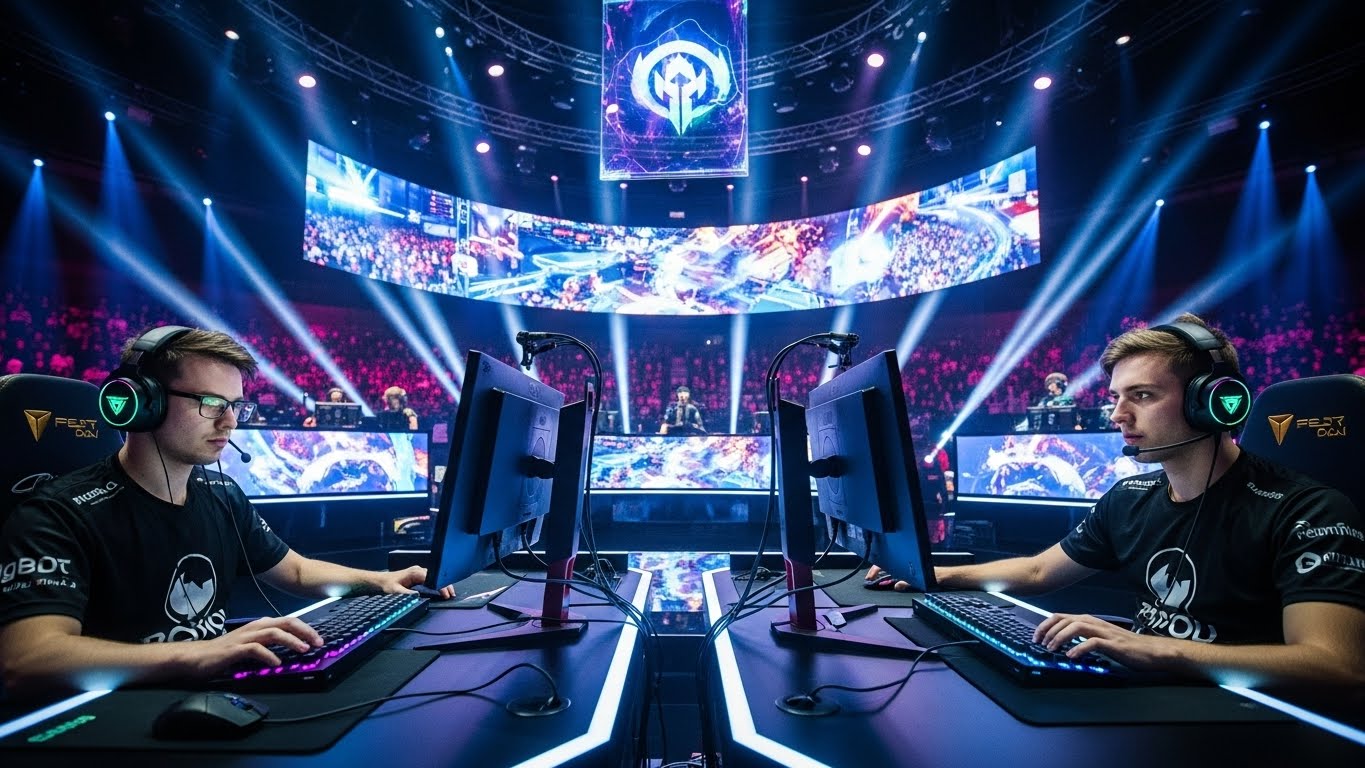
Esports, or electronic sports, has grown from a niche hobby into a global phenomenon, attracting millions of fans, sponsors, and players alike. In just a few short years, esports has evolved into a billion-dollar industry, with professional tournaments, sponsorships, streaming platforms, and an ever-expanding global audience. But how did esports get here? What makes it so captivating, and what does the future hold for this competitive gaming culture? This blog will explore the growth of esports, its impact on gaming culture, and its potential trajectory in the years to come.
The Humble Beginnings of Esports
Esports has its roots in the early days of gaming, where competitions were small and primarily local. In the 1970s and 1980s, arcade gaming was at its peak. High-score challenges and competitions were common, with players vying for the top spot on leaderboards. However, it wasn’t until the 1990s and early 2000s that competitive gaming began to take a more organized shape.
The first notable shift occurred with the advent of online multiplayer games. Titles like StarCraft and Quake in the late ’90s allowed players to compete against each other from different locations, a game-changing development in the world of gaming. These games set the stage for larger-scale tournaments and the creation of dedicated esports leagues. The rise of these games was the catalyst for esports’ early growth.
In the mid-2000s, esports began to gain real traction. Games like League of Legends, Counter-Strike, and Warcraft III became popular choices for competitive play, and the first major tournaments began to emerge, attracting sponsorships, live streaming, and larger audiences. However, it wasn’t until the late 2010s that esports exploded into the global powerhouse it is today.
The Explosion of Esports in the 2010s
The 2010s were a transformative decade for esports. One of the key factors that helped propel esports into the mainstream was the rise of streaming platforms like Twitch. Launched in 2011, Twitch became the go-to platform for live streaming gaming content, including esports events. Fans could now watch professional gamers in real-time, creating a new level of interactivity between the players and the audience.
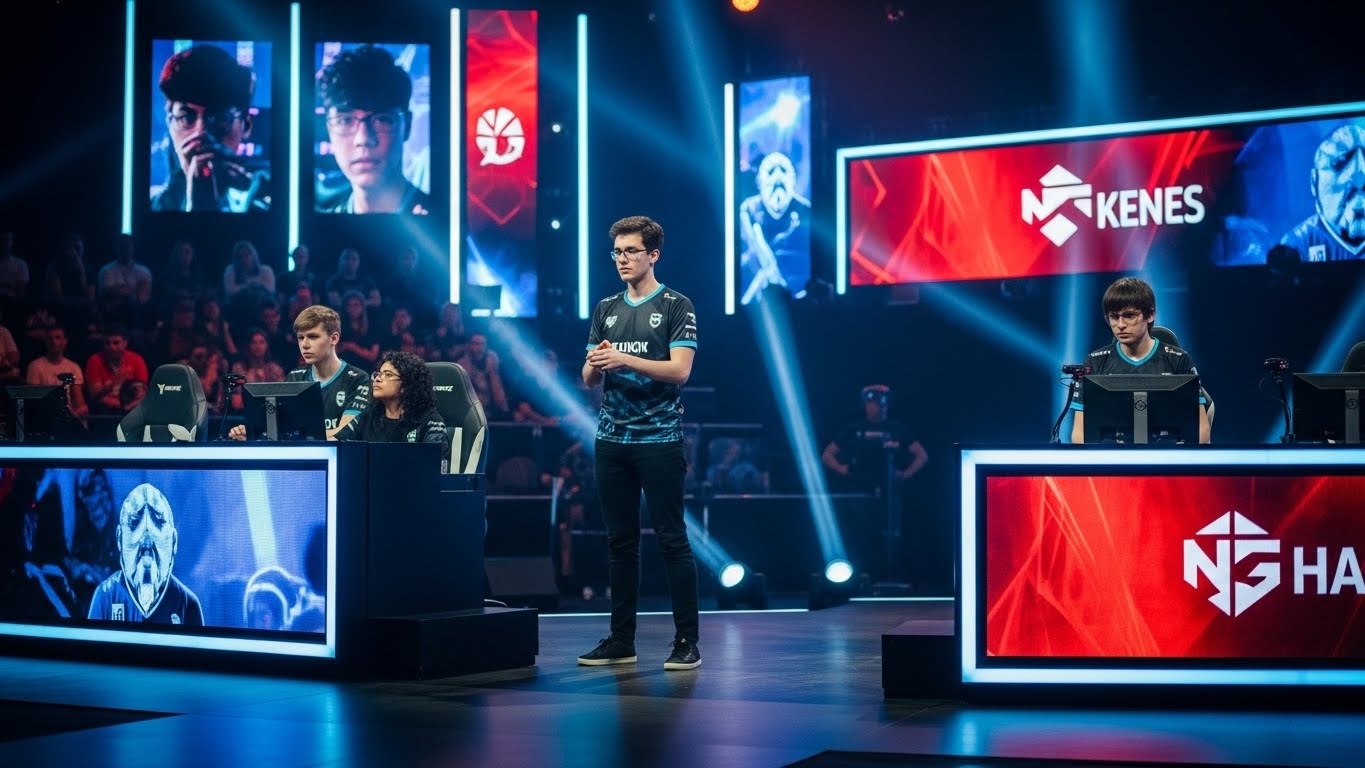
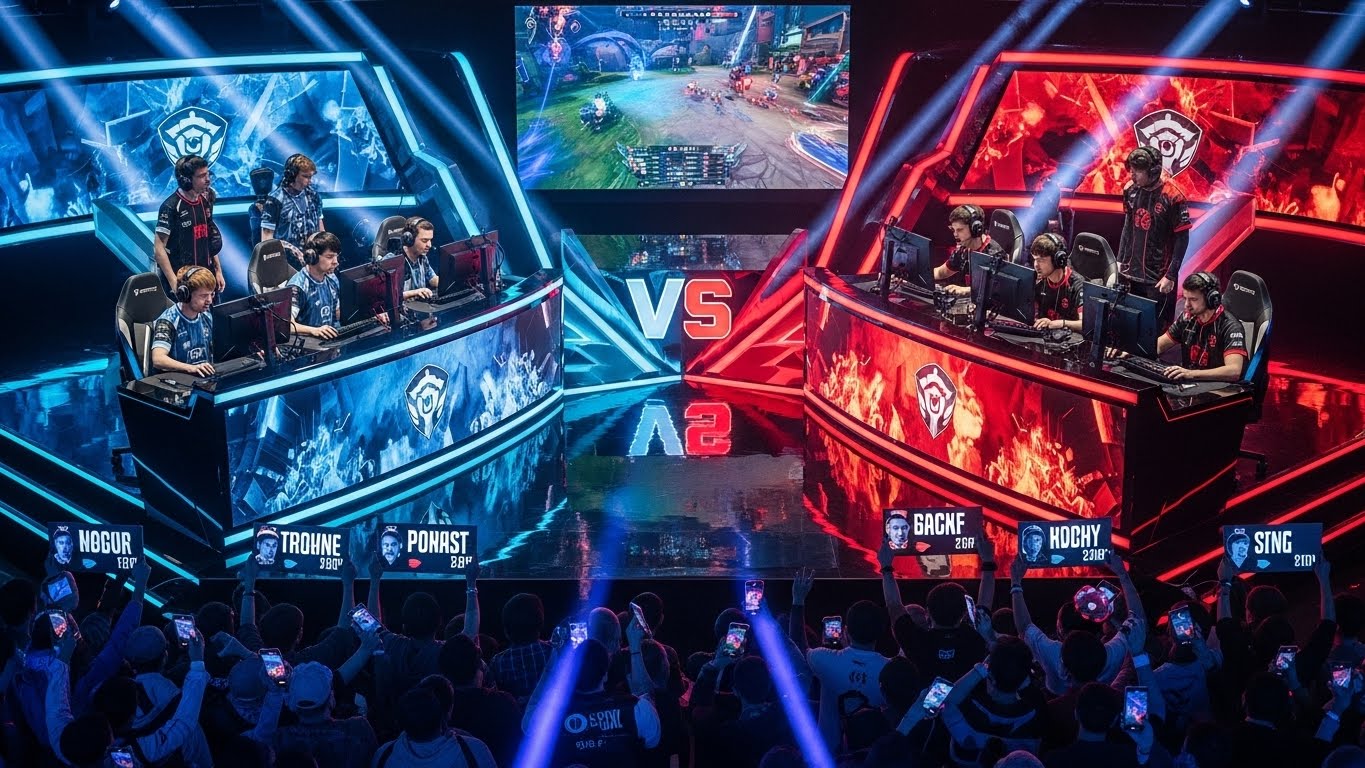
As streaming gained popularity, so did the esports events themselves. Major tournaments like The International for Dota 2, League of Legends World Championship, and the Overwatch League attracted massive viewership, with millions of fans tuning in from around the world. These tournaments offered prize pools that often reached tens of millions of dollars, elevating the players to celebrity status and showcasing esports’ potential as a legitimate career path.
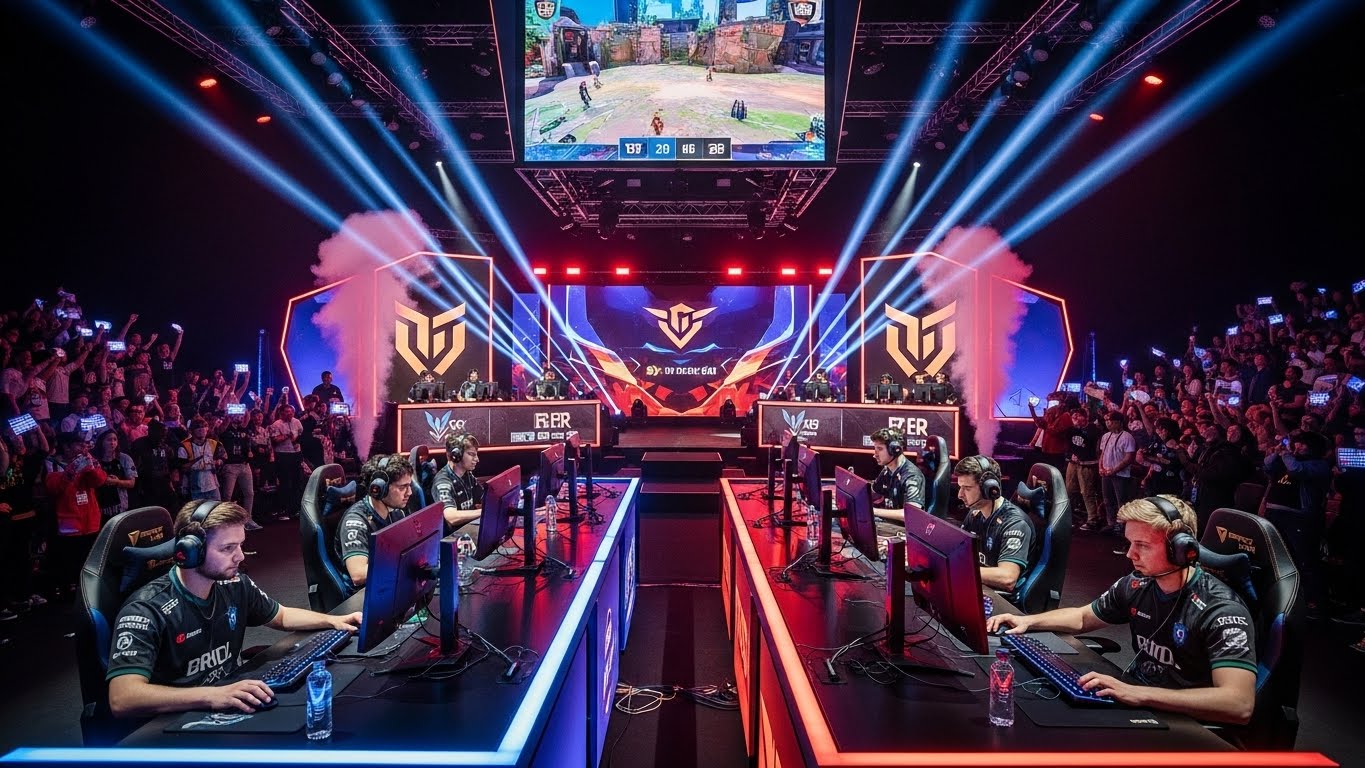
The 2010s also saw the advent of professional esports organizations and franchises. Teams like Cloud9, Team Liquid, and Fnatic were formed, and they began signing professional players and offering contracts that rivaled those in traditional sports. Additionally, the creation of dedicated esports arenas, such as the Blizzard Arena in Los Angeles, highlighted the growing importance of esports in the entertainment landscape.
Esports as a Mainstream Entertainment Industry
What once was a niche community of gamers has now become a fully-fledged entertainment industry. Esports organizations now operate like traditional sports teams, complete with sponsors, merchandise, and even media deals. Brands like Coca-Cola, Red Bull, and Nike have become heavily involved in the esports space, sponsoring players, teams, and events. The level of corporate investment has helped legitimize esports as a global entertainment industry, and it’s not just limited to the gaming world anymore.
Television networks, such as ESPN, have begun broadcasting esports tournaments, further blending the lines between traditional sports and esports. Major companies, including Intel, Dell, and Audi, have recognized the potential of esports, becoming key players in this expanding market.
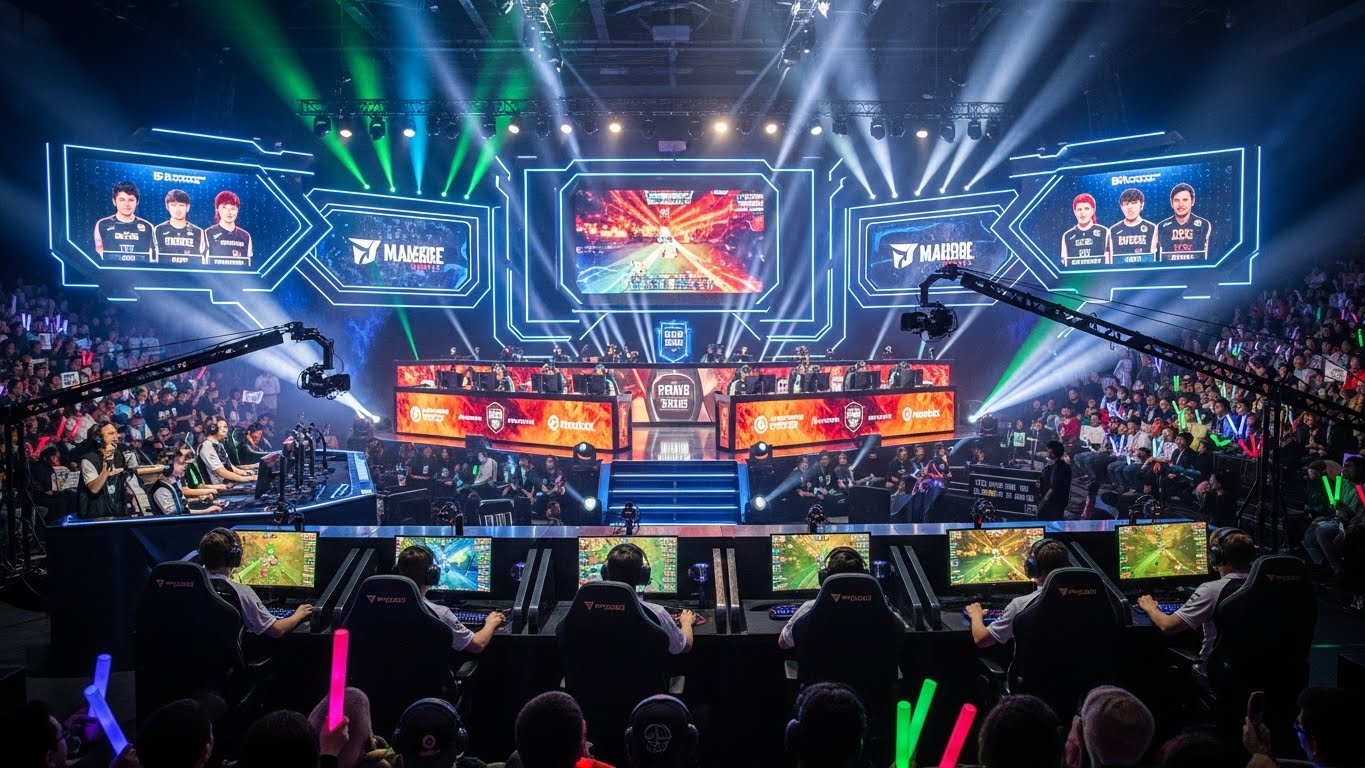
Esports’ mainstream success is also fueled by its massive, diverse audience. Fans of competitive gaming come from all walks of life and span all age groups. Streaming services like Twitch and YouTube have enabled fans to engage with players and teams in real-time, creating an entirely new form of entertainment consumption. Esports events are broadcast in multiple languages and are accessible to fans around the world, helping to unite global communities.
The Role of Social Media and Content Creation
Social media has played a pivotal role in the rise of esports, both in terms of fan engagement and content creation. Platforms like Twitter, Instagram, and TikTok have allowed esports athletes to cultivate personal brands, while providing fans with behind-the-scenes access to players’ lives. In fact, many of the top esports players are now social media influencers in their own right, leveraging their massive online followings to build sponsorship deals and partnerships.
Furthermore, the content creation aspect of esports has brought an entirely new layer to the competitive gaming experience. Many esports players stream their practice sessions and gameplay on platforms like Twitch, allowing fans to watch and interact with them in real-time. Some players even use YouTube to create tutorials, highlight reels, and vlogs, which can help build their fanbase even further. The interaction between fans and players creates a dynamic and immersive experience that traditional sports often struggle to replicate.
Esports also thrives on fan-driven content, with many fans creating their own highlight videos, memes, and commentary around their favorite teams or players. This grassroots support fuels the esports ecosystem, providing constant buzz and excitement for events and tournaments.
The Economics of Esports
One of the most compelling aspects of esports is its financial potential. The global esports market is expected to generate over $1 billion in revenue by 2025. Sponsorship deals, media rights, advertising, and merchandise sales are just a few of the ways that esports generates income.
Esports organizations are becoming increasingly profitable. Top-tier teams like Team Liquid, T1, and FaZe Clan have diversified their revenue streams, generating income through content creation, fan merchandise, brand partnerships, and even owning esports venues. This financial success has helped esports teams hire top-tier players, coaches, and analysts, and has elevated the overall quality of competitive gaming.
The growth of esports has also created new career paths. Professional players, analysts, coaches, broadcasters, event organizers, and content creators can now make a living in esports. As esports continues to grow, the demand for skilled professionals in areas like marketing, design, management, and data analytics will likely continue to rise.
The Global Appeal of Esports
One of the most remarkable aspects of esports is its global reach. Unlike traditional sports, which are often confined to particular regions, esports has found a global audience. A League of Legends championship can have viewers from South Korea, the United States, Brazil, and Europe, all watching the same event in real-time. The fact that esports can transcend borders and cultural barriers is a testament to the universal appeal of competitive gaming.
Esports tournaments are held all over the world, from North America to Asia, Europe, and even emerging markets in Africa and the Middle East. Countries like South Korea, China, and the United States are at the forefront of esports development, while other nations are investing heavily in the infrastructure needed to foster local esports ecosystems. This global appeal is one of the primary reasons why esports is often seen as a sport of the future.
The Future of Esports: What Lies Ahead?
As esports continues to grow and evolve, its future looks incredibly promising. There are several key trends and developments that are likely to shape the future of competitive gaming:
1. Increased Investment and Professionalization
As esports attracts more corporate sponsorships and investors, the level of professionalization will continue to rise. We can expect higher salaries for players, better infrastructure for teams, and even more mainstream media coverage.
2. Virtual Reality and Augmented Reality
With the rise of VR and AR technologies, esports could enter a new phase of development. These immersive technologies have the potential to create entirely new forms of competitive gaming, adding an extra layer of excitement and engagement for players and fans.
3. The Olympics and Esports
The prospect of esports being included in the Olympic Games has been a topic of debate for several years. Although esports has yet to be officially included, it’s not outside the realm of possibility. The Olympics’ embrace of esports could legitimize it even further and expose it to a global audience.
4. Mobile Gaming’s Impact
Mobile gaming is a rapidly growing segment of the gaming industry. Games like PUBG Mobile and Free Fire are seeing explosive growth in esports, particularly in regions like Southeast Asia and India. Mobile esports could become one of the dominant forms of competitive gaming in the coming years.
5. Increased Diversity and Inclusion
As esports matures, we can expect to see more efforts toward inclusivity, both in terms of gender and race. Women and underrepresented groups are increasingly participating in esports, and initiatives to promote diversity will likely become a larger part of the conversation moving forward.
Conclusion
Esports is no longer a passing trend; it’s a multi-billion-dollar industry with a bright future ahead. Its growth is driven by technology, social media, corporate sponsorships, and a passionate global fanbase. As esports continues to evolve, it will likely become even more integrated into mainstream culture, offering new opportunities for players, fans, and investors alike. Whether you’re a gamer or just someone looking to understand this rapidly growing phenomenon, one thing is clear: the world of esports is here to stay.