championplay05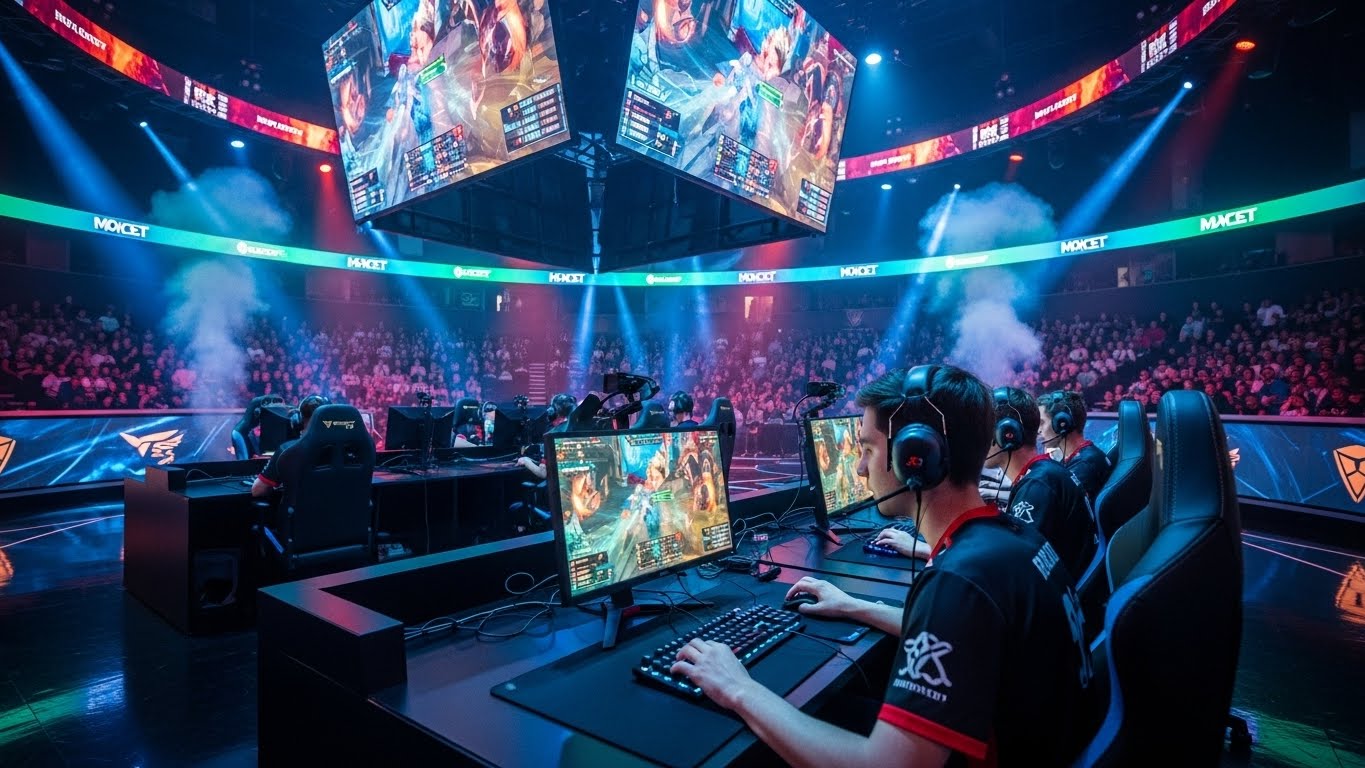
Introduction
Esports, or electronic sports, has emerged as one of the fastest-growing industries in the world of entertainment. What began as casual competitive gaming among friends has now transformed into a multi-billion-dollar phenomenon, attracting millions of viewers, professional players, and international tournaments. Unlike traditional sports, esports thrives in the digital realm, combining skill, strategy, teamwork, and technology in a unique competitive environment. This blog explores the rise of esports, its diverse ecosystem, cultural impact, and the promising future of this revolutionary form of entertainment.
The Origins of Esports
The roots of esports can be traced back to the late 1970s and 1980s, when arcade games and early video games introduced competitive elements. Gamers would challenge each other for high scores on titles like Space Invaders and Pac-Man. The first organized video game competitions began appearing in the 1980s, with tournaments hosted by gaming magazines and universities.
With the advent of the internet in the 1990s, online multiplayer games allowed players to compete across regions. Games such as Quake and StarCraft played a pivotal role in fostering competitive online communities. These early developments laid the foundation for modern esports, creating structures, communities, and competitive standards that continue to evolve today.
The Evolution of Esports into a Global Industry
Esports transitioned from niche gatherings to global spectacles in the 2000s and 2010s. Professional leagues, sponsorship deals, and large-scale tournaments began to emerge, signaling the industry’s potential for growth. Titles like League of Legends, Dota 2, and Counter-Strike gained worldwide popularity, creating dedicated fanbases and international competition.
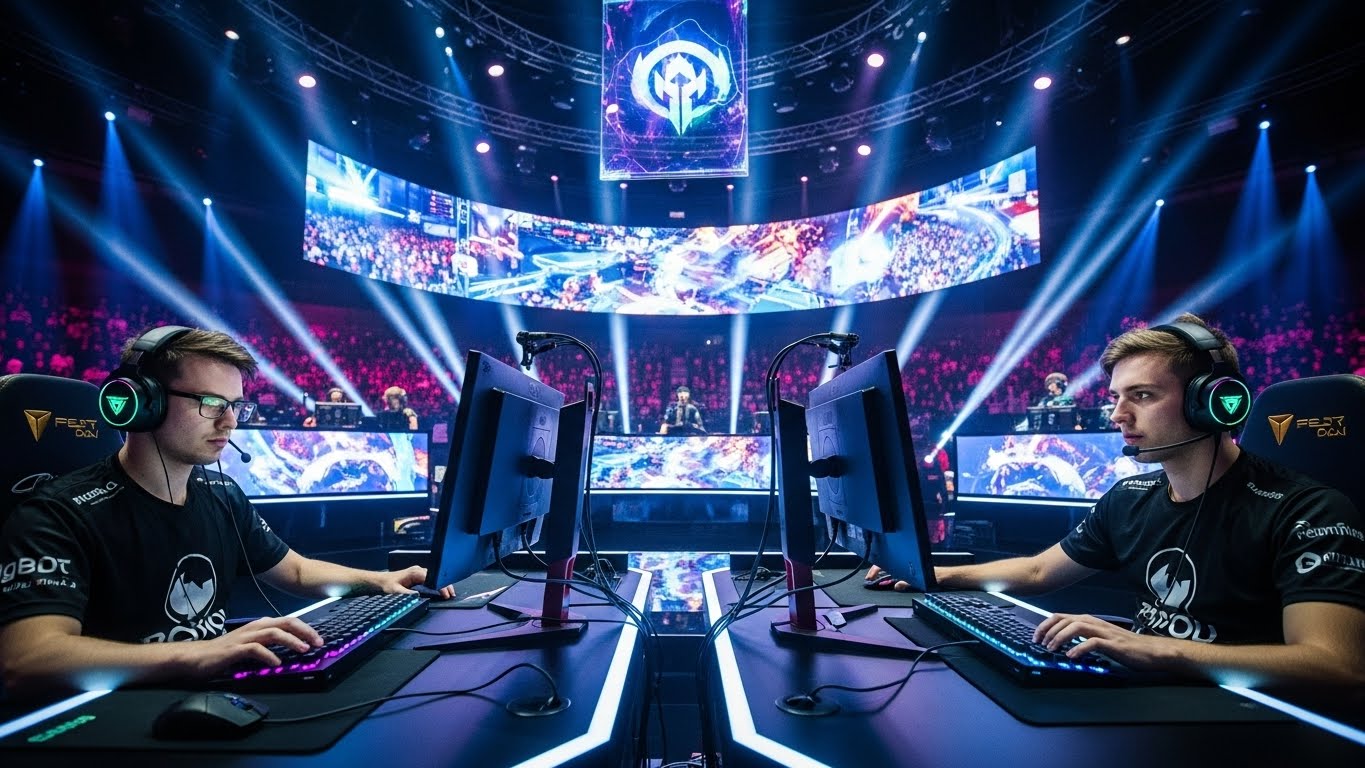
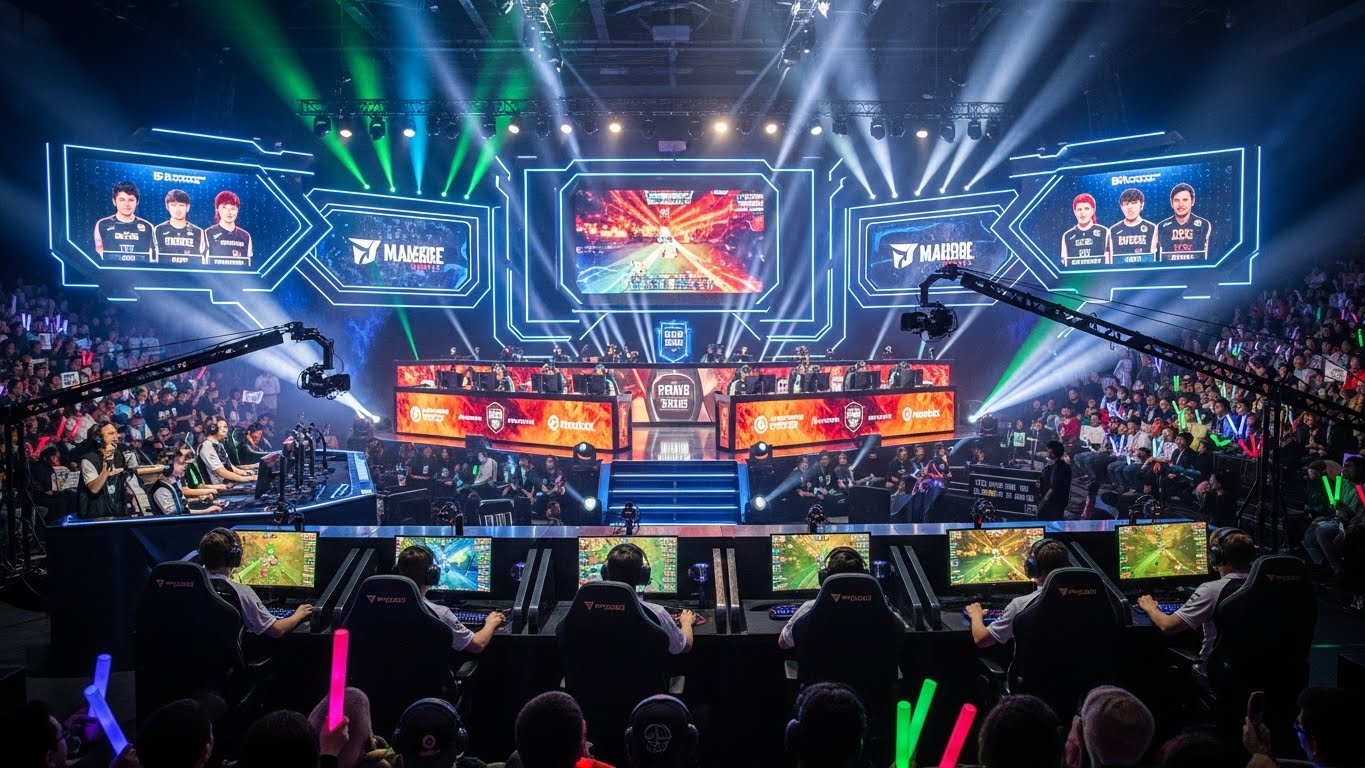
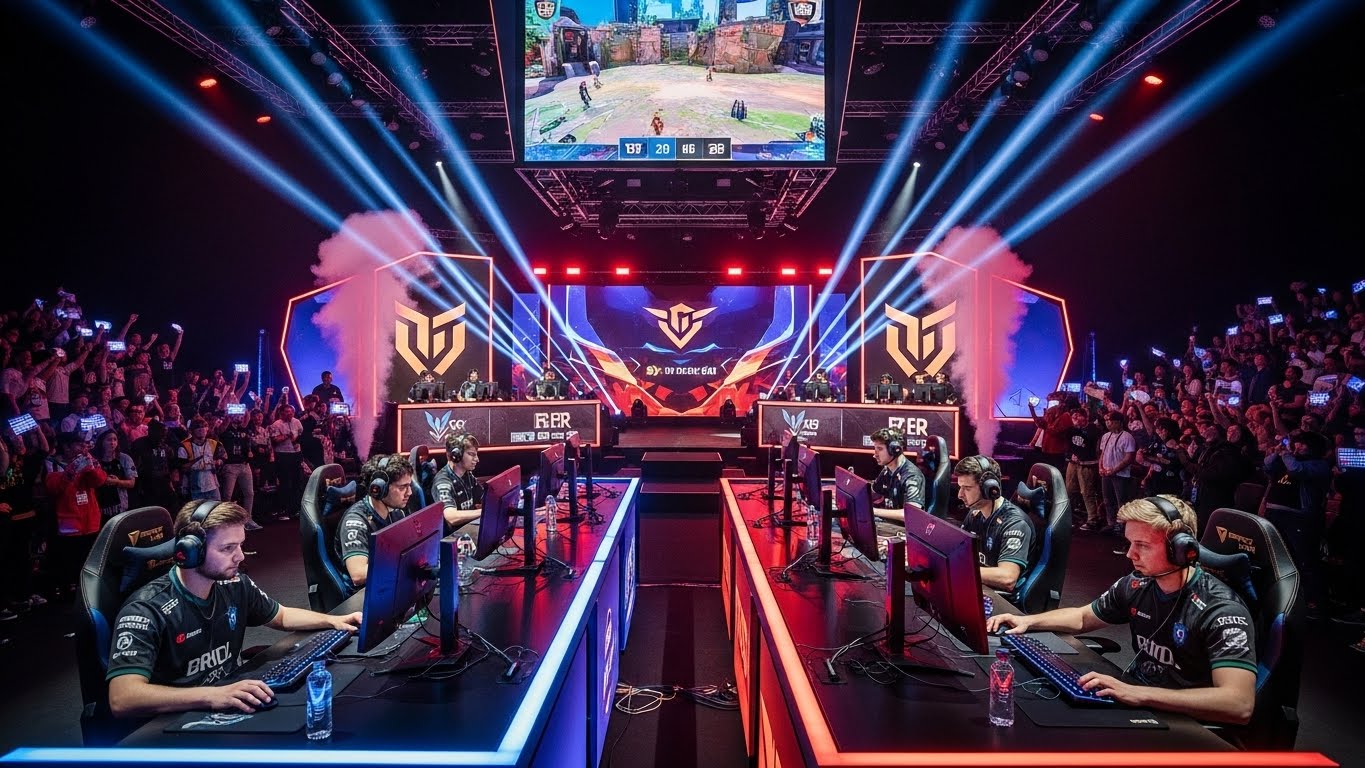
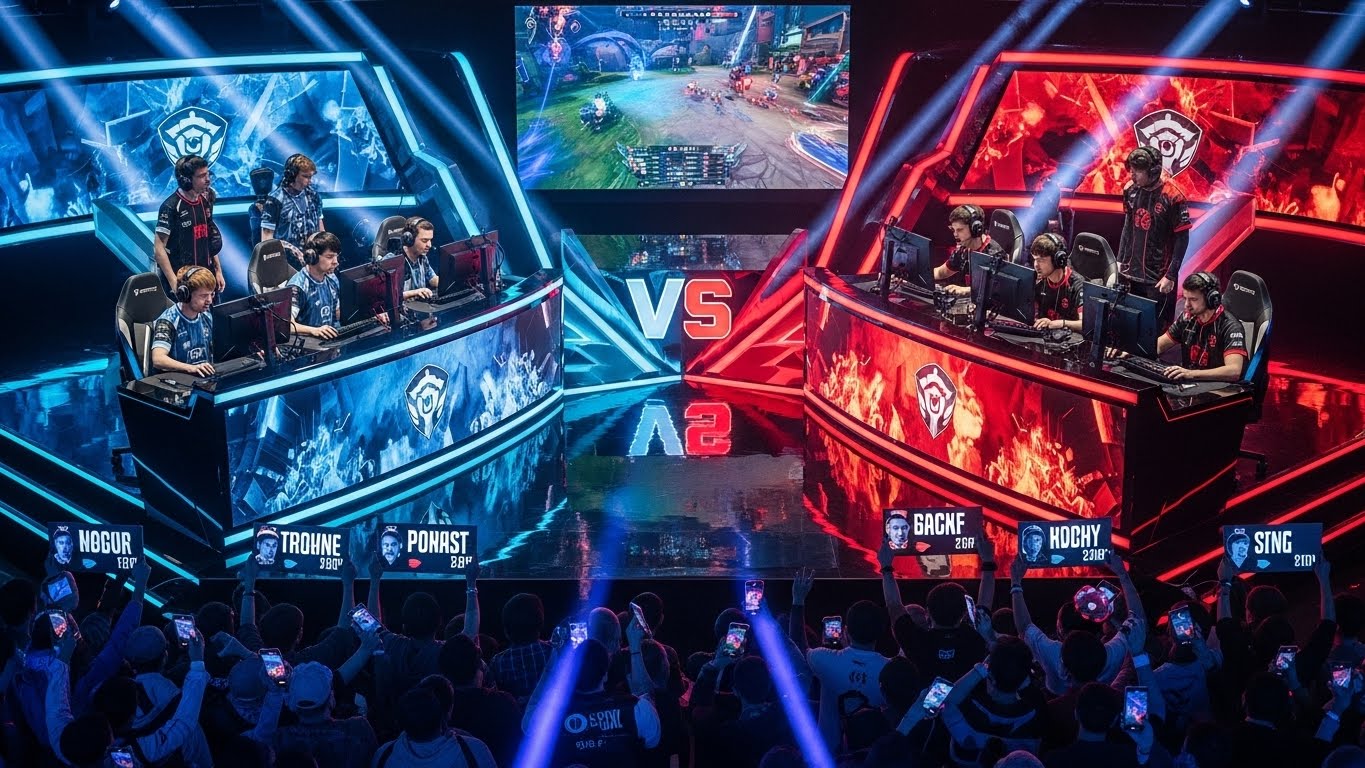
Streaming platforms revolutionized esports by making it possible for millions to watch matches in real time. This shift brought esports closer to mainstream entertainment, attracting advertisers, media companies, and investors. Today, esports tournaments fill arenas, attract global sponsorships, and generate millions of dollars in prize money, solidifying its place as a professional sport.
Popular Esports Game Genres
Esports encompasses a variety of game genres, each requiring distinct skills and strategies. These genres cater to diverse audiences, ensuring broad appeal across regions and demographics.
Multiplayer Online Battle Arena (MOBA)
MOBA games are some of the most prominent in esports. Teams compete in complex, strategic battles, each player controlling a unique character with specific abilities. Success relies on teamwork, communication, and tactical planning. Titles like League of Legends and Dota 2 exemplify the competitive depth of this genre.
First-Person Shooters (FPS)
FPS games focus on precision, reflexes, and tactical decision-making. Players must navigate complex maps, aim accurately, and coordinate with teammates to secure objectives. Popular competitive titles include Counter-Strike, Call of Duty, and Valorant.
Real-Time Strategy (RTS)
RTS games challenge players to manage resources, deploy units, and outthink opponents in real-time. These games demand multitasking, foresight, and strategic flexibility. StarCraft II is a classic example, renowned for its deep strategic gameplay.
Sports Simulations
Sports simulation games replicate real-world sports digitally. Players engage in football, basketball, or racing competitions, employing realistic strategies and techniques. FIFA and NBA 2K are examples where esports merges traditional sports with digital competition.
Fighting and Battle Royale Games
Fighting games emphasize individual skill, timing, and strategy, while battle royale titles combine survival tactics, exploration, and combat in large player arenas. Games like Street Fighter and Fortnite have popularized these formats in competitive settings.
The Life of a Professional Esports Player
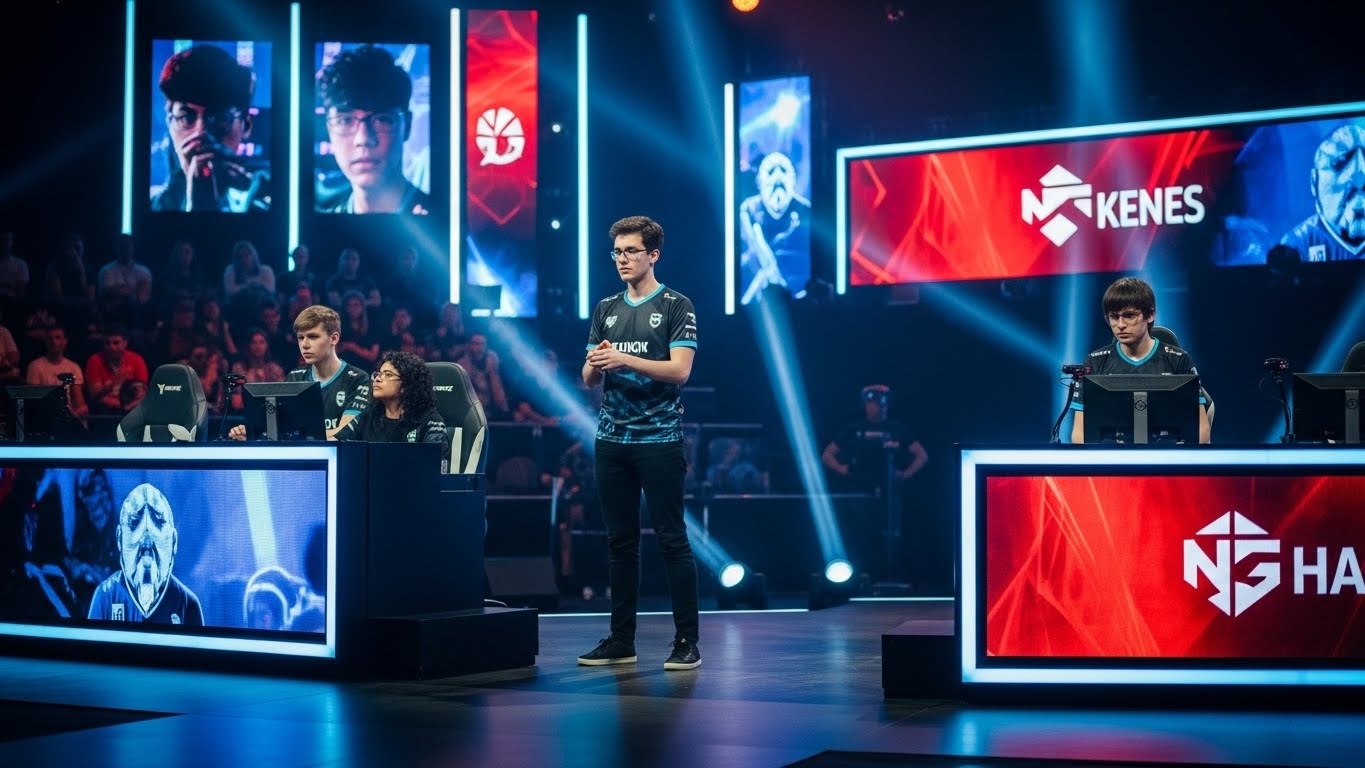
Becoming a professional esports player requires discipline, dedication, and extensive practice. Players often train for multiple hours daily, analyzing gameplay, refining strategies, and improving reflexes. Teams employ coaches, analysts, and support staff to optimize performance.
Professional esports players also navigate the pressures of public scrutiny, live audiences, and high-stakes tournaments. Success requires mental resilience, teamwork, and adaptability. While the lifestyle can be glamorous, with sponsorships and fan recognition, it demands consistent effort and commitment.
The Role of Esports Teams and Organizations
Esports teams and organizations are critical to the industry’s structure and growth. They manage players, organize training schedules, negotiate sponsorships, and facilitate participation in tournaments. Top teams become brands in themselves, cultivating fan communities, selling merchandise, and hosting fan events.
These organizations not only support competitive success but also contribute to the professionalization of esports. Their presence ensures stability, development of talent, and the creation of long-term opportunities for players and industry professionals.
The Global Impact of Esports
Esports is a truly global phenomenon. Major tournaments attract international audiences, and professional players often compete across continents. Countries such as South Korea, China, the United States, and several European nations have become hubs for esports activity.
Global exposure has also influenced cultural exchange, as players and fans interact online, sharing strategies, commentary, and experiences. Esports has become a platform for connecting people from diverse backgrounds, creating communities united by shared passion and competition.
Streaming, Content Creation, and Fan Engagement
Streaming and content creation are integral components of esports culture. Platforms allow players to broadcast matches, provide tutorials, and engage with fans directly. Streamers often develop strong personal brands, building audiences through personality, gameplay, and interaction.
Fan engagement extends beyond watching matches. Fans participate in discussions, fantasy leagues, and fan art communities, creating a participatory culture. Esports has evolved into an ecosystem where spectators, creators, and professional players all contribute to the industry’s growth.
Economic Significance of Esports
Esports generates significant economic activity. Revenue streams include tournament prize pools, sponsorship deals, merchandise sales, media rights, and advertising. Game developers benefit from sustained interest in competitive titles, driving in-game purchases and long-term engagement.
The industry also offers diverse career opportunities beyond competitive play, including coaching, content creation, broadcasting, event management, and marketing. The economic footprint of esports extends across technology, media, and entertainment sectors, illustrating its multifaceted value.
Social and Cultural Influence
Esports has reshaped perceptions of gaming and digital entertainment. It promotes teamwork, strategic thinking, and adaptability while offering an avenue for creative expression. Many players develop leadership skills, problem-solving abilities, and resilience, which translate into personal and professional growth.
Culturally, esports has fostered inclusivity, connecting diverse populations around shared interests. While challenges remain, such as ensuring fair representation and accessibility, esports continues to promote cross-cultural interaction and collaboration.
Challenges Facing Esports
Despite its rapid growth, esports faces challenges. Player burnout, mental health concerns, and excessive screen time are critical issues. Maintaining integrity and fairness in competitions, managing cheating, and regulating tournaments are ongoing concerns for the industry.
Additionally, the rapidly evolving landscape requires continuous adaptation from organizations, developers, and players alike. Establishing sustainable practices and ensuring the welfare of participants are essential for long-term success.
The Future of Esports
The future of esports is promising, with technology driving innovation and accessibility. Virtual reality competitions, enhanced live events, and global leagues will expand engagement and immersion. Educational institutions increasingly recognize esports, offering scholarships, training programs, and career pathways.
Esports is poised to become an even more mainstream form of entertainment. Its combination of competition, technology, and community ensures that it will continue to influence digital culture and redefine what it means to compete in the modern age.
Conclusion
Esports has evolved from casual gaming into a global competitive and cultural phenomenon. It combines skill, strategy, teamwork, and technology to create experiences that captivate millions of players and fans worldwide. The industry offers economic opportunities, fosters community, and inspires creativity, establishing itself as a key pillar of modern entertainment.
As esports continues to grow, its influence will expand across technology, media, and culture. It represents a new era of competition, engagement, and entertainment, proving that digital arenas can be just as exciting, meaningful, and impactful as traditional sports. The rise of esports is not only a testament to the power of gaming but also to the transformative potential of technology in connecting people, shaping communities, and redefining entertainment.