championplay05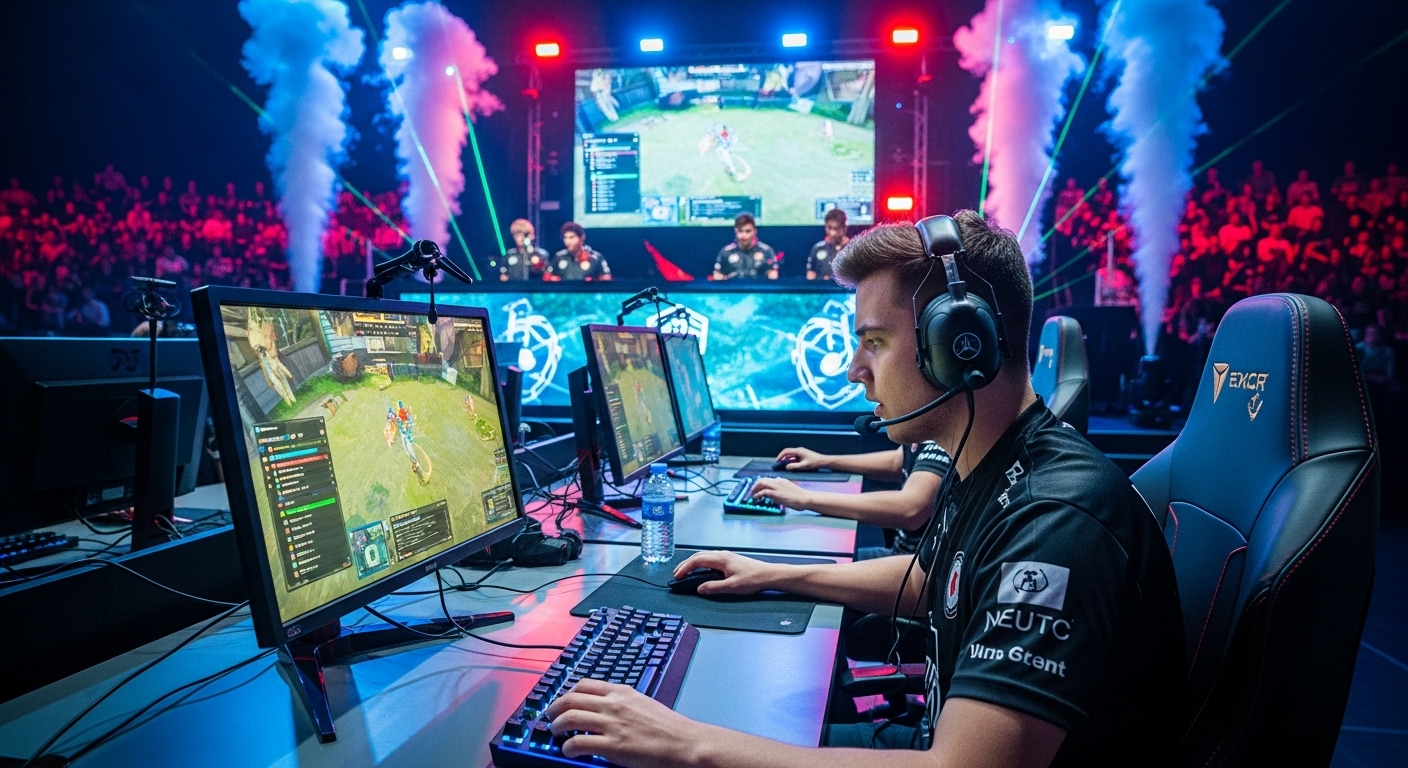
In recent years, the gaming industry has undergone a massive transformation. What began as a niche hobby has evolved into a multi-billion-dollar global industry. Esports, or competitive gaming, has become a dominant force within this evolution. From small local tournaments to massive international leagues, esports has captivated millions of fans around the world, and it continues to grow at an unprecedented rate. This post delves into the rise of esports, its impact on modern entertainment, and the exciting future of competitive gaming.
What Is Esports?
Esports refers to organized, multiplayer video game competitions, particularly between professional players, individually or as teams. Unlike casual gaming, esports involves serious competition, often with well-defined rules, dedicated leagues, and substantial prize money. Some of the most popular esports titles include League of Legends, Dota 2, Counter-Strike: Global Offensive, Fortnite, and Overwatch. These games are not only played in high-stakes tournaments but are also streamed online for millions of viewers, making esports a spectator sport in its own right.
While traditional sports like football, basketball, and soccer have long been the backbone of global entertainment, esports has carved out its own niche, bringing together millions of passionate fans who tune in to watch their favorite teams battle it out in virtual arenas.
The Evolution of Esports
Esports, as we know it today, didn’t materialize overnight. The roots of competitive gaming can be traced back to the early days of video games in the 1970s. The first-ever video game competition, the “Intergalactic Spacewar Olympics,” took place in 1972 at Stanford University. However, esports truly began to gain traction in the late 1990s and early 2000s with the rise of online multiplayer games like Quake and StarCraft.
During this time, internet cafes became hubs for local and regional tournaments. These events were small in scale but laid the foundation for what would later become a global phenomenon. As the internet became more accessible, multiplayer games allowed people from around the world to compete against one another, giving birth to a new era of gaming competition.
In the mid-2000s, the introduction of online streaming platforms like Twitch played a pivotal role in the expansion of esports. Suddenly, anyone with an internet connection could watch live competitions from the comfort of their home. This increased accessibility for both players and viewers, pushing esports into the mainstream.
By the early 2010s, the esports scene had reached new heights, with large-scale events held in arenas, offering prize pools that rivaled those of traditional sports. Today, esports is a billion-dollar industry, with major events being broadcast on global television networks, streamed online, and supported by corporate sponsorships.
The Growth of Esports: A Multi-Billion Dollar Industry
Esports has exploded in popularity over the last decade, becoming one of the fastest-growing sectors in the entertainment industry. The global esports industry is expected to reach over $1 billion in revenue in the coming years, driven by a combination of sponsorships, media rights, merchandising, and ticket sales.
The role of sponsorships cannot be overstated. Major brands like Coca-Cola, Intel, Mercedes-Benz, and Nike are now sponsoring esports events, teams, and players. These brands see the potential of esports to reach younger, tech-savvy audiences who are difficult to target through traditional marketing channels. Sponsorship deals help fund prize pools, team salaries, and the production costs of major tournaments.
The rise of digital media platforms has also played a significant role in the financial growth of esports. Platforms like Twitch, YouTube Gaming, and Facebook Gaming offer live streaming services for gamers and esports events, while also providing a means for content creators to monetize their channels through ads, donations, and subscriptions.
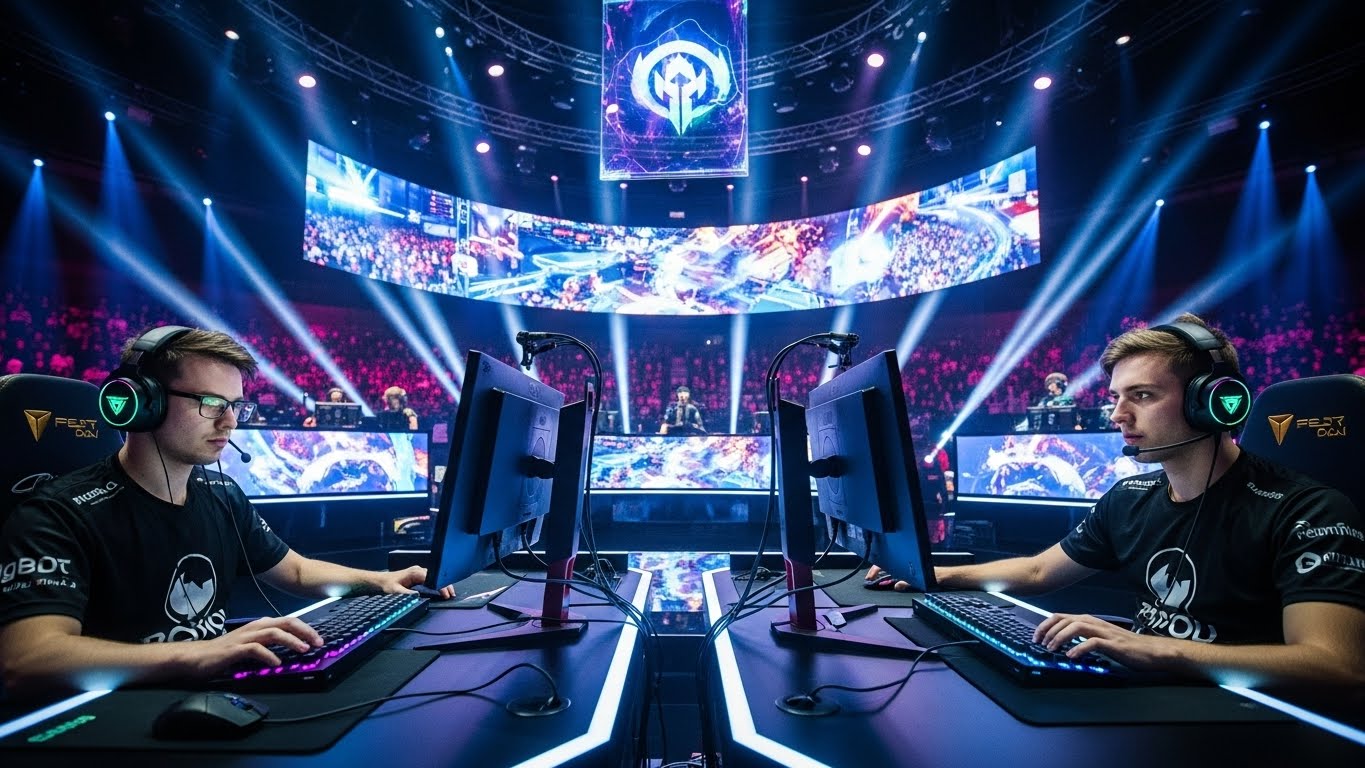
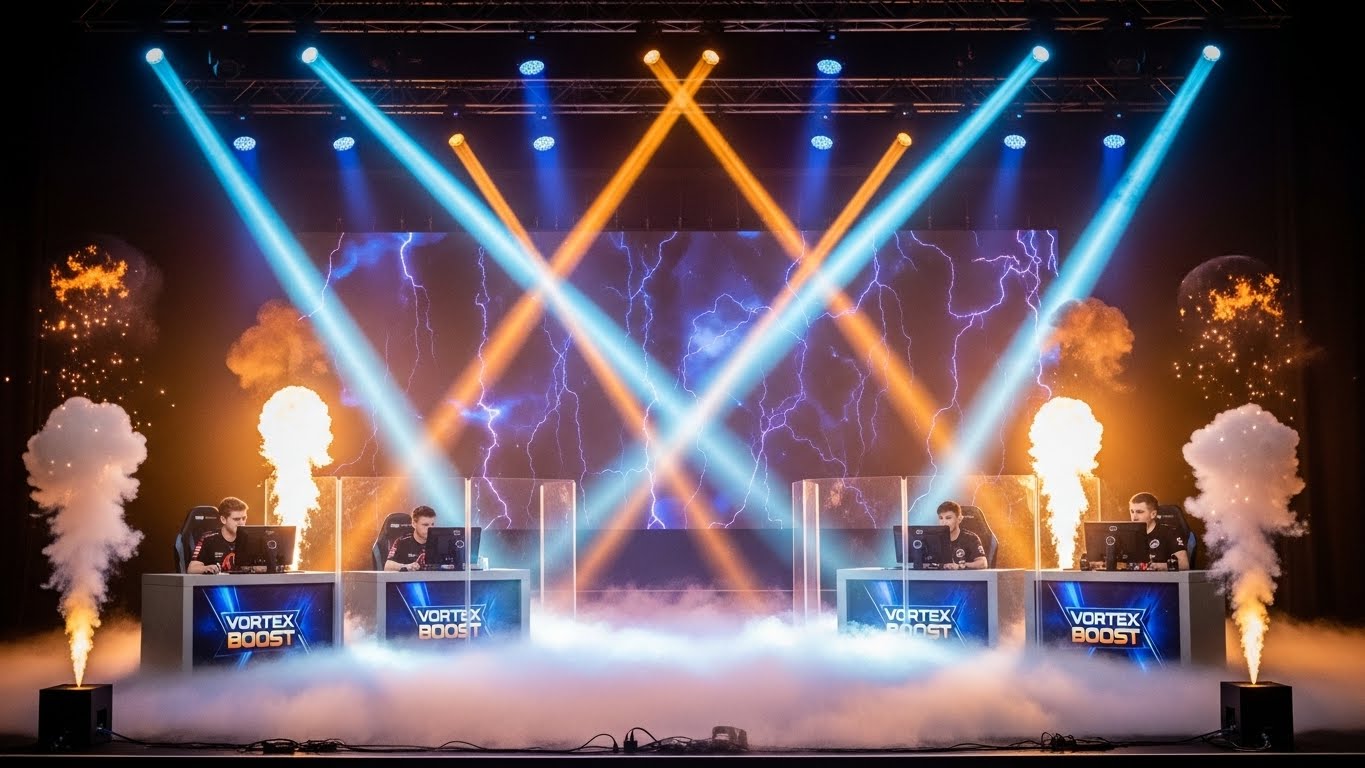
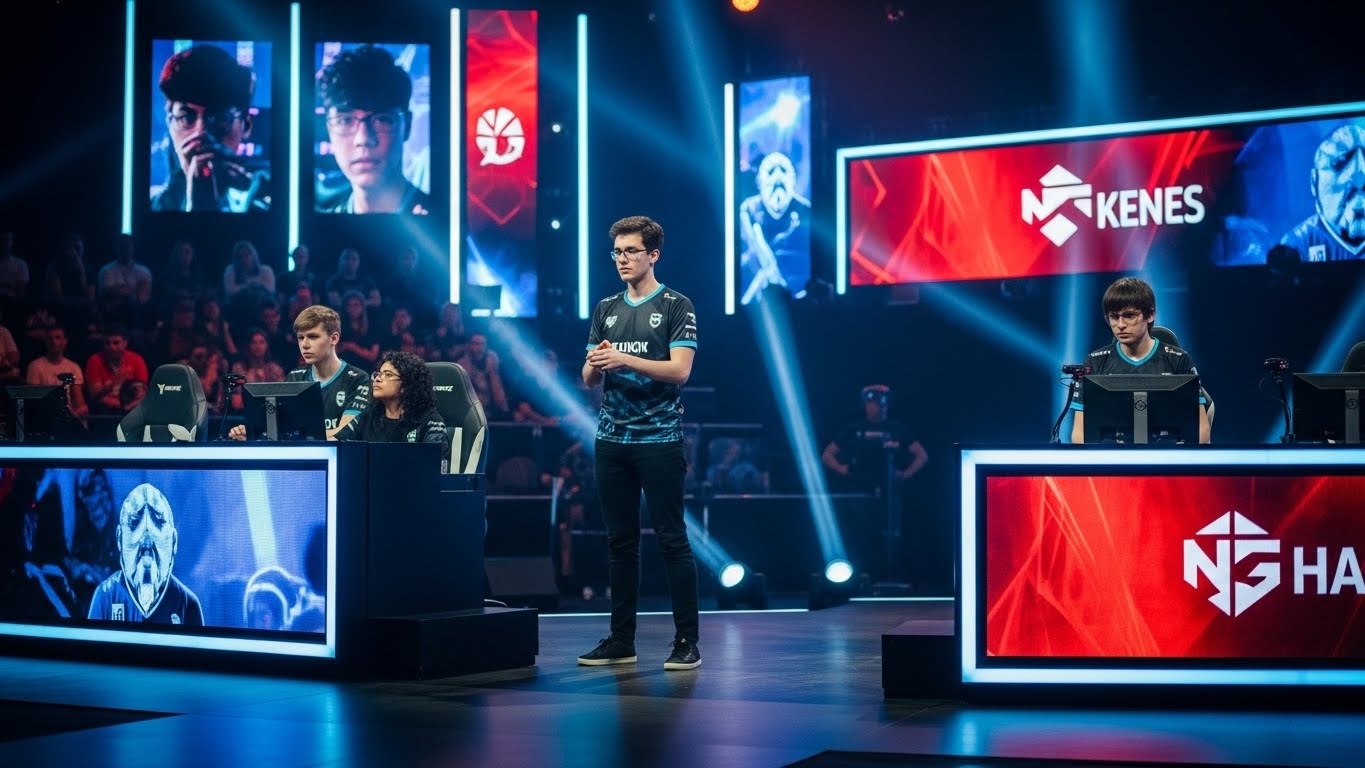
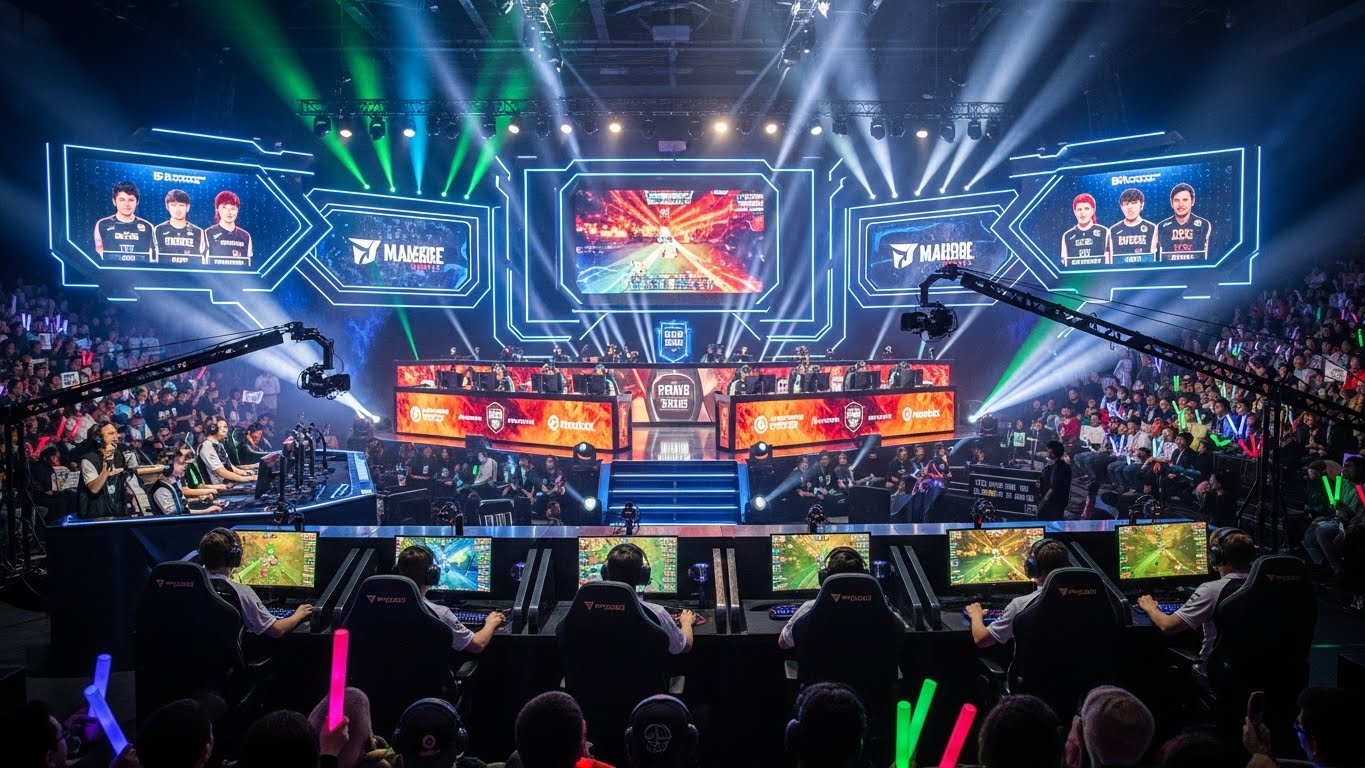
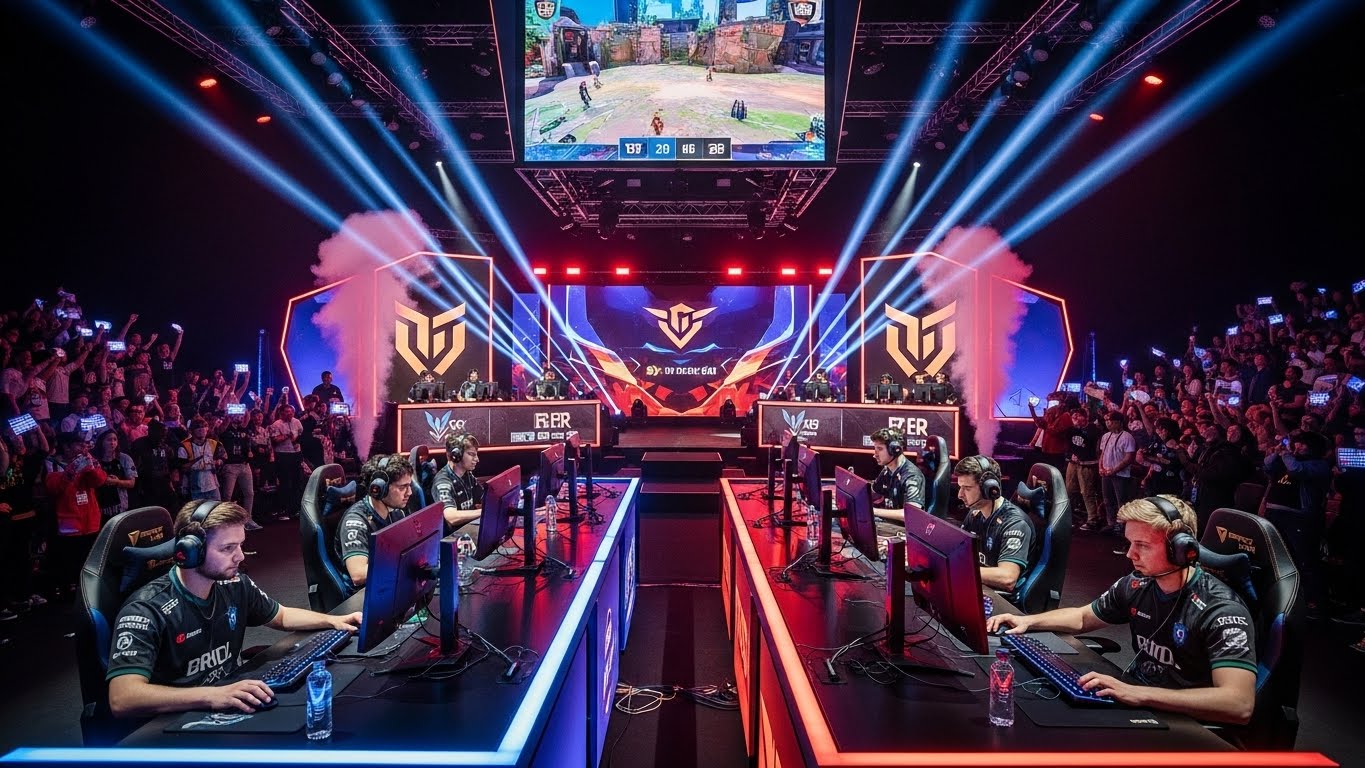
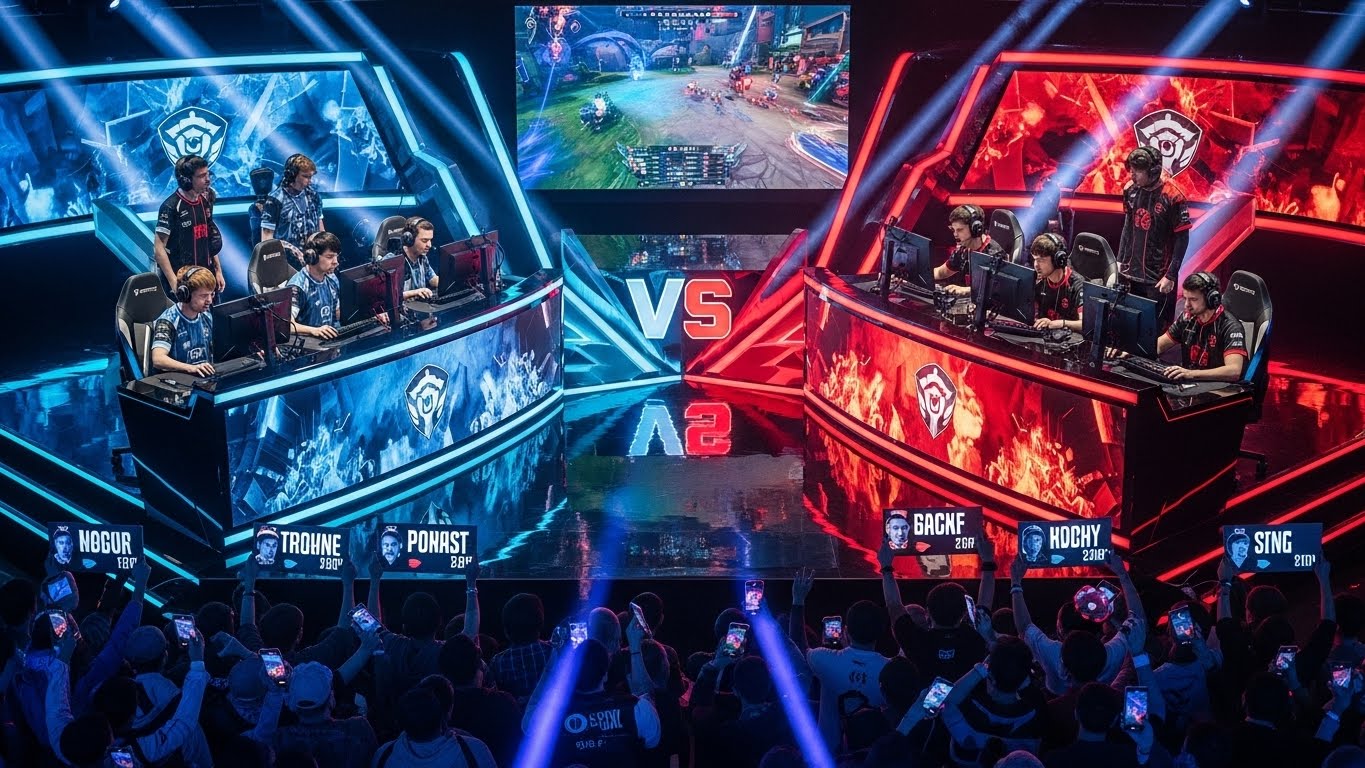
Moreover, esports is no longer just a digital spectacle—it’s becoming an event in its own right. Esports tournaments are held in sold-out stadiums, and the audience experience is akin to watching a traditional sports match. From in-game projections to live commentary, esports has built a unique form of entertainment that appeals to both hardcore gamers and casual fans alike.
Esports and Its Impact on the Gaming Community
One of the most significant aspects of esports is its ability to bring people together. Whether it’s watching a match in a stadium, cheering for a favorite team online, or participating in a local tournament, esports fosters a sense of community. Fans from all over the world can connect over their shared love of a particular game, forming online communities that span continents and languages.
For many professional players, esports offers a career path that didn’t exist just a decade ago. Esports athletes train rigorously, often practicing for up to 10 hours a day. They refine their skills, learn game mechanics, and work with coaches to improve their strategies. Like traditional athletes, esports players need to maintain peak mental and physical health to perform at their best.
The professionalization of esports has opened the door for more people to pursue gaming as a legitimate career. Universities now offer esports scholarships, and many players are signed by professional esports organizations, which provide salaries, sponsorships, and benefits. The rise of esports as a career choice has also led to the creation of other related industries, including coaching, streaming, and event production.
Additionally, esports has contributed to the normalization of gaming as a legitimate form of entertainment. Once seen as a solitary activity for introverts, gaming has now become a social and competitive endeavor enjoyed by millions. Esports has helped break down stereotypes, demonstrating that video games are not just for “gamers” but can be an exciting and inclusive activity for people of all backgrounds.
The Cultural Shift: Esports as Mainstream Entertainment
The cultural shift that esports has brought about is undeniable. What was once considered a hobby or niche interest is now being embraced by mainstream culture. Esports has made its way into popular media, with major streaming platforms like Twitch and YouTube providing fans with easy access to live events and gaming content. Esports tournaments are broadcast on traditional TV networks like ESPN, and the genre is regularly covered by major sports media outlets.
In fact, the appeal of esports is not limited to hardcore gamers. Younger generations, in particular, are drawn to the fast-paced action and intense competition of esports, much like traditional sports fans enjoy watching football or basketball. Esports events are often hosted in massive arenas, with live audiences numbering in the tens of thousands, while millions more watch the broadcasts online.
The inclusion of esports in global events, such as the Asian Games, further validates its place in the world of sports. It has even sparked discussions about the potential inclusion of esports in the Olympic Games, although that remains a topic of debate. Regardless, esports has already proven its ability to transcend traditional entertainment boundaries and become a significant cultural force.
The Future of Esports
The future of esports looks incredibly bright. With the growing number of professional leagues, sponsorship deals, and global events, esports is well on its way to becoming a mainstream form of entertainment alongside traditional sports. However, as with any industry, there are challenges to overcome.
One challenge is the sustainability of player health. Esports athletes often face long hours of training and competition, which can lead to burnout and physical strain. The industry must continue to evolve and prioritize player welfare to ensure its longevity.
Another potential hurdle is the issue of regulation. While esports has grown rapidly, its ecosystem is still largely unregulated, and there are concerns over match-fixing, cheating, and fair play. As the industry matures, stronger governance will be needed to ensure that competitions remain fair and transparent.
That said, the technology driving esports will continue to evolve, bringing with it new opportunities for innovation. Augmented and virtual reality, for example, could transform how games are played and watched, offering a more immersive and interactive experience for both players and spectators.
Esports is also expanding beyond the traditional competitive games we see today. Mobile esports, for example, is rapidly growing, particularly in regions like Asia, where smartphones are the primary platform for gaming. Games like PUBG Mobile and Mobile Legends have developed massive fan bases, and tournaments for these games are attracting millions of viewers.
Conclusion: Esports’ Unstoppable Rise
Esports is no longer just a trend—it’s a cultural and economic force that is reshaping the world of entertainment. From its humble beginnings to its current status as a global industry, esports has proven that it’s here to stay. The passion, dedication, and skill of professional players, combined with the excitement and energy of live events, have made esports one of the most compelling forms of entertainment in the modern world.
As esports continues to grow and evolve, it will undoubtedly play a major role in shaping the future of gaming and competitive sports. Whether you’re a hardcore gamer, a casual viewer, or a brand looking to tap into a new audience, one thing is certain: esports is the future, and its influence will continue to expand in ways we can’t yet fully imagine.