championplay05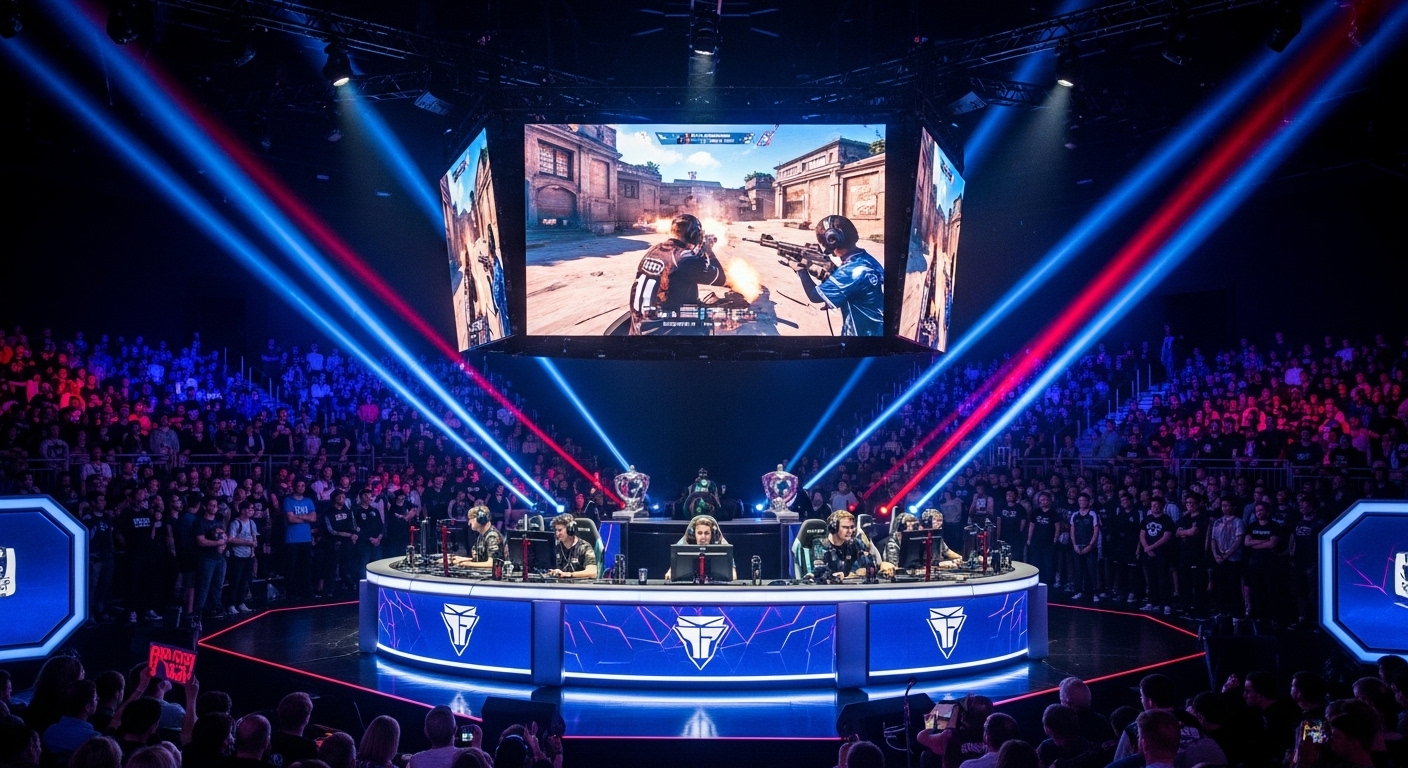
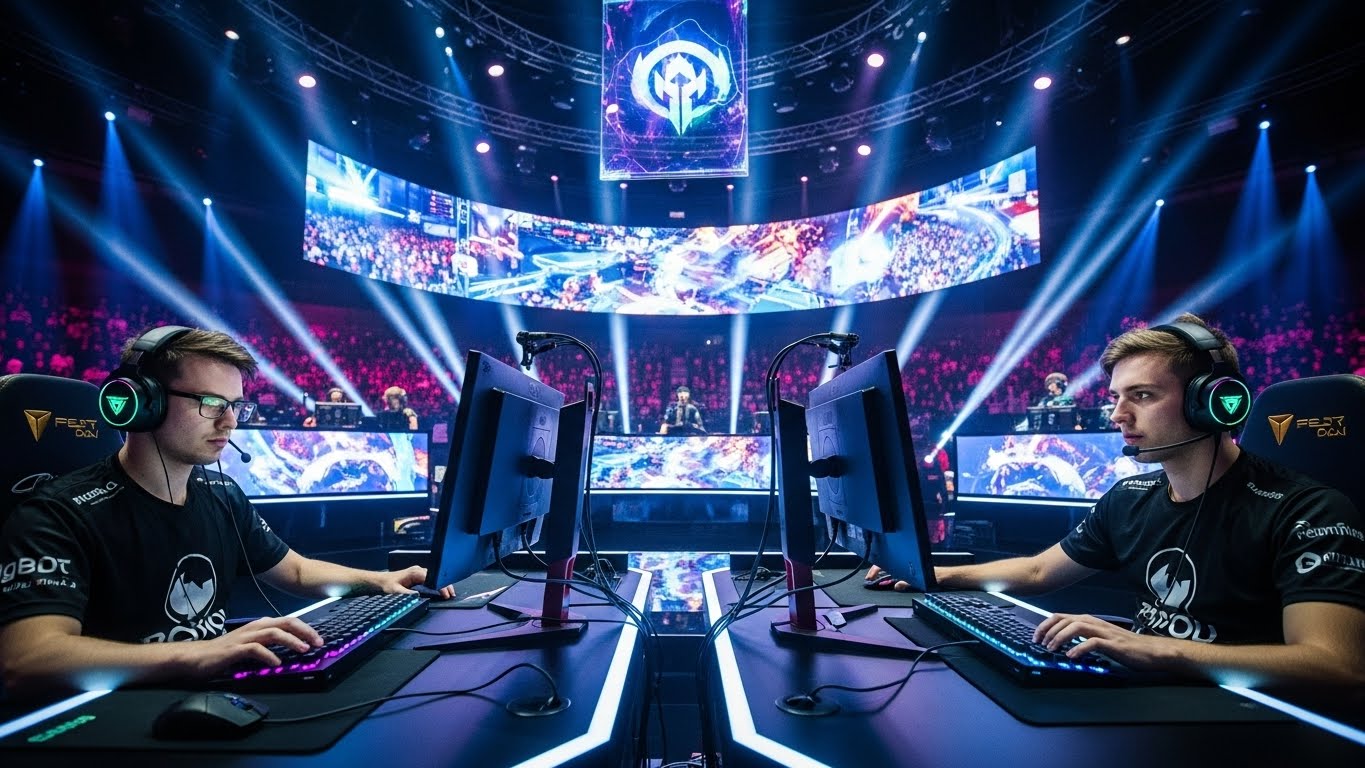
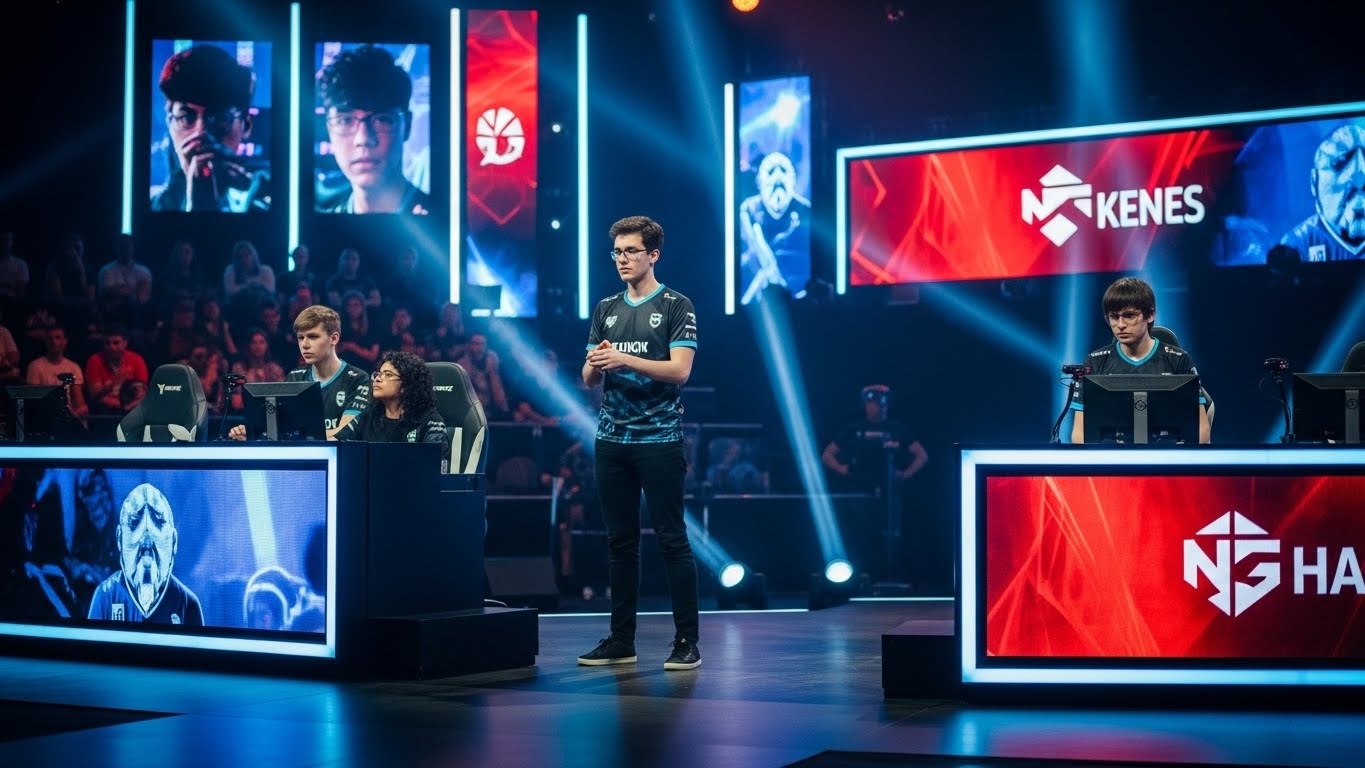
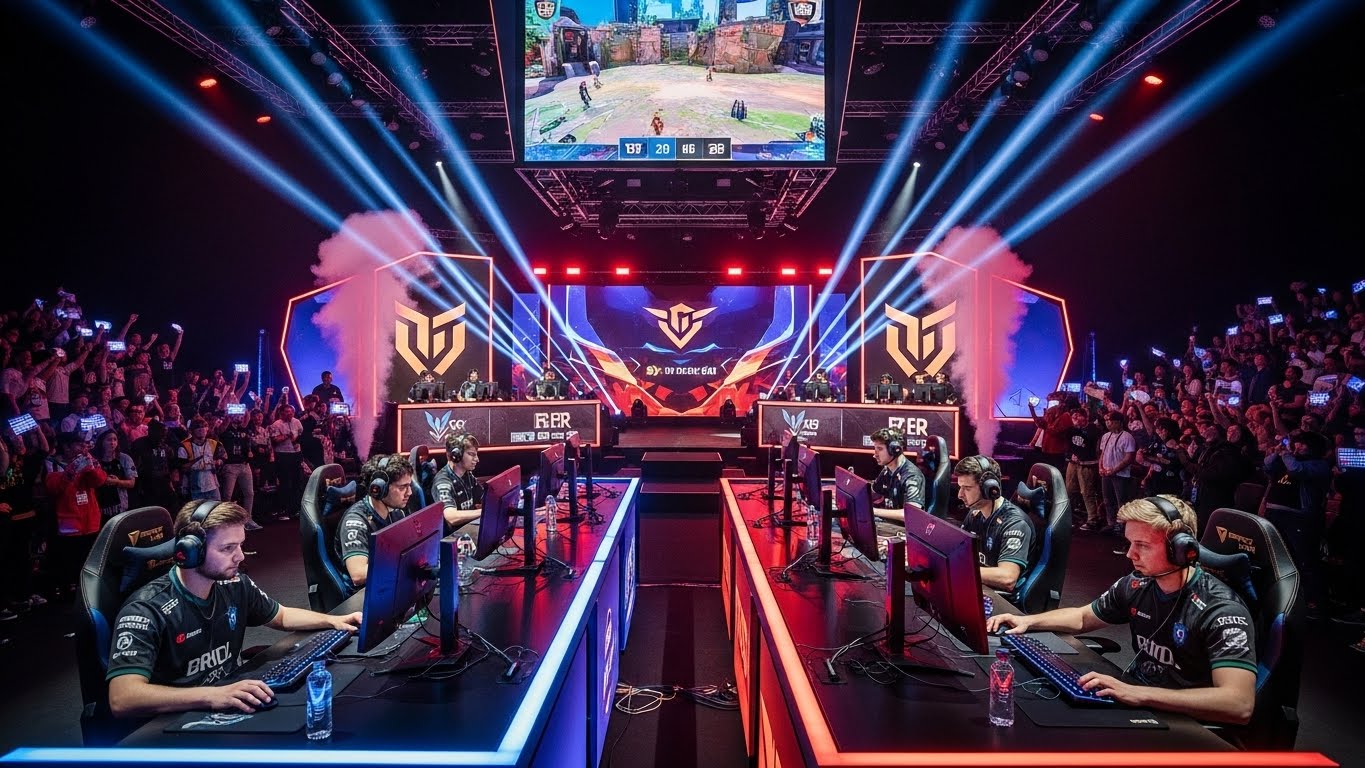
Esports, short for electronic sports, is one of the fastest-growing entertainment sectors in the world today. What once started as a niche hobby for a small group of dedicated gamers has transformed into a global industry worth billions of dollars. The evolution of esports has been marked by technological advancements, shifting cultural perceptions, and the increasing legitimacy of video games as a competitive pursuit. This blog delves into the history of esports, its rise to prominence, the players, the games, and the industry that has supported it.
The Origins of Esports: A Humble Beginning
Esports began in the early 1990s, when video game competitions started to be held in an organized manner. The first known instance of a video game tournament was the 1990 Nintendo World Championship in the United States. The event showcased some of the top players of games like Super Mario Bros and Tetris, and it drew a crowd that showed potential for competitive gaming. However, it was still seen as more of a novelty event than a serious competition.
During the late 1990s, the internet began to connect people in ways that had previously been impossible, and competitive gaming started to migrate online. One of the first major titles to promote online multiplayer gaming was Quake, a first-person shooter by id Software. It was in 1997 that the Red Annihilation Tournament for Quake took place, and the winner, John Romero, received a Ferrari as a prize. This event is often considered one of the first true esports tournaments.
The Growth of Esports in the Early 2000s
As the new millennium unfolded, so did the growth of online multiplayer games and the culture surrounding them. A pivotal moment came in 2001, when the professional gaming team SK Gaming was founded in Germany. This team would go on to dominate the European esports scene, particularly in games like Counter-Strike, a game that would become a staple of esports tournaments for years to come.
The early 2000s also saw the rise of some of the major games that would shape the esports landscape. Titles like StarCraft, Warcraft III, and Counter-Strike became hugely popular in competitive gaming circles. StarCraft especially had a massive following in South Korea, where professional leagues were formed, marking the first major shift in esports from a hobby to a full-fledged industry.
In 2002, the World Cyber Games (WCG) was launched, providing a global platform for gamers to compete. It quickly became known as the “Olympics of Esports” and helped set the stage for future competitions. The WCG’s success illustrated that competitive gaming had international appeal, and the concept of esports as a legitimate competitive arena was solidified.
The Impact of Streaming and Broadcasting
One of the most significant factors in the rise of esports has been the development of streaming platforms. In 2011, the launch of Twitch revolutionized the esports scene by allowing players to broadcast their gameplay live. Twitch quickly became the go-to platform for not only esports tournaments but also casual gaming streams. By 2014, Amazon had acquired Twitch for nearly $1 billion, underscoring the massive potential of gaming content in the digital age.
Streaming on platforms like Twitch helped elevate esports to new heights by giving players a way to connect with fans on a personal level. Fans could watch live competitions, interact with their favorite players through chat, and build a community around specific games or teams. This shift in how fans consumed content made esports more accessible, drawing in viewers who might never have considered watching video games competitively.
The Birth of Esports Leagues
With the growing popularity of esports and the development of streaming platforms, it wasn’t long before dedicated esports leagues began to form. These leagues offered structure to the competitive scene and provided players with consistent opportunities to compete at the highest level. One of the most notable leagues to emerge was the League of Legends Championship Series (LCS), which began in 2013. League of Legends (LoL), a multiplayer online battle arena (MOBA) game developed by Riot Games, quickly became one of the most popular esports titles in the world.
The LCS offered players a clear pathway to becoming professionals, and it provided a stable environment where they could hone their skills and compete for significant prize money. Similar leagues began to emerge for other titles like Dota 2, Overwatch, and Counter-Strike: Global Offensive (CS:GO). These leagues gave rise to iconic teams and players who became household names among esports fans.
Another important milestone was the formation of the Overwatch League in 2018, which took a more traditional sports approach. Teams were based in cities, and players were signed to contracts much like athletes in professional sports. The Overwatch League’s model was a game-changer, demonstrating that esports could be as professionally managed as other traditional sports leagues.
The Mainstream Breakthrough: Sponsorships, Broadcasting Deals, and Media Recognition
By the mid-2010s, esports had firmly established itself as a legitimate industry. Sponsorship deals from major companies like Intel, Coca-Cola, and Red Bull helped fund tournaments and teams. Broadcasting deals with platforms like ESPN, TBS, and ABC brought esports to a broader audience, with esports competitions airing on cable television.
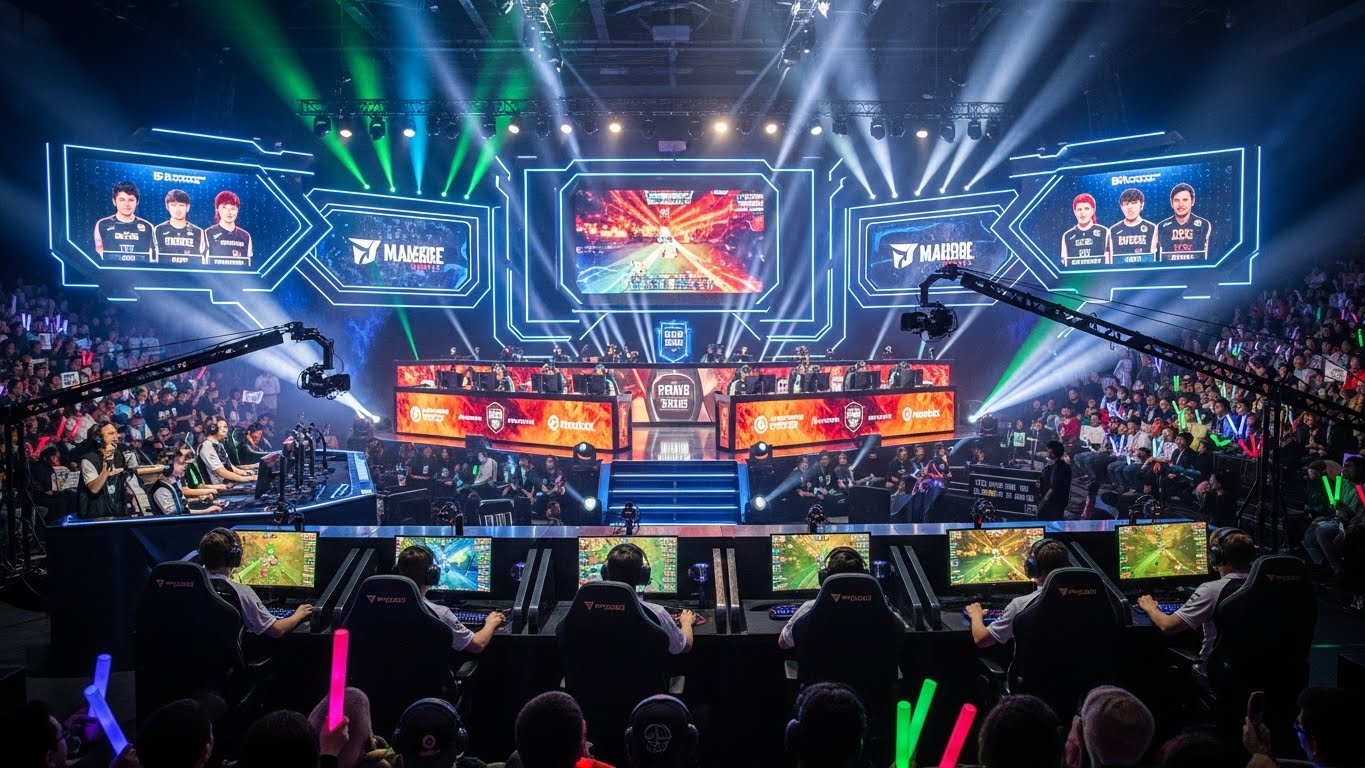
The popularity of esports reached its peak during the League of Legends World Championship in 2019, where over 100 million people watched the event live. This marked a significant milestone in the growth of esports, as it demonstrated the massive potential of esports to attract viewers on a global scale.
At this point, esports was no longer just a niche hobby—it was a billion-dollar industry, and it was firmly integrated into the global sports entertainment landscape. The influx of money, corporate sponsorships, and high-profile broadcasting deals helped legitimize esports as a mainstream phenomenon.
The Evolution of Esports as a Career Path
One of the most significant aspects of the esports boom has been the emergence of professional careers for players. In the early days of esports, many participants were amateurs who played for fun and occasionally received small prizes for their victories. Today, however, esports players can earn a substantial income from competing in tournaments, sponsorships, and streaming.
Top-tier esports players can earn millions of dollars annually. The International Dota 2 Championship, for example, has consistently offered prize pools in the tens of millions, with the winning team taking home a significant share. Salaries for professional esports players also vary, with the highest-paid players earning substantial wages from their teams.
Moreover, esports has created career opportunities in many other fields as well. Analysts, coaches, content creators, broadcasters, and event organizers all play crucial roles in supporting the esports ecosystem. As the industry continues to grow, more career paths are opening up for those passionate about gaming but not necessarily interested in professional competition.
The Challenges Facing Esports
Despite the immense growth of esports, it is not without its challenges. One of the biggest issues is the physical and mental strain that competitive gaming can place on players. Esports players, particularly in fast-paced games like League of Legends and Fortnite, often have to spend hours practicing every day. The intense pressure to perform can lead to burnout, and many professional players experience short careers due to the physical toll gaming can take on their bodies and minds.
Another challenge is the issue of cheating and match-fixing. As esports has grown, so too has the incentive for players and teams to resort to unethical practices to secure a win. Tournament organizers and governing bodies have had to implement stricter rules and security measures to ensure fair competition. However, the rise of cheating in esports remains a continual concern.
The Future of Esports
As esports continues to evolve, it is clear that the industry will only continue to grow. The increasing recognition of esports as a legitimate form of entertainment is driving further investments in both the competitive side of gaming and its infrastructure. Additionally, the integration of new technologies like virtual reality (VR) and augmented reality (AR) could offer new avenues for gaming experiences that blur the line between reality and digital worlds.
The continued expansion of esports into global markets, especially in regions like Asia, Europe, and Latin America, is also contributing to its growth. Additionally, the integration of esports into traditional sports events, such as the inclusion of esports in the Asian Games, signals that competitive gaming may one day become a part of the Olympic Games as well.
Conclusion
Esports has come a long way since its humble beginnings in the late 20th century. What was once a small niche has transformed into a multi-billion-dollar global industry. As technology continues to improve and esports becomes even more integrated into mainstream media and culture, the future looks bright for the gaming world. For players, fans, and professionals involved in the industry, esports is more than just a hobby or sport—it is a passion, a career, and a global community that continues to grow and evolve.
Esports is a testament to how digital culture has reshaped the entertainment industry, proving that video games are no longer just for fun but have become a serious form of competition, media, and commerce. Whether you are a player, fan, or spectator, the rise of esports represents the dawn of a new era in entertainment.