championplay05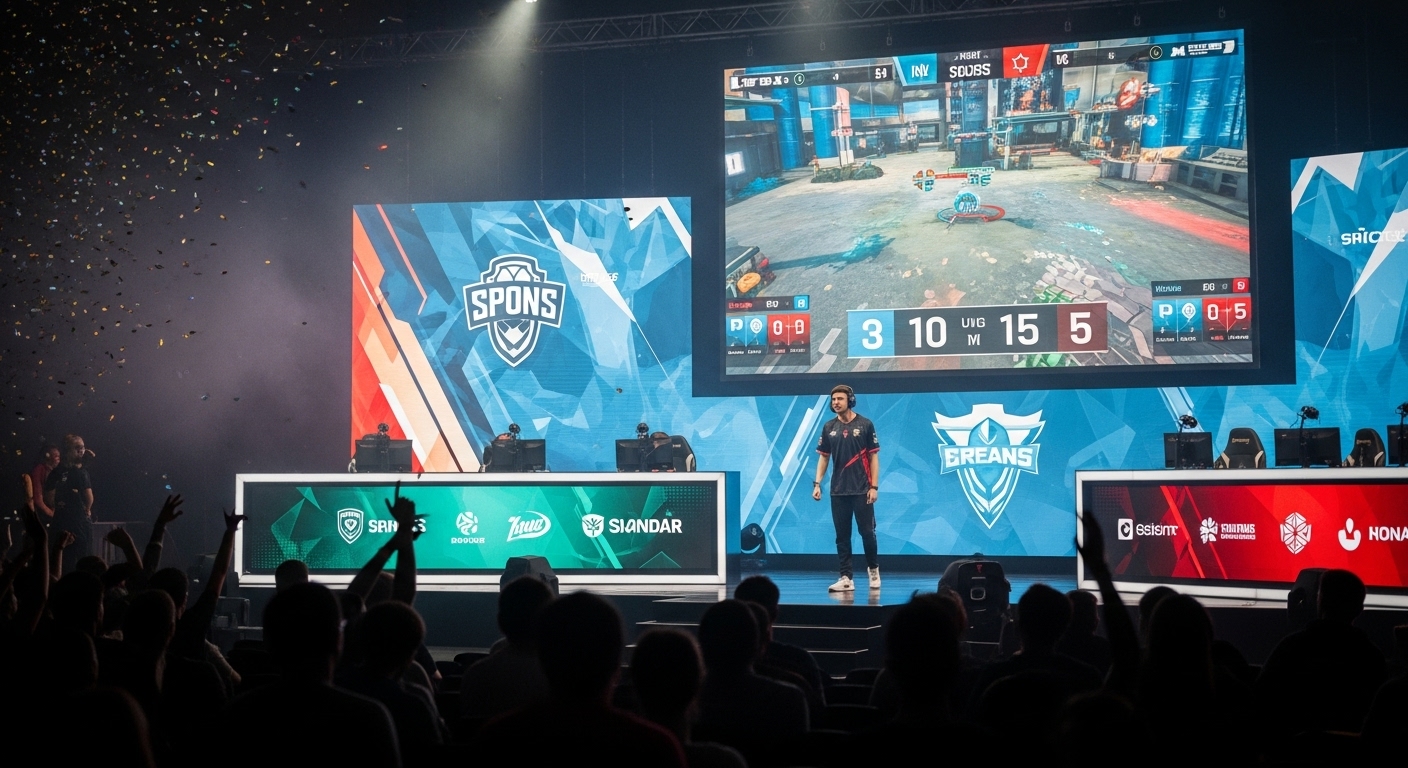
Introduction: The Universal Language of Sport
Across the globe, from dusty fields to grand arenas, one element unites people of every nation, culture, and language — sport. Whether it’s football in South America, cricket in Asia, basketball in the United States, or athletics in Africa, sports transcend barriers. They inspire, challenge, and reflect the human spirit in its purest form. At its core, sport isn’t just about winning; it’s about resilience, teamwork, passion, and the pursuit of excellence.
The beauty of sport lies in its simplicity. A child kicking a ball on a village street shares the same joy as a professional scoring in front of thousands. That emotional connection — the thrill of victory and the heartbreak of defeat — creates stories that stay with us forever.
The History and Evolution of Sport
Sport has been part of human civilization since ancient times. The Greeks celebrated physical excellence through the Olympic Games as early as 776 BC, honoring gods through feats of strength and speed. The Romans hosted gladiatorial contests, while ancient China developed martial arts for discipline and defense. Every culture had its version of competitive play.
As societies evolved, so did sports. What began as ritual or survival training became a structured system of recreation and competition. The Industrial Revolution introduced organized leagues and professional athletes. The invention of television and later digital streaming transformed sport into a global spectacle, where millions tune in live to share collective moments of emotion.
Today, sports are not only entertainment but also a business empire, a cultural identity, and a tool for social change. From the grassroots level to billion-dollar franchises, the journey of sports mirrors humanity’s progress.
The Role of Sports in Building Character
Sports teach lessons that classrooms rarely can. Every game is a reflection of life itself — filled with challenges, uncertainty, triumphs, and setbacks. Through sports, people learn discipline, patience, teamwork, and respect.
A player who trains tirelessly despite losses learns perseverance. A captain who leads by example learns responsibility. An athlete who competes fairly despite temptations to cheat learns integrity. These values extend beyond the playing field, shaping individuals into stronger, more resilient human beings.
Failure is a vital part of sports. Losing a match can be devastating, but it also builds mental toughness. Champions are not defined by their victories alone, but by how they respond to defeat. Michael Jordan, one of basketball’s greatest icons, famously said he succeeded because he failed over and over again. That is the essence of sportsmanship.
Sports as a Unifier Across Borders
No other human activity brings people together quite like sports. During the FIFA World Cup, billions of fans around the world cheer, cry, and celebrate together. The Olympic Games showcase unity among nations, with athletes from diverse backgrounds competing under a single banner of peace and excellence.
In war-torn regions or divided communities, sports often act as a bridge for reconciliation. The 1995 Rugby World Cup in South Africa symbolized racial unity after decades of apartheid. Similarly, cricket has been a tool of diplomacy between countries with tense relationships. Sports provide a platform for dialogue, healing, and mutual respect.
Even at the local level, a community football match can unite neighbors, strengthen friendships, and bring smiles to faces regardless of economic or social background. That collective energy is what makes sport one of humanity’s greatest inventions.
The Science Behind Athletic Performance
Behind every great athlete is an intricate combination of biology, psychology, and technology. Modern sports science explores how human physiology can be optimized for peak performance. From nutrition plans to biomechanics, every detail matters.
Athletes train with precision, focusing on muscle memory, oxygen intake, reaction time, and recovery. Data analytics help coaches refine tactics, while wearable technology tracks everything from heart rate to stride length. The margin between victory and defeat is often measured in milliseconds or millimeters.
Yet, despite scientific advancements, the human spirit remains the ultimate factor. No machine can replicate the determination of a marathon runner in the final mile, or the concentration of a tennis player serving for championship point. Science may enhance performance, but passion still fuels it.
The Emotional Power of Sports
Few things evoke emotion like sports. The roar of the crowd, the tension before a penalty, the tears of an underdog winning against all odds — these are moments that stir the soul. Sports offer a safe space for people to feel deeply and collectively.
When a player scores a last-minute goal, fans across continents leap to their feet as if connected by one heartbeat. That emotional energy provides hope and purpose. For many, sports are not merely entertainment but a lifeline — a reminder that effort, belief, and unity can overcome despair.
Athletes themselves experience profound psychological journeys. The mental pressure of competition, the weight of expectations, and the fear of failure test even the strongest minds. Mental health awareness in sports has gained attention in recent years, as athletes speak openly about their struggles. This vulnerability adds humanity to heroes and reminds fans that courage often begins with admitting one’s limits.
Women in Sports: Breaking Barriers
For much of history, sports were dominated by men. Women were excluded, dismissed, or underestimated. But in recent decades, female athletes have shattered those barriers, proving that talent knows no gender. Icons like Serena Williams, Simone Biles, Megan Rapinoe, and Naomi Osaka have inspired millions with their excellence and advocacy.
The rise of women’s sports is one of the most powerful cultural shifts of our time. Female athletes now demand equal pay, media coverage, and recognition. Their stories go beyond records — they represent empowerment, resilience, and change.
Grassroots programs encouraging girls to play sports have created new generations of confident leaders. The message is clear: the playing field belongs to everyone.
Sports and Technology: A New Era
The digital revolution has transformed sports into an immersive experience. Fans no longer just watch; they participate. Instant replays, virtual reality, and AI-driven analytics have changed how we view and understand the game.
Coaches now use data to predict performance, prevent injuries, and refine strategies. Referees rely on goal-line technology and video assistant referees to ensure fairness. Athletes train using simulations that mimic real-world pressure scenarios.
Social media has also reshaped fan engagement. Players are now global influencers, building personal brands and connecting directly with supporters. However, this also introduces challenges such as online criticism and pressure to maintain public personas.
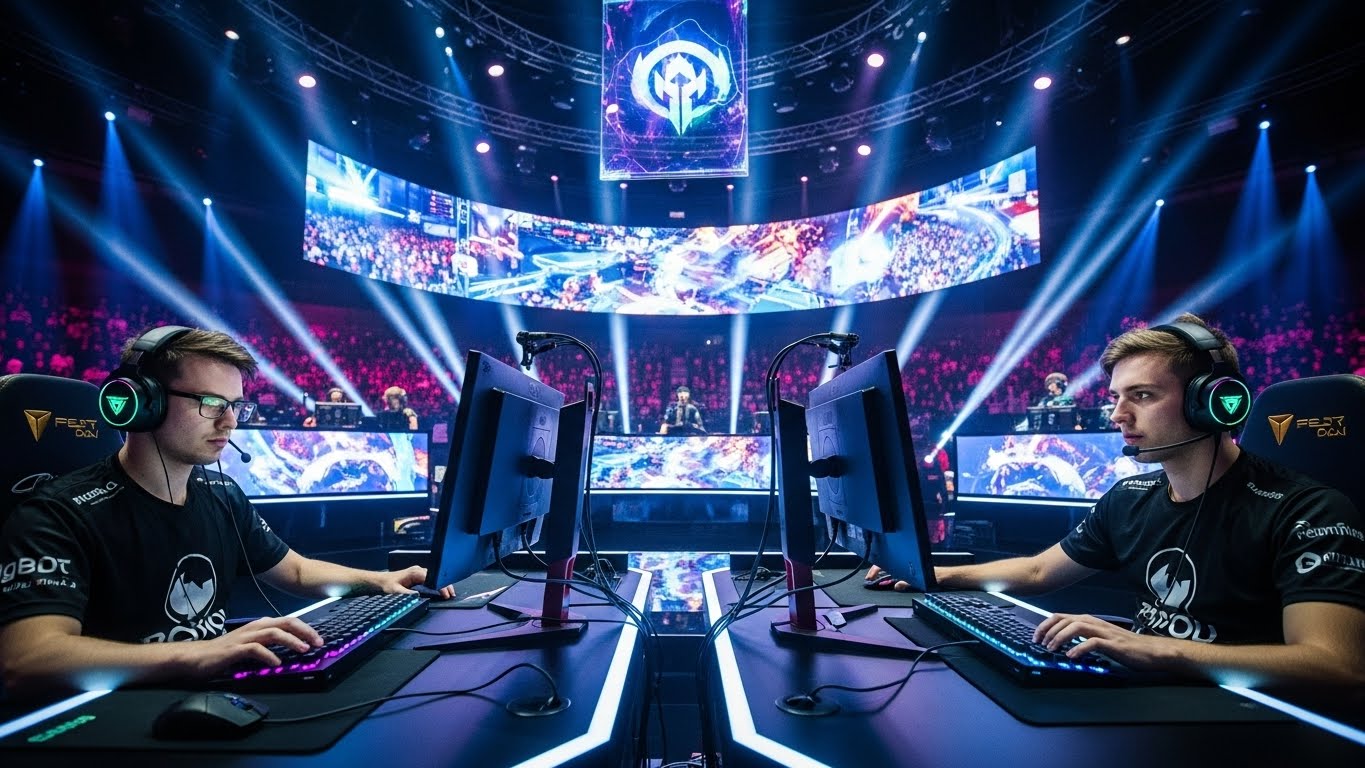
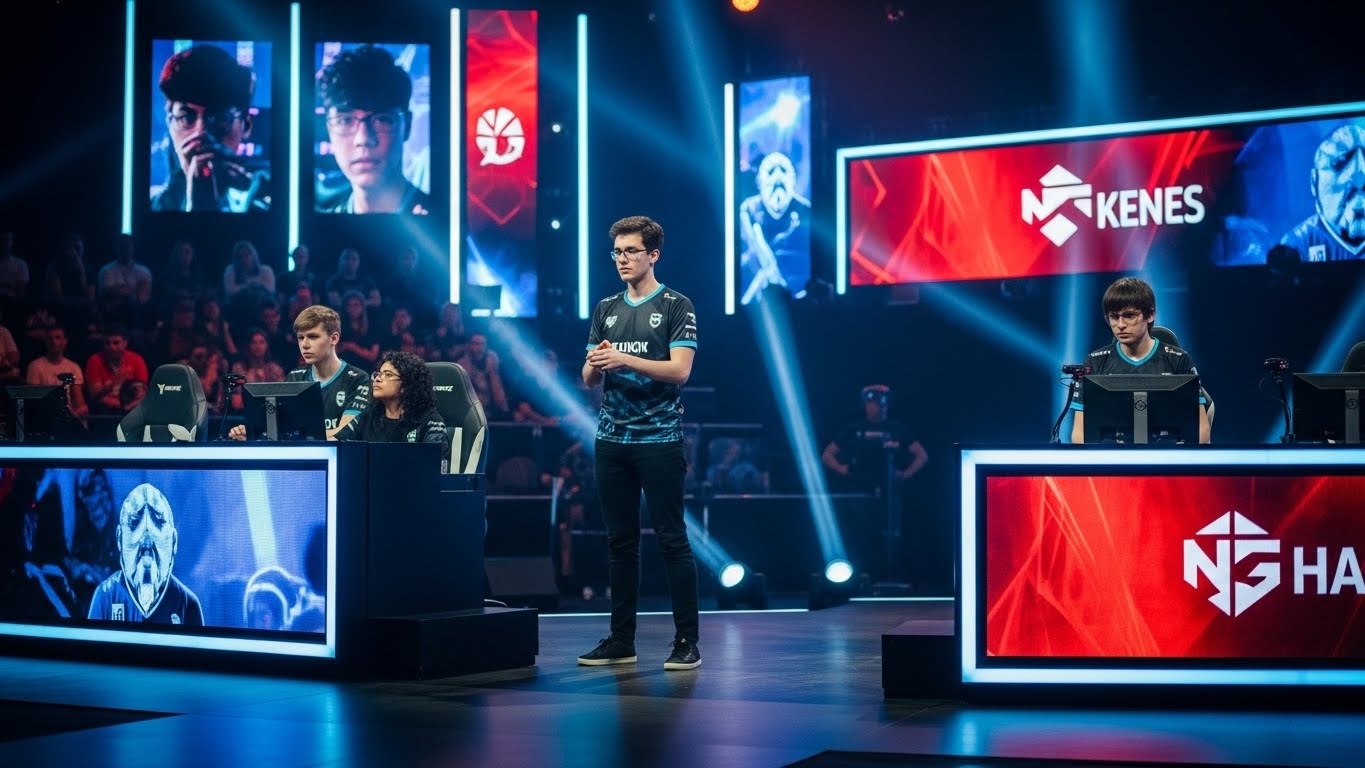
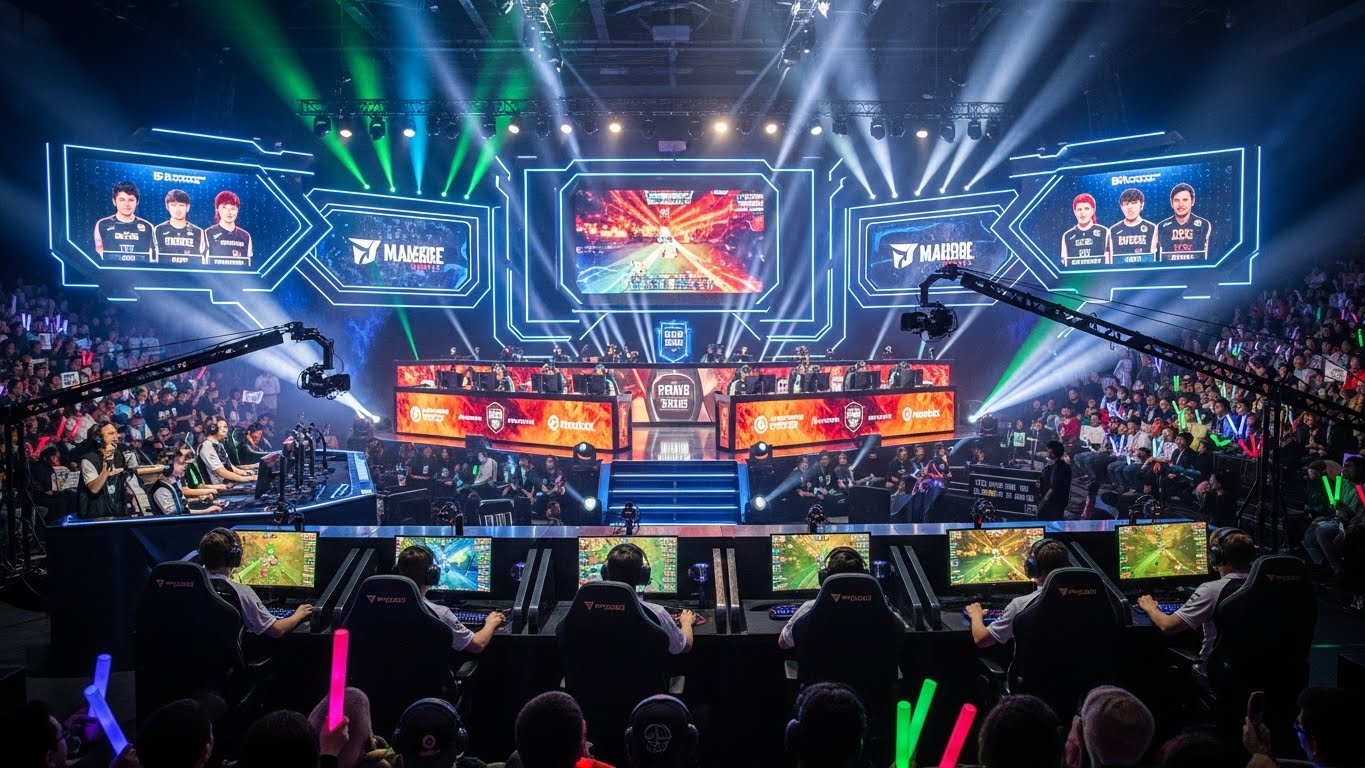
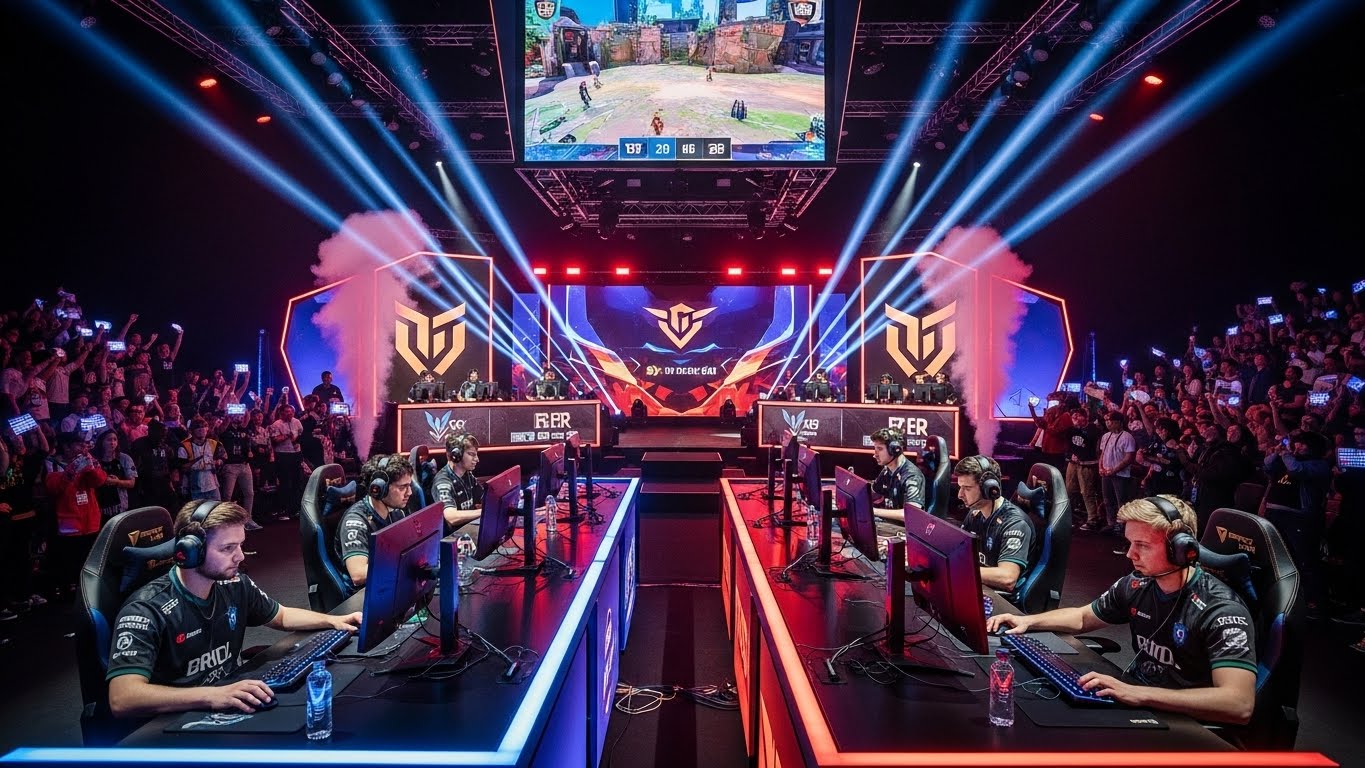
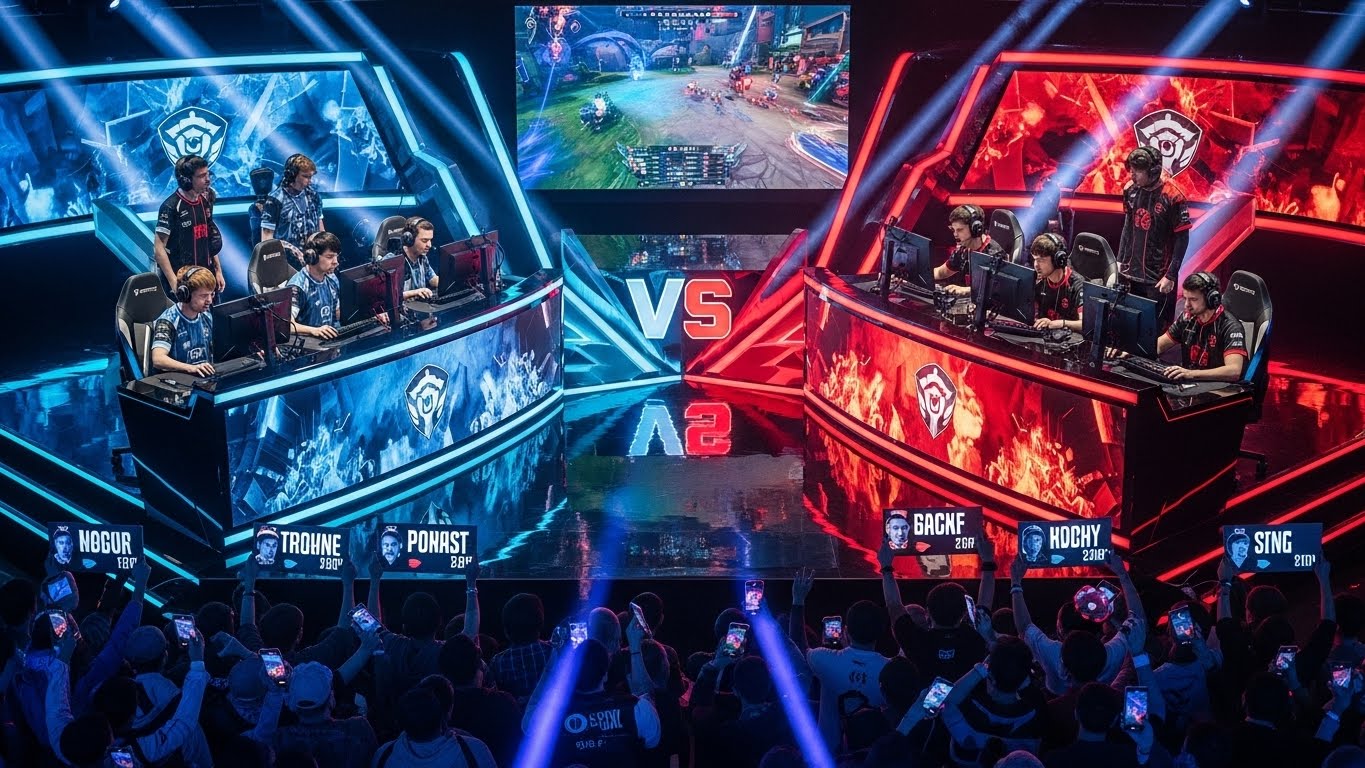
As technology continues to evolve, the line between physical and digital sports blurs. E-sports — competitive video gaming — now draws audiences rivaling traditional sports, redefining what athleticism means in the modern era.
The Business of Sports
Sports have become a trillion-dollar industry. From sponsorship deals to broadcasting rights, the business side fuels the global economy. Major events like the Super Bowl, World Cup, and Olympics generate billions in advertising and tourism.
Athletes themselves are now brands. Endorsements, merchandise, and social media collaborations create massive revenue streams. Leagues invest in entertainment, fashion, and media partnerships to expand their reach.
Yet, the commercialization of sports raises ethical questions. Are athletes overburdened by commercial expectations? Are fans being priced out by ticket costs and pay-per-view systems? Balancing profit and passion remains a challenge for the modern sports ecosystem.
Youth and the Future of Sports
The future of sports depends on the youth — the dreamers kicking their first ball, swimming their first lap, or running their first race. Encouraging participation from a young age nurtures not only athletes but also healthier, more disciplined individuals.
Schools and communities play a crucial role in providing facilities, training, and motivation. Beyond competition, sports teach teamwork, time management, and empathy — qualities essential in every aspect of life.
However, the modern generation faces distractions from digital devices and sedentary lifestyles. Reintroducing the joy of physical play is vital. Sports programs must evolve to be inclusive, creative, and inspiring, ensuring that passion continues to burn across generations.
The Dark Side: Corruption and Doping
While sports inspire, they also reveal human flaws. Corruption, match-fixing, and doping scandals tarnish the integrity of competition. The pressure to win at any cost has led some athletes and officials down unethical paths.
Performance-enhancing drugs distort fair play, while financial misconduct erodes trust. Organizations like the World Anti-Doping Agency (WADA) and international federations work tirelessly to enforce transparency, but the battle continues.
Fans expect honesty, and restoring that faith is essential. True greatness comes not from shortcuts but from hard work and honor. Sports must remain a stage where merit triumphs over manipulation.
Sports and Social Change
Sports have always been more than games; they are platforms for protest, expression, and reform. When athletes take a knee, raise a fist, or wear a message on their shirts, they spark global conversations.
From Muhammad Ali’s stand against war to Colin Kaepernick’s stand for racial justice, sports have given voice to the voiceless. Athletes are now advocates, using their influence to champion causes such as equality, education, and mental health.
The intersection of sports and activism proves that athletes are not just competitors but changemakers. Their courage reminds society that silence is never neutral — and that change often begins on the field.
Global Events and Their Impact
Major sporting events are not just competitions; they are celebrations of culture and unity. The Olympics, FIFA World Cup, and Commonwealth Games bring nations together, boosting tourism, infrastructure, and national pride.
However, these events also come with challenges — from massive expenses to environmental concerns. Hosting nations must balance prestige with sustainability. The legacy of a sports event should not fade when the final whistle blows; it should continue through education, facilities, and community programs.
The joy of seeing the world united under one roof, if only for a few weeks, is a reminder that despite our differences, humanity shares common dreams.
The Psychology of Champions
Behind every medal and trophy lies an invisible battle — the mental struggle. The difference between good and great often lies not in strength but in mindset. Champions visualize success, manage anxiety, and stay composed under pressure.
Sports psychology has become a key part of training. Techniques like visualization, meditation, and goal-setting help athletes stay focused. Resilience — the ability to recover from setbacks — defines lasting greatness.
When we study legends like Usain Bolt, Lionel Messi, or Novak Djokovic, we see not just physical brilliance but mental mastery. They embody calm under chaos, belief under doubt. That mental discipline is a life lesson for everyone, not just athletes.
Sports and Education
In many countries, sports and education go hand in hand. Scholarships for athletic talent create opportunities for young people to access higher learning. Universities use sports to promote teamwork, diversity, and leadership.
Physical education in schools instills the value of movement and wellness. Students who play sports often perform better academically due to improved concentration and time management. Sports also break barriers of race, class, and ability, creating inclusive environments where merit prevails.
Integrating sports into the education system ensures holistic development — building not only strong minds but also strong bodies and character.
The Legacy of Great Athletes
Every generation produces icons whose impact goes beyond their records. Pele, Michael Jordan, Sachin Tendulkar, Serena Williams — their names echo across continents. They inspire through excellence, humility, and perseverance.
But beyond fame, their true legacy lies in the lives they touch. Through foundations, mentorship, and philanthropy, these legends continue to uplift communities. They remind us that greatness is not about being remembered, but about making a difference.
Future stars stand on the shoulders of these pioneers, carrying forward the torch of inspiration.
Conclusion: The Endless Game
Sports mirror life — unpredictable, thrilling, and full of lessons. Every match tells a story of struggle and hope. Every athlete, from amateur to professional, contributes to a grand narrative of humanity’s desire to push boundaries.
In a world divided by politics, race, and ideology, sports remain a rare constant — a universal language of emotion. Whether we play, watch, or simply cheer, we become part of something larger than ourselves.
The spirit of sports is eternal. It reminds us that winning is not the only goal — participating, learning, and growing are victories too. Long after the final whistle, what endures is not the score, but the heart behind every play.