championplay05
Introduction: The Evolution of Esports
Esports, once viewed as a niche hobby for gamers, has rapidly emerged as a global phenomenon. With the rise of streaming platforms, online tournaments, and professional teams, competitive gaming is no longer a fringe activity but a mainstream entertainment industry. In fact, Esports is now challenging traditional sports in terms of viewership, sponsorship, and prize money. As the world of Esports continues to grow and evolve, it raises questions about the future of competitive gaming, its cultural impact, and its place alongside established sports.
In this blog, we’ll explore the rise of Esports, its increasing influence on global culture, and the factors that have contributed to its meteoric success.
The Esports Boom: From Hobby to Global Industry
Esports has transformed from a hobby for a select few to a global multi-billion-dollar industry. What started as informal competitions between friends in games like Street Fighter and Counter-Strike has evolved into a professional career for many. Today, Esports features a wide array of titles, from League of Legends and Dota 2 to Fortnite and Call of Duty, each hosting their own leagues and tournaments with huge prize pools.
The growing interest in Esports can be attributed to several key factors. First and foremost, the accessibility of gaming has expanded in recent years. With the rise of high-speed internet, gaming consoles, and mobile devices, nearly anyone can participate in or watch a competitive gaming event. Streaming platforms like Twitch and YouTube have also played a significant role in bringing Esports to the masses, allowing fans to watch tournaments live from the comfort of their homes.
Additionally, sponsorships from major brands and investments from traditional sports organizations have provided the financial backing to elevate Esports to its current level. With prize pools reaching into the millions and live events drawing thousands of spectators, Esports is now recognized as a legitimate form of entertainment.
The Professionalization of Esports: Teams, Coaches, and Salaries
One of the defining aspects of Esports today is the level of professionalism that surrounds it. Gone are the days of amateur tournaments held in basements and living rooms; Esports has evolved into a full-fledged industry, complete with team management, coaches, analysts, and even team owners.
Much like traditional sports, Esports organizations now have staff dedicated to helping players perform at their best. Coaches work closely with players, developing strategies and refining gameplay. Analysts break down game footage, offering insights into opponent strategies and helping players fine-tune their skills. Managers handle logistics, while team owners navigate sponsorship deals and event participation.
Professional Esports players are also earning substantial salaries. Top players in games like League of Legends, Dota 2, and Fortnite can earn millions of dollars in prize money alone, while sponsorships, streaming revenue, and personal brand deals add to their financial portfolios. In fact, Esports athletes now enjoy comparable earnings to some of the highest-paid athletes in traditional sports, and their fan base is growing rapidly.
Esports Tournaments: The Thrill of Competitive Gaming
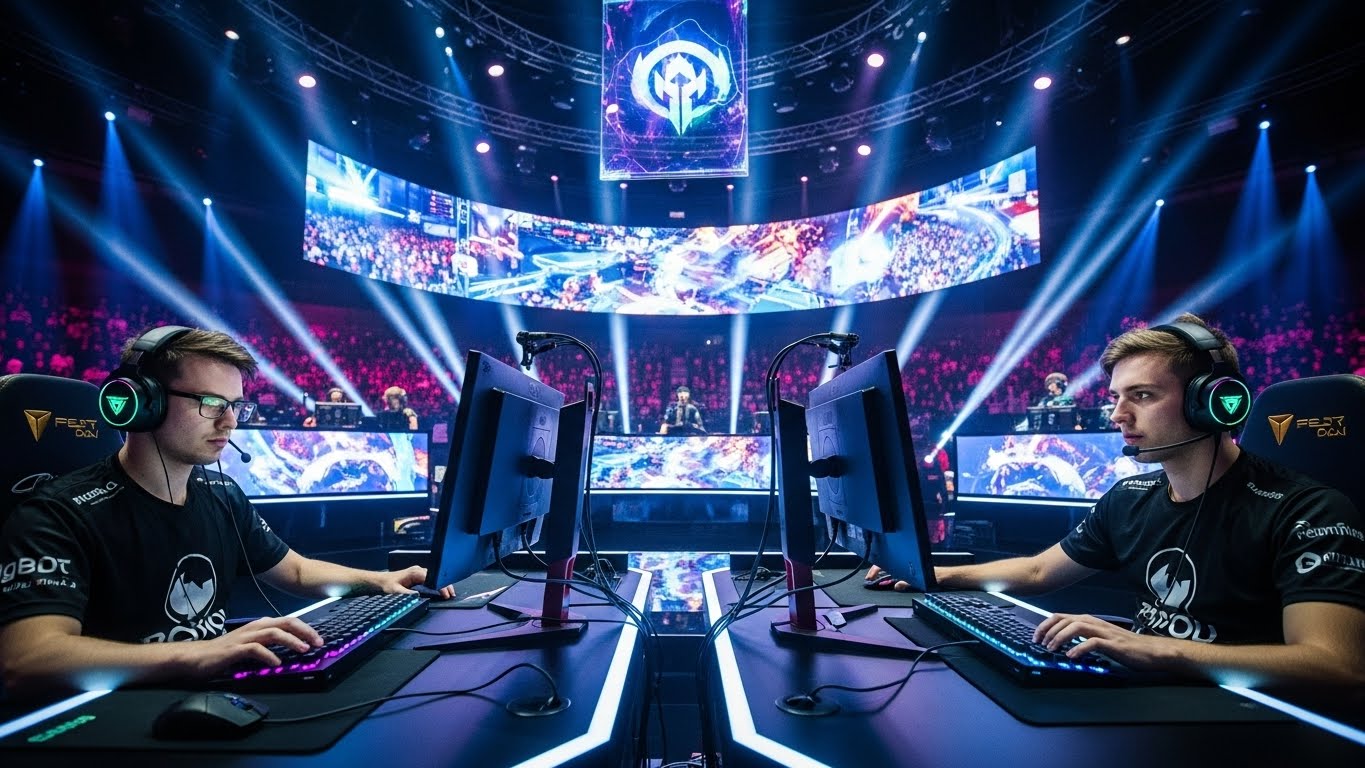
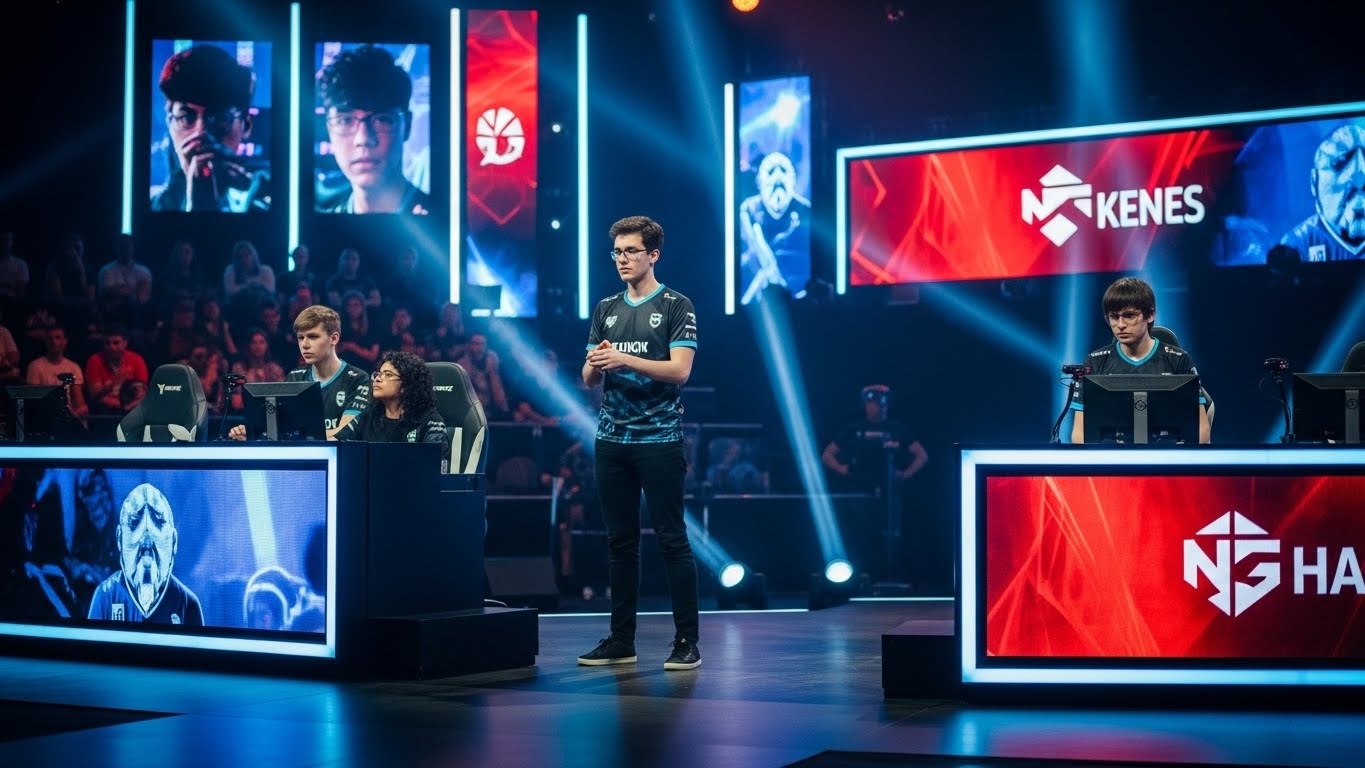
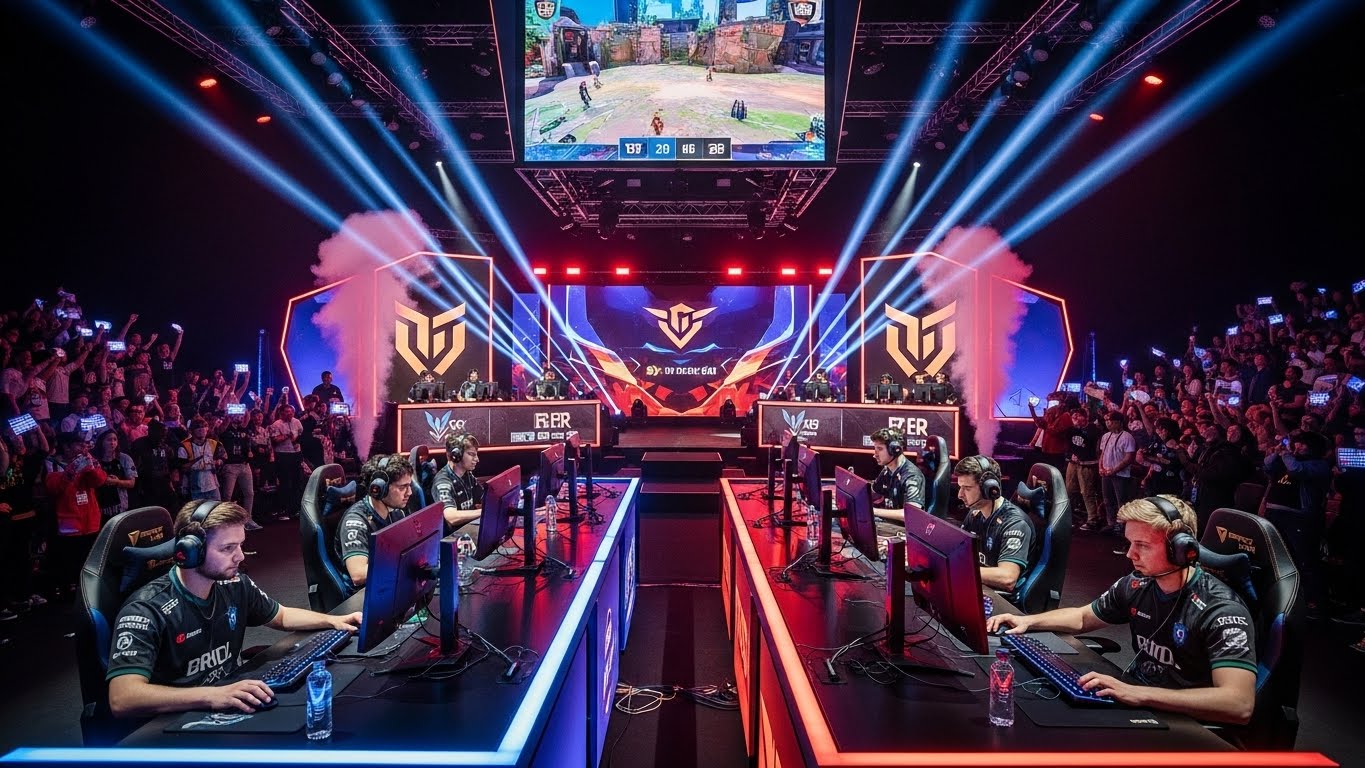
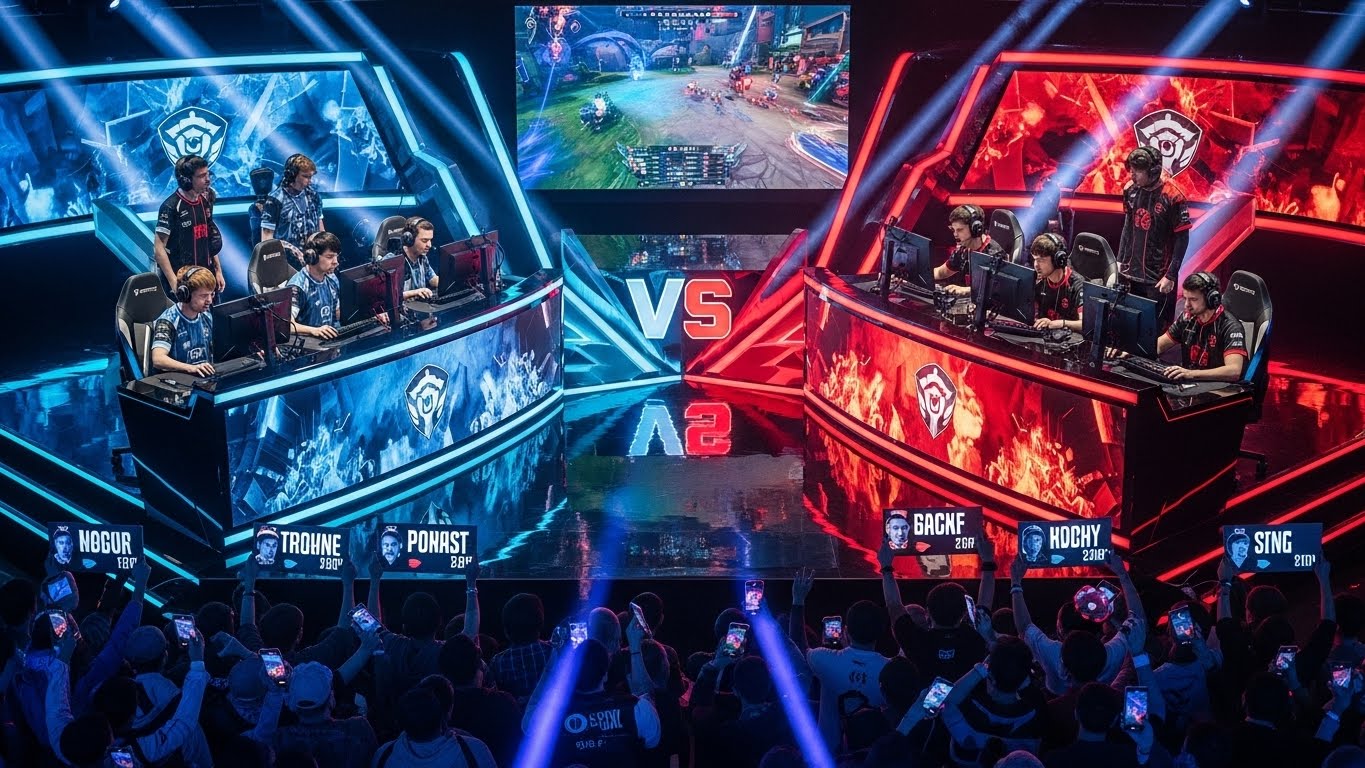
At the heart of Esports lies its tournaments. These events, which draw in players and fans from around the globe, showcase the pinnacle of competitive gaming. Whether it’s the League of Legends World Championship or The International for Dota 2, these tournaments offer not only intense action but also a sense of community for gamers worldwide.
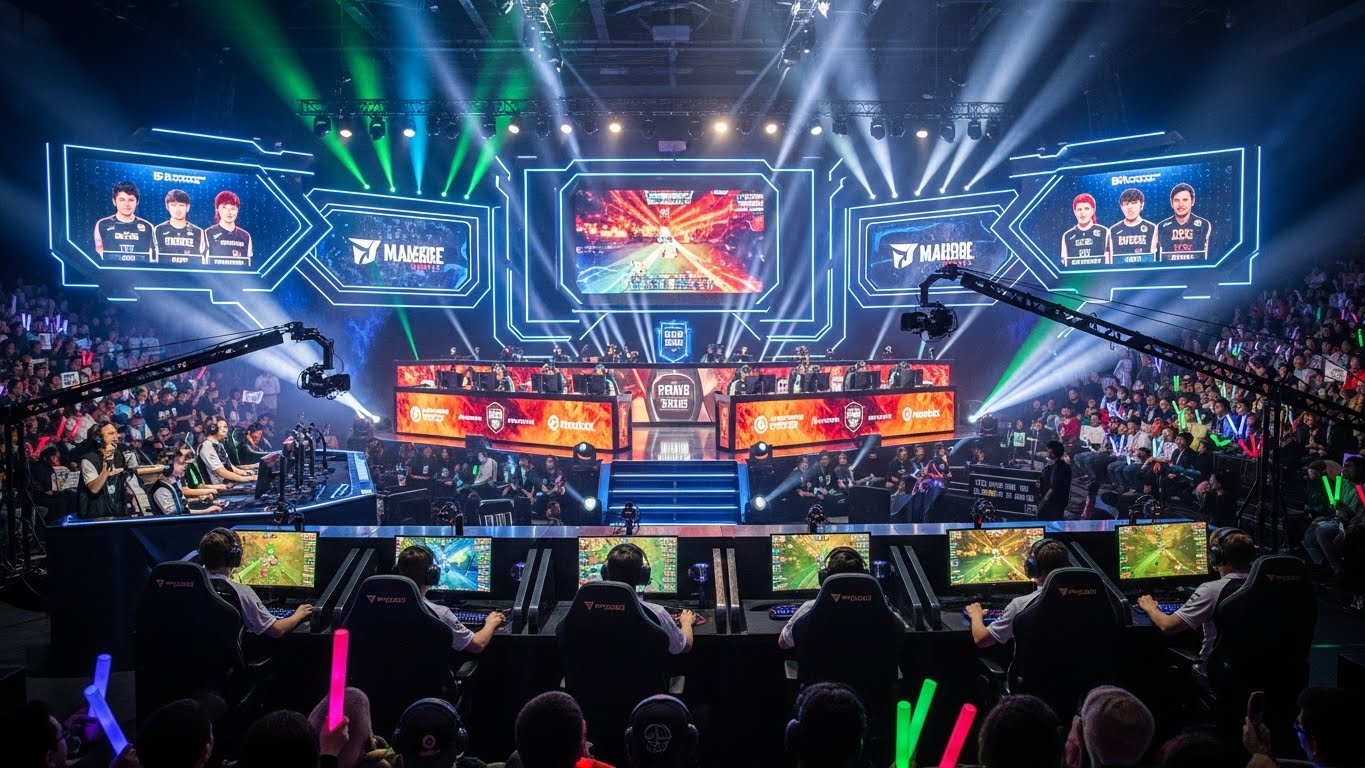
The experience of watching an Esports tournament is similar to attending a major sporting event. The atmosphere is electric, the competition fierce, and the stakes high. Fans gather to cheer on their favorite teams, and the thrill of victory or the agony of defeat plays out in real-time. What’s unique about Esports, however, is its accessibility. Fans from anywhere in the world can tune in, watch the matches live, and participate in the excitement without leaving their homes.
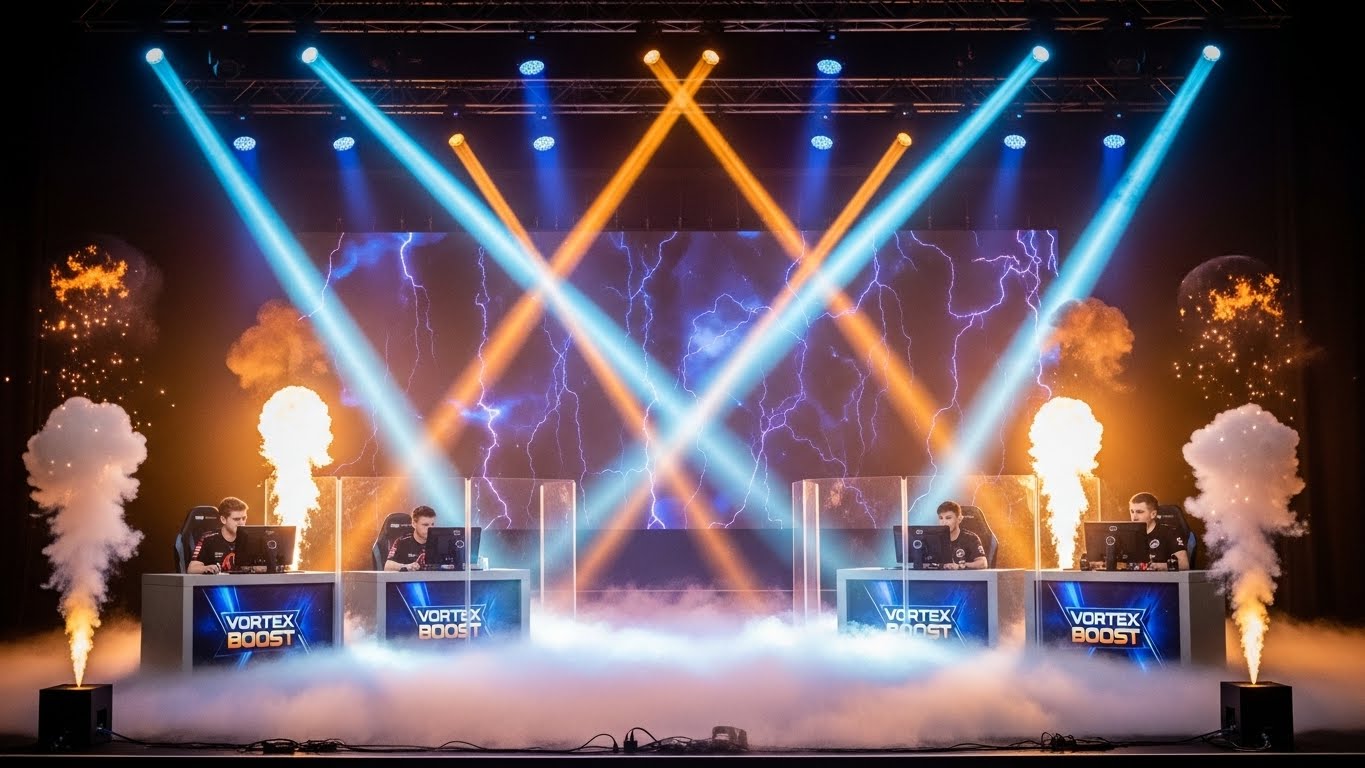
In addition to live-streamed events, Esports tournaments are increasingly hosted in massive arenas, with millions of dollars in sponsorships, merchandise sales, and ticket sales contributing to their growth. Events like the Overwatch League Finals or Fortnite World Cup have become major spectacles, often featuring concerts, fan meet-and-greets, and interactive experiences that bring the digital world of Esports into the physical realm.
The Cultural Impact of Esports: Redefining Sports and Entertainment
Esports is not just reshaping the world of competitive gaming; it is influencing popular culture in profound ways. The rise of Esports has led to the emergence of a new generation of celebrities—professional gamers who enjoy a level of fame comparable to traditional sports stars. These players have amassed huge social media followings, with millions of fans tuning in to watch their streams, follow their lives, and support their teams.
Moreover, Esports has become a unifying force, particularly for younger generations. The community that forms around Esports is built on shared interests, mutual respect, and a common passion for gaming. Unlike traditional sports, which may be divided along geographical or demographic lines, Esports is a truly global endeavor. Gamers from different countries, cultures, and backgrounds unite under the banner of their favorite games, creating a sense of shared identity that transcends borders.
Esports also has a significant impact on education. Many universities now offer Esports scholarships, and some have even established Esports teams that compete in intercollegiate leagues. This integration of Esports into educational institutions has further legitimized the industry, offering students new opportunities for career development and recognition.
The Future of Esports: Where is It Heading?
As Esports continues to grow, its future is full of potential. While it has already carved out a place as a mainstream entertainment industry, there are still many untapped opportunities. One of the most exciting prospects is the integration of Esports with virtual reality (VR) and augmented reality (AR), which could transform how players compete and how fans experience the action. Imagine watching a Counter-Strike match in immersive VR, where you can view the match from the perspective of a player or explore the game’s environment in real-time.
Furthermore, Esports is likely to continue its evolution as a global business. The expansion into new markets, particularly in Asia, Latin America, and the Middle East, will further solidify Esports as a universal phenomenon. With more investment from media companies, tech giants, and traditional sports organizations, Esports will continue to attract new fans, expand its reach, and elevate its profile.
In addition, the increased focus on gender inclusivity and the rise of female gamers and teams is expected to play a critical role in Esports’ future. Esports, like other industries, has historically been male-dominated, but there are signs that this is changing. The creation of women’s leagues, all-female teams, and initiatives to encourage more female participation in competitive gaming are steps in the right direction toward fostering diversity and inclusivity within Esports.
Conclusion: Esports Is Here to Stay
The rapid rise of Esports has not only transformed the gaming industry but also redefined what it means to be a competitive athlete. With its growing fan base, professional structure, and cultural impact, Esports has firmly established itself as a legitimate form of entertainment and a key player in the world of sports. As technology advances and the industry continues to mature, the future of Esports looks bright.
Whether you’re a seasoned gamer or someone who has just recently tuned into a competitive gaming event, one thing is clear: Esports is not just a passing trend; it’s here to stay. It’s reshaping the way we view sports, entertainment, and community, and its influence will only continue to grow in the years to come.