championplay05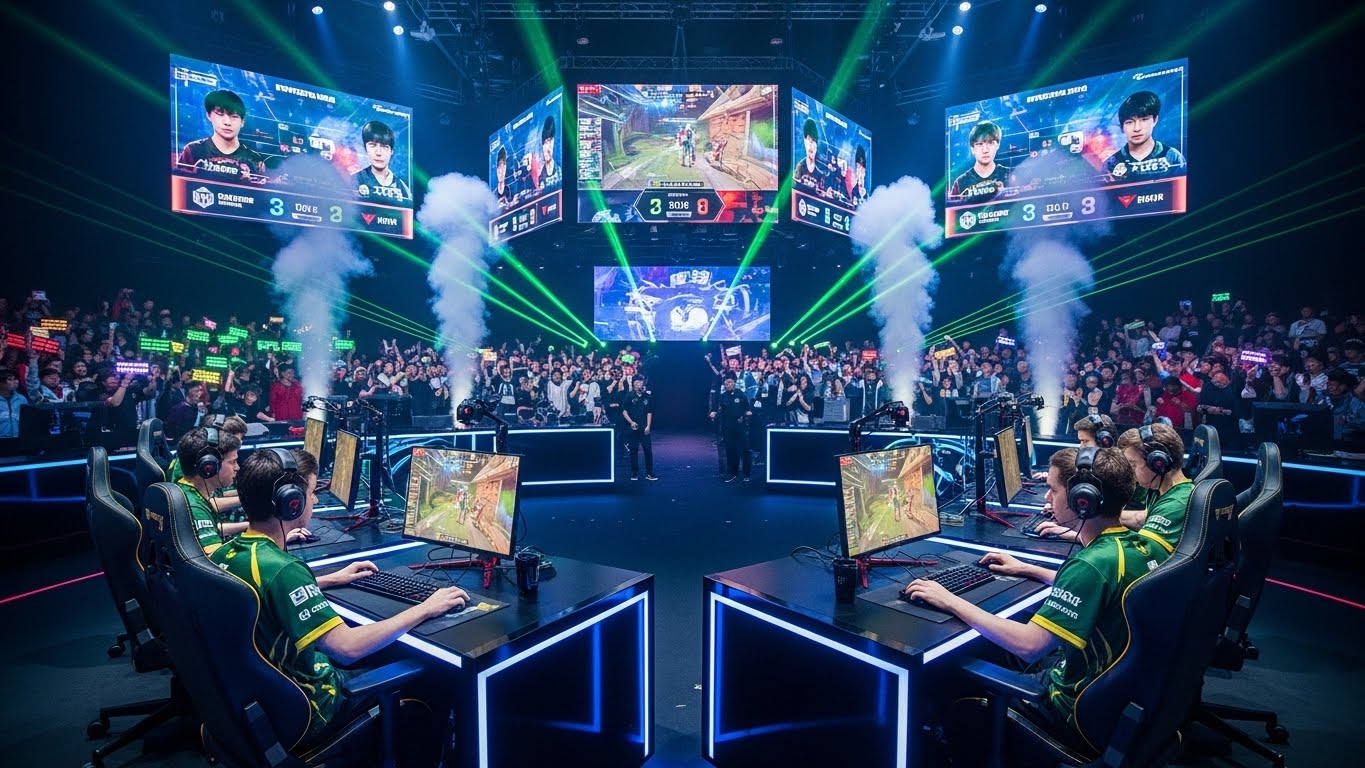
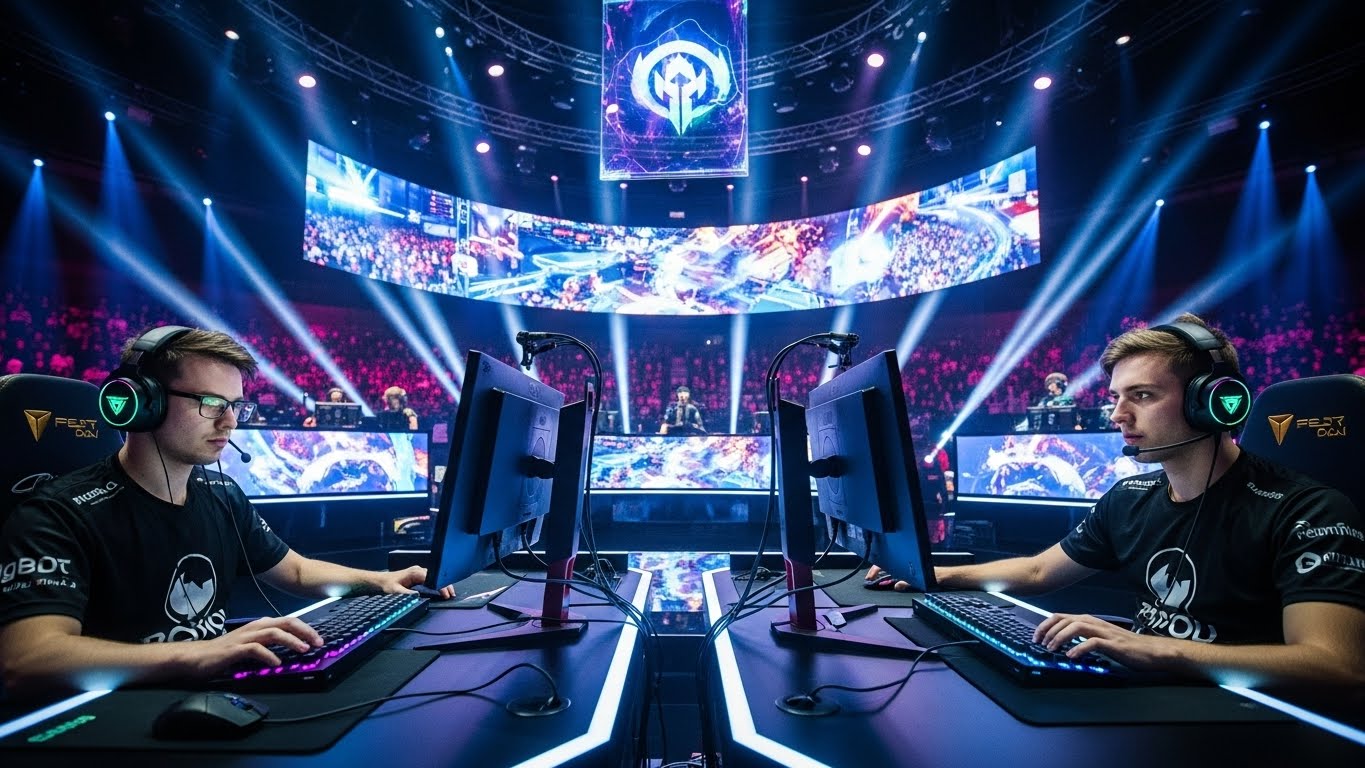
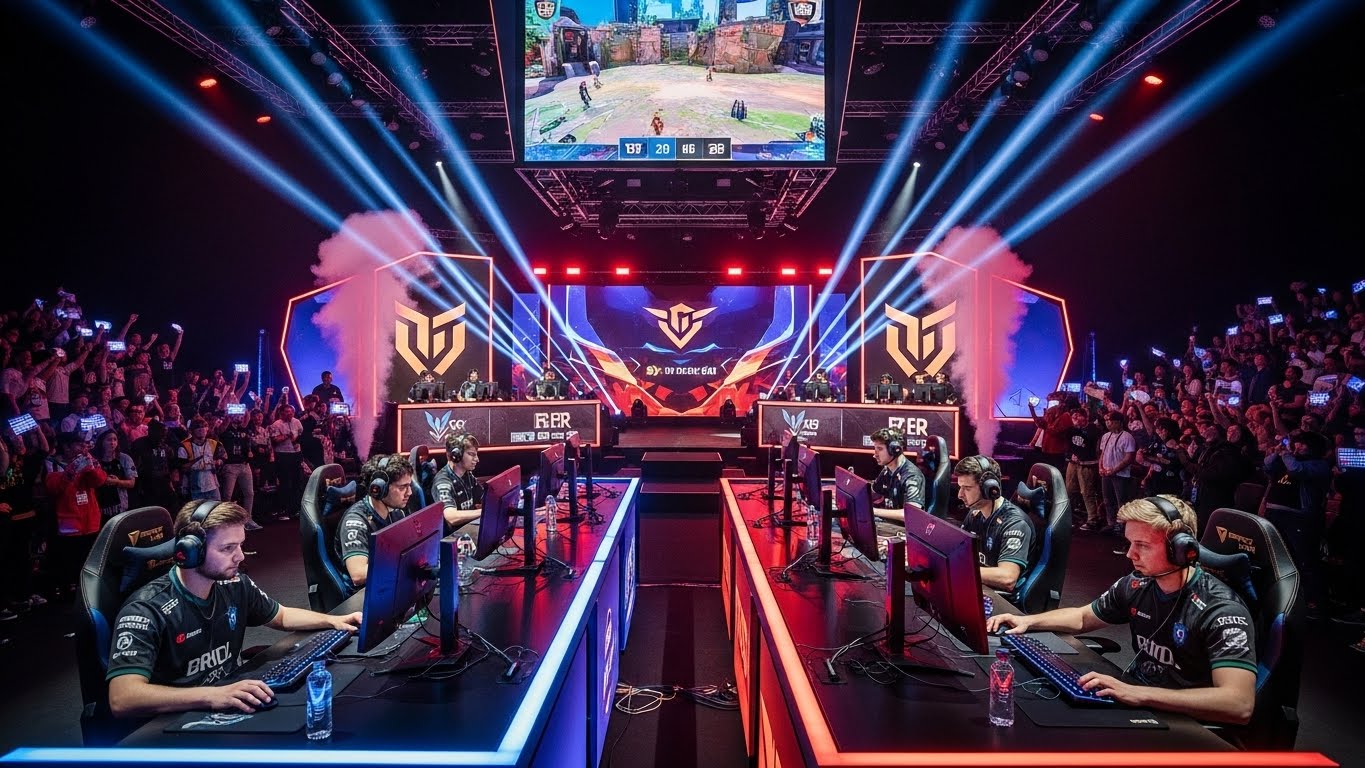
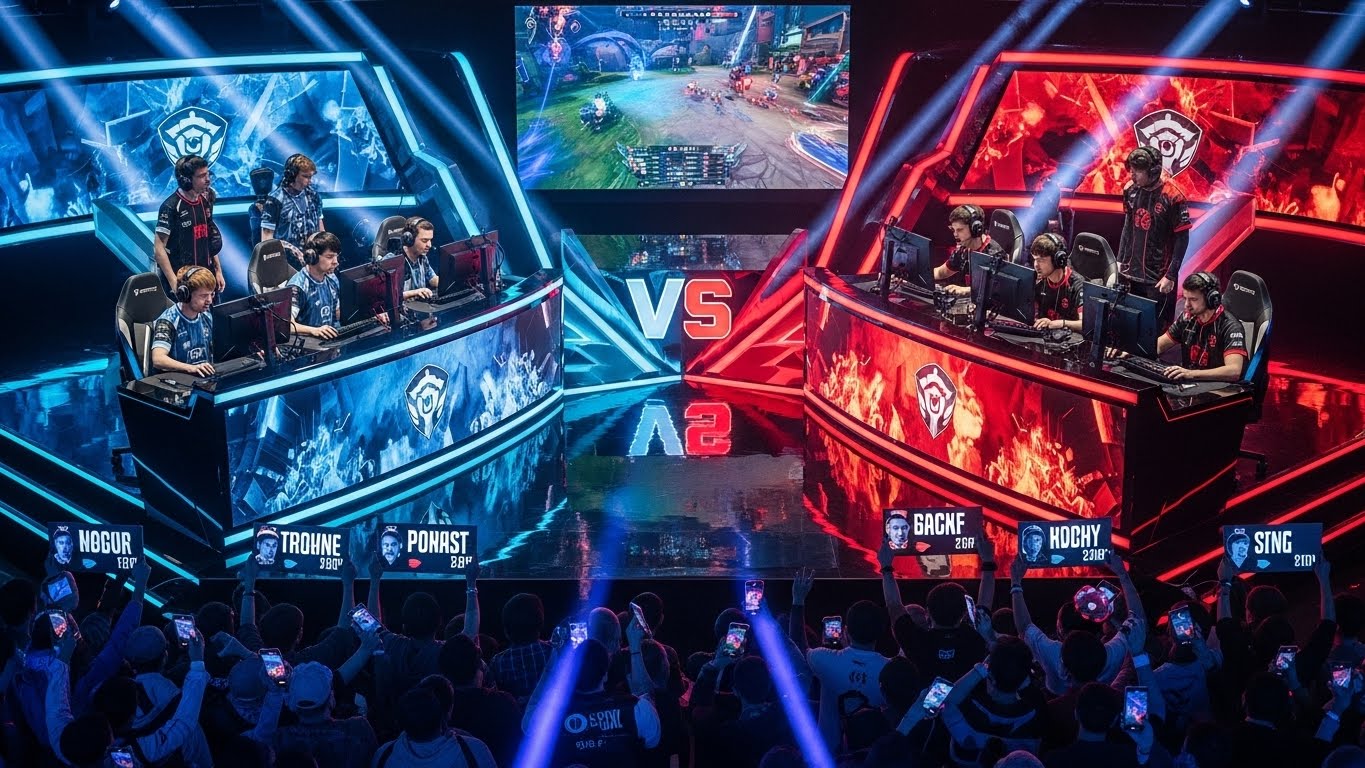
Esports, or electronic sports, has become an undeniable force in the world of entertainment. What started as a niche hobby for gamers has blossomed into a billion-dollar industry with millions of fans, a global player base, and an ever-growing infrastructure. Today, competitive gaming spans a wide array of genres, including multiplayer online battle arena (MOBA) games, first-person shooters (FPS), real-time strategy (RTS) games, and more. Whether you’re a casual gamer or a seasoned esports enthusiast, it’s impossible to ignore the immense impact esports has had on both the gaming community and broader entertainment culture.
The Beginnings of Esports
The origins of competitive gaming date back to the early days of personal computing and video games. In the 1970s and 1980s, video game tournaments began to take shape, with arcade games like Space Invaders and Pong becoming early battlegrounds for competitive play. However, it wasn’t until the mid-1990s that esports began to emerge as a formalized industry.
The true breakthrough came with the advent of multiplayer gaming and the internet. In 1997, the Red Annihilation tournament for the first-person shooter Quake garnered the attention of the gaming community, with the grand prize being a Ferrari. This was one of the first instances where competitive gaming transitioned from a local event to a global spectacle, with players from around the world competing for significant rewards.
From there, games like StarCraft, Warcraft III, and Counter-Strike began to form the foundation for modern esports, with professional leagues, tournaments, and sponsorships becoming an integral part of the ecosystem.
The Growth of Esports as a Global Industry
By the early 2000s, esports started to catch the attention of mainstream media and big corporations. In Korea, StarCraft became a cultural phenomenon, with professional leagues and televised matches drawing in millions of viewers. This laid the groundwork for the broader acceptance of esports as a legitimate form of entertainment, not just a hobby for a select group of players.
In the West, the introduction of League of Legends in 2009 marked a turning point for esports. The game’s free-to-play model and massive player base led to the creation of the League of Legends Championship Series (LCS), one of the first major esports leagues in the world. In 2013, the inaugural League of Legends World Championship boasted a prize pool of $2 million, drawing an audience of over 30 million people. This was an unprecedented moment, showing that competitive gaming had the potential to rival traditional sports in terms of viewership and prize money.
Over the next decade, esports began to diversify with the introduction of other major titles like Dota 2, Counter-Strike: Global Offensive (CS:GO), and Overwatch. These games introduced unique mechanics and attracted large, dedicated fanbases, each contributing to the growth of the esports ecosystem. By 2020, the global esports industry was estimated to be worth over $1 billion, with projections for even greater growth in the years to come.
The Ecosystem of Esports: A Complex Web of Players, Teams, and Sponsors
One of the key drivers behind the success of esports is its multi-layered ecosystem, which includes players, teams, sponsors, content creators, broadcasters, and fans. Each component plays a vital role in making esports the powerhouse it is today.
Players
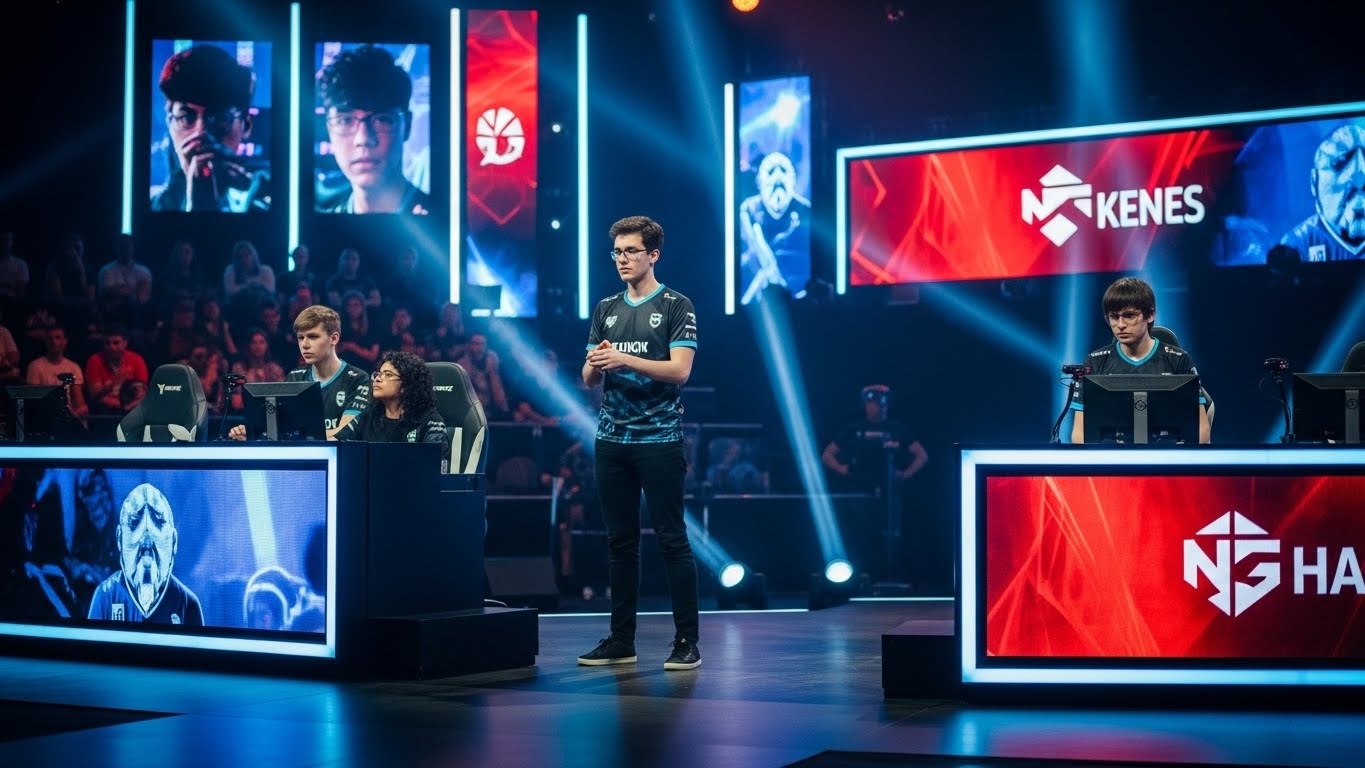
At the heart of esports are the professional players. These individuals are at the top of their game, often spending several hours a day practicing and perfecting their skills. For many, the road to becoming a professional esports athlete is long and requires intense dedication. Professional players are often recruited by top-tier organizations, where they compete in tournaments for prize money and fame.
The rise of streaming platforms like Twitch has also enabled esports athletes to gain massive followings. Streaming provides a direct connection between players and their fans, allowing them to showcase their gameplay, interact with viewers, and build a personal brand.
Teams
Esports teams are organizations that recruit top players to form competitive rosters for various games. These teams often function similarly to traditional sports teams, with coaches, managers, analysts, and support staff helping players reach their full potential. The most successful esports organizations—such as Cloud9, T1, and Team Liquid—have established themselves as household names, not only for their championship victories but also for their larger-than-life personalities and fanbases.
These teams also sign sponsorships with major brands, which provide financial support, access to resources, and the means to operate at the highest levels. Many esports organizations have diversified their portfolio by expanding into content creation, merchandising, and even lifestyle brands, further increasing their reach and influence.
Sponsors and Partnerships
Corporate sponsorship is another crucial component of the esports ecosystem. Brands like Coca-Cola, Intel, Red Bull, and Nike have all made significant investments in the esports industry, recognizing the immense advertising potential in reaching young, tech-savvy audiences. These sponsorships provide essential funding for tournaments, player salaries, and team operations.
Moreover, the growth of esports has led to collaborations with mainstream sports leagues. In recent years, we’ve seen partnerships between esports teams and football clubs, basketball teams, and even traditional sports media outlets. These cross-industry partnerships have not only helped bring esports to a wider audience but have also legitimized esports as a legitimate and professional career path.
Fans and Viewership
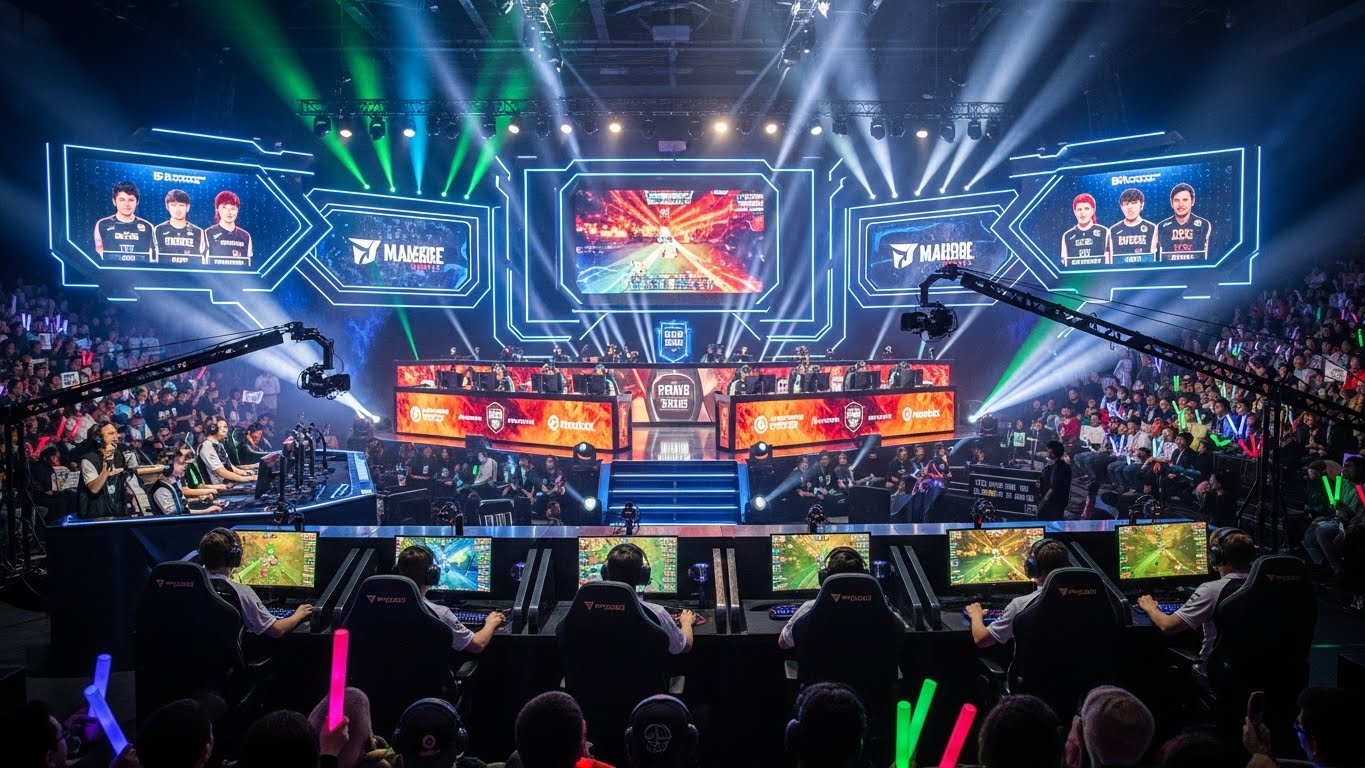
The esports fanbase is diverse and global, with millions tuning in to watch live events, whether on streaming platforms like Twitch or through televised broadcasts. The ease of access to online streaming platforms has made it possible for fans to watch major esports tournaments from the comfort of their homes, creating a sense of community among viewers.
Esports tournaments like The International (Dota 2), League of Legends Worlds, and the Fortnite World Cup regularly attract millions of viewers, with peak viewership numbers surpassing those of traditional sports events. The level of engagement between fans and players, both on social media and in live chats during streams, further strengthens the bond between the esports community and its supporters.
Esports in Mainstream Culture
As esports continues to grow, it has started to permeate mainstream culture. Major media outlets, such as ESPN and the BBC, now regularly cover esports events, while traditional sports networks have begun to air major esports tournaments. This shift signals a broader cultural acceptance of esports as a legitimate form of entertainment.
Esports has also become a major focus of academic institutions, with many universities offering scholarships for players and even establishing their own esports programs. Competitive gaming has evolved from a hobby into a viable career path for many young people, and with the rise of esports scholarships, players now have a chance to make a living from their passion.
Furthermore, esports has contributed to the rise of gaming influencers and content creators. Personalities like Ninja, Pokimane, and Shroud have amassed millions of followers, not just for their gaming skills but for their unique personalities and entertaining content. These influencers have become cultural icons in their own right, with their presence extending far beyond the gaming world.
The Future of Esports: What Lies Ahead?
As we look to the future, it’s clear that esports is only going to continue growing. With advancements in technology, particularly in virtual reality (VR) and augmented reality (AR), we can expect to see new and innovative ways to engage with competitive gaming. VR esports, for instance, could take the immersion of gameplay to a whole new level, opening up exciting possibilities for both players and fans.
Moreover, the inclusion of esports in the Olympics is a hot topic of discussion. While there is no official confirmation yet, there have been talks about esports making its debut at the 2028 Summer Olympics in Los Angeles. If this happens, it could represent a monumental shift in how esports is perceived and its integration into mainstream sports culture.
Finally, as esports continues to globalize, new regions will emerge as key players on the competitive stage. Countries in Latin America, Southeast Asia, and Africa are seeing rapid growth in gaming culture, with more players, tournaments, and sponsors emerging from these regions. This global expansion promises to further enrich the diversity and creativity of esports, making it a truly worldwide phenomenon.
Conclusion: Esports—A Cultural Powerhouse
From its humble beginnings to its current status as a global cultural force, esports has come a long way. Today, it’s a thriving industry that provides entertainment, career opportunities, and a sense of community for millions around the world. As the industry continues to evolve, there’s no telling how far it will go. What’s certain, however, is that esports is here to stay, and its influence on gaming, entertainment, and even traditional sports will only continue to grow in the years to come. Whether you’re a player, fan, or observer, it’s an exciting time to be part of the esports revolution.