championplay05
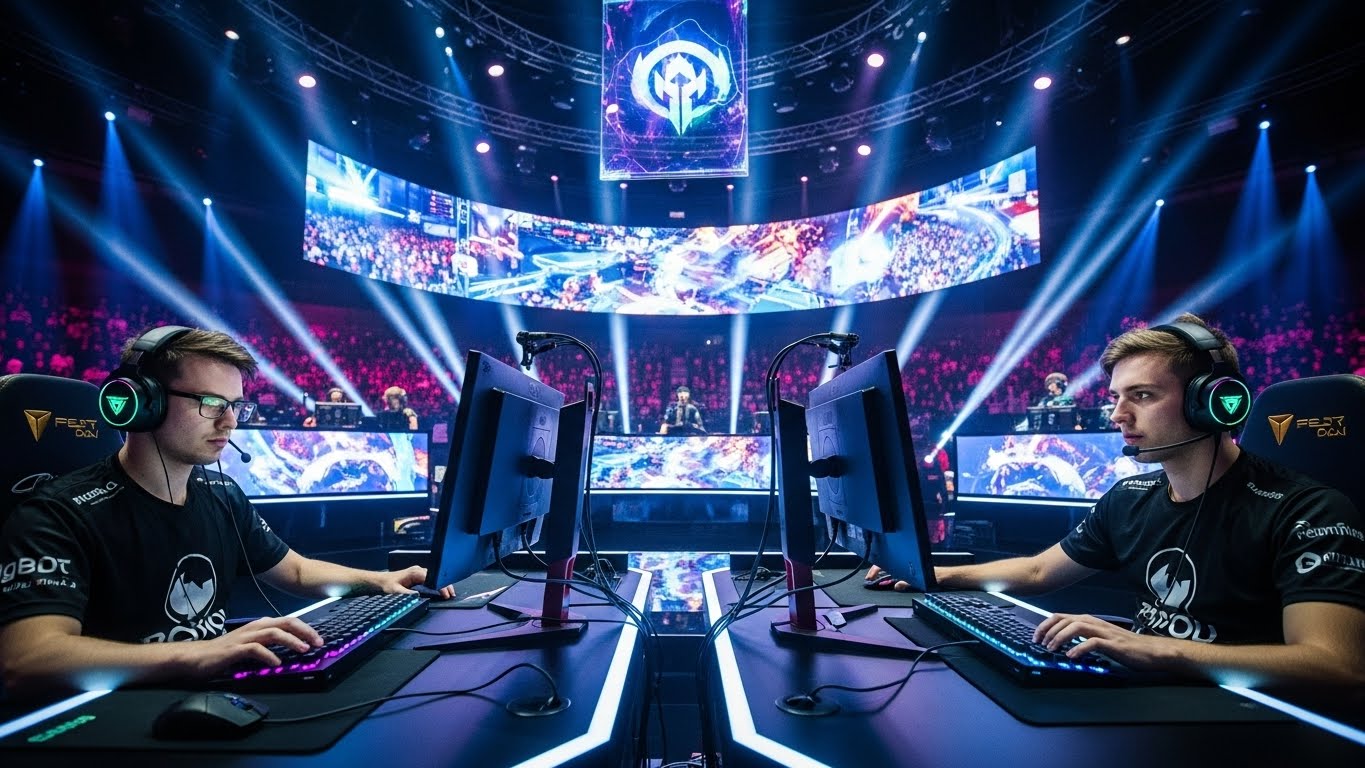
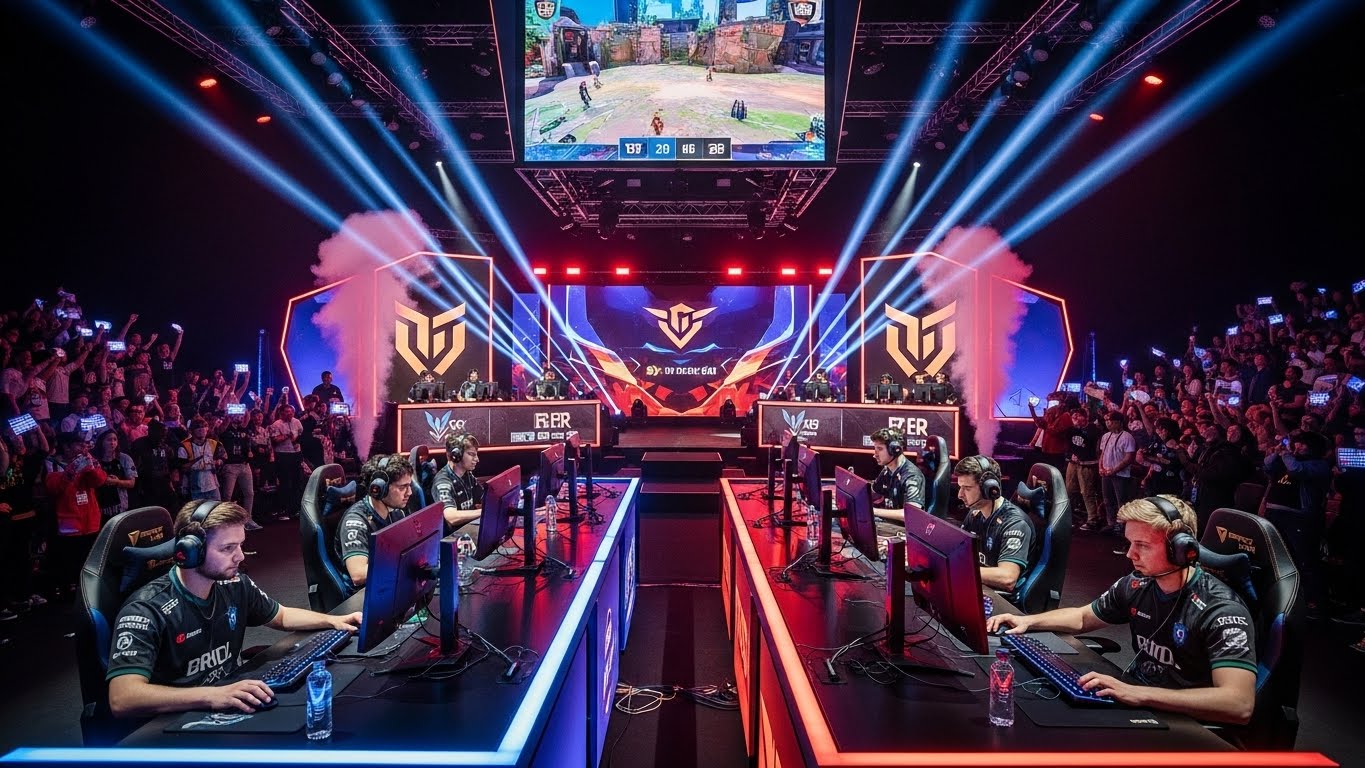
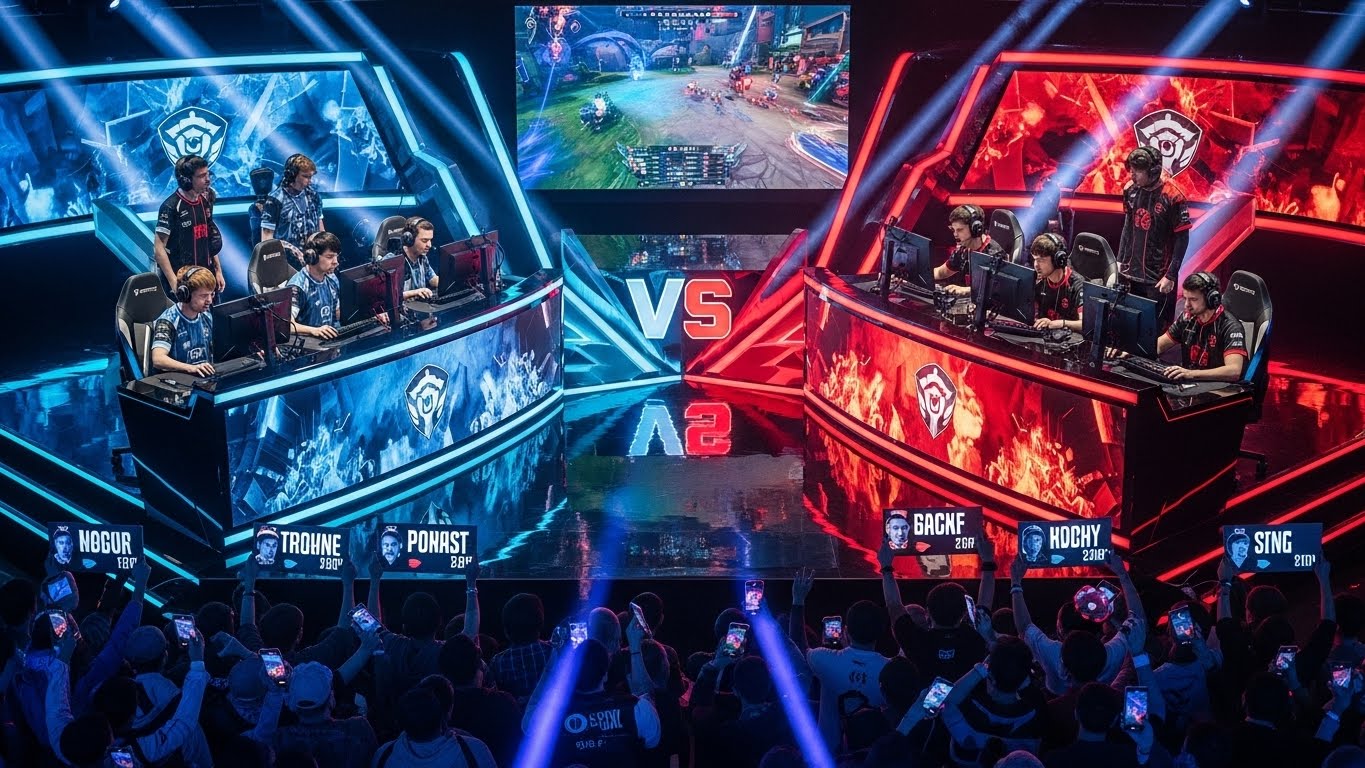
Esports, or competitive video gaming, has transformed from a small subculture into a global entertainment powerhouse. What started as casual competitions among friends in arcades or living rooms has evolved into a billion-dollar industry attracting millions of fans, professional players, and sponsors worldwide. The journey of esports is fascinating, blending technology, culture, and sheer talent into a spectacle that rivals traditional sports.
The Origins of Competitive Gaming
The roots of esports can be traced back to the late 1970s and early 1980s when video games first gained popularity. Early competitions were simple yet competitive, often held at local arcades. Titles like Space Invaders and Pac-Man drew crowds of enthusiastic players, eager to prove their skills.
By the 1990s, gaming tournaments started to become more organized. Games like Street Fighter II and Quake emerged as competitive staples, with communities forming around them. The rise of the internet during this era allowed gamers to connect across regions, creating early online competitions. Although these events were relatively small, they laid the foundation for the esports ecosystem we see today.
Esports Goes Mainstream
The 2000s marked a turning point for esports. Online multiplayer games such as Counter-Strike, Warcraft III, and StarCraft became central to competitive gaming. South Korea, in particular, played a pivotal role in professionalizing esports. Dedicated television channels broadcast live competitions, while gaming cafes became hubs for players to practice and compete.
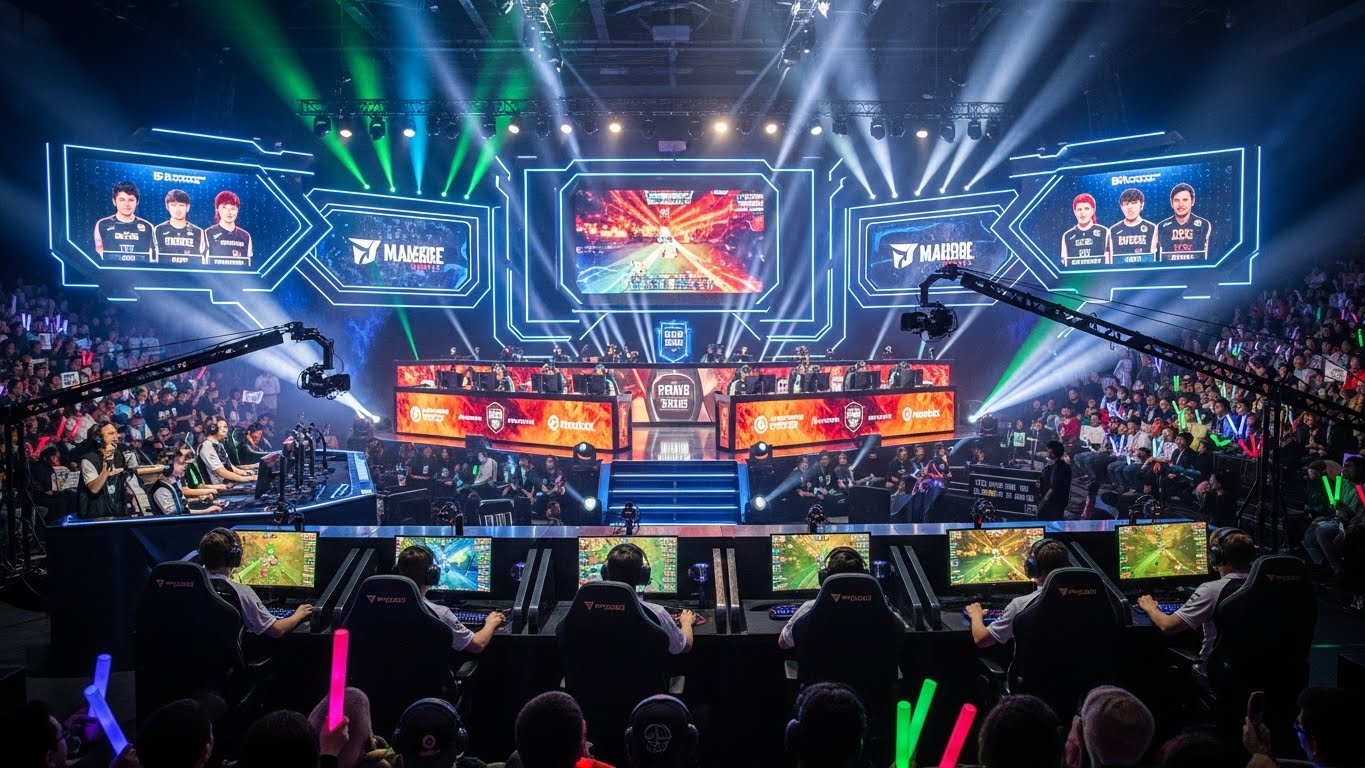
International tournaments began to take shape, drawing audiences not just from local communities but from around the world. Organizations like the Electronic Sports League (ESL) and Major League Gaming (MLG) formalized competitive structures, offering prize money and sponsorships. These developments turned gaming into a viable career path, inspiring a new generation of professional players.
Popular Esports Genres and Games
Esports is not limited to a single type of game; it spans multiple genres, each with unique appeal and competitive strategies.
First-Person Shooters (FPS)
FPS games like Call of Duty, Counter-Strike: Global Offensive, and Valorant focus on precision, reflexes, and teamwork. These games often involve objective-based matches where strategy and communication are critical. FPS esports are known for their fast pace and high-intensity gameplay, making them highly engaging for viewers.
Multiplayer Online Battle Arenas (MOBA)
MOBAs, such as League of Legends and Dota 2, require strategic thinking, coordination, and in-depth knowledge of game mechanics. Players control characters with unique abilities and work in teams to destroy the opposing team’s base. MOBA tournaments, particularly The International for Dota 2, offer multi-million-dollar prize pools, showcasing the high stakes and professionalism of the esports industry.
Sports Simulation Games
Sports simulations like FIFA and NBA 2K bring traditional sports into the digital arena. These games attract fans of real-world sports and offer familiar competitive structures, such as leagues and tournaments. Esports in this genre bridges the gap between physical sports and gaming, creating a hybrid audience.
Battle Royale and Other Emerging Genres
Games like Fortnite and PUBG popularized the battle royale format, combining survival, strategy, and fast-paced combat. These games appeal to casual players and competitive gamers alike, often emphasizing individual skill and adaptability. Other genres, such as fighting games and real-time strategy, continue to maintain dedicated competitive communities.
The Role of Streaming and Online Platforms
One of the major drivers of esports’ growth is live streaming. Platforms like Twitch, YouTube Gaming, and Facebook Gaming have allowed fans to watch competitions in real-time, interact with players, and become part of the esports community. Streaming has transformed esports from a niche hobby into a global spectacle, offering unprecedented exposure for players and tournaments.
Streaming also provides additional revenue streams for esports athletes and organizations. Ads, subscriptions, donations, and sponsorships generate income, supporting the industry’s sustainability. Moreover, the accessibility of streaming allows aspiring players to showcase their talent to a global audience, democratizing opportunities in esports.
Esports as a Career
Professional gaming has emerged as a legitimate career path. Top players earn significant salaries, tournament winnings, and endorsement deals. Beyond playing, careers in esports include coaching, team management, event organization, content creation, and broadcasting.
However, professional gaming also comes with challenges. The competitive nature of esports demands rigorous practice schedules, often exceeding eight hours a day. Mental health and burnout are significant concerns, as players face pressure to maintain peak performance. Despite these challenges, the growth of esports infrastructure has led to better support systems for players, including training facilities, mental health professionals, and performance coaches.
Major Esports Organizations and Teams
Global esports organizations operate similarly to traditional sports clubs. Teams such as T1, FaZe Clan, and Cloud9 recruit top talent, provide training facilities, and compete in international tournaments. Sponsorships and partnerships with brands further enhance the professional ecosystem.
Esports teams often cultivate fan communities, creating loyalty and engagement through social media, streaming, and merchandise. This fanbase is critical for sustaining the competitive ecosystem, as audiences drive sponsorship deals and tournament viewership.
The Economics of Esports
Esports is a billion-dollar industry with multiple revenue streams. Sponsorships, media rights, merchandise, and tournament prize pools contribute to its economic scale. Brands increasingly recognize esports as an effective marketing platform, targeting a younger, digitally-native audience.
Tournament organizers generate revenue through ticket sales, online streaming, and exclusive content. Similarly, game developers benefit from competitive ecosystems, as esports events maintain player engagement and promote their titles. The interconnection of players, teams, sponsors, and developers creates a sustainable economic model for esports.
Global Impact of Esports
Esports has a profound global impact. Countries like South Korea, China, and the United States lead in infrastructure and competitive success, but esports communities thrive worldwide. International competitions foster cultural exchange, bringing together players and fans from diverse backgrounds.
Furthermore, esports has influenced education and technology. Universities now offer esports scholarships, programs, and degrees in game design, management, and digital media. Technological advancements in streaming, VR, and AI are also shaped by the demands of competitive gaming, influencing broader tech innovation.
The Social and Cultural Significance of Esports
Beyond economics and competition, esports has cultural significance. It provides social spaces for communities to gather, interact, and collaborate. Online and offline tournaments offer a sense of belonging, identity, and achievement.
Esports also challenges traditional notions of athleticism, expanding the definition of sport to include cognitive skills, strategy, and digital dexterity. The rise of esports has inspired documentaries, films, and literature, further embedding gaming culture in mainstream media.
Challenges Facing the Esports Industry
Despite its growth, esports faces several challenges. Regulatory issues, cheating, and match-fixing threaten competitive integrity. Player welfare, including mental and physical health, remains a critical concern. The rapid commercialization of esports also risks alienating grassroots communities that nurtured the early competitive scene.
Moreover, as esports expands globally, regional disparities in infrastructure, internet access, and funding create unequal opportunities. Addressing these challenges is crucial for ensuring sustainable growth and maintaining the credibility of esports competitions.
The Future of Esports
The future of esports looks promising, with several trends shaping the next decade. Virtual reality and augmented reality gaming may introduce new competitive formats, while AI-driven analytics could enhance training and performance evaluation. Cross-platform and mobile esports are likely to expand, making competitions accessible to a wider audience.
Integration with mainstream sports and entertainment will continue, with collaborations, hybrid events, and esports-themed media content further blurring the lines between digital and traditional competition. As technology evolves and global interest grows, esports is poised to remain a dominant cultural and economic force.
Conclusion
Esports has come a long way from its humble beginnings in arcades and local tournaments. Today, it stands as a professional, global industry, engaging millions of players and fans worldwide. Its impact is multifaceted—culturally, economically, and technologically—reshaping the way we view competition and entertainment.
The journey of esports is a testament to human creativity, community, and the power of digital connectivity. As it continues to grow and evolve, esports promises to remain not just a pastime or hobby but a major force in global culture and entertainment.