championplay05
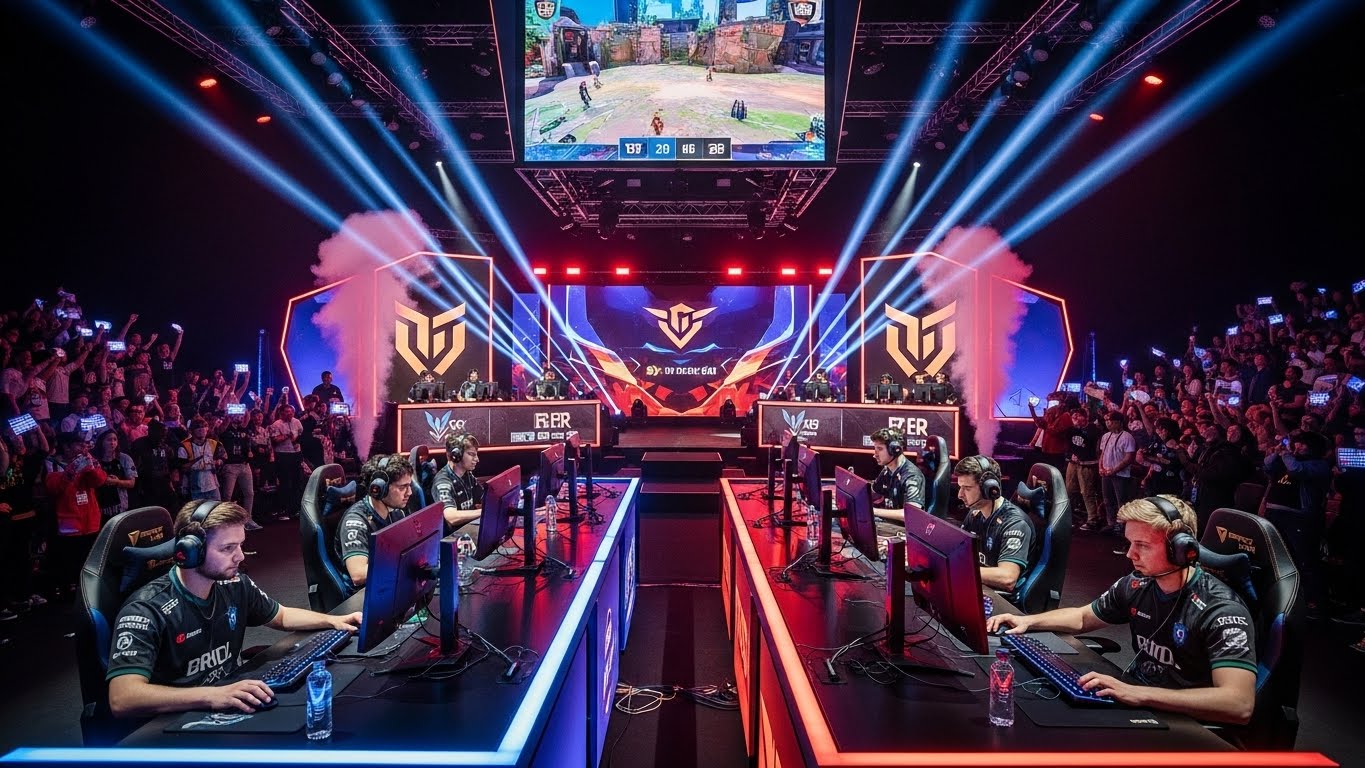
Esports, short for electronic sports, has become one of the fastest-growing industries in the world. Over the past two decades, what started as casual gaming among friends has transformed into a multi-billion-dollar global phenomenon. From stadiums packed with cheering fans to online streams attracting millions of viewers, esports has successfully carved out its place in mainstream culture. With its increasing popularity, there’s a growing interest in the mechanics of the industry—how it works, why it’s so popular, and what its future holds.
In this blog post, we’ll take a deep dive into the esports world, examining its growth, the business behind it, its cultural significance, and where it might be headed in the coming years.
Understanding Esports: What is it?
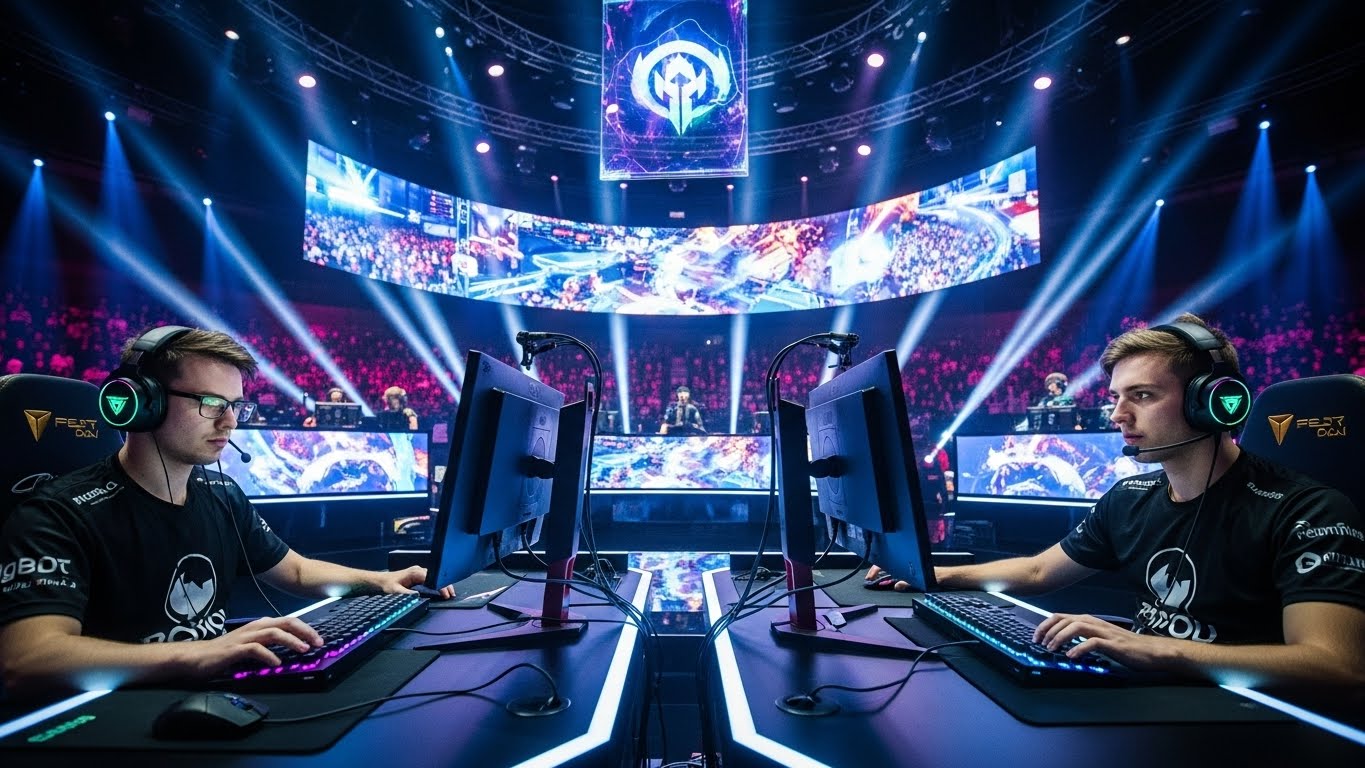
Esports is organized, multiplayer video game competition, particularly between professional players, individually or as teams. It involves games across multiple genres such as real-time strategy (RTS), first-person shooters (FPS), multiplayer online battle arenas (MOBA), and sports simulation games.
In essence, esports is competitive gaming at a professional level, complete with tournaments, sponsorships, prize money, and a massive audience. While traditional sports like football and basketball have long histories, esports is still in its infancy, but it has grown at an exponential rate over the past two decades.
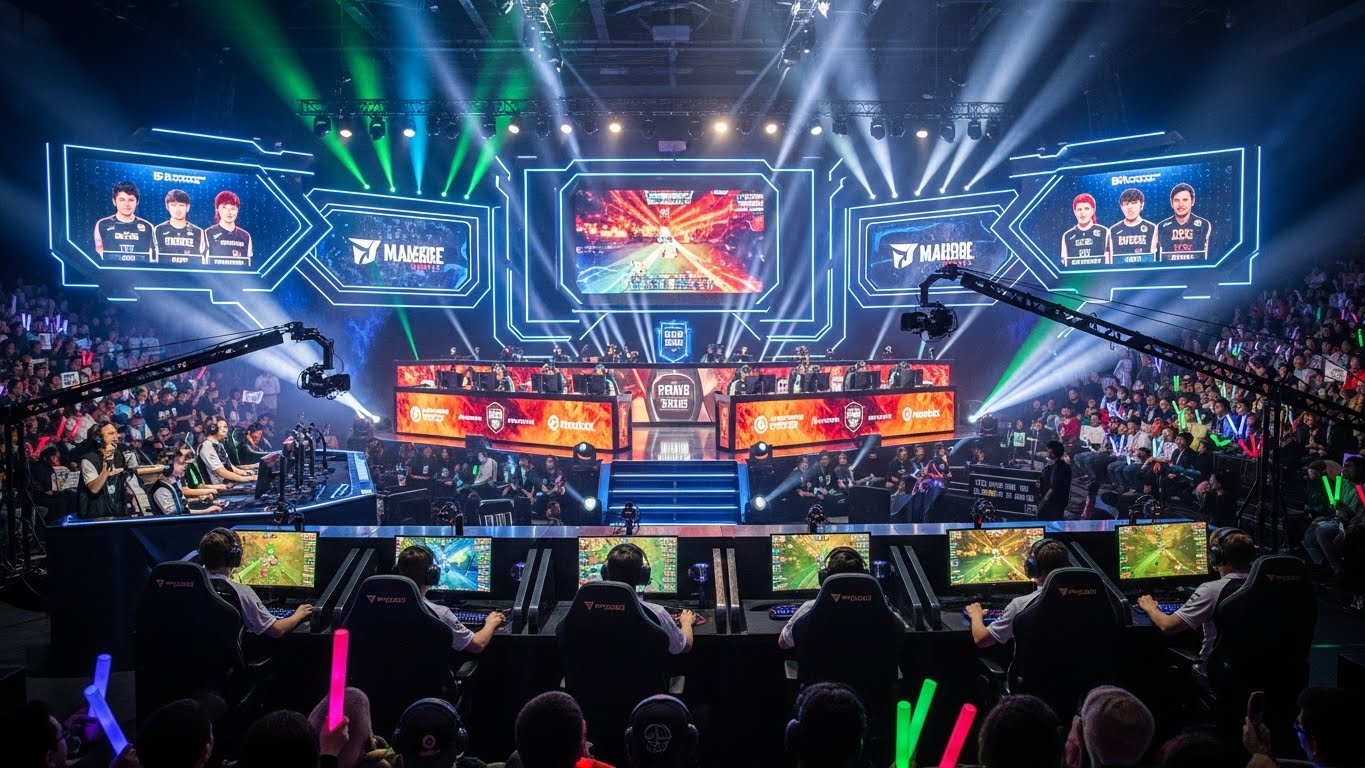
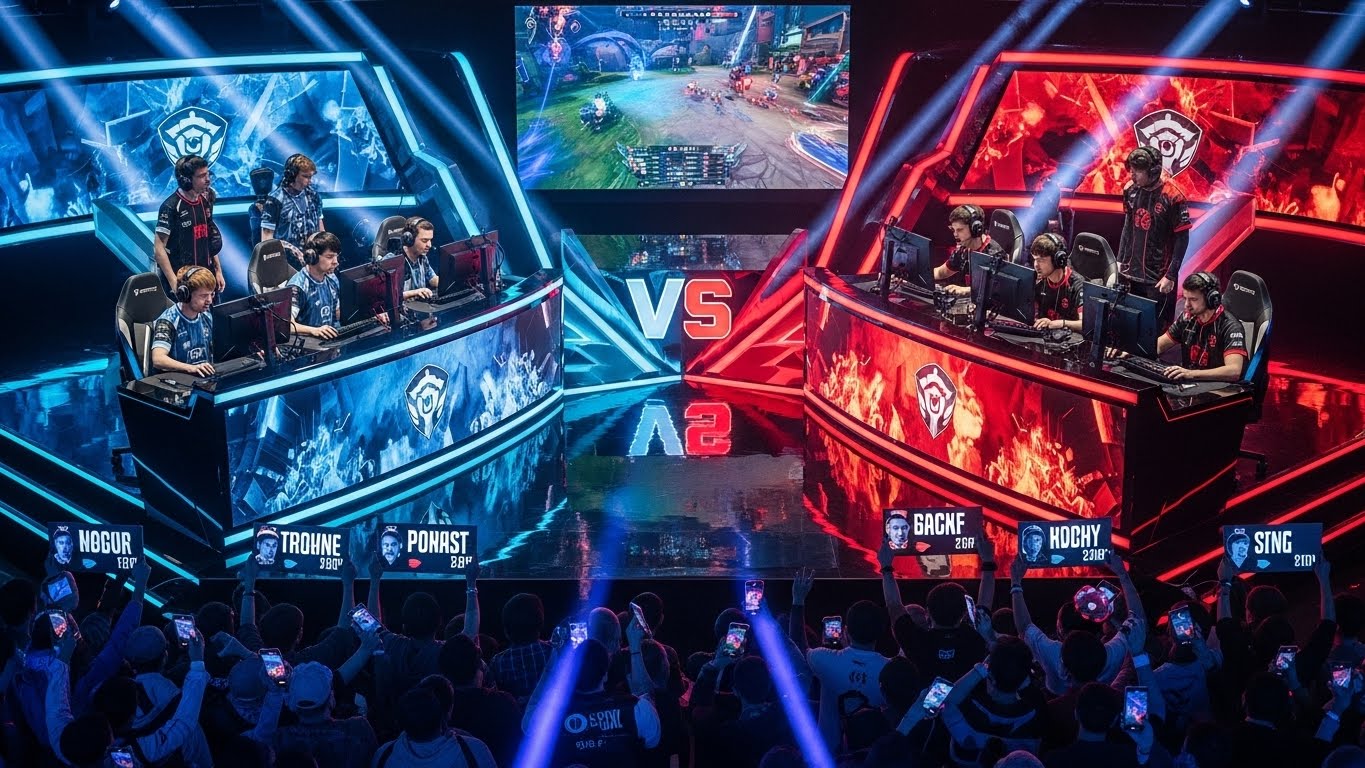
The most common format of esports tournaments consists of players or teams competing in leagues or one-off events. Some tournaments have prize pools reaching tens of millions of dollars, and the events are broadcasted worldwide, drawing in a diverse audience. Games like League of Legends, Dota 2, Fortnite, Counter-Strike: Global Offensive, and Overwatch are some of the most notable titles in the esports scene.
The Early Days of Esports
The roots of esports can be traced back to the early 1990s, where informal competitions were held in local gaming centers or through early online gaming platforms. Games like Street Fighter II, Quake, and StarCraft sparked the first professional competitions. However, it wasn’t until the late 2000s that esports began to gain serious momentum with the rise of games like Warcraft III and League of Legends.
The inception of major tournaments like the World Cyber Games (WCG) and the Electronic Sports World Cup (ESWC) marked a significant turning point, bringing esports to a global audience and introducing the concept of professional players and teams.
The Structure of Esports: From Amateur to Pro
Esports, like any traditional sport, has a clear structure: amateurs, semi-professionals, and professionals. The amateur scene is where most players begin their journey. Whether it’s playing in online ladders or local tournaments, this is the stage where skill is honed.
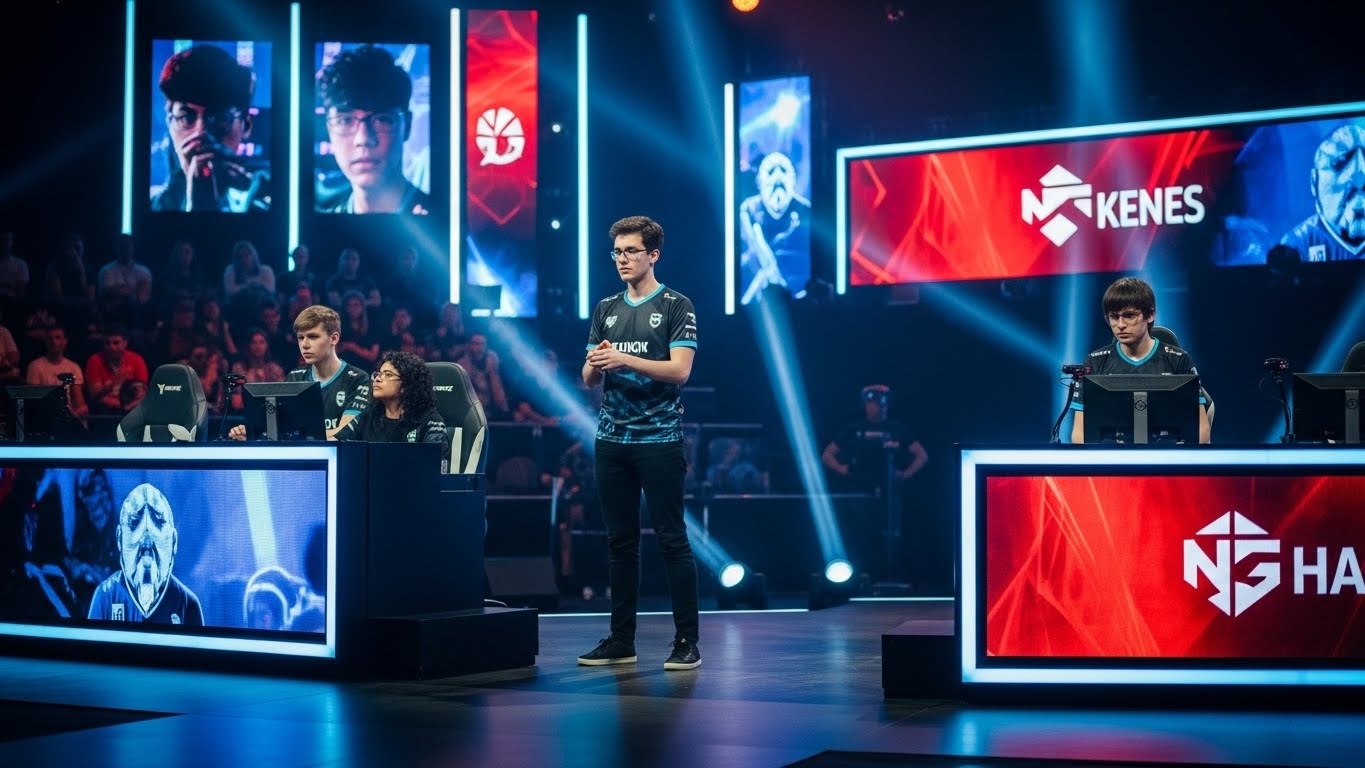
As players climb the ranks, some move into semi-professional play, where they start gaining recognition and potentially signing with teams or sponsors. Finally, the professional scene is where the big leagues operate. Players in this category often compete for hefty prize pools in top-tier tournaments and maintain sponsorships from major brands.
The Role of Esports Organizations
Esports organizations act as the backbone of the professional scene. These organizations manage teams, sign sponsorships, and ensure that players are given the necessary resources to succeed. Some of the most popular esports organizations include Team Liquid, Cloud9, FaZe Clan, G2 Esports, and Ninjas in Pyjamas.
Esports organizations are also essential in building a sustainable ecosystem. Many of them invest heavily in grassroots events, which helps to nurture young talent. Additionally, organizations often run their own leagues, providing structure to competitive gaming.
Esports Teams: Building the Dream
Just like traditional sports teams, esports teams are comprised of professional players who train rigorously to perfect their skills. Most esports players are highly specialized, mastering one or two games to become the best in their respective genres. Team-based games like Overwatch and Valorant require a high degree of coordination, communication, and strategy, while solo titles like StarCraft II and Counter-Strike: Global Offensive emphasize individual skill.
A typical esports team consists of players, coaches, analysts, and managers. Coaches help teams develop strategies and improve individual skills, while analysts break down gameplay to find weaknesses in opponents. Managers handle logistics, contracts, and sponsorships, while players focus on competing at the highest level.
The Business Behind Esports: A Billion-Dollar Industry
While esports is often associated with gaming culture and entertainment, it is also a highly lucrative business. According to Newzoo, the global esports industry generated over $1.1 billion in revenue in 2023, with projections to surpass $1.6 billion by 2027. This revenue comes from various streams, including sponsorships, media rights, merchandising, and ticket sales.
Sponsorships and Advertising
One of the major sources of revenue for esports is sponsorship. Major brands from outside the gaming world, such as Coca-Cola, Intel, Nike, and Mercedes-Benz, have all entered the esports sponsorship scene. These companies see esports as an untapped market with a young, engaged, and tech-savvy audience.
Advertising, both online and offline, also plays a significant role in esports’ profitability. As the industry grows, companies are increasingly looking to invest in esports to promote their products. Online platforms like Twitch and YouTube have become key players in the esports broadcasting ecosystem, generating substantial revenue through ad sales, subscriptions, and sponsored content.
Prize Pools and Streaming Revenue
Another major contributor to the revenue of esports is prize money. Top-tier esports tournaments have prize pools that range from a few hundred thousand to several million dollars. For example, The International (TI), a tournament for Dota 2, consistently features one of the largest prize pools in esports history, often exceeding $30 million.
Streaming platforms like Twitch have become the central hub for esports fans to watch live events. Streamers who attract large audiences also contribute to the overall revenue of the esports ecosystem. Twitch streamers often make money through ads, donations, subscriptions, and sponsorships, with some top influencers making millions annually.
Merchandising and Licensing
Merchandising has become another significant revenue stream for esports organizations and teams. Fans eagerly purchase jerseys, hats, and other branded items to support their favorite teams. Licensing deals with game developers and esports leagues further help organizations monetize their presence in the scene.
The Cultural Impact of Esports
Esports is no longer a niche interest; it has penetrated mainstream culture in ways that were unimaginable just a few years ago. What was once seen as a pastime for a select group of gamers has grown into a massive global phenomenon that impacts the entertainment, technology, and media industries.
The Rise of Streaming Platforms
Platforms like Twitch, YouTube Gaming, and Facebook Gaming have revolutionized the way people watch and interact with esports. Viewers no longer have to attend physical tournaments to catch the action; they can watch live streams from the comfort of their homes, often engaging with streamers through live chats, donations, and subscriptions.
The live nature of esports broadcasts creates an interactive experience for fans, unlike traditional sports. Fans can directly communicate with players and casters, influencing the content they consume. This level of interaction has helped esports foster a community-oriented atmosphere that continues to grow worldwide.
The Global Appeal
Esports is a global phenomenon, with players, teams, and fans from virtually every corner of the world. While certain regions, such as North America, Europe, and Asia, have become dominant forces in the esports ecosystem, the growing accessibility of the internet and gaming platforms has enabled people from less-developed regions to participate in the scene. Countries like South Korea, China, and Brazil have developed rich esports cultures, producing some of the world’s best players.
Esports events attract massive viewership from a diverse range of demographics. In fact, the 2023 League of Legends World Championship drew in over 100 million viewers—a number that rivals traditional sports events like the Super Bowl.
The Integration of Esports into Traditional Sports
Esports’ mainstream acceptance has led to collaborations between traditional sports leagues and esports organizations. Football teams like Manchester City and Paris Saint-Germain have created their own esports divisions, while brands like Nike and Adidas are now producing gaming apparel.
Additionally, some major sports networks, including ESPN and Fox Sports, have begun to broadcast esports events, signaling the growing cultural acceptance of gaming as a legitimate form of entertainment.
The Future of Esports: What’s Next?
As esports continues to evolve, the future holds exciting possibilities. Here are a few key trends to watch for:
Esports in Education
The integration of esports into education is growing rapidly, with many schools and universities offering esports programs and scholarships. This move is helping to legitimize gaming as more than just a hobby and encourages students to pursue careers in game development, broadcasting, marketing, and other esports-related fields.
Virtual Reality (VR) and Augmented Reality (AR)
The rise of VR and AR technology could redefine esports in the near future. Imagine competing in a fully immersive virtual environment, where players are physically engaged in the gameplay. These technologies have the potential to create new genres of esports games and provide even more engaging experiences for both players and viewers.
The Esports Olympics?
The idea of an esports inclusion in the Olympics has been floated for years, and with the growing global appeal of esports, it’s no longer a far-fetched dream. The International Olympic Committee (IOC) has even explored the possibility of incorporating esports into the Olympic Games, which could further elevate the legitimacy of esports as a sport.