championplay05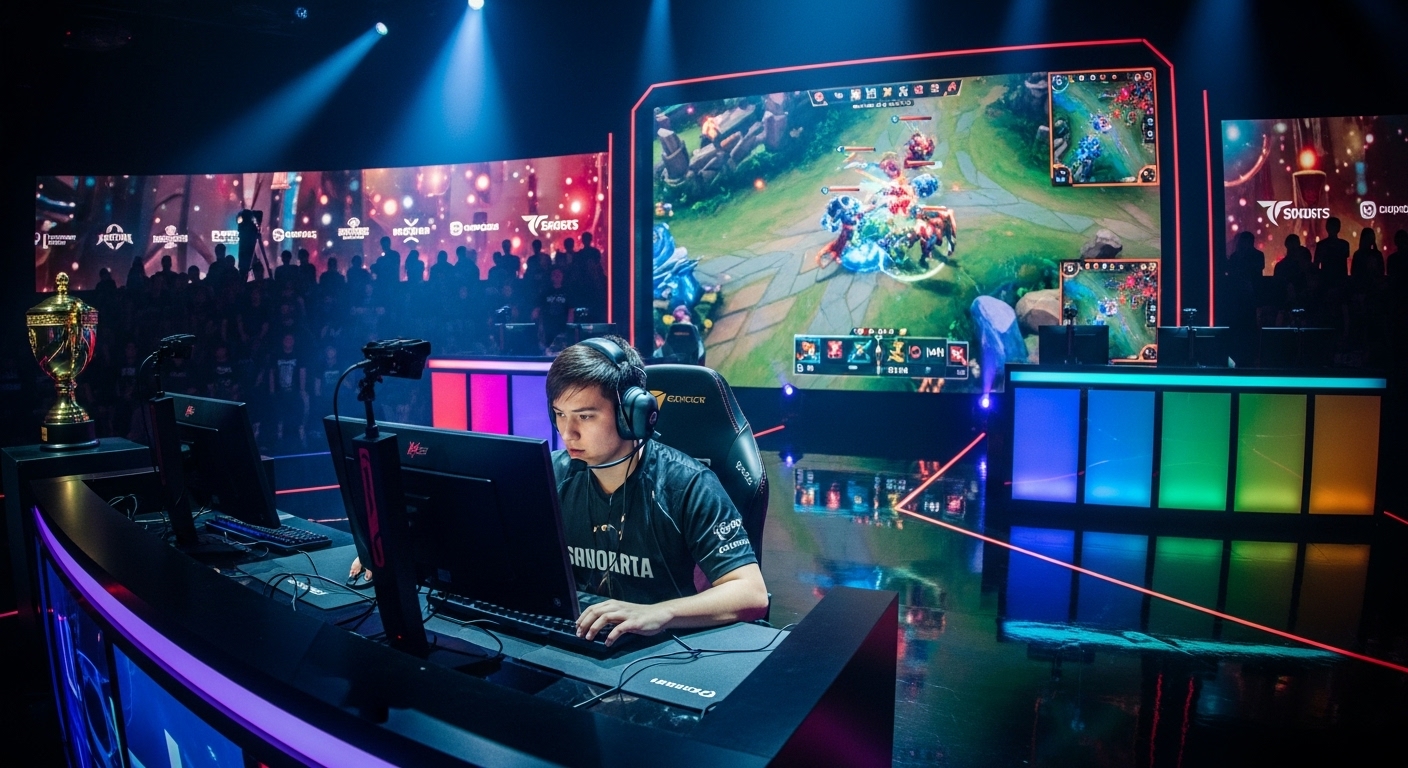
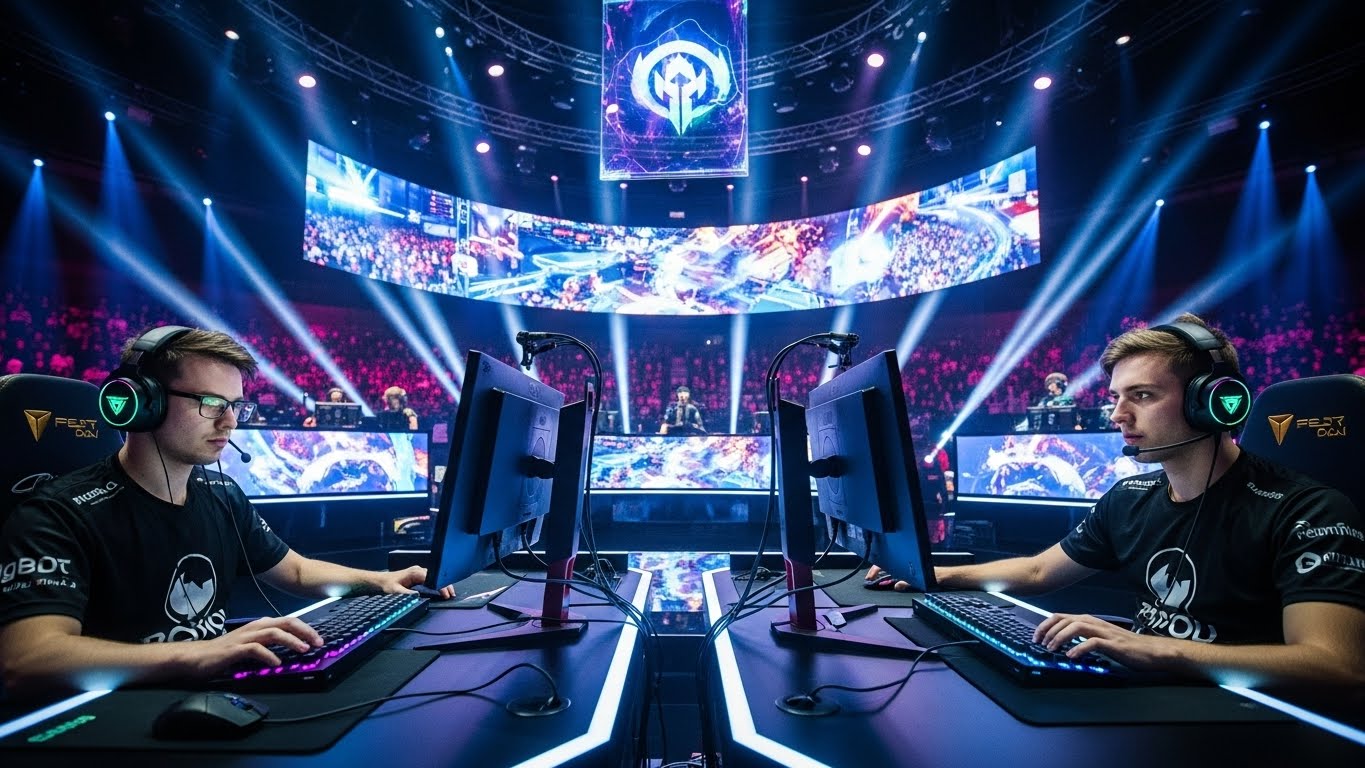
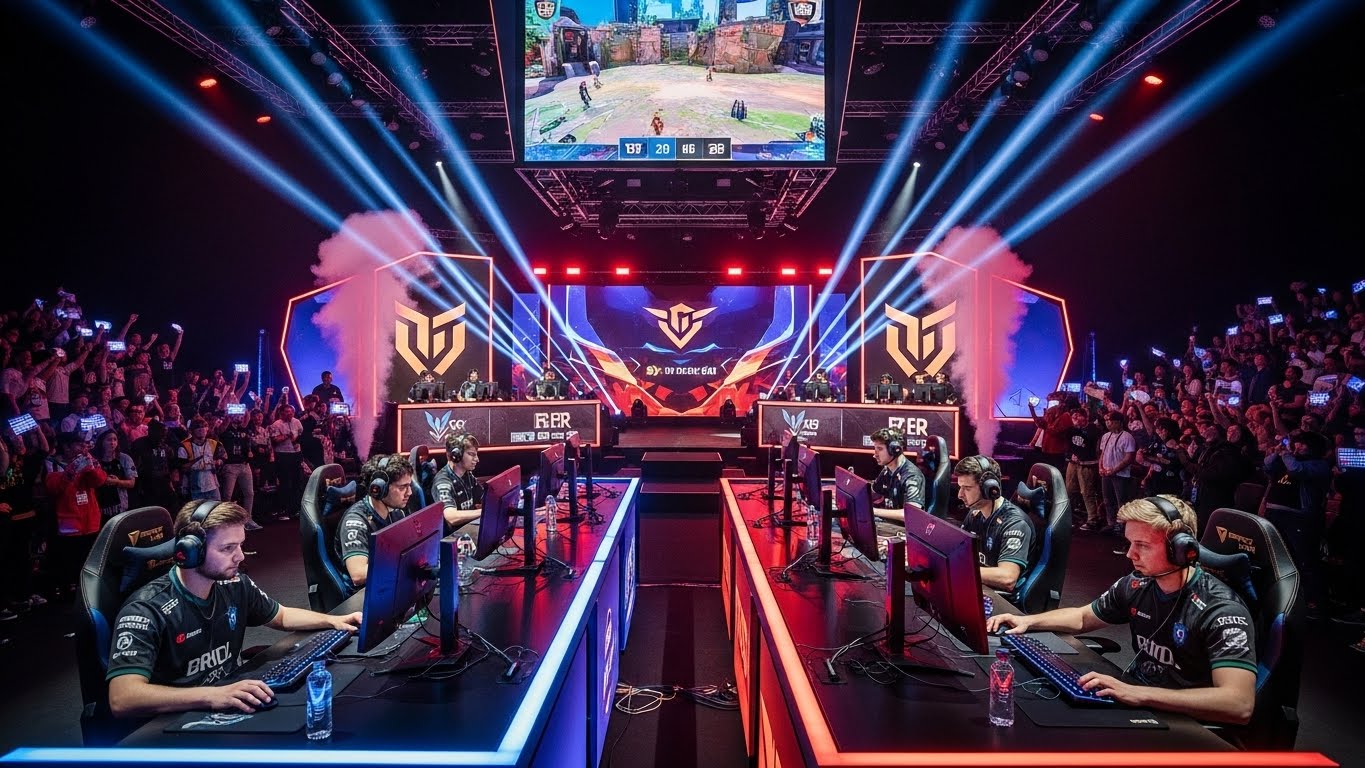
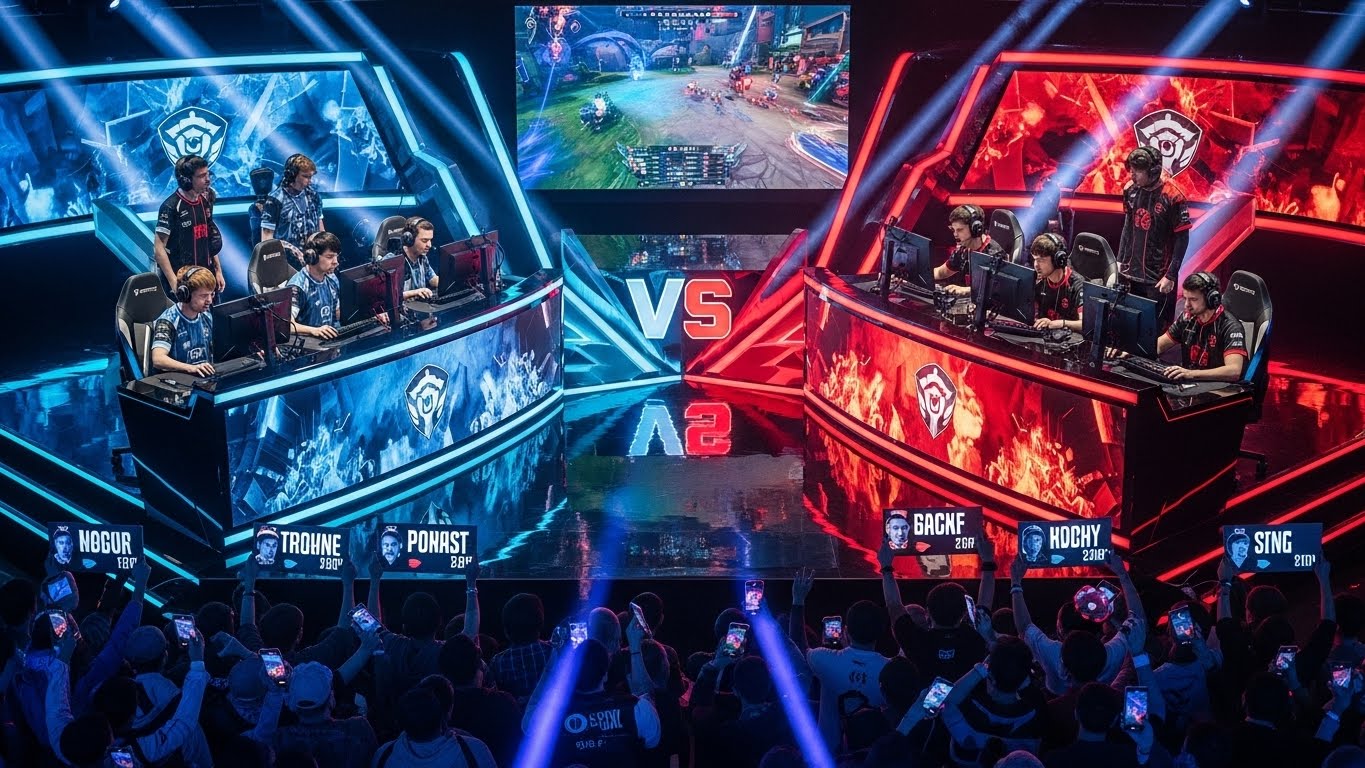
Esports has transformed from a niche hobby to a multi-billion-dollar global industry in just a few decades. What started as a small gathering of players competing in arcades or LAN tournaments has now evolved into a massive, organized, and highly profitable sector that rivals traditional sports in popularity and viewership. In this blog post, we will explore the history, current trends, and future prospects of esports, diving deep into its cultural impact, economic influence, and technological advancements that have shaped its meteoric rise.
1. The Origins of Esports: From Hobby to Global Phenomenon
The roots of esports can be traced back to the early 1970s, when the first video game competitions began to emerge. One of the earliest known tournaments was the “Intergalactic Spacewar Olympics” held in 1972 at Stanford University, where players competed in the game Spacewar. These events were small, local gatherings, and competitive gaming remained a niche interest for many years.
The 1990s marked a pivotal moment in the history of esports, with the advent of more sophisticated games and the rise of the internet. Games like Doom, Warcraft, and Starcraft created the foundation for the first real competitive gaming scenes. The success of these games gave rise to online multiplayer games and the creation of organized tournaments. In 1997, the Red Annihilation tournament, featuring Quake, offered a grand prize of a Ferrari, highlighting the potential for large-scale events in competitive gaming.
However, it wasn’t until the early 2000s that esports began to gain mainstream attention. The launch of platforms like Battle.net and GameSpy allowed players to compete against each other on a global scale, and the rise of games like Starcraft: Brood War and Warcraft III in South Korea helped establish esports as a legitimate, organized industry. South Korea, in particular, became the birthplace of modern esports, with dedicated TV channels broadcasting tournaments and professional players achieving celebrity status.
2. The Rise of Esports in the 21st Century
With the turn of the century came an explosion in the popularity of esports, driven by several key factors. The increasing accessibility of high-speed internet and the proliferation of online gaming platforms like Steam and Twitch made it easier for players from all over the world to connect, compete, and view competitive gaming events. This global interconnectedness led to the creation of massive tournaments, many of which offered substantial cash prizes.
A few standout games played a critical role in the rapid rise of esports. League of Legends (LoL), Counter-Strike, and Dota 2 became the pillars of competitive gaming, attracting millions of players and viewers alike. Riot Games’ League of Legends, which launched in 2009, played a particularly influential role, with its annual World Championship becoming one of the most-watched esports events in the world. Dota 2, developed by Valve, also set records with its multi-million-dollar prize pools, attracting top-tier players and organizations.
Twitch, launched in 2011, was another key player in the rise of esports. The streaming platform allowed players to broadcast their gameplay to a global audience, and it quickly became the go-to destination for competitive gaming content. The platform helped foster a new era of esports fans, many of whom tuned in to watch their favorite players and teams compete in live tournaments.
The increasing popularity of esports also led to the emergence of esports organizations, which began to recruit top players and form professional teams. These organizations mirrored traditional sports teams in terms of structure, sponsorships, and marketing, with some organizations securing major sponsorship deals with global brands such as Coca-Cola, Red Bull, and Intel.
3. Esports as a Cultural Phenomenon
Esports has transcended the realm of gaming to become a cultural phenomenon. In many ways, esports has become a form of entertainment on par with traditional sports, with a growing fanbase that spans across generations, cultures, and geographic locations. For many young people, esports represents more than just a game—it is a lifestyle, a form of social interaction, and a way to connect with others.
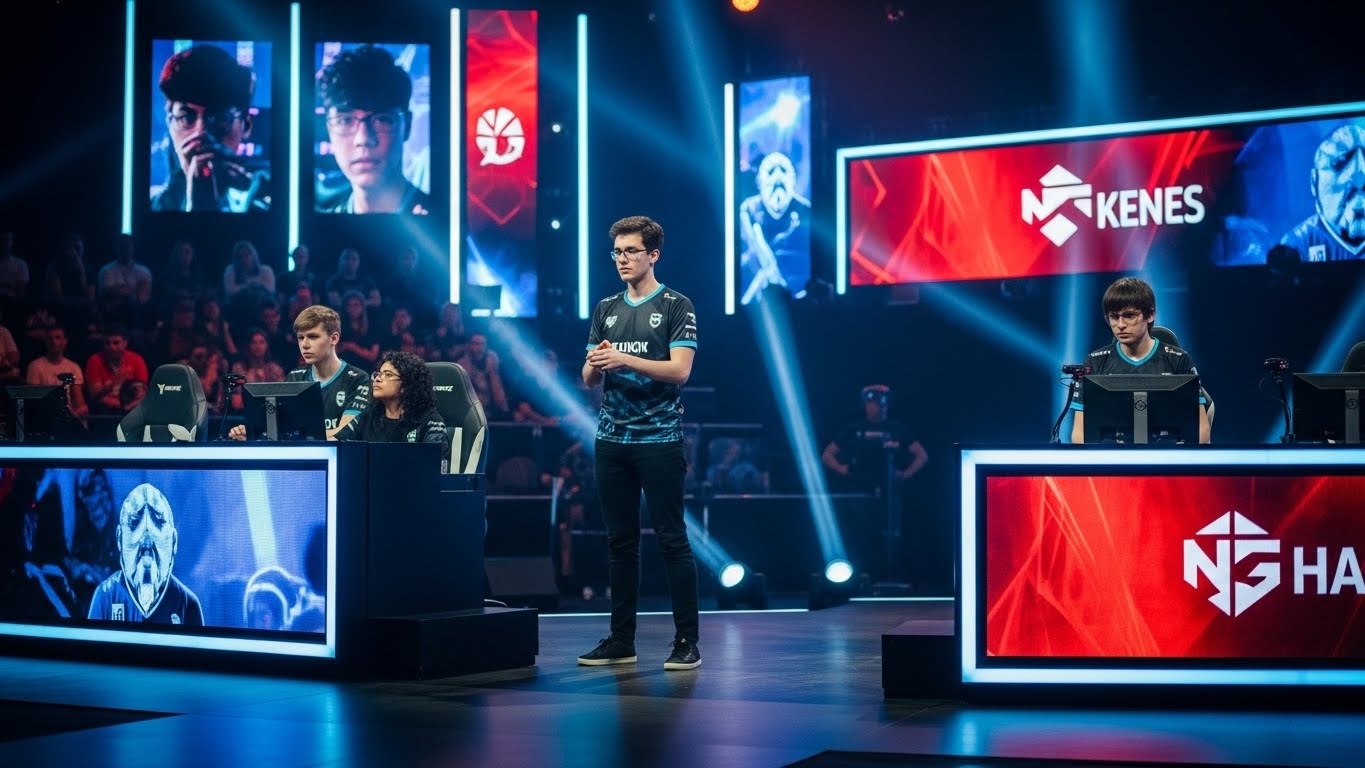
The rise of esports has also had a profound impact on pop culture. Esports athletes, often referred to as “pro gamers,” have become celebrities in their own right, with millions of followers on social media platforms and large fanbases who watch their streams or attend live tournaments. These players often garner the same level of adoration and recognition as traditional athletes in other sports.
In addition to individual recognition, esports has fostered the growth of communities. Fans of games like League of Legends, Overwatch, and Fortnite gather online to discuss strategies, cheer for their favorite players, and form friendships. Esports also plays an important role in fostering a sense of belonging among players who may not have access to traditional sports or social groups in their local communities.
Moreover, esports has become increasingly integrated with mainstream entertainment. Popular music artists and celebrities have invested in esports teams, and major events like the League of Legends World Championship have attracted A-list musical acts to perform at the opening ceremonies. This crossover between esports and mainstream entertainment is helping to further solidify the industry’s place in global pop culture.
4. The Economic Impact of Esports
The economic impact of esports cannot be overstated. What was once a hobby for a select few is now a multi-billion-dollar industry, with estimates placing the global esports market at over $1.5 billion in 2024. The revenue generated by esports comes from a variety of sources, including sponsorships, media rights, ticket sales, merchandise, and advertising.
One of the primary revenue drivers is sponsorships. Major corporations are investing heavily in esports, seeing the potential to reach a young, tech-savvy audience. Brands like Intel, Coca-Cola, and Nike have partnered with esports teams and events to promote their products to a global, engaged fanbase. These partnerships not only provide teams with much-needed funding but also help promote esports to a wider audience.
In addition to sponsorships, media rights have become a significant source of revenue for the industry. Platforms like Twitch and YouTube have secured exclusive broadcasting rights for major esports tournaments, allowing them to generate revenue through ads, subscriptions, and partnerships with the game developers themselves. This has enabled esports organizations and players to secure steady incomes, making esports a viable career option for talented gamers.
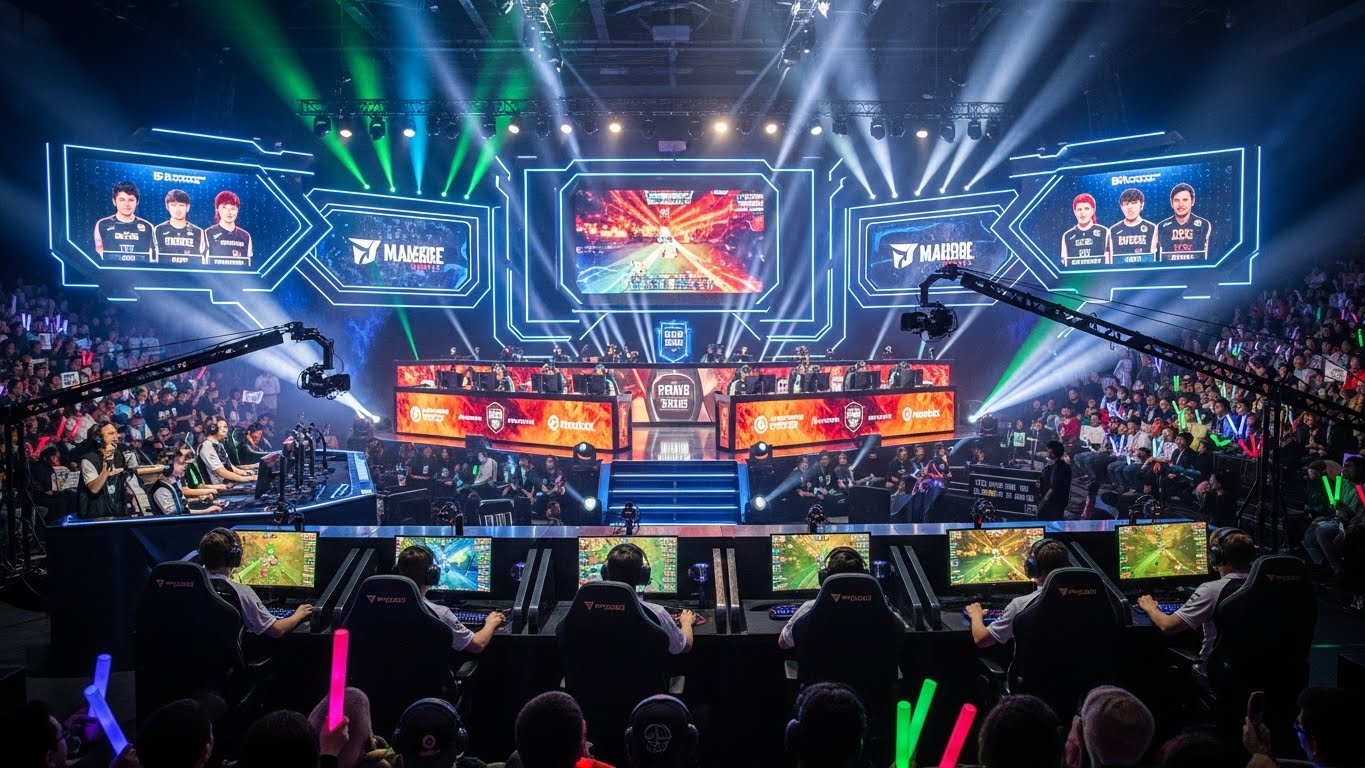
Furthermore, ticket sales for live tournaments have contributed significantly to the economic growth of esports. Events like The International (Dota 2’s World Championship) and the League of Legends World Championship regularly fill massive arenas with tens of thousands of spectators. These events, along with smaller-scale regional competitions, generate significant revenue from ticket sales, merchandise, and live streaming.
5. The Future of Esports: Trends and Innovations
The future of esports looks incredibly promising, with several key trends and innovations shaping the landscape of competitive gaming.
1. Esports in Education: One of the most exciting trends in esports is its increasing integration into education. Many universities around the world are now offering esports scholarships and creating dedicated esports programs to help students pursue careers in competitive gaming, game design, or esports management. High school esports leagues have also started to gain traction, offering young gamers the opportunity to compete and develop their skills from an early age.
2. Virtual Reality (VR) and Augmented Reality (AR): As technology continues to evolve, virtual and augmented reality are poised to revolutionize esports. Games in VR allow players to experience a fully immersive environment, while AR could offer unique ways for spectators to engage with live events. The next frontier in esports may involve entirely new forms of gameplay, and we may see a shift toward more interactive, immersive experiences for both players and fans.
3. The Rise of Mobile Esports: While PC and console gaming have dominated the esports world for years, mobile esports are on the rise. Games like PUBG Mobile, Free Fire, and Clash Royale have attracted huge audiences, particularly in Asia and developing markets. As mobile gaming continues to improve in terms of graphics and gameplay, mobile esports could become a major player on the global stage.
4. Increased Investment and Corporate Sponsorship: As esports continues to grow, more traditional sports organizations and big tech companies are entering the space. This increased investment will likely lead to further professionalization of the industry, with more stable and lucrative career paths for players, coaches, and other industry professionals.
5. Esports and Traditional Sports Integration: The line between esports and traditional sports continues to blur. Some traditional sports leagues, such as the NBA and NFL, have launched their own esports leagues or partnered with existing esports organizations. This cross-pollination of esports and traditional sports could lead to a new era of hybrid entertainment, where fans can enjoy both types of events and experiences.
Conclusion: Esports as a Global Force
Esports has come a long way from its humble beginnings as a niche hobby to becoming a major cultural and economic force. With its growing fanbase, substantial economic impact, and increasing integration into mainstream entertainment, esports is poised to continue its upward trajectory in the years to come. As technology advances, new trends emerge, and the industry becomes more professionalized, esports will likely solidify its place as one of the most popular forms of entertainment in the world.
The competitive gaming revolution is far from over—if anything, it’s just getting started. Whether you’re a seasoned pro, a casual viewer, or someone who’s just beginning to explore the world of esports, one thing is clear: the future of competitive gaming is bright, exciting, and full of potential.