championplay05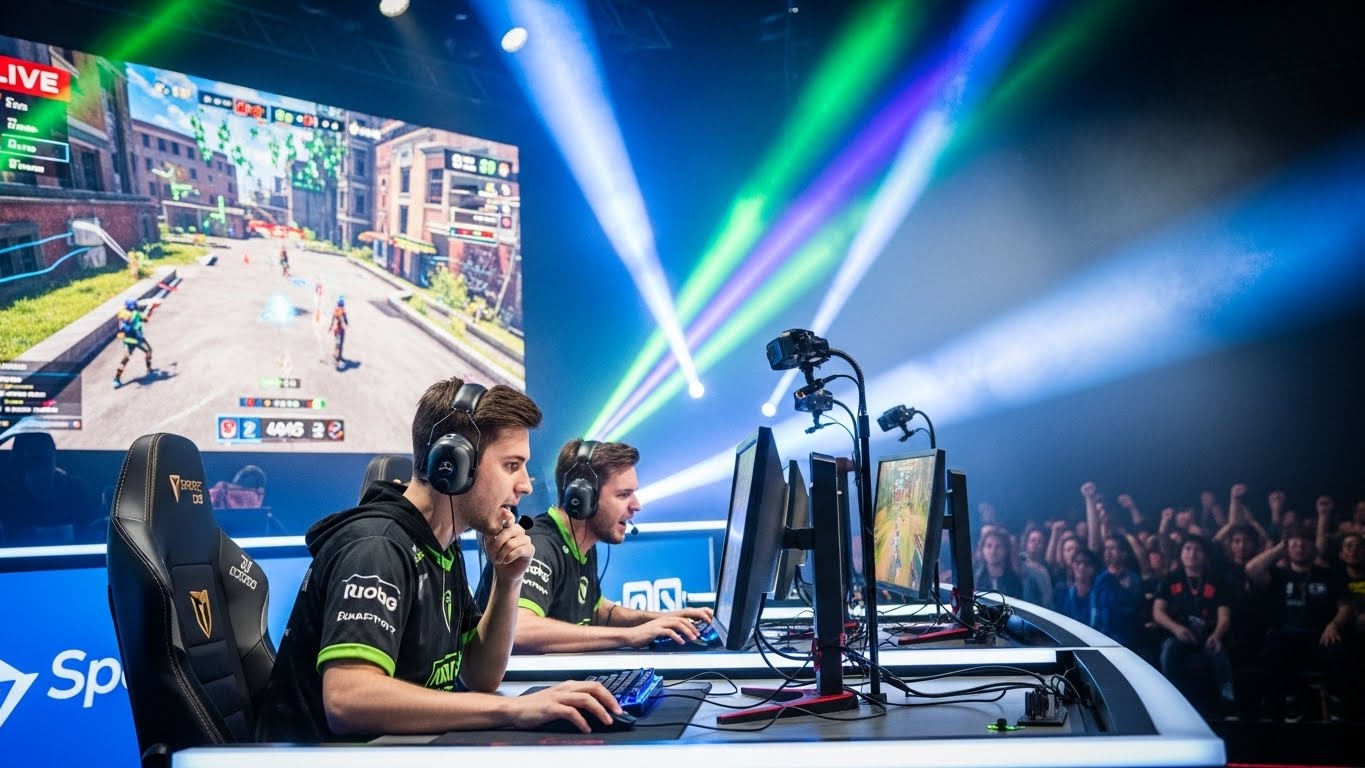
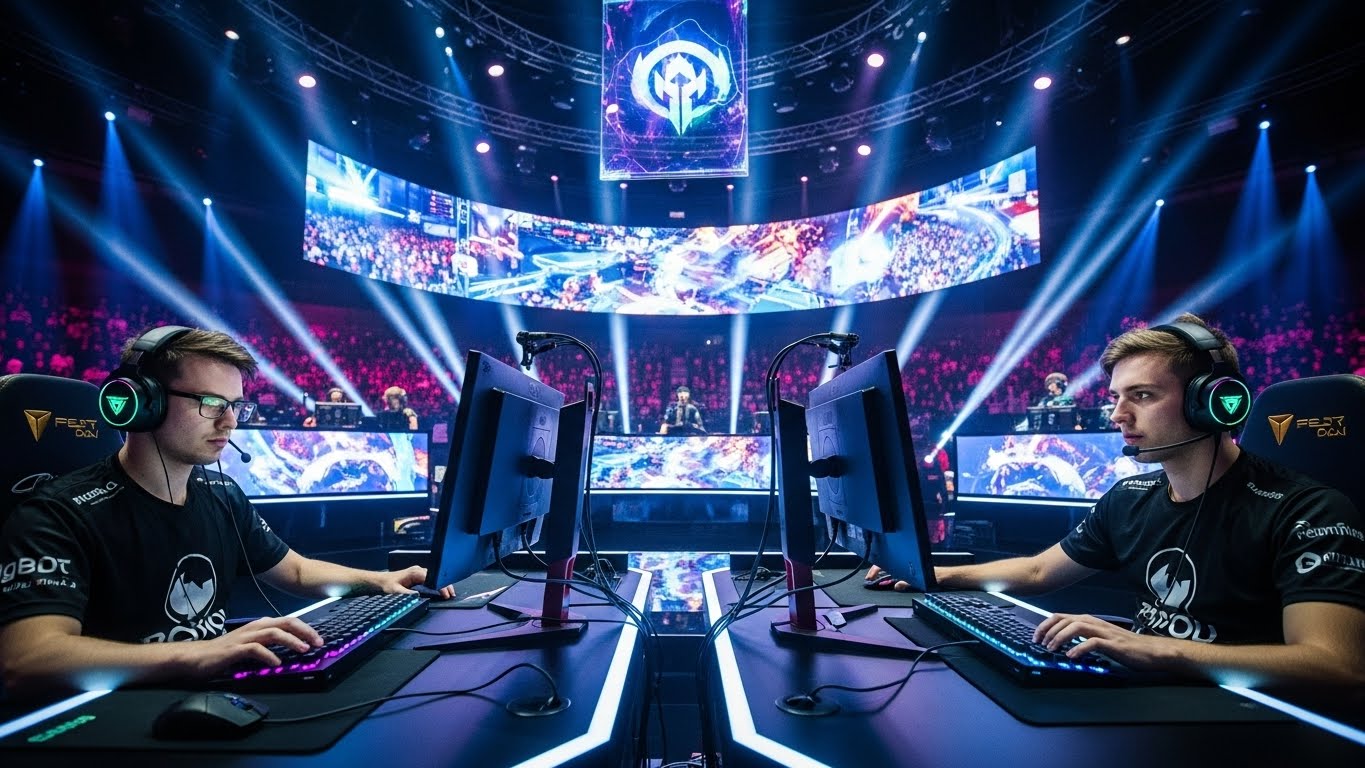
Esports, once a niche hobby for a small group of gamers, has evolved into a global phenomenon over the past two decades. What started as local tournaments and informal online matches has now grown into a multi-billion-dollar industry, with millions of fans, professional players, teams, and organizations. From being showcased at major sports arenas to streaming on platforms like Twitch and YouTube, esports has firmly established itself as a mainstream form of entertainment. But what does the future hold for this rapidly growing industry? In this blog post, we’ll take a deep dive into the world of esports, examining its rise, its impact on culture, and its exciting future.
The Origins of Esports: A Passion Turned Profession
From Arcade Games to Digital Tournaments
The roots of esports can be traced back to the 1990s when competitive gaming began in the form of LAN (Local Area Network) parties, where gamers gathered to play multiplayer games in the same physical location. These informal competitions slowly evolved into larger-scale events. However, the true turning point came in the early 2000s with the rise of broadband internet. This allowed players to compete online from the comfort of their homes, and platforms like Battle.net (Blizzard’s online service) and Xbox Live made it easier for players to connect and compete with one another.
In the mid-2000s, major tournaments such as the World Cyber Games (WCG) and the Electronic Sports World Cup (ESWC) began to draw in large crowds and attract sponsorships. Games like Warcraft III, StarCraft, and Counter-Strike became staples of the esports scene, setting the foundation for what we now recognize as professional competitive gaming.
The Birth of Streaming and Esports Accessibility
A critical factor in esports’ meteoric rise was the advent of online streaming. In 2011, Justin.tv (which later evolved into Twitch) offered a platform for gamers to broadcast their gameplay live to audiences around the world. This provided fans with an entirely new way to engage with competitive gaming. Not only could they watch the best players in action, but they could also interact with them through live chat, creating a sense of community.
Twitch’s growth in particular marked a turning point for esports, allowing tournaments to be broadcast in real-time to a global audience. Esports tournaments like League of Legends World Championship, The International (Dota 2), and CS:GO Majors began drawing millions of viewers, some of whom would watch for hours, even days at a time. The streaming culture helped build and solidify esports’ place in the entertainment industry, with viewership numbers rivaling that of traditional sports.
The Rise of Professional Esports: The Birth of Esports Organizations
From Casual Competitors to Full-Time Professionals
As esports gained popularity, many players began to see it as a viable career. Professional teams and organizations began forming, offering players salaries, sponsorships, and opportunities to compete in prestigious tournaments. Titles like League of Legends, Dota 2, Fortnite, and Overwatch became the breeding grounds for pro teams, all vying for fame and fortune.
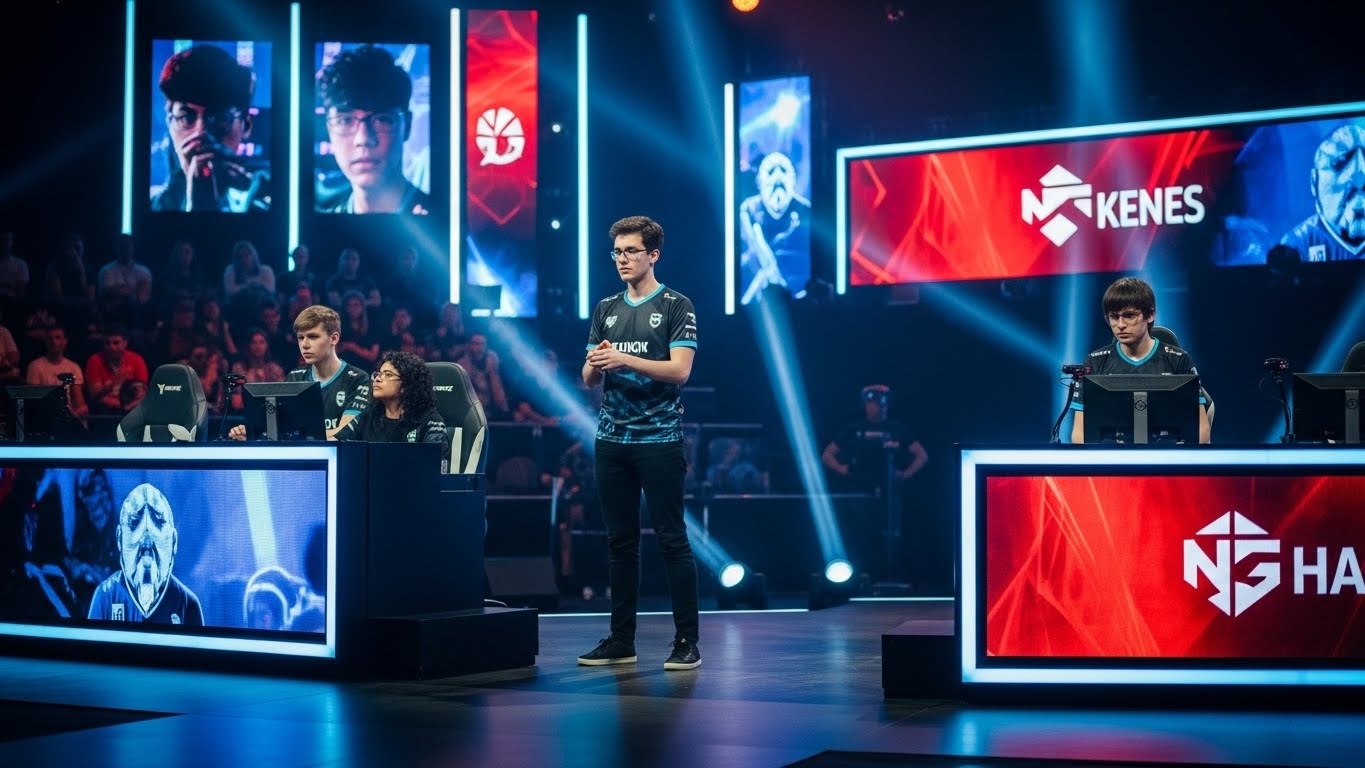
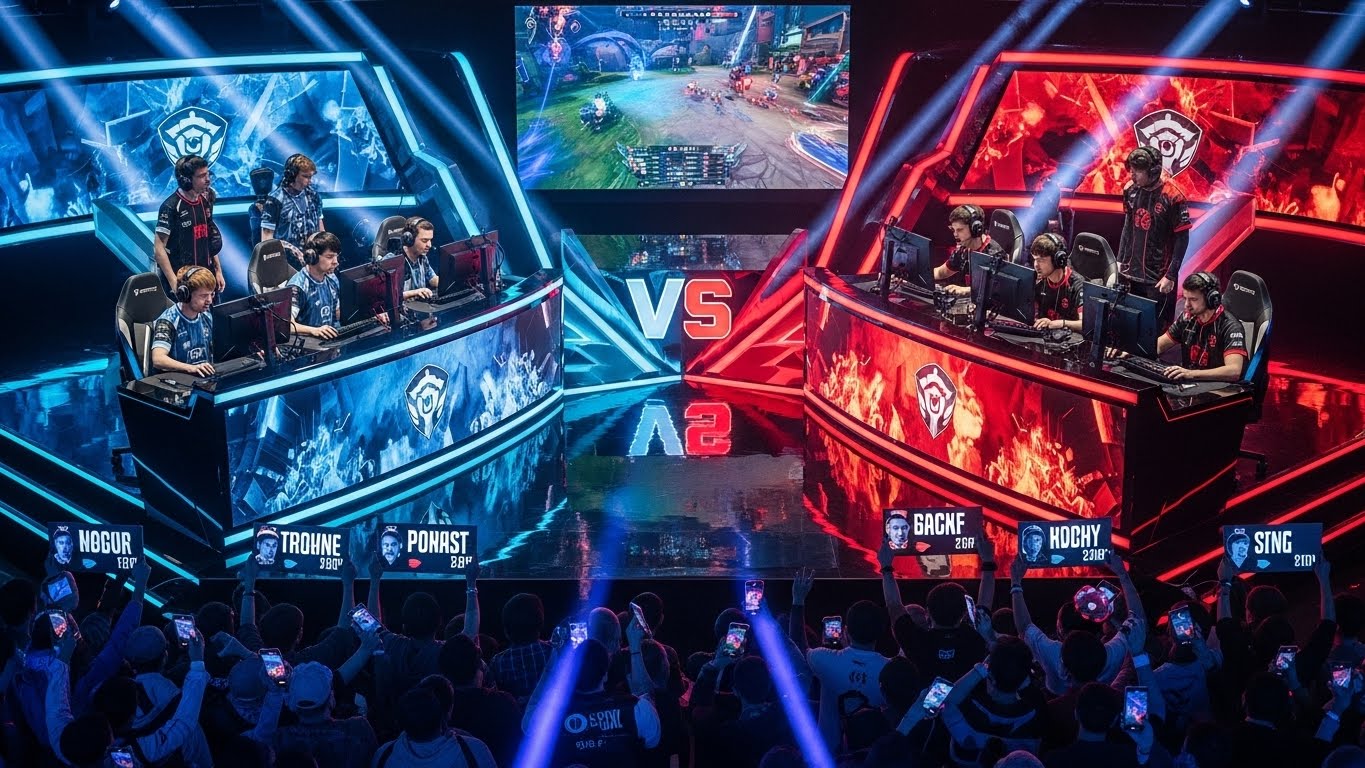
The growth of esports organizations paralleled the expansion of major leagues and competitions. The Overwatch League (OWL), launched in 2018, was one of the first attempts to structure esports like a traditional sports league. It featured franchise-based teams, regular seasons, and global playoffs, similar to the structure of the NBA or NFL. League of Legends’ World Championship also became an annual tradition, attracting millions of viewers and offering substantial prize pools. Players now had the opportunity to become celebrities in their own right, with large fanbases, sponsorships from global brands, and endorsements from top companies.
The Influence of Esports Sponsorship and Investment
Sponsorship has played a critical role in the growth of esports, with companies like Red Bull, Intel, Coca-Cola, and Mercedes-Benz investing heavily in the scene. These companies recognize the vast potential of reaching young, tech-savvy audiences who are increasingly turning away from traditional media. For instance, the partnership between Riot Games (the developer of League of Legends) and multiple major brands has helped elevate LoL into one of the most successful esports franchises globally.
Furthermore, esports has attracted investments from venture capital firms, traditional sports organizations, and even celebrities. The Miami Heat NBA team, for example, has invested in the Team Dignitas esports organization, while prominent figures like Michael Jordan and Drake have also become involved in various esports ventures. These investments show the growing recognition of esports as a legitimate and profitable form of entertainment, with potential for future growth.
The Changing Dynamics of Esports Competitions
The Increasing Popularity of Mobile Gaming
In recent years, mobile gaming has experienced explosive growth. Titles like PUBG Mobile, Free Fire, and Clash Royale have taken the esports scene by storm, especially in regions like Southeast Asia and India, where mobile phones are the primary gaming device. Esports competitions that focus on mobile gaming have grown in prominence, offering new opportunities for professional players to rise through the ranks. Major tournaments like PMCO (PUBG Mobile Club Open) and Free Fire World Series have attracted millions of viewers and offered significant prize pools.
Mobile esports is a game-changer, as it democratizes access to competitive gaming. Unlike traditional PC or console gaming, which requires high-end hardware, mobile gaming can be accessed by anyone with a smartphone, making it more inclusive and accessible.
The Integration of Virtual Reality and Augmented Reality
The future of esports could also see the integration of virtual reality (VR) and augmented reality (AR). VR has already begun to make waves in the gaming industry with titles like Beat Saber and VRChat, and there is potential for it to become a core component of esports. In fact, VR esports tournaments have been hosted in niche circles, showcasing competitive VR games like Echo Arena. Over time, as VR technology improves and becomes more accessible, it’s possible that VR could take competitive gaming to new heights, offering players an immersive and physical experience that goes beyond traditional gaming.
Similarly, augmented reality could enhance the viewing experience for fans. Imagine watching a League of Legends match and being able to interact with the players’ strategies in real-time, or experiencing a Dota 2 team fight from different angles using AR glasses. The possibilities for combining esports with immersive technologies like VR and AR are vast, and we may see these technologies revolutionize the way we engage with competitive gaming in the coming years.
Esports as a Cultural and Social Force
Changing Perceptions of Gaming
The rise of esports has played a major role in changing the public’s perception of gaming. What was once considered a solitary or anti-social activity is now viewed as a legitimate form of competition and entertainment. Major media outlets and traditional sports networks, such as ESPN and Turner Sports, have begun broadcasting esports tournaments, further cementing the idea that esports is a legitimate and respected form of competition.
Additionally, esports has become a global social phenomenon. Communities of fans form around games, players, and teams, creating a sense of belonging and camaraderie. This shift is particularly important for younger generations, who see esports as an avenue to connect with others and build social connections in a virtual space. Esports also provides a platform for diversity, with players from different backgrounds, cultures, and genders participating and excelling in competitive gaming.
The Role of College Esports
Collegiate esports is another emerging trend, with universities and colleges offering esports scholarships, organizing tournaments, and developing dedicated gaming facilities. Esports programs are now being considered by some educational institutions as seriously as traditional sports teams. In the United States, the National Association of Collegiate Esports (NACE) has worked to establish standards and provide support to college-level players. With increasing support from universities and major gaming organizations, the next generation of professional gamers is likely to come from college programs, where aspiring players can hone their skills before entering the pro scene.
The Future of Esports: What Lies Ahead?
Expansion into Traditional Sports Arenas
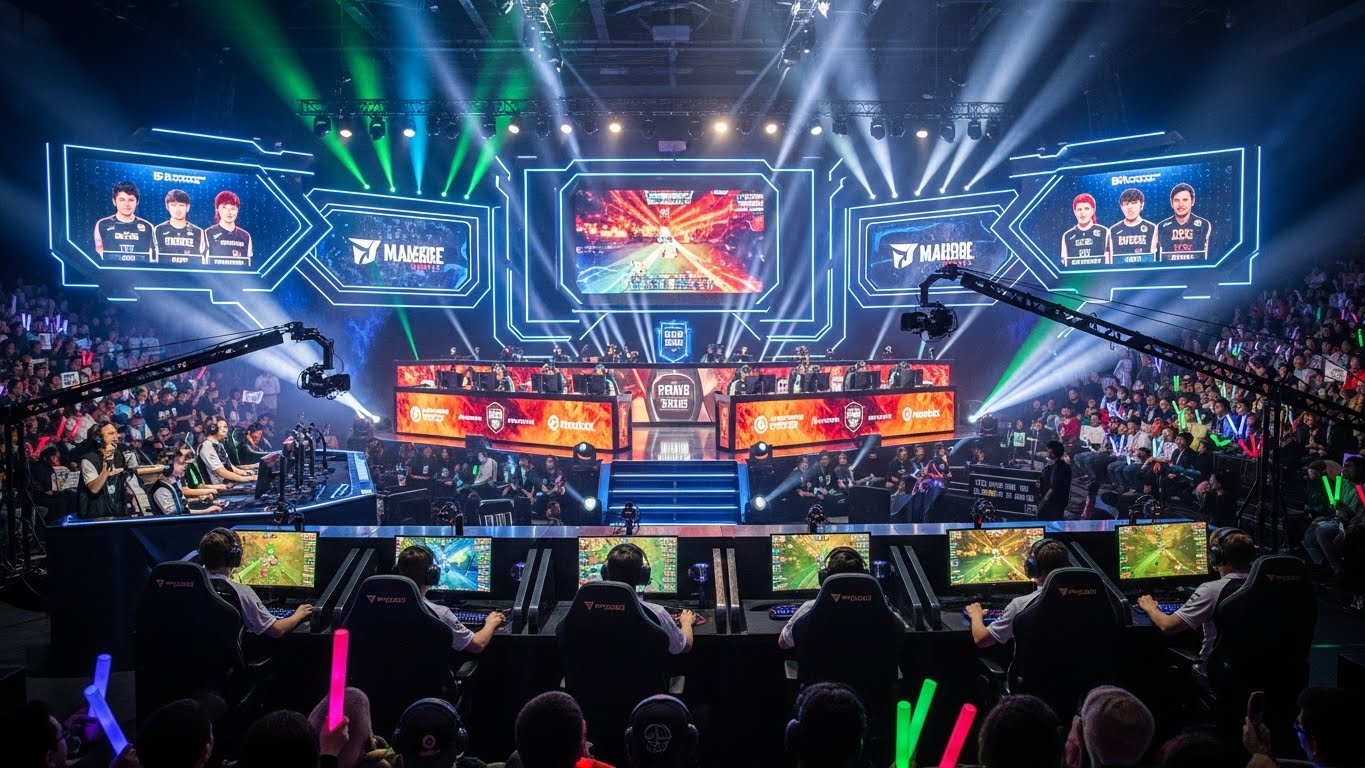
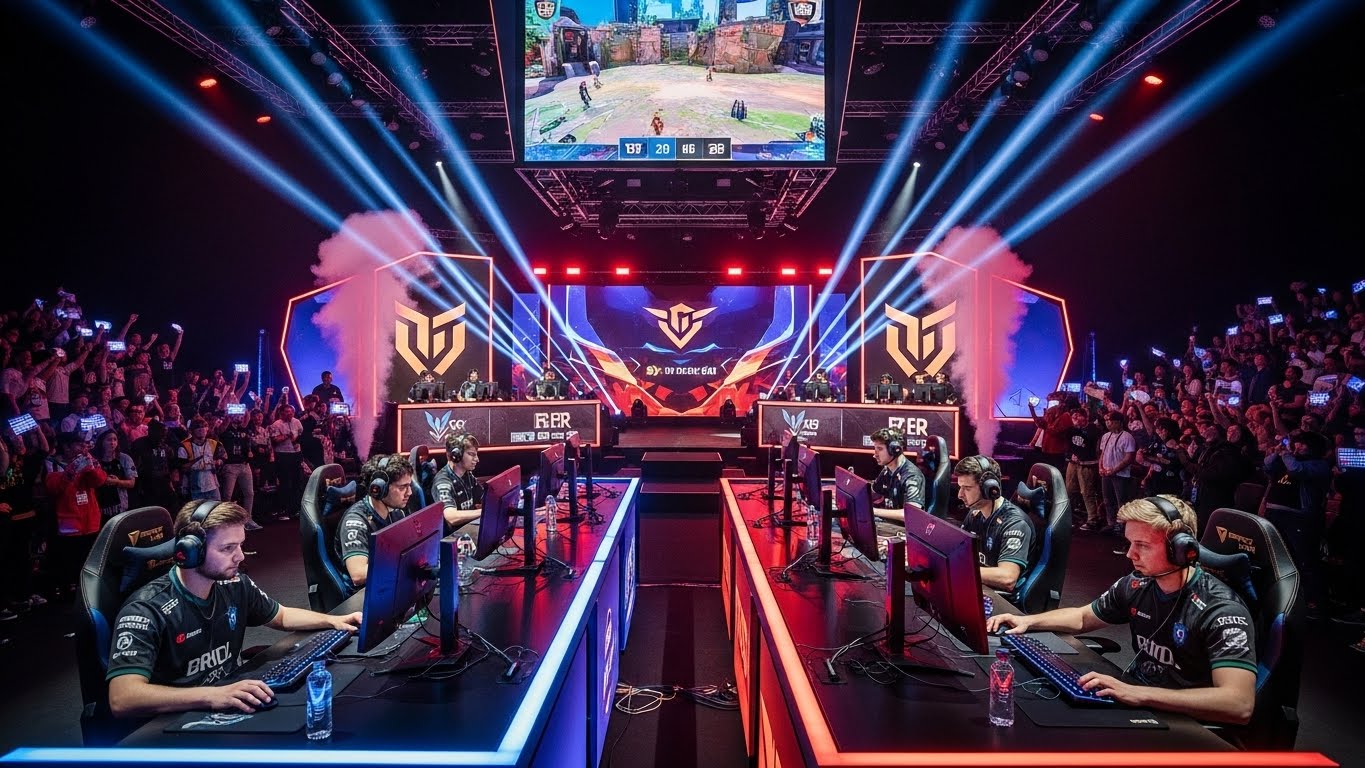
Esports will continue to grow in prominence over the next decade, and one major trend we’re likely to see is the further integration of esports into traditional sports venues. Major cities are already building dedicated esports arenas, like the Esports Stadium Arlington in Texas or the HyperX Esports Arena in Las Vegas, which host live events that draw thousands of fans. As esports continues to grow in popularity, it’s likely that large-scale competitions will be held in iconic sports venues, such as the Madison Square Garden in New York or the Wembley Stadium in London, mirroring the experience of watching a traditional sports event.
New Game Titles and Globalization of Esports
As more games emerge and new titles gain popularity, the esports ecosystem will become even more diverse. While games like League of Legends, Dota 2, and Counter-Strike: Global Offensive will continue to dominate, newer titles with innovative mechanics and structures are likely to emerge. Additionally, the globalization of esports will continue, with more international tournaments and leagues catering to a wider range of languages, cultures, and regions.
Esports’ global appeal means that it will continue to break barriers, uniting people from different parts of the world through a shared love of gaming. This will likely lead to even larger prize pools, bigger fanbases, and more sponsorship deals.
Conclusion: The Future is Bright for Esports
Esports has firmly established itself as a leading form of entertainment, with millions of fans, players, and organizations shaping its future. From the rise of mobile gaming to the integration of new technologies like VR and AR, the possibilities for innovation in esports are limitless. With continued investment, growing viewership, and a vibrant global community, esports will only continue to grow in scope and significance.
As the industry matures, it’s clear that esports is not just a passing trend but a permanent fixture in the entertainment landscape. The competitive gaming world has come a long way, and its future looks even more exciting. Whether you’re a player, a fan, or someone looking to get involved, there has never been a better time to be part of the esports revolution.