championplay05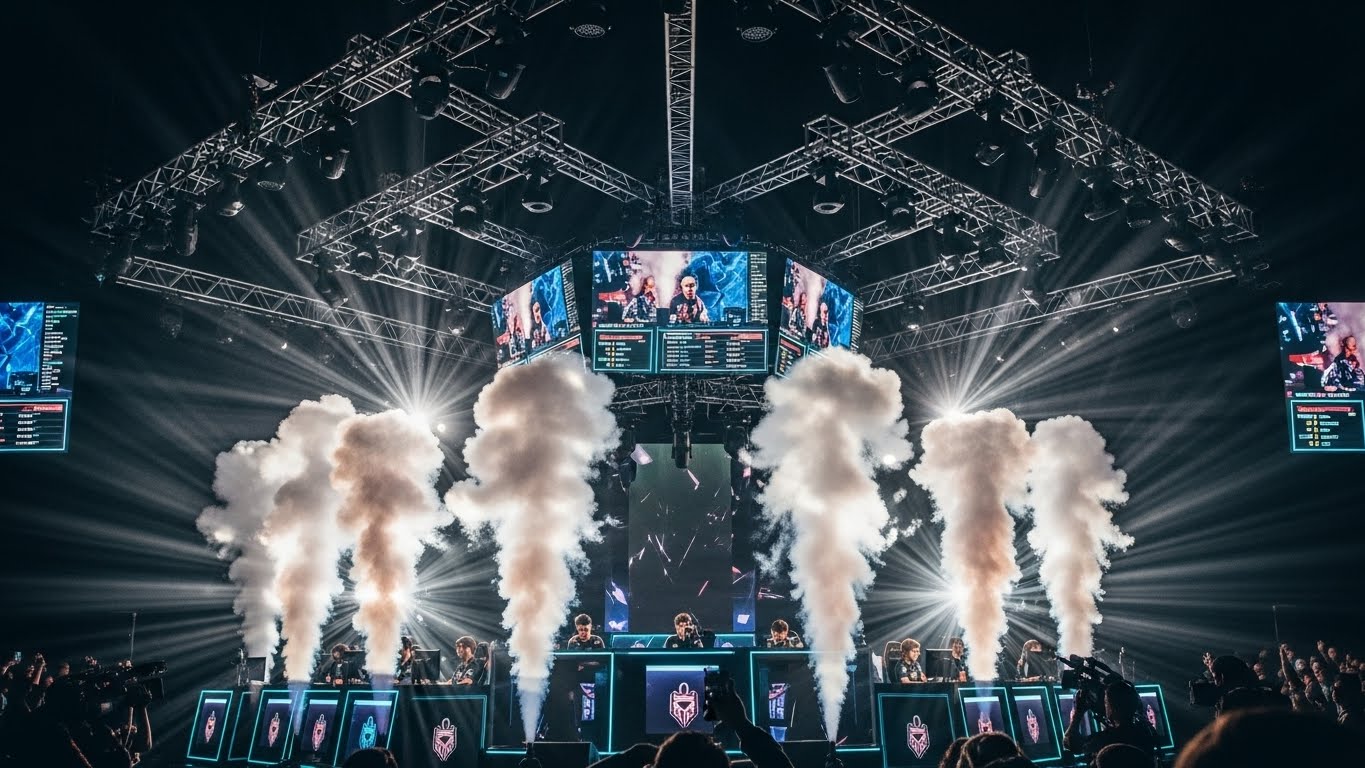
Introduction: The New Age of Competitive Gaming
Esports has rapidly emerged from a niche hobby enjoyed by small clusters of gaming enthusiasts to a massive global phenomenon that attracts millions of viewers, professional athletes, major sponsors, and mainstream media coverage. No longer relegated to dimly lit basements or local arcades, competitive gaming now fills world-class arenas, generates billion-dollar revenues, and influences youth culture in profound ways. The rise of esports is not merely a trend but a cultural shift that reflects how technology, entertainment, and community continue to evolve. This blog will explore the evolution, significance, and future of esports in an increasingly digital world.
The Origins of Competitive Gaming
Before esports became the polished spectacle we know today, competitive gaming began with humble roots. The earliest tournaments took place in the late 1970s and early 1980s, where arcade titles like Space Invaders and Pac-Man were the center of attention. These events were small but groundbreaking because they proved that people enjoyed watching others compete in video games.
The 1990s pushed gaming competition into a new era with the rise of home consoles and local multiplayer titles. Games like Street Fighter and Super Smash Bros. cultivated passionate communities. However, the true turning point arrived with PC gaming and the emergence of networked play. Titles like Quake and StarCraft laid the foundation of modern esports by enabling players to test their skills against opponents across the world.
The Internet Revolution: The Birth of Modern Esports
While competitive gaming existed long before the internet became ubiquitous, online connectivity transformed it completely. The early 2000s witnessed the birth of large-scale tournaments where players could compete without geographical limitations. This era also saw the establishment of professional esports organizations and leagues.
Games such as Counter-Strike, Dota, and Warcraft III became household names in the gaming community. International tournaments began offering significant prize pools, creating opportunities for elite players to pursue gaming as a full-time career. Perhaps the most important shift during this period was the formation of strong online communities where fans could discuss matches, share strategies, and support their favorite players.
The Rise of Streaming and Its Impact on Esports Popularity
One of the greatest catalysts for esports growth was the rise of live streaming platforms. Streaming allowed fans from around the world to tune in to matches in real time, removing the barriers associated with traditional broadcasting. Talented players could share their gameplay with global audiences, building personal brands and attracting sponsorship deals.
Streaming also helped create a more intimate connection between players and fans. Viewers could watch practice sessions, follow training routines, or interact with players through live chats. This sense of community engagement helped esports grow at an unprecedented pace. Suddenly, gaming was not only a pastime but a spectator sport capable of drawing millions of concurrent viewers.
The Professionalization of Esports
What truly distinguishes modern esports from its early forms is the level of professionalism it now demands. Today’s esports athletes undergo rigorous training routines similar to those of traditional sports players. Professional teams hire coaches, analysts, nutritionists, and even mental wellness experts to help players maintain peak performance.
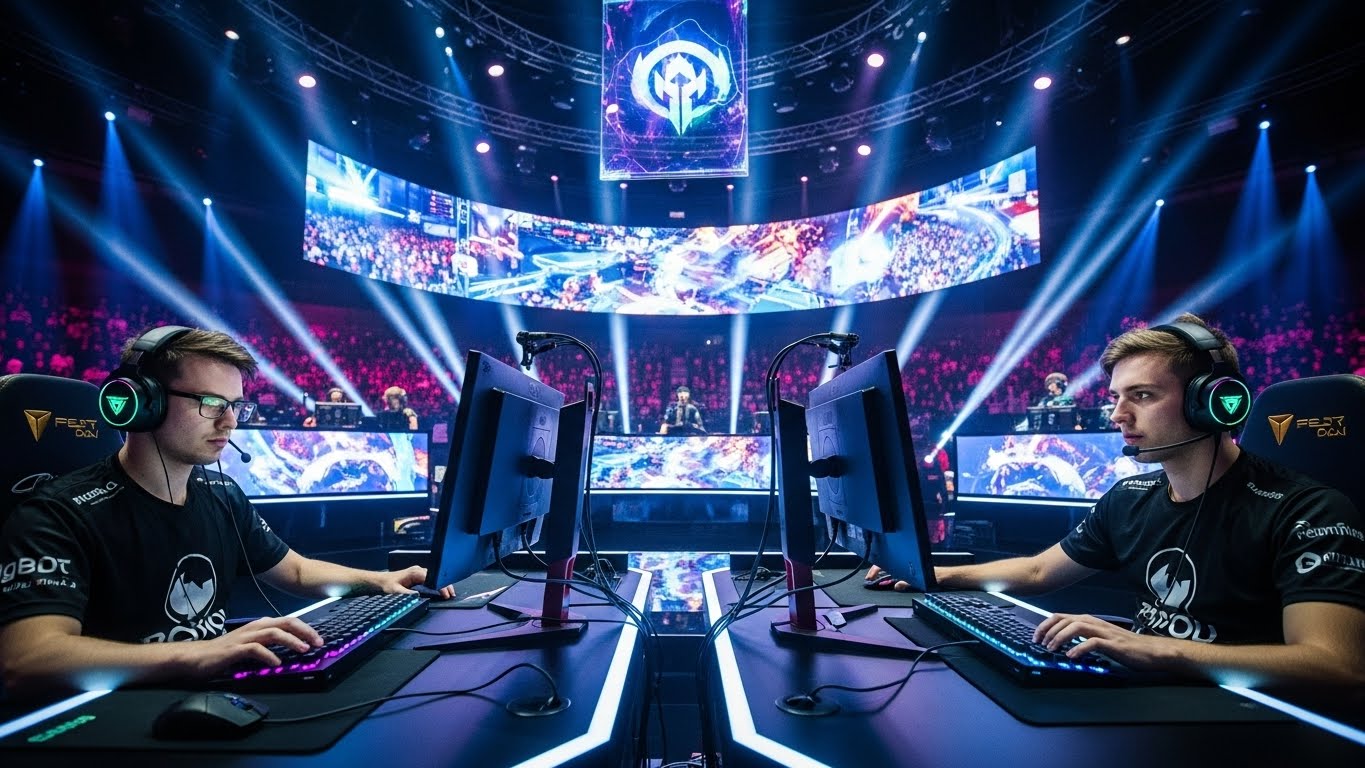
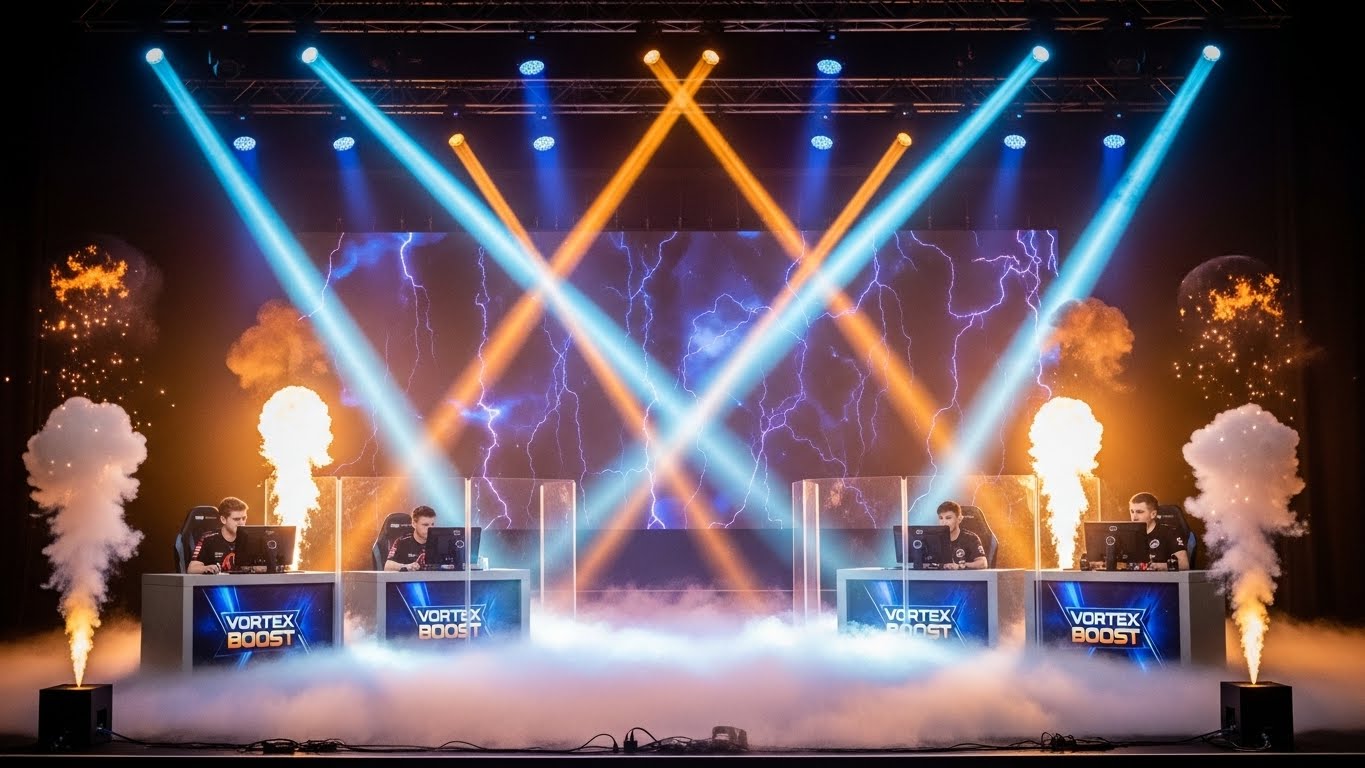
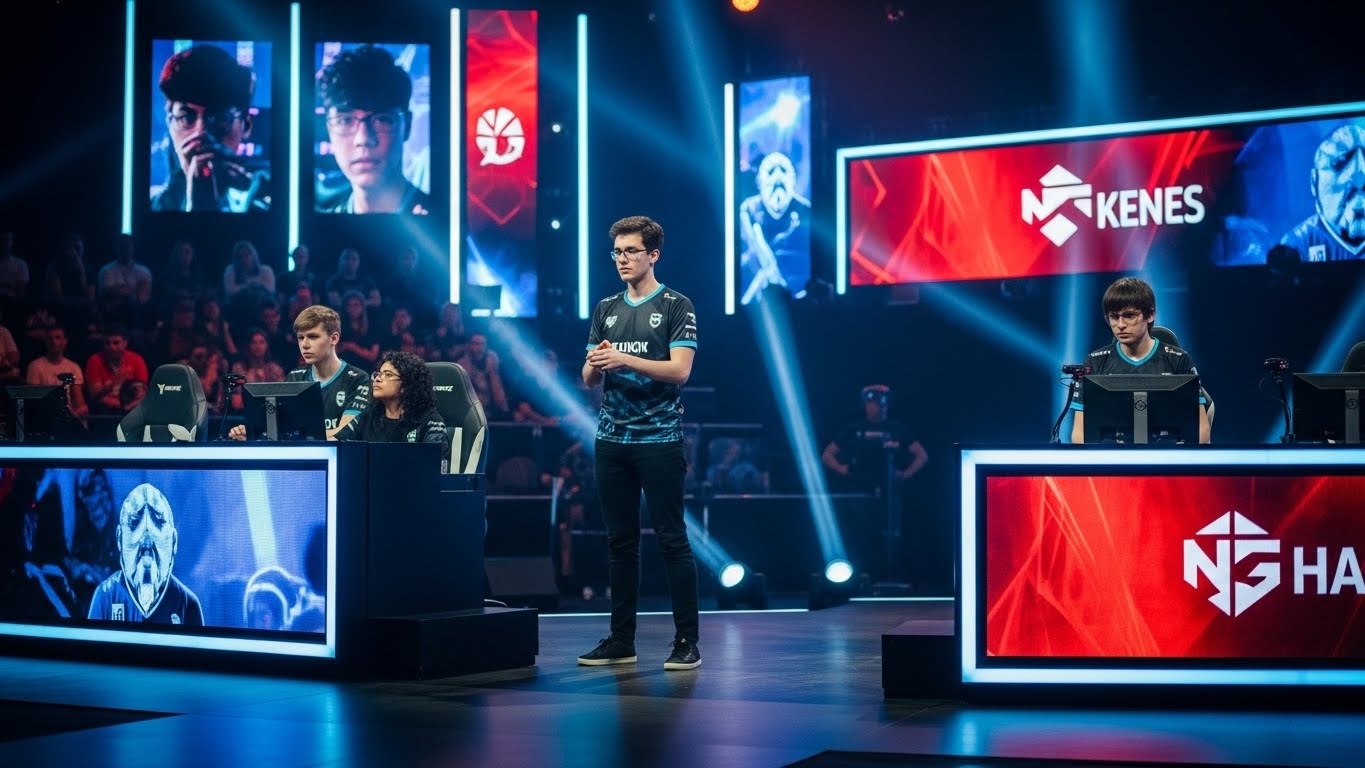
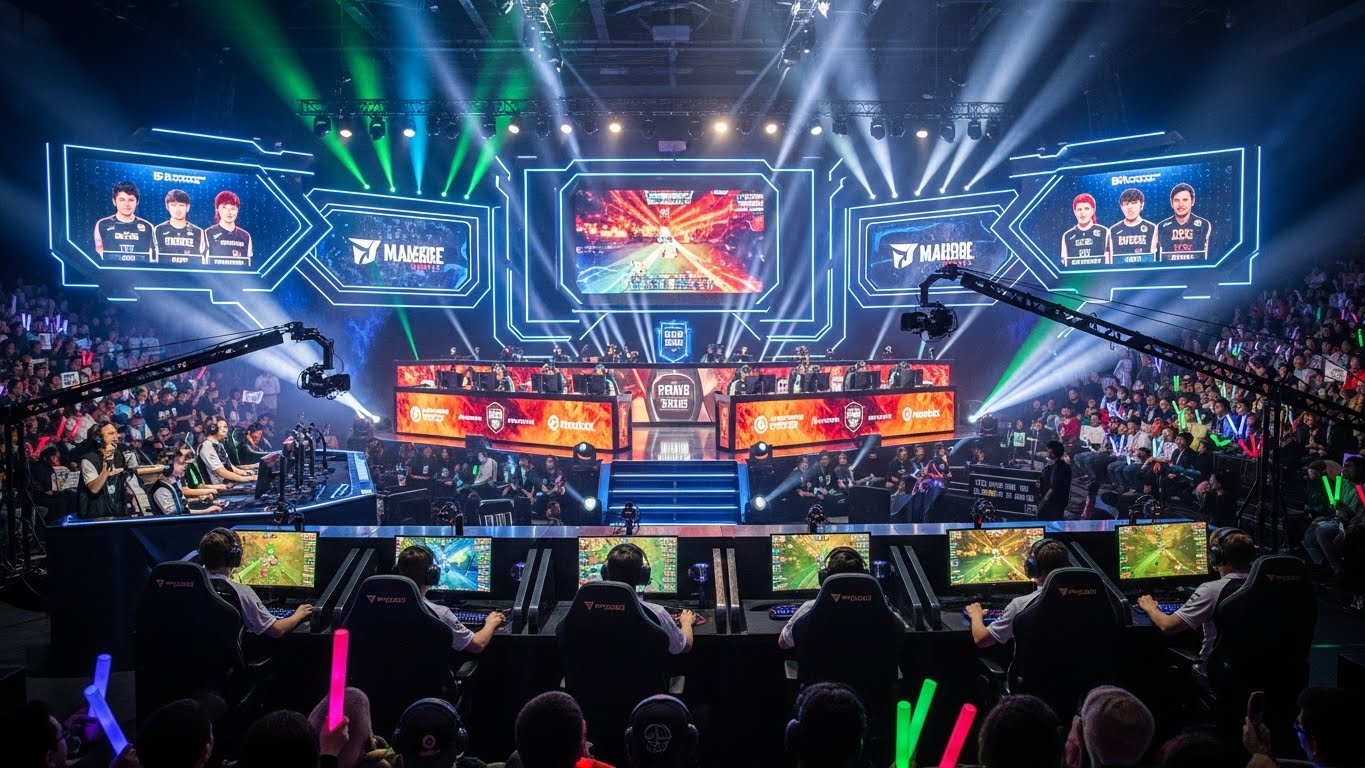
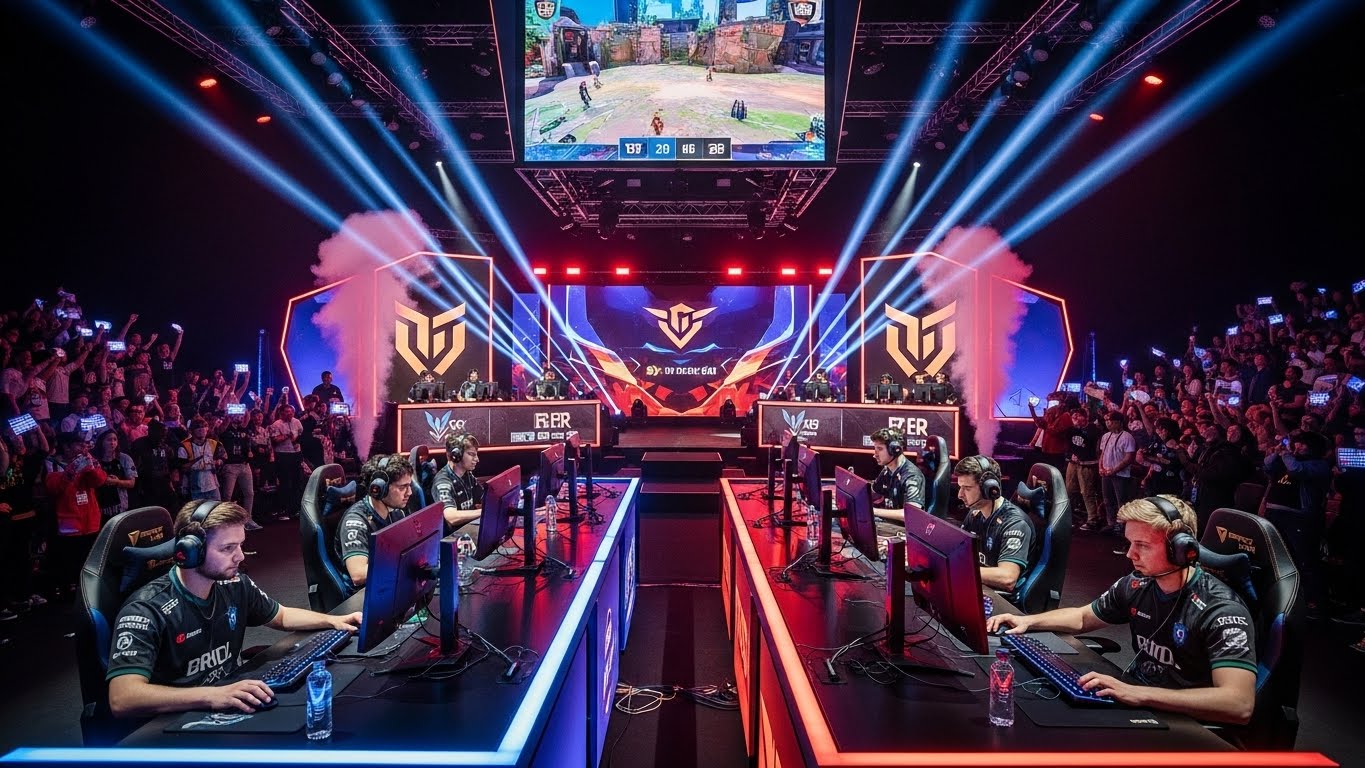
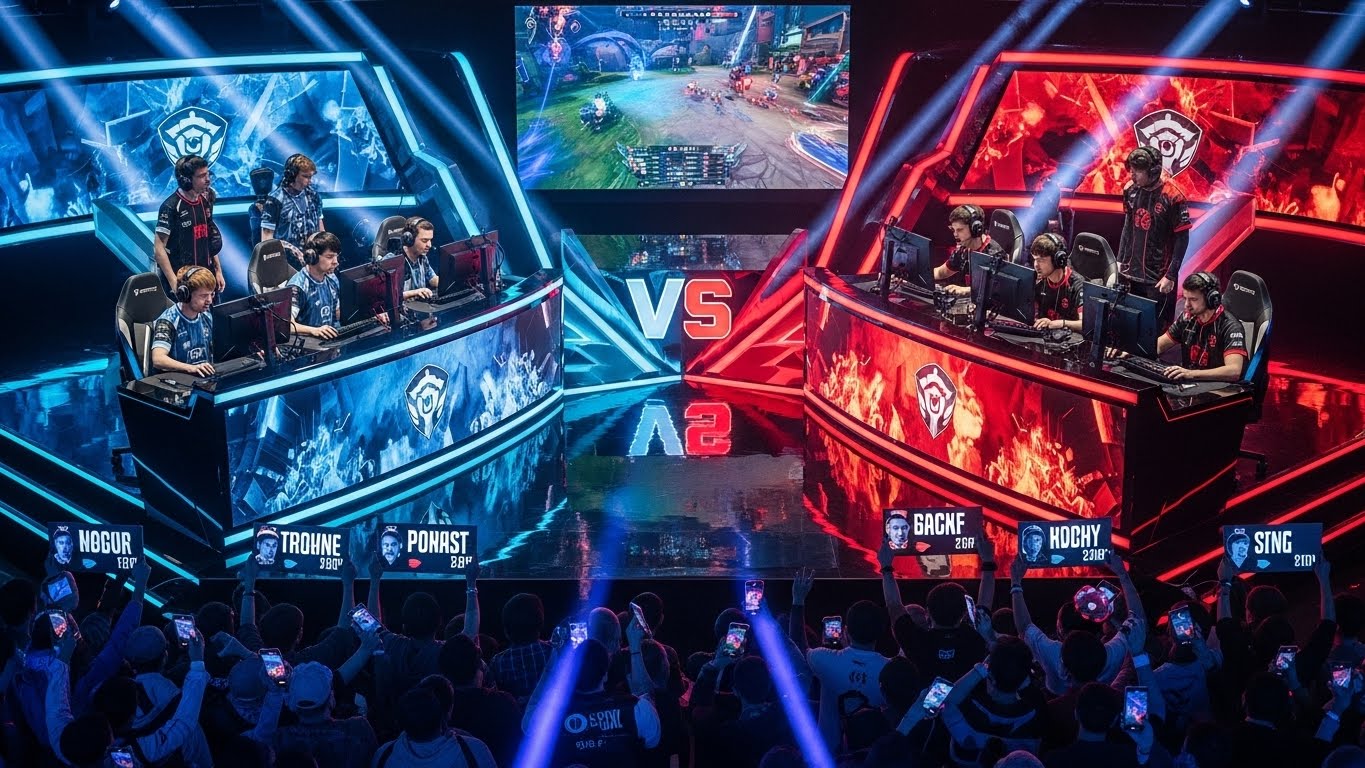
Esports tournaments now feature high production values, professional commentary, and elaborate stage designs. Massive events showcased in stadiums evoke the same excitement and energy as traditional sporting championships. The financial aspect has grown immensely as well, with prize pools for major tournaments sometimes reaching amounts that rival or surpass those of conventional sports events.
Popular Games Dominating the Esports World
Several game titles have risen to global fame due to their competitive depth and community support. Games such as League of Legends, Dota 2, Counter-Strike, Valorant, and Overwatch have become staples of the esports ecosystem. Each title brings its own unique style, strategic depth, and competitive landscape.
League of Legends, for example, commands a massive global audience with its annual world championship serving as one of the most watched esports events. Dota 2 is renowned for its breathtakingly large prize pools, which are often funded by fan contributions. Meanwhile, tactical shooters such as Counter-Strike and Valorant draw viewers with their intense gameplay and high skill ceiling.
These titles have established thriving communities, professional leagues, and yearly events that keep fans engaged and teams motivated. Their consistent updates and evolving strategies ensure that the competitive environment remains fresh and exciting.
The Role of Esports Organizations and Sponsors
As esports grew, professional organizations became integral to supporting players and building fan bases. Teams like T1, Fnatic, Cloud9, and many others have become iconic brands within the gaming world. These organizations provide training facilities, salaries, and long-term career opportunities for players.
Sponsorships have also greatly contributed to esports’ financial sustainability. Brands from diverse industries, including technology, apparel, energy drinks, automotive, and finance, now invest heavily in esports marketing. They recognize the immense reach esports has, especially among younger demographics. This partnership between corporations and teams elevates the overall professionalism of the industry.
Youth Culture and Esports as a Career Path
Esports resonates deeply with younger generations who have grown up with technology and digital entertainment. Instead of aspiring solely to be professional athletes in physical sports, many young people now dream of becoming professional gamers or content creators within the esports ecosystem.
The path to becoming an esports athlete is more accessible than many traditional sports pathways. While the journey still requires immense dedication, players can practice from home, compete online, and showcase their skills through streaming. Schools and universities around the world have even begun offering esports scholarships, establishing esports clubs, and building competitive teams.
The Social and Psychological Impact of Esports
Esports offers more than entertainment; it fosters community building and social interaction. Gamers connect with teammates and friends from around the world, often forming deep and meaningful relationships. Many players report improved cognitive functions such as strategic thinking, quick decision-making, and hand-eye coordination from competitive play.
However, the fast-paced and highly competitive nature of esports also comes with challenges. Players may face burnout, performance pressure, and long hours of practice. The industry continues to improve support systems for player wellbeing, offering better mental health resources and advocating for balanced training schedules.
Technological Innovations Driving the Future of Esports
Esports exists at the intersection of entertainment and technology, and innovations in both fields shape its future. Virtual reality and augmented reality promise new immersive forms of competition. Artificial intelligence is being used to analyze gameplay, provide coaching insights, and optimize training routines.
High-speed internet and cloud gaming make competitive play more accessible than ever. As technology continues to evolve, esports will undoubtedly adapt, offering new genres, new platforms, and new ways for fans to interact with content.
Esports and Its Place in Mainstream Culture
Once dismissed as mere games, esports now commands respect from mainstream media, traditional sports leagues, and global audiences. Major broadcasters air esports championships, while professional sports franchises invest in esports teams. Universities host academic conferences on competitive gaming, and governments recognize esports athletes on national levels.
The cultural footprint of esports is vast. It influences fashion, music, entertainment, and social trends. The line between physical and digital sports continues to blur as society embraces competitive gaming as a legitimate form of athleticism.
The Future of Esports: Boundless Opportunities
The future of esports is bright and full of potential. As industries interconnect and audiences expand, esports will continue to carve its place in the world of entertainment. New game titles will emerge, new stars will rise, and new innovations will reshape how competitions unfold.
Esports is more than just competition; it is a global community driven by passion, technology, and creativity. It unites people from diverse cultures, transcending physical boundaries and celebrating the spirit of digital athleticism.
Conclusion: A Revolution in Competitive Entertainment
The evolution of esports from small arcade tournaments to worldwide arenas reflects a remarkable cultural transformation. It has redefined entertainment, created new career paths, and formed a global community bonded by a shared love for gaming. As technology continues to advance and society embraces new forms of digital expression, esports will remain at the forefront of innovation and entertainment. The journey of competitive gaming is far from over, and the world will continue to witness its rise as a defining phenomenon of the modern era.