championplay05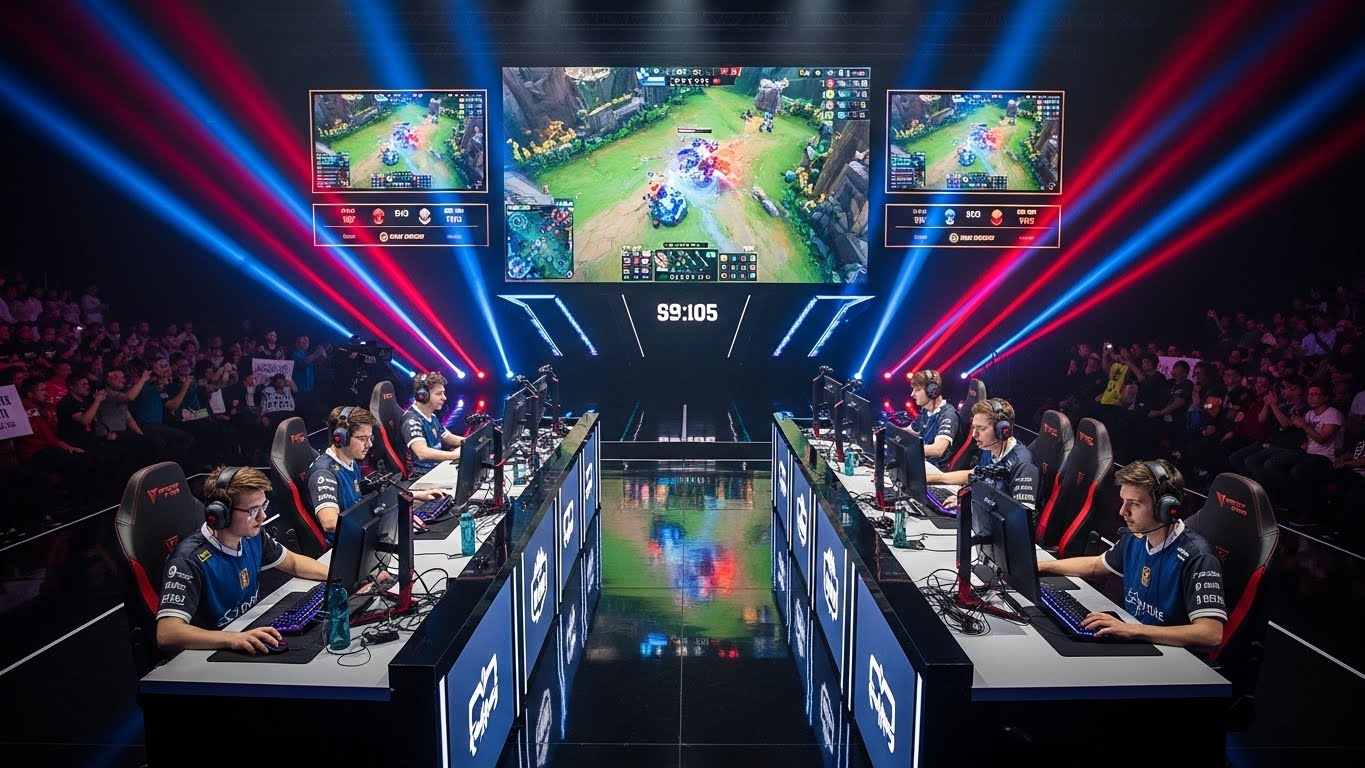
Introduction: A New Era of Competitive Gaming
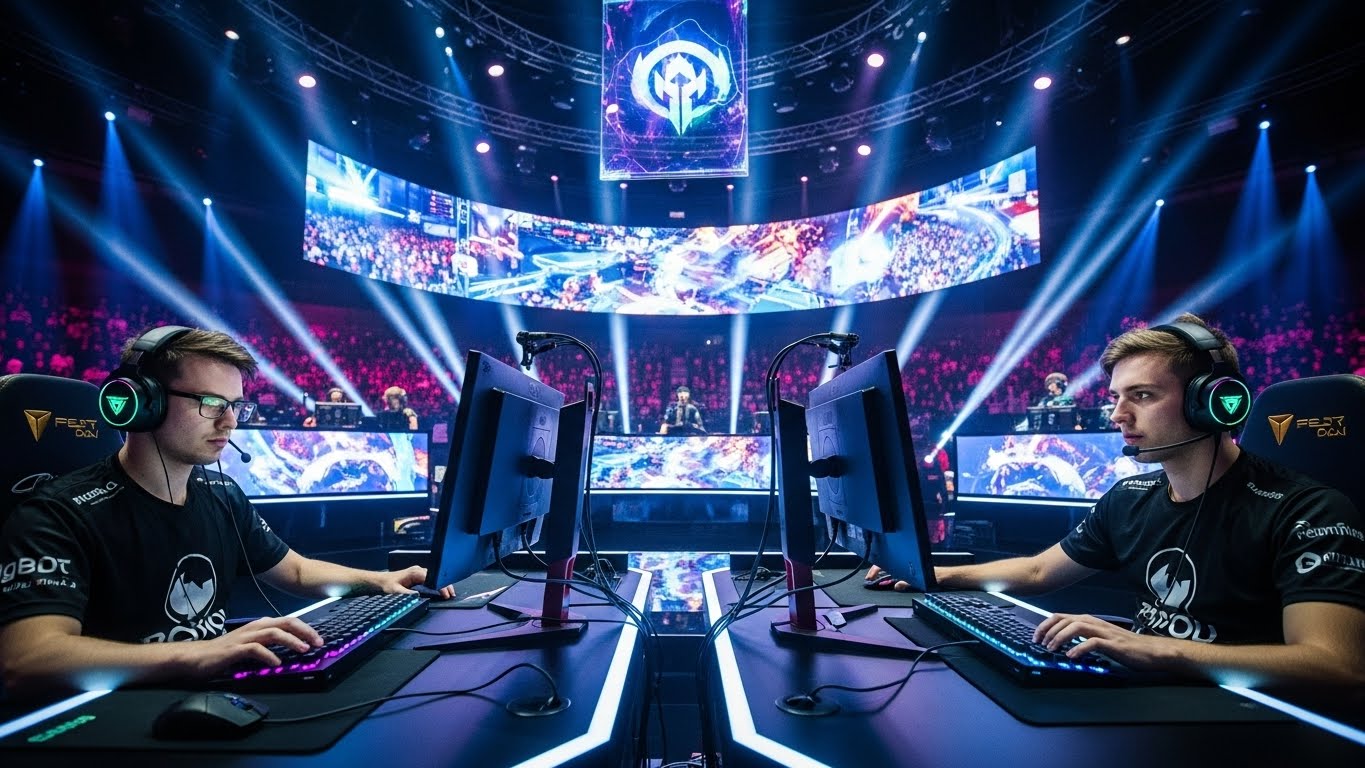
Esports, short for electronic sports, has evolved from a small hobbyist activity into one of the most influential global entertainment industries of the modern era. What began as friendly neighborhood arcade competitions has now become a multibillion-dollar ecosystem with professional teams, massive arenas, celebrity players, and dedicated fans around the world. This blog dives deep into the rise of esports, exploring its history, its cultural impact, its economic influence, and the future it is shaping for players and audiences alike.
The Early Days of Competitive Gaming
Long before high-speed internet or advanced gaming PCs existed, competitive gaming had already begun to take shape. In the late twentieth century, arcade tournaments and console challenges allowed players to test their skills against one another. Titles like early fighting games and classic shooters acted as breeding grounds for competitive enthusiasm.
With time, as gaming consoles became more powerful and personal computers entered homes, players found more opportunities to connect and compete. LAN parties, where gamers physically gathered to link their computers for multiplayer battles, became iconic moments in the birth of larger competitive communities.
These humble beginnings laid the foundation for what would eventually become a global sports industry.
The Internet Revolution: Turning Gaming Into Spectatorship
The explosive growth of internet accessibility changed everything for the gaming world. Multiplayer games no longer depended on local connections; instead, players from different continents could connect instantly. This shift gave rise to online gaming communities and laid the groundwork for professional competitions.
As streaming platforms emerged, competitive gaming transformed into a spectator sport. Players were no longer competing only for personal satisfaction but for global audiences who watched, followed, and admired their gameplay. Streamers and professional players became digital celebrities, and spectatorship became a cultural norm.
This transition from simple gameplay to a full-fledged entertainment experience was one of the most significant catalysts in esports’ rapid rise.
Establishing the Professional Scene
Once global audiences showed interest, the next logical step was structuring gaming competitions into something more formalized and professional. The creation of organized tournaments, official leagues, and structured seasons allowed esports to resemble traditional sports more closely.
Professional teams began to form, complete with coaches, analysts, managers, and training schedules. Sponsors quickly recognized the commercial value of esports, investing heavily in teams, production companies, and tournaments. Prize pools grew from modest amounts to sums that rivaled those of traditional athletic competitions.
Suddenly, esports was no longer just about playing games. It had become a legitimate career path for talented players around the world.
The Role of Game Developers in Esports Growth
A crucial factor in the rise of esports has been the dedication of game developers to support competitive scenes. Modern competitive games are created with esports in mind, offering features such as spectator modes, custom lobbies, balanced gameplay updates, and long-term development plans.
Developers also frequently collaborate with tournament organizers to create fair and exciting environments for competition. This partnership has allowed esports to maintain a professional standard that appeals to both players and audiences.
In many ways, developers have become the architects of the esports world, building the stages upon which global legends are made.
Esports as a Cultural Movement
Esports’ influence extends well beyond tournaments and game titles. It has become a cultural movement that connects people through shared passion, regardless of geography, language, or background.
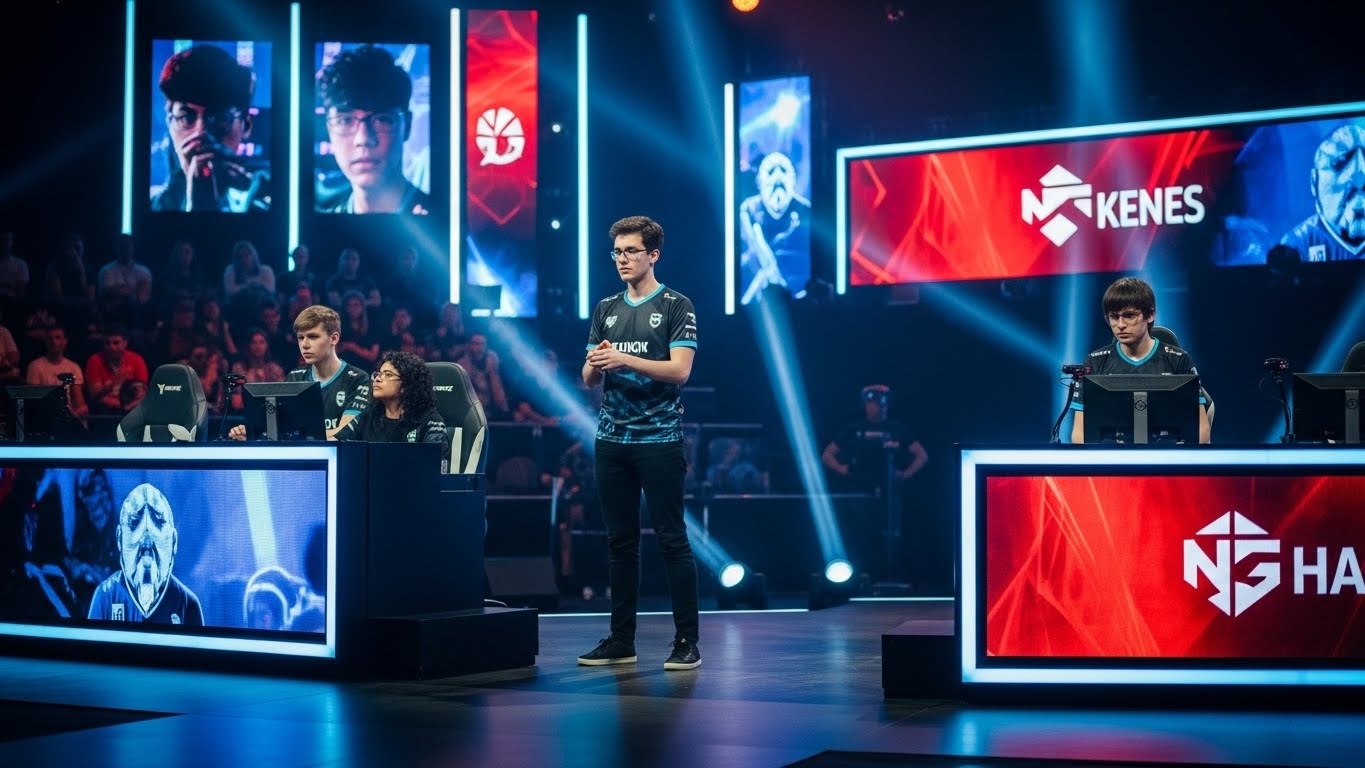
Young fans look up to esports athletes just as much as traditional sports icons. Their unique styles, personalities, and achievements inspire millions. Gaming memes, slang, and fan art have become part of online culture, influencing social media, fashion, and even music.
Universities now offer esports scholarships, high schools form competitive teams, and educational institutions recognize the discipline and strategic thinking involved in competitive gaming. Esports has created a new identity for a generation that grew up with digital entertainment at the center of their lives.
The Economic Powerhouse Behind Esports
The financial growth of esports has been nothing short of extraordinary. Revenue flows in from various avenues, including sponsorships, merchandise, ticket sales, media rights, advertisements, and in-game purchases connected to esports events.
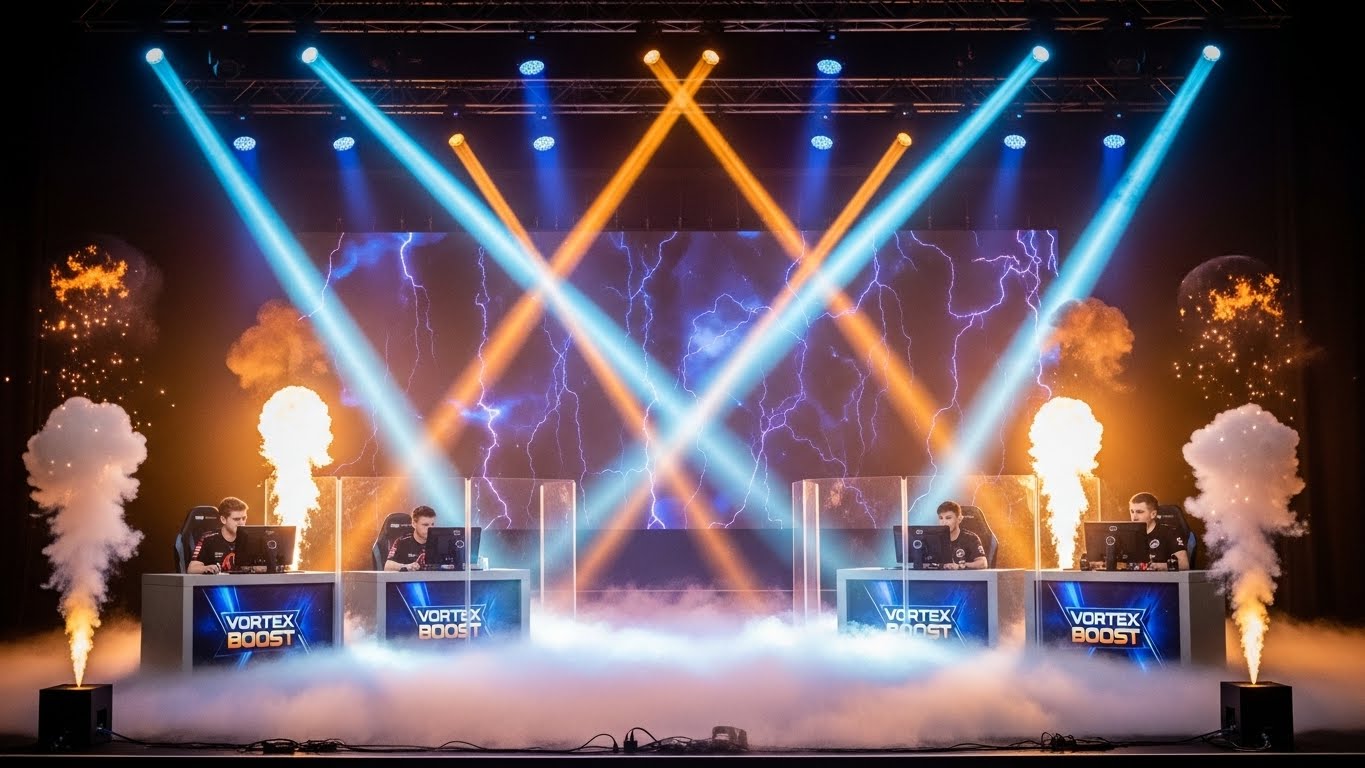
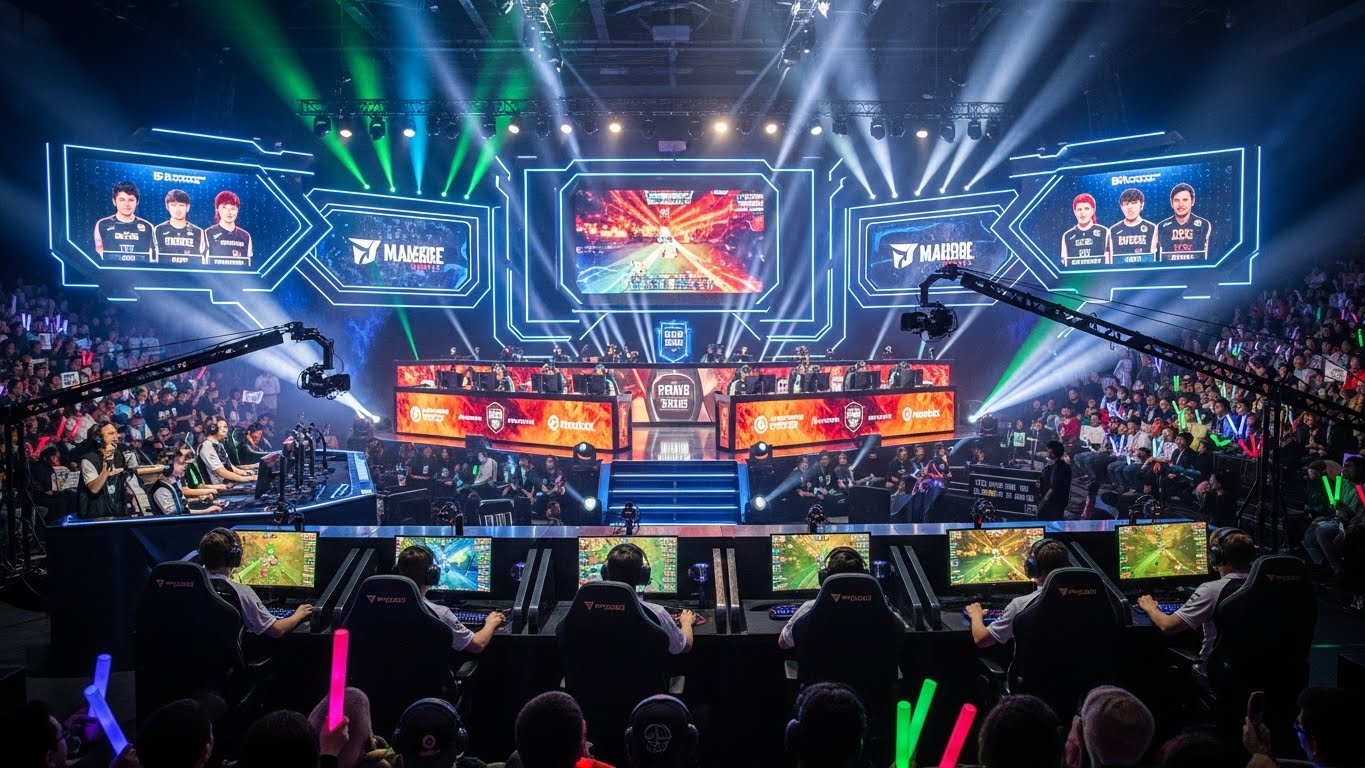
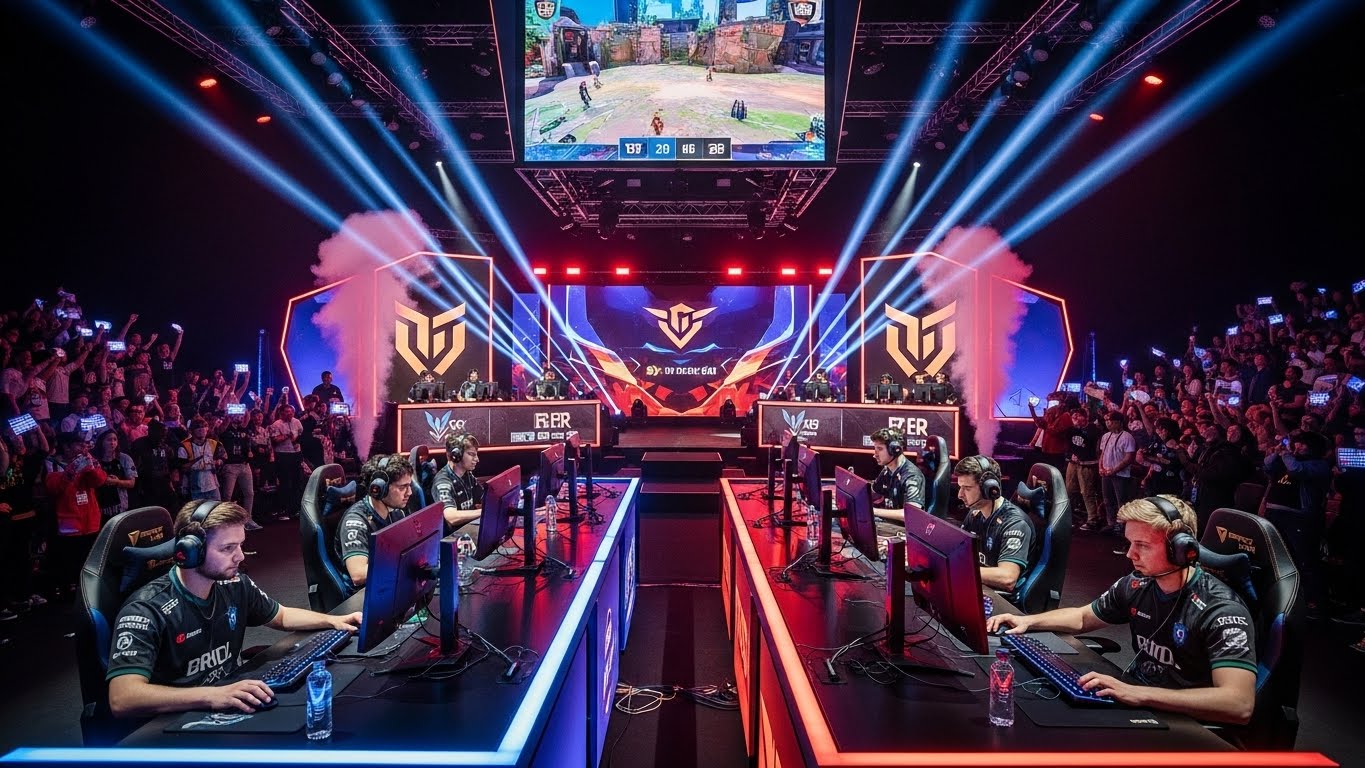
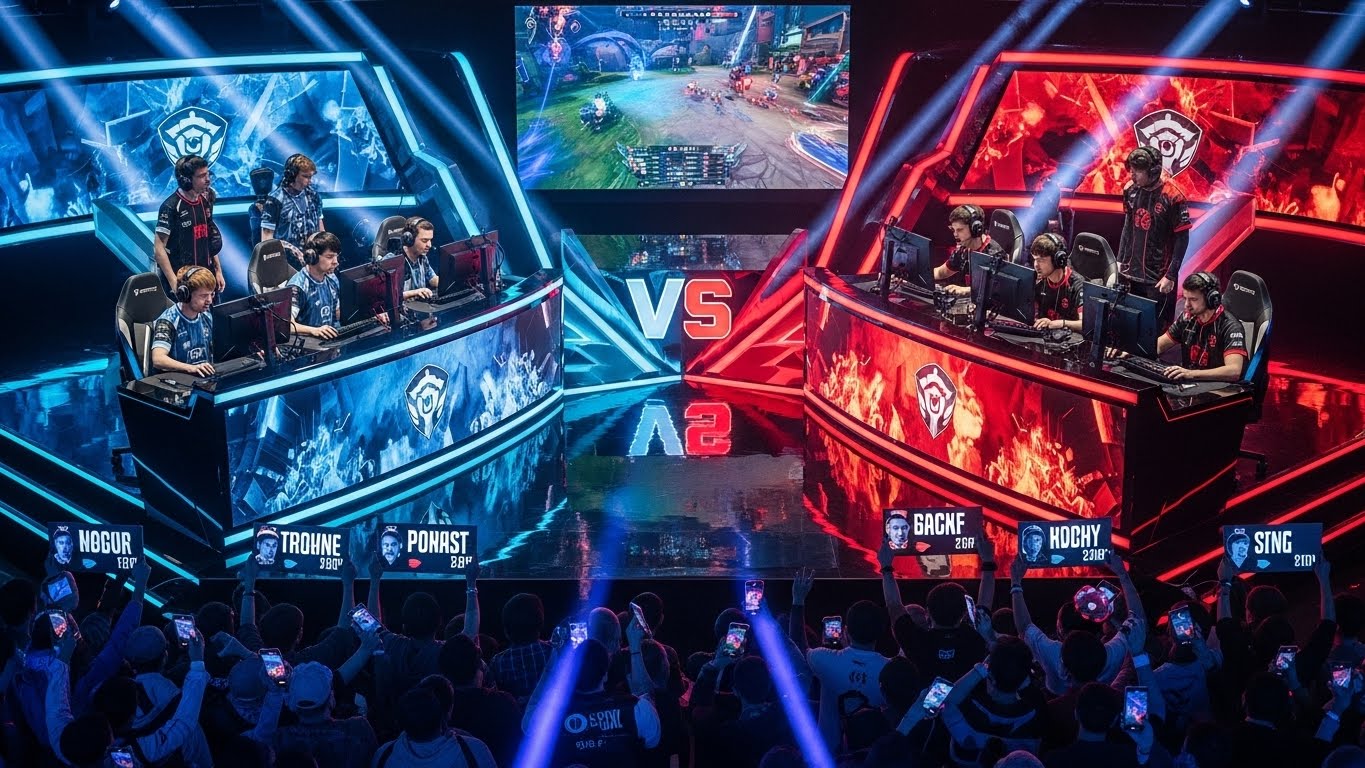
Professional tournaments fill arenas with cheering fans and draw millions of online viewers. Brands outside the gaming world recognize the enormous marketing potential of esports audiences, many of whom belong to valuable younger demographics.
Esports has become a thriving marketplace not only for gaming companies but also for industries such as apparel, technology, beverages, education, and entertainment. The economic ripple effect of esports is now felt across multiple sectors.
The Rise of Esports Personalities and Influencers
In the past, only the best players in the world gained recognition. Today, content creators, streamers, analysts, and casters have become equally important pillars of the esports community.
These personalities provide commentary, live reactions, strategy breakdowns, and entertainment that enrich the experience for viewers. Their influence extends beyond esports events to social platforms, where they build strong personal brands and loyal fanbases.
Esports personalities help bridge the gap between casual gamers and the competitive world, making esports more accessible and engaging for wider audiences.
The Globalization of Esports
Esports is one of the few sports that truly transcends borders. Competitions are held worldwide, and teams from different continents compete on equal footing. Fans from Asia support players from Europe, while North American audiences cheer for South American underdogs.
Regions like East Asia embraced esports early, giving birth to powerhouse leagues. Meanwhile, emerging regions now develop their own competitive scenes, contributing to the global diversity of the sport.
This international blend has created a rich cultural exchange within the esports community. No matter where you come from, the thrill of competition and the love of gaming create a deep sense of unity.
Esports Education and Career Opportunities
The rise of esports has opened a wide range of career possibilities, not limited to players. Today, students can study esports management, game design, event production, sports psychology, and marketing related specifically to gaming.
Career paths include coaching, shoutcasting, content creation, production directing, event coordination, game balancing, and team management. The esports ecosystem has become a full-fledged professional environment where various skill sets find valuable roles.
Parents and educators increasingly recognize that gaming can be more than a pastime. With the right guidance, it can lead to academic success and long-term careers.
Challenges Facing the Esports Industry
Despite its incredible growth, esports also faces several challenges. Maintaining competitive balance across games is difficult due to constant updates. Ensuring player health and well-being is another concern, as intense training schedules and travel can take a toll.
There are also issues related to age restrictions, team contracts, and regulations that vary from region to region. As the industry matures, esports must continue addressing these concerns to build a sustainable future.
The Future of Esports: Innovation Beyond Imagination
The future of esports promises exciting developments. Advancements in technology will introduce new genres of competitive games, more immersive experiences, and enhanced viewer engagement. Virtual reality and augmented reality may revolutionize the way players compete and spectators watch.
Esports is also expected to gain wider acceptance in international sports communities. Discussions continue around the possibility of esports being included in major global sporting events, signifying its recognition as a legitimate sport.
With continued investment, innovation, and global support, esports will only grow stronger, more diverse, and more influential.
Conclusion: The Endless Potential of Competitive Gaming
Esports has broken barriers, challenged norms, and created a new world of possibilities. It has reshaped entertainment, transformed careers, and united a global community of players and fans. What began as a simple pastime has become a powerful cultural and economic force.
The rise of esports is more than a trend—it is an ongoing evolution. As technology advances and new generations embrace competitive gaming, esports will continue to shine as one of the defining pillars of modern digital culture.
The future is bright, the competition is fierce, and the journey has only just begun.