championplay05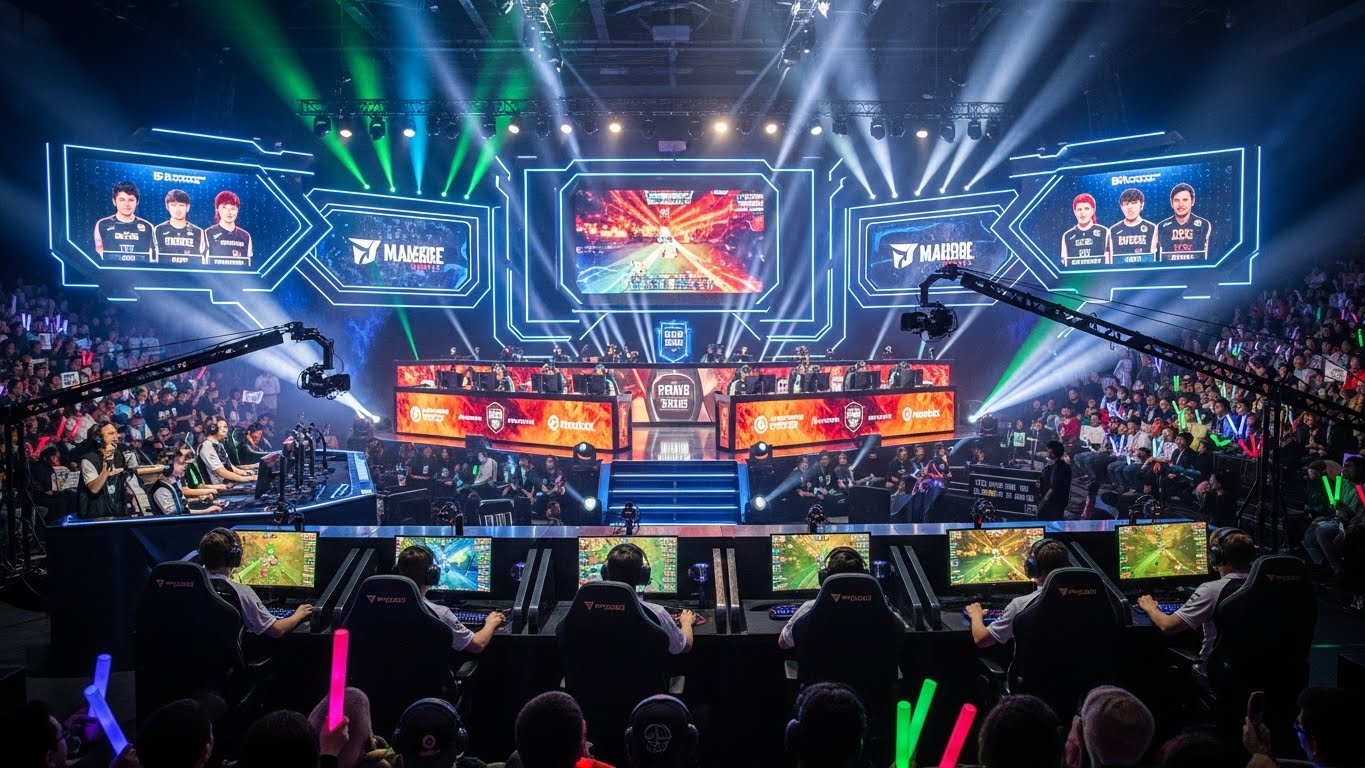
Introduction: From Bedrooms to Global Arenas
Esports, once dismissed as casual gaming among friends, has evolved into a multi-billion-dollar global industry. What began in small rooms with basic computers and consoles has transformed into packed arenas, worldwide audiences, professional athletes, and corporate sponsorships. Today, esports is not just about playing games; it is about competition, entertainment, community, and culture. This blog explores how esports rose to prominence, its ecosystem, its impact on society, and what the future holds for this digital phenomenon.
Understanding Esports: More Than Just Gaming
Esports, short for electronic sports, refers to organized competitive gaming where players or teams compete in video games at a professional or semi-professional level. Unlike casual gaming, esports emphasizes skill, strategy, teamwork, and consistent practice. Popular genres include multiplayer online battle arenas, first-person shooters, real-time strategy games, and sports simulations. These competitions are governed by rules, leagues, and tournament structures similar to traditional sports.
What truly differentiates esports from casual play is its professionalism. Players train for hours daily, analyze opponents, develop strategies, and work with coaches and analysts. Matches are broadcast live, often with commentators, analysts, and pre- and post-game discussions, creating a complete spectator experience.
The Evolution of Competitive Gaming
The roots of esports can be traced back to early video game competitions in the late twentieth century. Small tournaments and arcade competitions laid the groundwork for what would later become a global industry. As internet access improved and online multiplayer gaming became widespread, competitive gaming expanded rapidly.
The rise of streaming platforms played a crucial role in esports growth. Gamers could now showcase their skills to global audiences in real time, building fan bases and communities. This visibility attracted sponsors, advertisers, and investors, accelerating the professionalization of esports. Over time, structured leagues, franchised teams, and international tournaments became the norm.
The Esports Ecosystem: Players, Teams, and Organizations
At the heart of esports are the players. Professional esports athletes specialize in specific games and roles, often starting their careers at a young age. Reflexes, decision-making speed, hand-eye coordination, and mental resilience are critical skills. Many players retire earlier than traditional athletes due to the intense mental and physical demands.
Teams and organizations provide structure and support. They manage contracts, training facilities, travel, branding, and marketing. Large organizations operate similarly to traditional sports clubs, with dedicated staff for coaching, performance analysis, mental health, and public relations.
Tournament organizers and league operators form another essential layer of the ecosystem. They design competition formats, enforce rules, and ensure fair play. Publishers, who own the games themselves, also play a significant role by supporting leagues and controlling competitive updates.
Esports as Entertainment and Spectacle
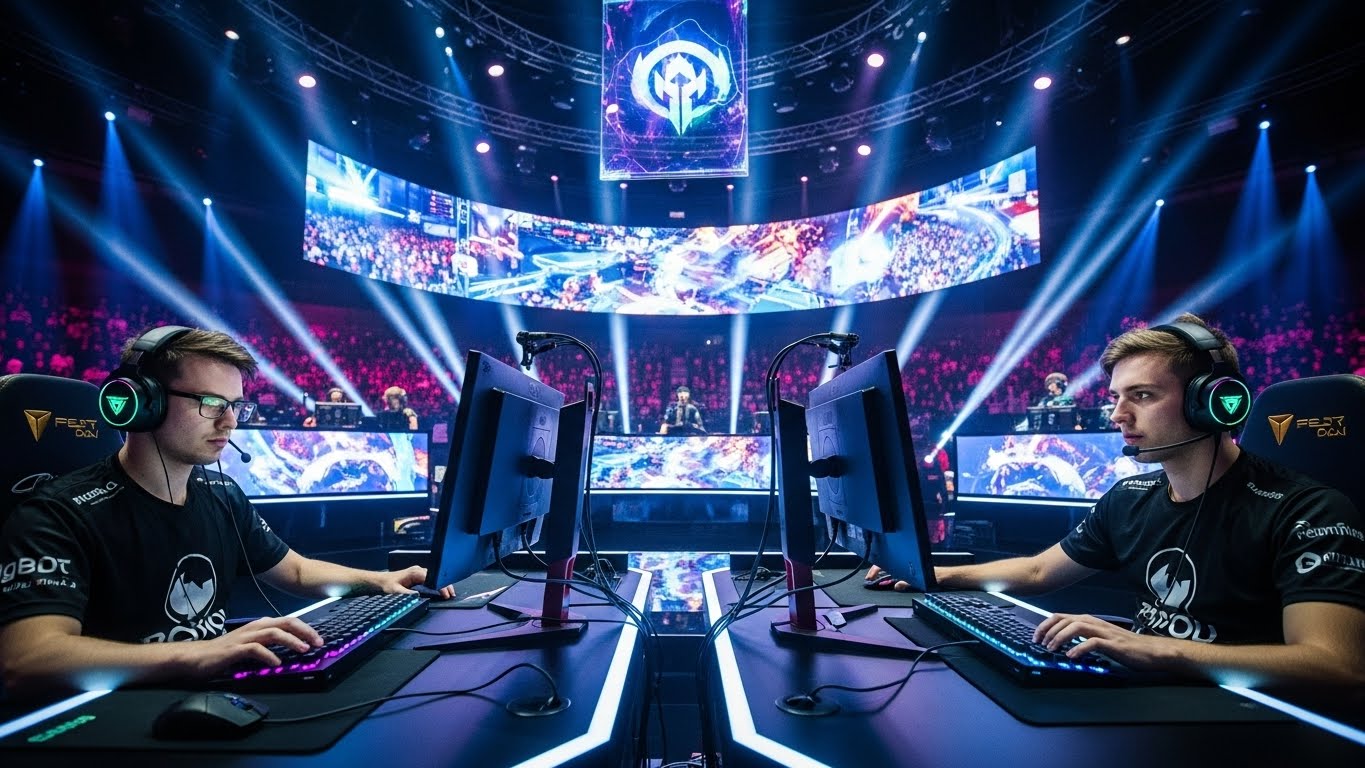
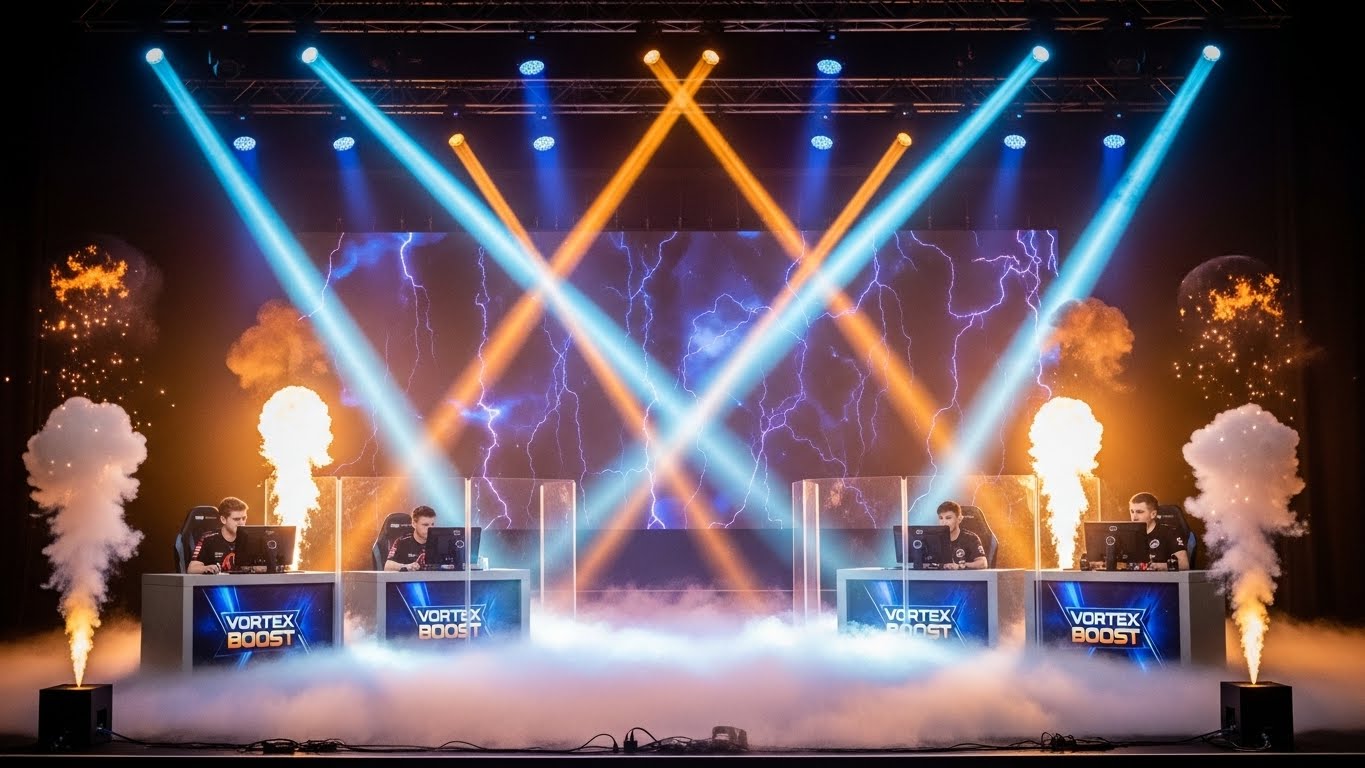
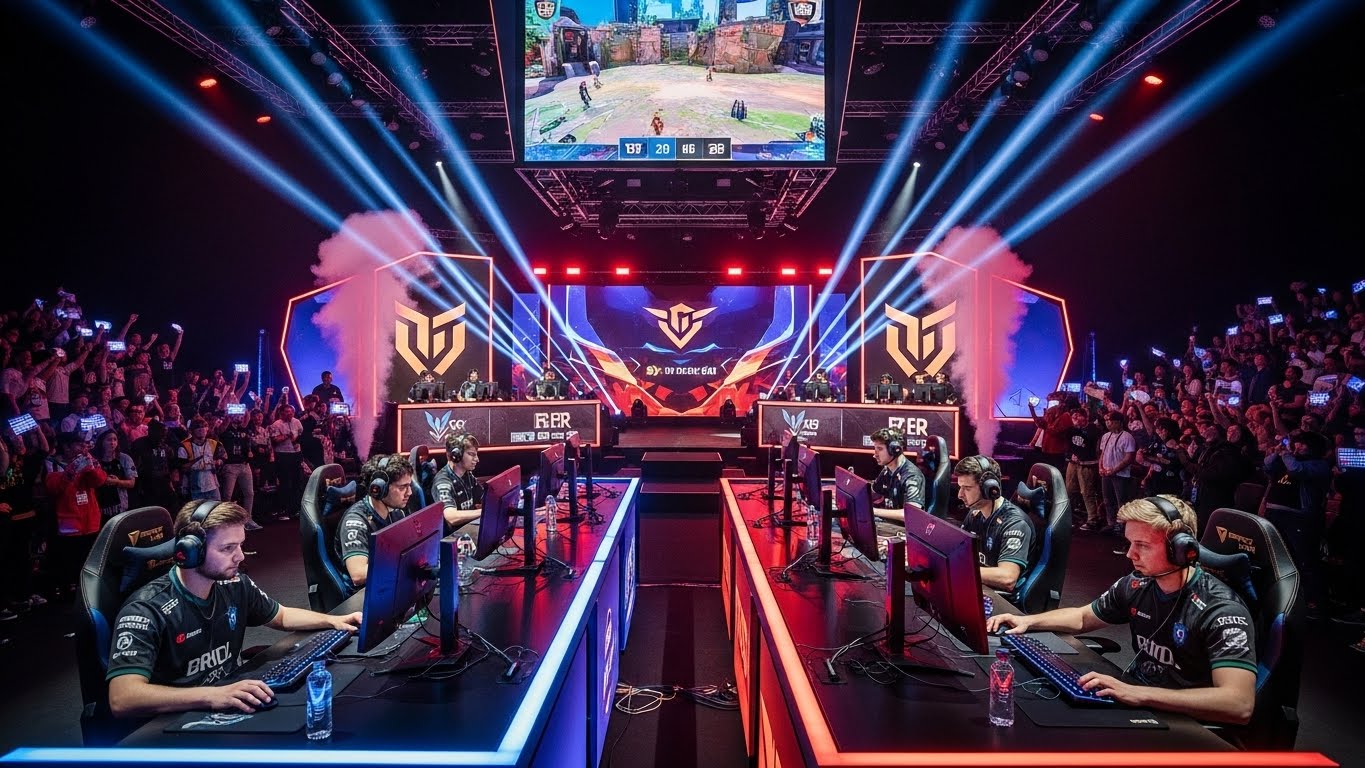
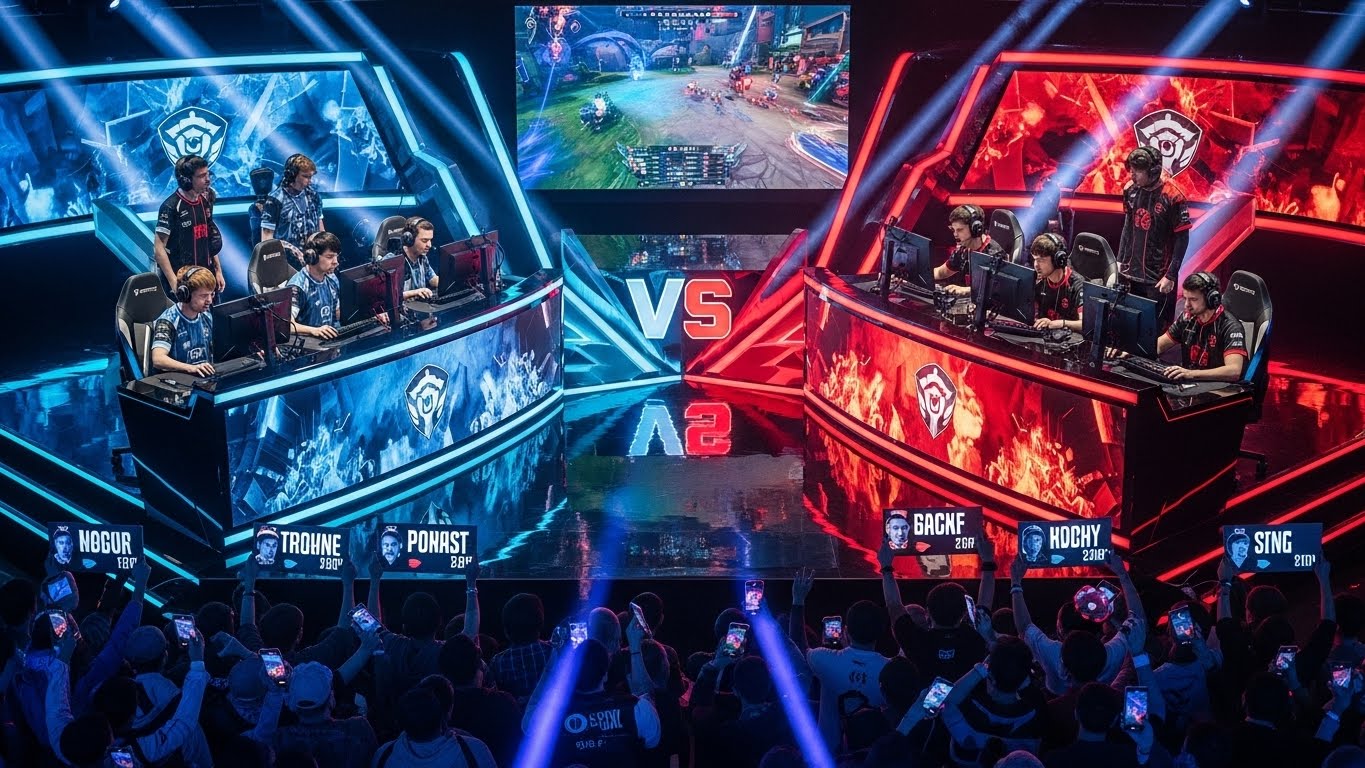
Esports has become a powerful form of entertainment, rivaling traditional sports in viewership among younger audiences. Live tournaments feature elaborate stage designs, lighting effects, opening ceremonies, and dramatic narratives. Fans tune in not only for gameplay but also for the stories behind the players and teams.
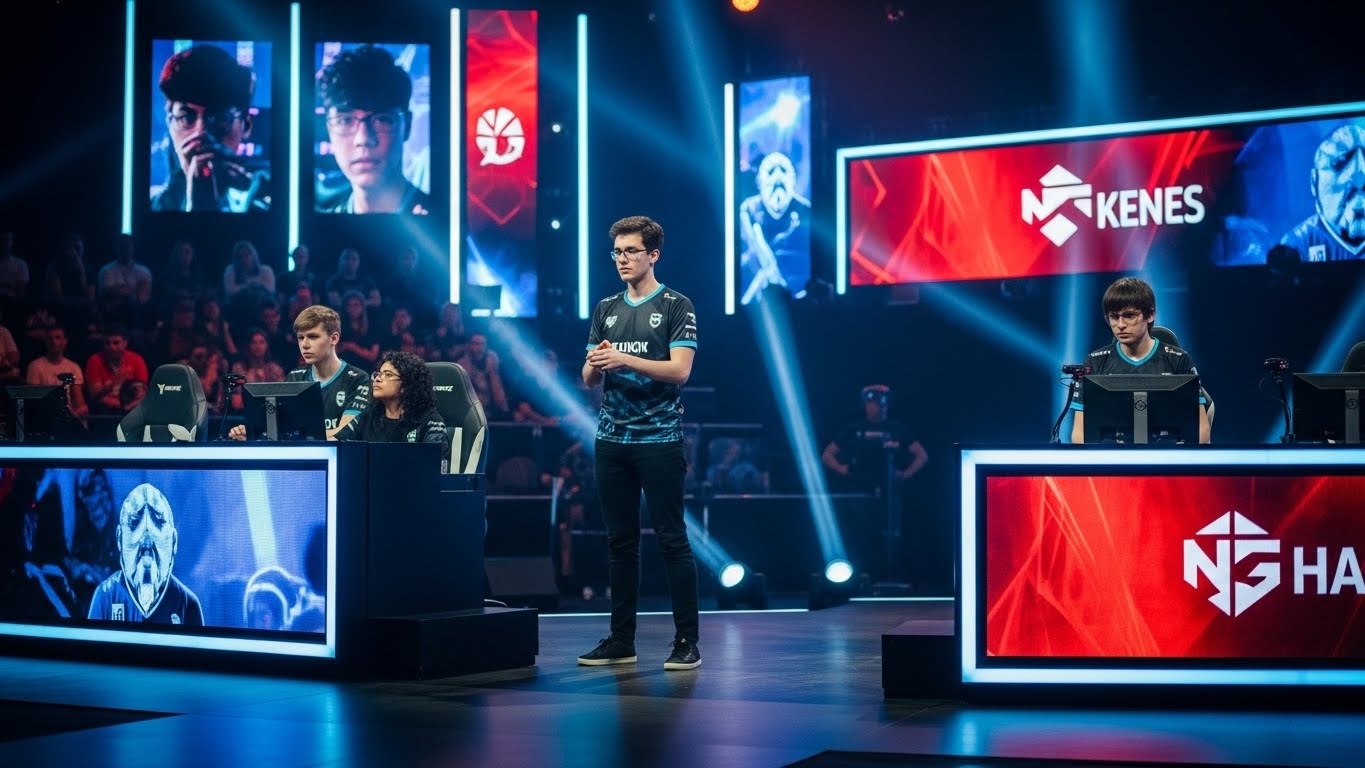
Commentators and analysts enhance the experience by explaining strategies and building excitement. Social media further amplifies engagement, allowing fans to interact directly with players and organizations. This level of accessibility and interactivity has helped esports cultivate loyal global communities.
Economic Impact and Career Opportunities
The esports industry generates revenue through sponsorships, advertising, media rights, merchandise, ticket sales, and in-game purchases. Major brands from technology, apparel, food, and automotive sectors invest heavily in esports to reach digitally native audiences.
Beyond professional players, esports has created diverse career opportunities. Roles include coaches, analysts, event managers, broadcasters, content creators, graphic designers, marketers, and software developers. Educational institutions now offer esports-related programs, recognizing the industry’s long-term potential.
The Cultural Influence of Esports
Esports has significantly influenced modern culture, especially among younger generations. It has redefined what it means to be an athlete and expanded the concept of competition beyond physical boundaries. Esports promotes global connectivity, as players and fans from different countries interact and compete regularly.
It has also challenged stereotypes around gaming by highlighting discipline, teamwork, and dedication. While concerns about screen time and health remain, the industry increasingly emphasizes balanced lifestyles, physical fitness, and mental well-being for players.
Inclusivity and Diversity in Esports
One of esports’ strengths is its accessibility. Anyone with the right equipment and internet access can compete, regardless of physical attributes. This has opened doors for diverse participants from various backgrounds. However, challenges remain, particularly regarding gender representation and online toxicity.
Efforts are underway to promote inclusivity through women-focused tournaments, diversity initiatives, and stricter codes of conduct. As the industry matures, creating a safe and welcoming environment is becoming a priority for organizations and communities alike.
Technology Driving the Esports Revolution
Advancements in technology continue to shape esports. High-performance gaming hardware, fast internet connections, and sophisticated broadcasting tools have elevated production quality. Data analytics and artificial intelligence are increasingly used to analyze gameplay and improve performance.
Virtual reality and augmented reality hold potential for future esports experiences, offering new ways for players and audiences to engage. As technology evolves, esports is likely to become even more immersive and interactive.
Challenges Facing the Esports Industry
Despite its growth, esports faces several challenges. Player burnout, lack of standardized regulations, and dependency on game publishers are ongoing concerns. Financial sustainability for smaller teams and organizations can also be difficult.
Maintaining competitive integrity is another critical issue. Cheating, match-fixing, and performance-enhancing software threaten the credibility of competitions. Addressing these challenges requires collaboration among publishers, organizers, teams, and governing bodies.
The Future of Esports
The future of esports appears promising. As mainstream acceptance grows, esports is increasingly recognized as a legitimate sport and entertainment medium. Integration with traditional sports, expansion into new regions, and continued technological innovation will likely drive further growth.
Esports may also play a role in education, training skills such as strategic thinking, communication, and problem-solving. With ongoing efforts to improve player welfare and inclusivity, the industry is poised to become more sustainable and impactful.
Conclusion: A Digital Arena Redefining Competition
Esports represents a new era of competition where digital skill meets global passion. It has transformed gaming into a professional pursuit, built thriving communities, and reshaped entertainment for the digital age. As esports continues to evolve, it stands as a testament to how technology and human creativity can redefine sports, culture, and connection in the modern world.