championplay05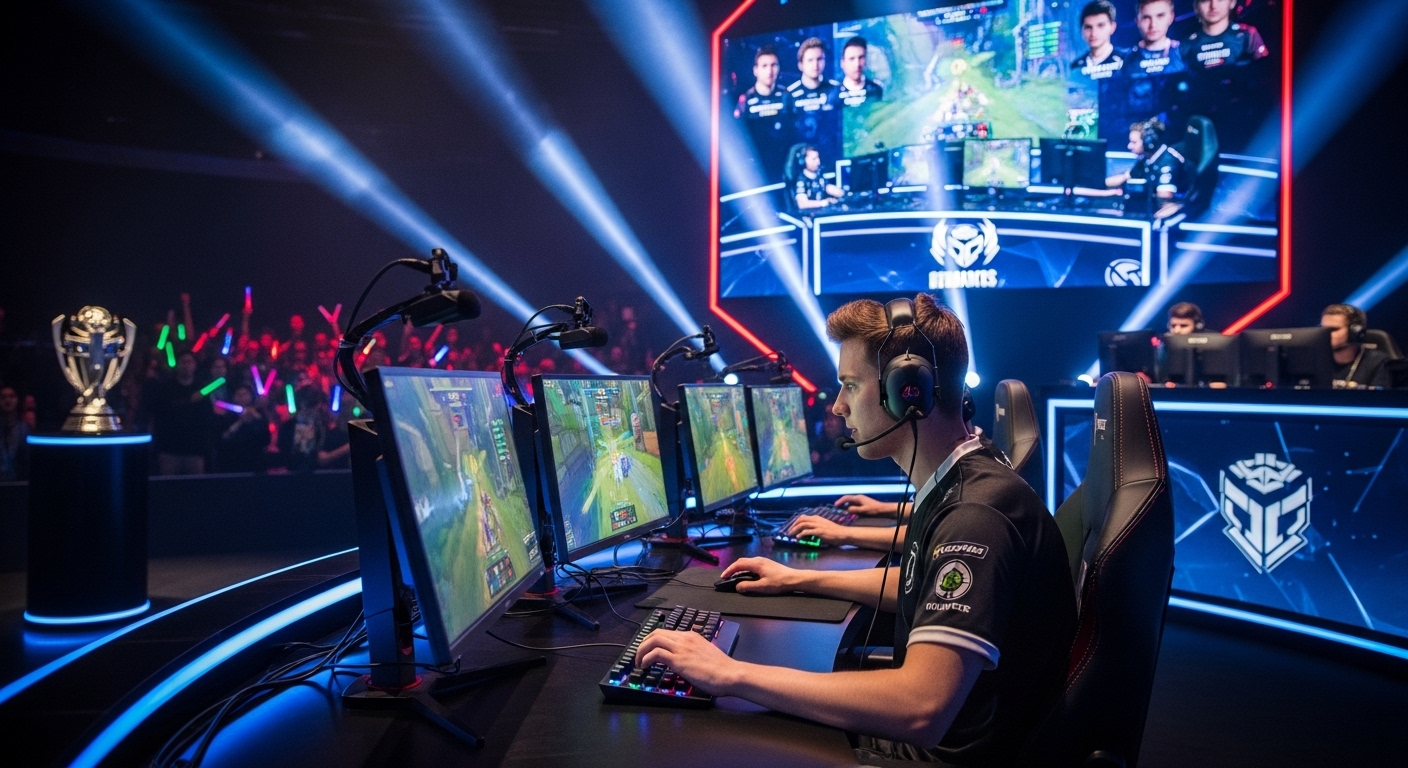
Competitive gaming, also known as esports, relies heavily on precision, strategy, and reaction time. While skill, training, and teamwork are essential, one factor can drastically impact performance: internet speed. In competitive gaming, milliseconds can make the difference between winning and losing, making a stable and fast internet connection critical.
Internet speed affects every aspect of competitive play, from in-game responsiveness and communication to tournament participation and streaming. As esports continues to grow globally, understanding the relationship between internet connectivity and performance is vital for players, teams, and fans alike. This blog explores how internet speed affects competitive gaming, why latency matters, and how players can optimize their connection for peak performance.
The Importance of Ping and Latency
One of the most critical aspects of internet performance in competitive gaming is latency, commonly measured in ping. Ping refers to the time it takes for data to travel from a player’s device to the game server and back, measured in milliseconds.
1. Low Latency Advantage
A low ping ensures that player actions, such as moving a character or firing a weapon, are registered almost instantly in the game. In fast-paced competitive games like first-person shooters or real-time strategy games, low latency provides a significant advantage over opponents with slower connections.
2. High Latency Challenges
High ping, often caused by slow internet or distant servers, leads to delays in input registration. This can result in missed shots, delayed movements, and poor coordination, severely affecting competitive performance. Players with high latency may appear to “rubber band” or experience lag spikes, disrupting gameplay and strategy execution.
3. Competitive Standards
Professional esports tournaments require strict standards for latency. Most players aim for ping below 50 milliseconds, with top-tier professionals striving for as low as 10 to 20 milliseconds to maintain optimal responsiveness.
Latency is a crucial factor in competitive gaming, influencing both individual performance and overall team coordination.
Bandwidth and Game Stability
While ping measures delay, bandwidth determines how much data can be transmitted at once. Competitive games, especially online multiplayer titles, require sufficient bandwidth to maintain stability and prevent packet loss.
1. Smooth Gameplay
High bandwidth ensures smooth gameplay, allowing the game to update accurately and consistently. Insufficient bandwidth can cause frame drops, stuttering, or disconnections, negatively affecting player performance.
2. Data-Intensive Games
Some competitive games, particularly modern battle royales and MMOs, transmit large amounts of data in real time. Players need a connection capable of handling high data throughput without interruption.
3. Multiplayer Coordination
Bandwidth also affects team-based games. Poor connectivity can cause delays in voice communication, reducing coordination and strategy execution during critical moments.
Bandwidth and stability are as important as low latency, ensuring that players can rely on their connection to perform consistently.
The Role of Server Location
The physical distance between a player and the game server significantly impacts internet speed and latency. Players located far from servers often experience higher ping, affecting gameplay quality.
1. Regional Servers
Many competitive games use regional servers to minimize latency. Players are matched to servers closest to their location, reducing delay and providing a fair competitive environment.
2. Cross-Region Competition
In tournaments or international play, cross-region competition can pose challenges. Players competing on distant servers may experience higher latency, requiring adjustments to strategy and timing.
3. Cloud-Based Solutions
Some game developers use cloud-based server solutions to reduce latency globally. These servers dynamically adjust connections to optimize speed and stability for players regardless of location.
Server location is a critical factor in competitive gaming, ensuring that all players can compete on an even playing field.
Internet Speed and Reaction Time
In competitive gaming, reaction time is paramount. The faster a player can react to in-game events, the higher the chances of success. Internet speed directly influences this by affecting how quickly a player’s input reaches the server and how quickly the server communicates back.
1. Impact on FPS Games
First-person shooters require split-second decisions. A delay of just a few milliseconds can result in a missed shot or defeat in a duel. Players with faster internet connections have a noticeable advantage in these scenarios.
2. Real-Time Strategy Games
In strategy games, timing is critical for executing coordinated attacks and defenses. Slow internet can cause misaligned actions, giving opponents an edge in high-stakes matches.
3. Fighting Games and MOBAs
Games that rely on combos, skill shots, or precise movement are highly sensitive to latency. Internet speed directly affects the fluidity of gameplay, influencing competitive outcomes.
Internet speed is intrinsically linked to reaction time, making connectivity a key determinant of success in competitive gaming.
Streaming and Online Tournaments
Beyond playing, internet speed also affects streaming performance and participation in online tournaments. Competitive players often stream gameplay or participate in tournaments hosted online, requiring reliable connectivity.
1. Streaming Quality
High-speed internet allows for high-definition streaming with minimal lag, enabling viewers to enjoy smooth gameplay. Streamers rely on stable connections to maintain viewer engagement and professional presentation.
2. Tournament Requirements
Online tournaments impose strict connectivity standards. Players must maintain consistent upload and download speeds to ensure fair play. Connection issues can result in disqualification or missed opportunities.
3. Audience Interaction
Faster internet enables real-time interaction with fans during streams, including chat, polls, and live commentary, enhancing engagement and community building.
Internet speed is essential not only for gameplay but also for competitive content creation and tournament participation.
Optimizing Internet for Competitive Play
Competitive players take internet speed seriously and often implement strategies to optimize their connections.
1. Wired Connections
Using Ethernet connections instead of Wi-Fi reduces latency and packet loss, providing a more stable and reliable connection.
2. High-Speed Plans
Investing in high-speed internet plans ensures sufficient bandwidth for gaming, streaming, and voice communication.
3. Network Optimization
Players use Quality of Service (QoS) settings, gaming routers, and server selection to prioritize gaming traffic and minimize interruptions.
4. Minimizing Background Usage
Limiting other network activity during gameplay, such as downloads or video streaming, prevents congestion and maintains performance.
Optimizing internet connectivity is a crucial aspect of professional preparation in competitive gaming.
The Future of Internet and Esports
As competitive gaming continues to grow, advancements in internet technology will further enhance gameplay.
1. 5G and Low-Latency Networks
The rollout of 5G networks promises ultra-low latency and higher bandwidth, enabling faster and more reliable mobile esports experiences.
2. Cloud Gaming
Cloud gaming platforms rely heavily on high-speed internet to stream games in real time. As technology improves, cloud-based esports tournaments may become more common.
3. Global Standardization
Improved global internet infrastructure will reduce disparities in connectivity, allowing players from different regions to compete on equal footing.
The evolution of internet technology will shape the future of competitive gaming, improving accessibility, performance, and engagement.
Conclusion
Internet speed is a critical factor in competitive gaming, affecting latency, bandwidth, stability, reaction time, and overall performance. Professional players and teams recognize that milliseconds matter, and optimizing connectivity is as important as mastering gameplay mechanics.
From first-person shooters to MOBAs and online tournaments, a fast and reliable internet connection provides a competitive edge, ensures fair play, and enables smooth streaming experiences. As technology advances and global connectivity improves, internet speed will continue to play a decisive role in the growth and professionalism of esports.
Competitive gaming is more than skill—it is a balance of precision, strategy, and technology. In 2025 and beyond, players who understand the impact of internet speed will continue to dominate, highlighting the importance of connectivity in the modern esports landscape.