championplay05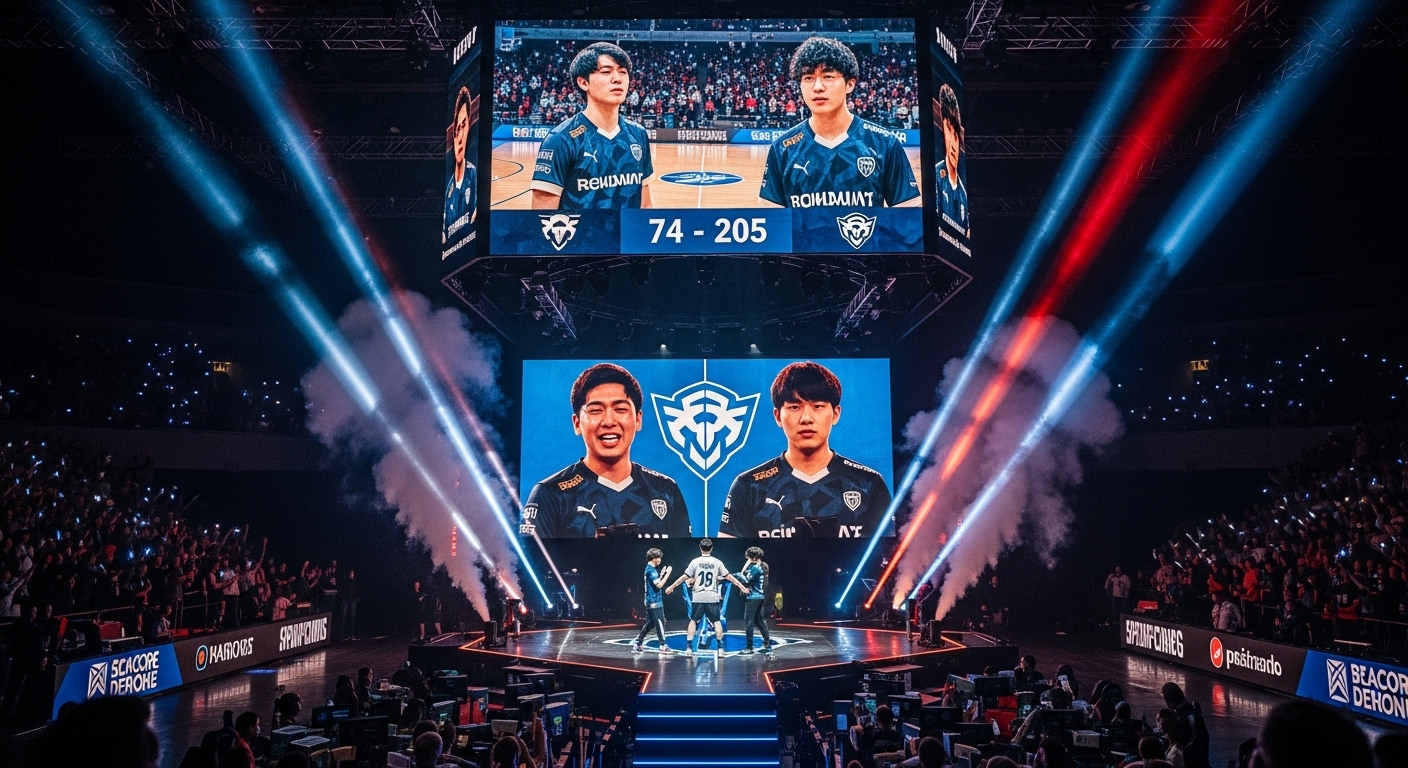
The world of sports has witnessed a monumental shift over the past decade. While traditional sports like football, basketball, and baseball have long dominated the global stage, the rise of esports has introduced a new dimension to competitive entertainment. Esports, or competitive video gaming, has surged in popularity, capturing the attention of millions worldwide. This growth has not only challenged conventional sports but also reshaped how fans consume sports content. The influence of esports on traditional sports viewership is profound and multifaceted, involving demographic changes, technological innovations, cultural shifts, and economic dynamics.
In this blog post, we will explore how esports is influencing traditional sports viewership by examining the key factors driving this transformation. We will discuss the crossover between fanbases, technological advancements that blur the lines between digital and physical sports, shifts in media consumption habits, and the collaborative opportunities emerging between the two worlds. Understanding this influence is essential to grasp the future landscape of sports entertainment.
The Rise of Esports: A New Contender in the Sports Arena
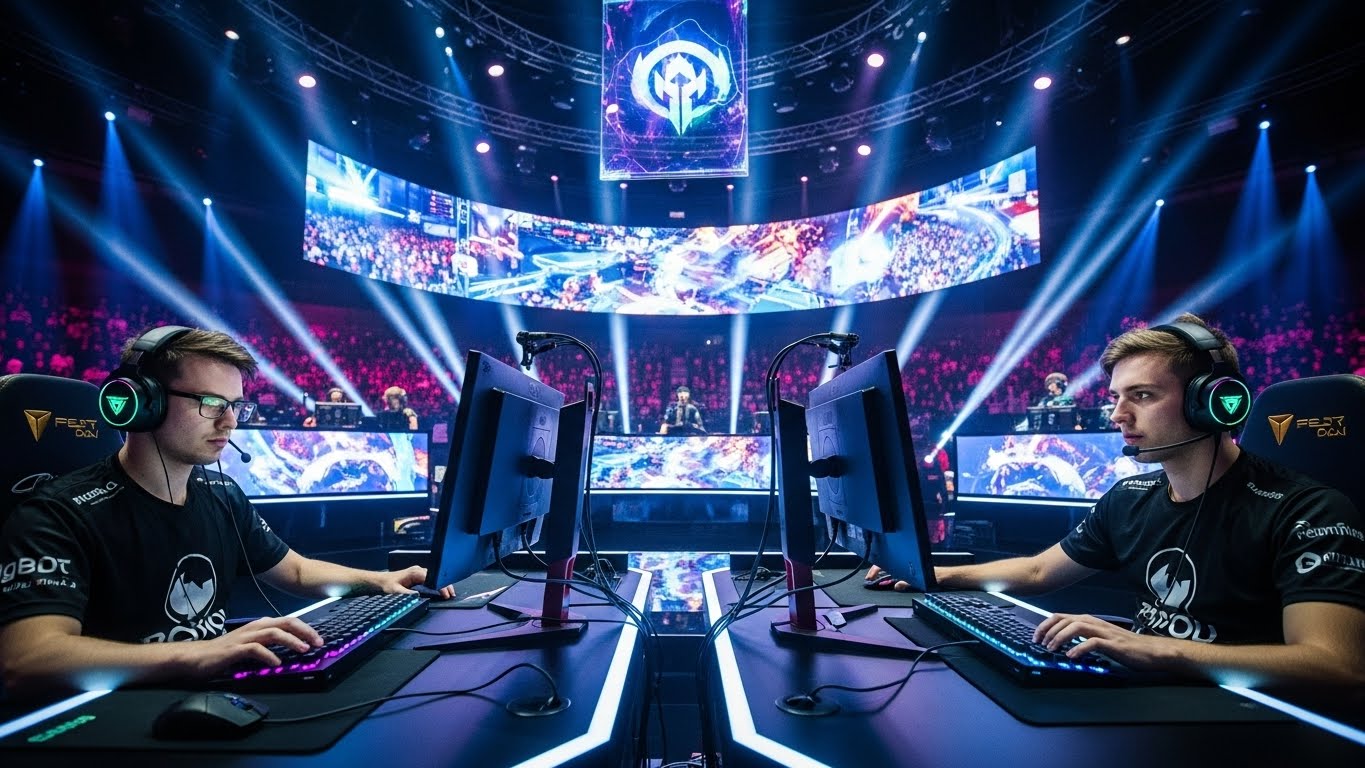
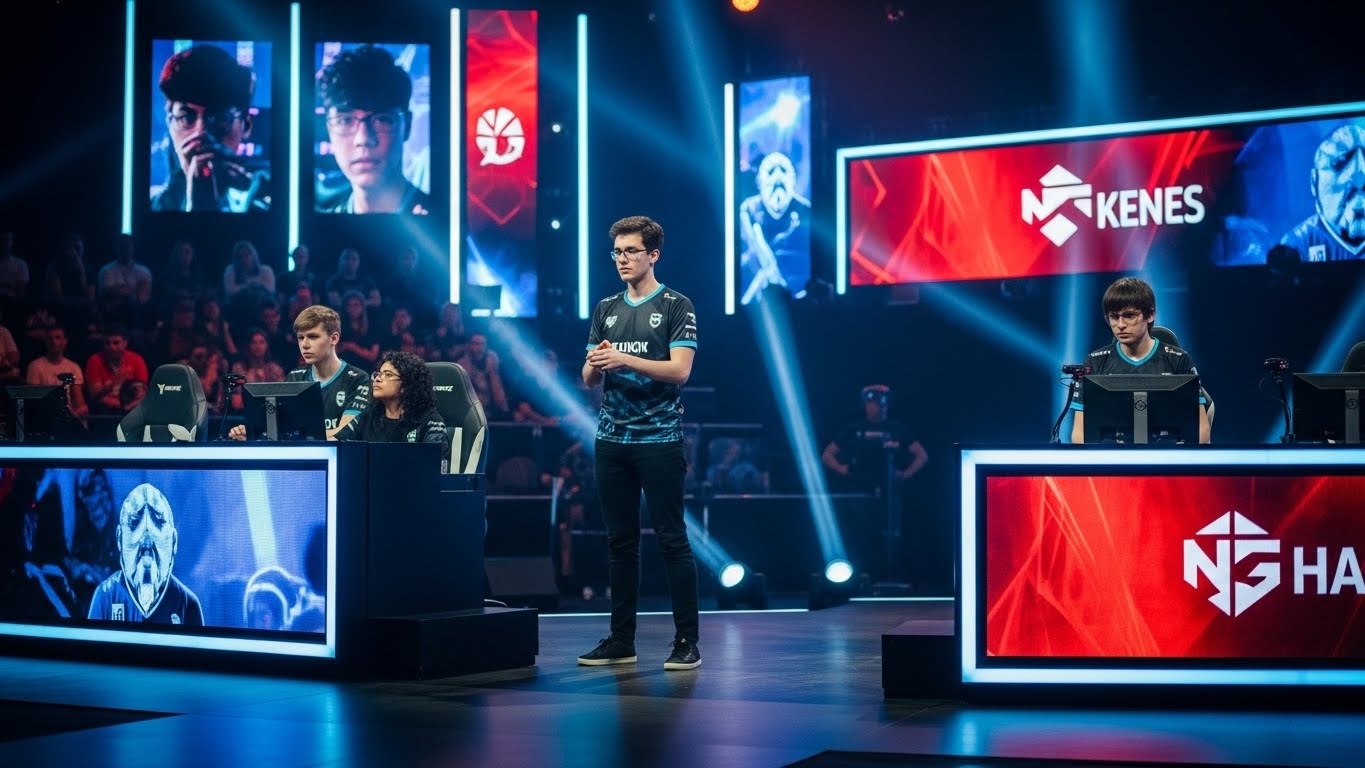
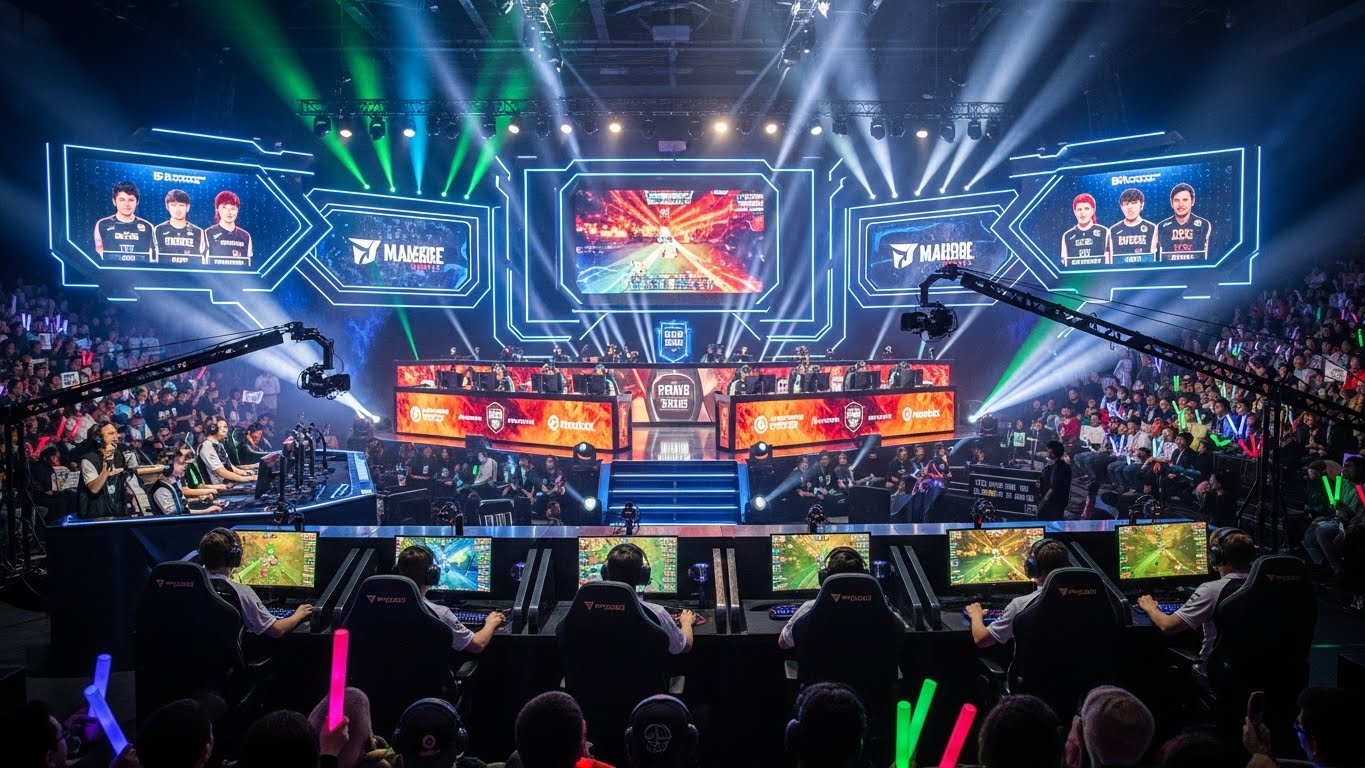
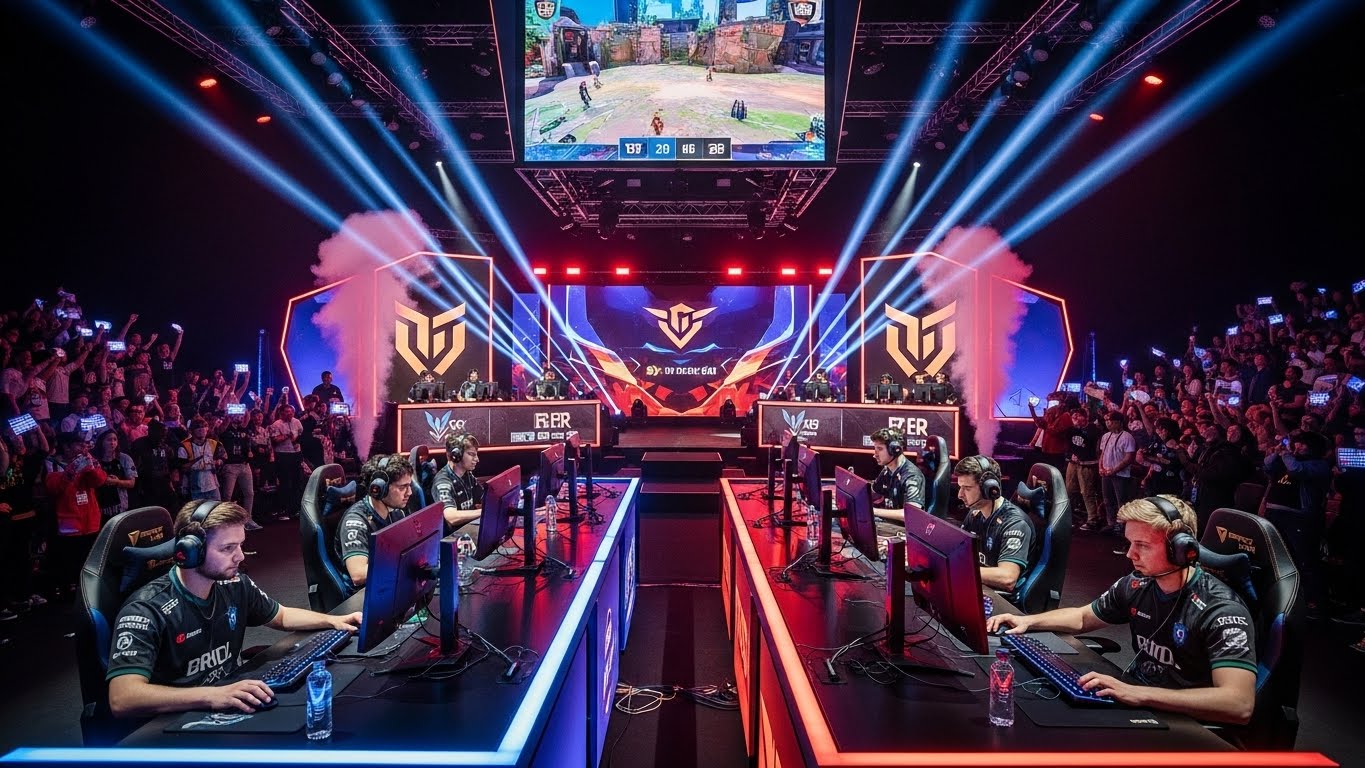
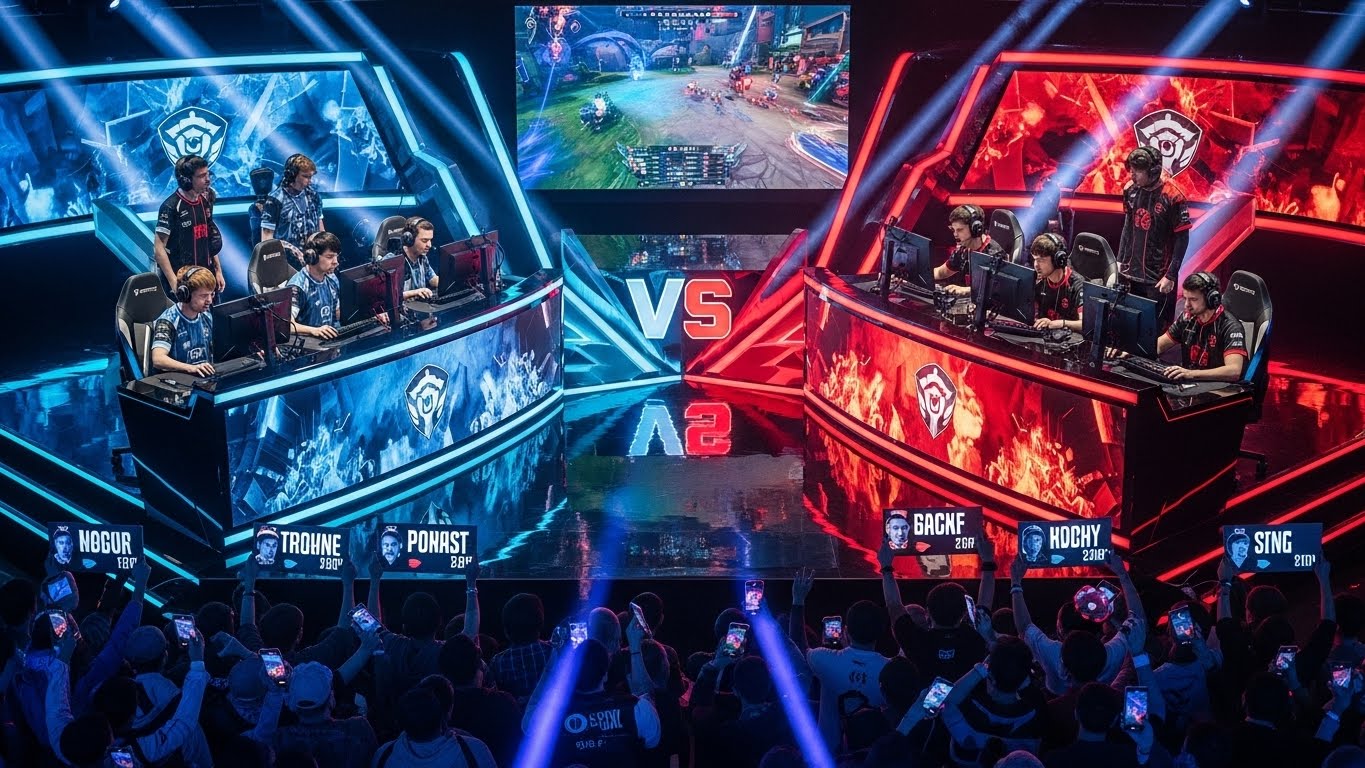
To comprehend esports’ influence on traditional sports, it’s crucial to first recognize its rapid growth and establishment as a legitimate form of competition. Over the past decade, esports has evolved from niche gaming communities into a global industry generating billions of dollars in revenue annually. Massive tournaments draw audiences comparable to, and sometimes exceeding, those of traditional sports events.
Esports titles such as League of Legends, Dota 2, Counter-Strike: Global Offensive, and Fortnite have cultivated large, dedicated fanbases. The accessibility of esports—where anyone with a computer or console can participate or spectate—has democratized competition, unlike traditional sports, which often require physical facilities and extensive training.
The demographic of esports enthusiasts tends to be younger, tech-savvy, and highly engaged with digital media platforms. This new generation of viewers demands dynamic, interactive experiences and embraces the digital-first nature of esports. As a result, traditional sports leagues and broadcasters are paying close attention to esports’ success, realizing that it offers valuable lessons and opportunities.
Shifting Audience Demographics and Viewing Preferences
One of the most significant impacts of esports on traditional sports is the shift in audience demographics and viewing preferences. Younger generations, especially millennials and Gen Z, show a marked preference for esports content. This shift is reflected in viewership data, where younger fans are increasingly drawn to esports events over traditional sports broadcasts.
The reasons for this trend are multifaceted. First, esports offers entertainment in formats and through platforms that resonate with younger viewers. Streaming services such as Twitch and YouTube Gaming allow fans to watch live competitions, interact with streamers and commentators in real-time, and access content on-demand. This level of engagement contrasts with traditional sports’ often passive viewing experience through television or cable.
Second, esports provides a global and borderless environment. Traditional sports can be limited by regional leagues or national affiliations, but esports players and fans come from diverse international backgrounds, creating a sense of community and shared culture transcending geographic boundaries.
Finally, esports aligns well with the social media habits of younger audiences. Highlights, memes, and commentary circulate quickly, fueling viral moments that keep fans constantly connected and engaged. This continuous interaction builds loyalty and interest, which traditional sports are beginning to emulate but have yet to fully match.
Technological Innovations Bridging Esports and Traditional Sports
Technology is a critical factor in how esports is influencing traditional sports viewership. The digital nature of esports has accelerated the adoption of new technologies in sports broadcasting and fan engagement.
Augmented reality, virtual reality, and advanced data analytics are examples of innovations borrowed from esports that are now enhancing traditional sports experiences. For instance, real-time stats overlays and immersive replays are becoming standard features in sports broadcasts, inspired by the detailed game information presented in esports streams.
Moreover, the rise of mobile and cloud gaming has inspired traditional sports to rethink their digital strategies. Many sports leagues have launched interactive apps, fantasy sports platforms, and second-screen experiences that replicate the engagement esports fans enjoy. These initiatives aim to keep traditional sports relevant to a generation accustomed to interactive and immersive entertainment.
The integration of esports technology also extends to training and performance. Professional athletes and teams now use data analysis and virtual simulations to improve skills, borrowing techniques from esports competitors who rely heavily on precise metrics and strategy.
Cross-Pollination of Fanbases and the Hybridization of Sports Culture
Another notable effect of esports on traditional sports is the gradual crossover of fanbases. As esports gains legitimacy, fans of traditional sports are becoming curious about digital competitions, while esports fans show growing interest in physical sports.
Several factors contribute to this hybridization of sports culture. Celebrity athletes from traditional sports are increasingly participating in esports events, either as team owners, players, or promoters. This involvement bridges the gap between the two worlds, attracting fans from both sides.
Similarly, esports organizations have begun sponsoring or collaborating with traditional sports teams. These partnerships enhance brand visibility and create shared experiences that blend the excitement of both forms of competition.
The hybridization is also visible in the format of events. Some tournaments now combine physical and digital competitions, allowing fans to enjoy live sports and esports simultaneously. This merging of experiences broadens the appeal and introduces traditional sports fans to the digital age.
Changing Media Landscape and Sports Broadcasting
Esports has revolutionized the media landscape around sports viewership. Traditional sports have historically relied on television networks and scheduled programming, but esports thrives on streaming platforms offering live, on-demand, and interactive content.
The shift towards digital streaming has influenced traditional sports broadcasters to adapt by increasing their online presence and experimenting with new content delivery methods. Many leagues now stream games on platforms popular with younger audiences, supplementing traditional broadcasts with digital exclusives.
Additionally, the esports model encourages active fan participation. Chat rooms, live polls, and social media integration during streams create a communal viewing experience. This interactivity enhances fan loyalty and keeps viewers engaged longer, a model that traditional sports broadcasters are increasingly adopting.
The 24/7 availability of esports content also contrasts with traditional sports’ seasonal nature, leading to continuous engagement rather than intermittent bursts of interest. This constant content flow keeps fans connected year-round, influencing how sports organizations plan their content calendars.
Economic Impact: Sponsorships, Advertising, and Monetization
The economic dynamics of esports are reshaping how sponsorships and advertising work within the sports industry. Esports’ growth has attracted major global brands eager to tap into its young, diverse audience.
Traditional sports leagues have observed esports’ success in monetizing digital content through sponsorship deals integrated into streams, branded in-game content, and influencer partnerships. These monetization strategies have inspired sports organizations to innovate their revenue models.
Advertising in esports is often more targeted and data-driven, leveraging the detailed viewer analytics available on streaming platforms. This approach results in higher engagement and better return on investment for sponsors, prompting traditional sports to adopt similar data-centric marketing tactics.
Moreover, the rise of esports has diversified revenue streams. Ticket sales for live esports events, merchandise, digital goods, and subscription services contribute to a complex economic ecosystem. Traditional sports are exploring these opportunities to augment their traditional income sources.
Challenges and Opportunities for Traditional Sports
While esports presents opportunities, it also poses challenges for traditional sports. The competition for viewers’ time and attention is fierce, and traditional sports must innovate to remain relevant to younger audiences.
One challenge is overcoming the perception of esports as “not real sports.” Although this view is changing, it still affects how some fans and stakeholders engage with esports. Traditional sports organizations can address this by fostering collaboration and showcasing the shared values of competition, teamwork, and skill.
Another challenge is adapting to the rapidly evolving technology landscape. Traditional sports entities often face bureaucratic and infrastructural constraints that slow innovation. Learning from esports’ agile and community-driven approach could help them respond faster to changes in viewer preferences.
On the flip side, the fusion of esports and traditional sports creates unique opportunities for growth. Collaborations can generate new content formats, hybrid events, and cross-promotional campaigns that expand audiences. Embracing esports principles of inclusivity, interactivity, and digital-first thinking can revitalize traditional sports’ appeal.
The Future of Sports Entertainment: Integration and Innovation
Looking forward, the influence of esports on traditional sports viewership is expected to deepen. The boundaries between digital and physical competition will continue to blur, creating a more integrated sports entertainment ecosystem.
We can anticipate more hybrid events combining live physical sports with esports tournaments, leveraging technology to create immersive fan experiences. Virtual and augmented reality might allow fans to participate in games from anywhere in the world, further democratizing sports entertainment.
Additionally, the personalization of content, driven by data analytics and AI, will enable sports organizations to tailor experiences to individual fans. This level of customization, already prevalent in esports, will become a standard expectation across all sports.
Sports franchises may also develop their own esports teams as part of their brand strategy, creating year-round engagement with fans and opening new revenue channels.
Ultimately, the future points toward a convergence where traditional sports and esports coexist symbiotically, each enriching the other and expanding the possibilities of competitive entertainment.
Conclusion
Esports has profoundly influenced traditional sports viewership by reshaping demographics, technology, culture, media, and economics. This new form of competitive entertainment appeals to younger generations, embraces digital innovation, and creates more interactive and immersive experiences. Traditional sports are responding by adapting their content delivery, engaging in collaborations, and exploring new business models.
While challenges remain, the fusion of esports and traditional sports promises an exciting future where fans benefit from a richer and more diverse sports ecosystem. The ongoing integration of these two worlds will redefine how we experience competition, community, and entertainment in the years to come.
In essence, esports is not just influencing traditional sports viewership—it is transforming the very nature of sports itself.