championplay05
Introduction
In the span of just a few decades, the world has witnessed an extraordinary metamorphosis in the entertainment and sports arenas. Esports—competitive video gaming played at the professional level—has transcended mere novelty to become a global phenomenon. Long gone are the days when video games were relegated to dim living rooms or arcade halls. Today, they are main events drawing stadiums full of cheering fans, multi‐million dollar sponsorships, franchised leagues, and athletes whose reflexes, strategies, and mental fortitude rival those in traditional sports. In this post, we will explore how esports evolved, the culture shaping it, the business forces fueling it, the challenges it faces, and where it may head in the coming years.
The Origins and Evolution of Esports
Early Competitive Beginnings
The seeds of esports were planted when gamers began competing locally or online for bragging rights. In the late 1970s and 1980s, arcade high score rivalries and local tournaments hinted at what could become competitive gaming. But the first major landmark was the “Space Invaders Championship” organized in 1980, which drew thousands of participants. From there, arcade tournaments and early console competitions took root.
In the 1990s and early 2000s, with the rise of personal computing and internet connectivity, competitive PC gaming grew. Titles such as “Quake,” “StarCraft,” and “Counter‑Strike” became integrated into organized matches. Small prize pools and grassroots communities dominated the scene. LAN (local area network) tournaments, where players gathered in a physical space and competed head‑to‑head, became the norm.
The Internet and Streaming Era
The turning point for esports came when broadband internet and video streaming matured in the mid‑2000s and 2010s. Broadcasting games over the internet introduced spectatorship; viewers could watch skilled players compete live. Platforms dedicated to game streaming and video sharing allowed fans across geographies to experience tournaments in real time.
Simultaneously, game developers began recognizing the value of competitive scenes. They invested in supporting leagues, balancing gameplay to favor spectator enjoyment, and facilitating tournament infrastructure. Games like “League of Legends,” “Dota 2,” and “Overwatch” were designed with both the casual player and the competitive spectator in mind. As prize pools ballooned and viewership exploded, what was once a fringe hobby transformed into a multi‑billion dollar industry.
The Ecosystem: Games, Players, Tournaments, and Fans
Types of Esports Games
Esports spans many genres, each with its own dynamics, strategies, communities, and appeal. Some of the most prominent include:
- Multiplayer Online Battle Arenas (MOBAs): Games like “League of Legends” and “Dota 2” where teams of players manage resources, control lanes, and fight to destroy the opponent’s base.
- First‑Person Shooters (FPS): Titles such as “Counter‑Strike,” “Valorant,” and “Call of Duty” focus on reflexes, accuracy, teamwork, and map control.
- Real‑Time Strategy (RTS): Classic staples like “StarCraft” challenge players to manage economy, produce units, and execute tactical maneuvers simultaneously.
- Battle Royale / Arena Shooters: Games like “Fortnite” and “Apex Legends” combine survival, positioning, and combat in large, densely populated matches.
- Sports Simulations / Racing / Fighting Games: Titles like “EA Sports FIFA,” “Mortal Kombat,” “Tekken,” and “Gran Turismo” represent competitive iterations of traditional sports or racing in virtual worlds.
Each genre appeals to different audiences and demands different skillsets, but all contribute to the larger tapestry of esports.
Players as Athletes
In modern esports, professional players train extensively. Their routines may include hours of practicing mechanical skills (e.g. aim, timing, micro‑management), studying strategies and opponents, team communication drills, mental conditioning, nutrition planning, and recovery protocols. Some teams even hire sports psychologists, physical trainers, and nutritionists to maximize performance.
Players often begin their careers young, as reaction times and adaptability are stronger in younger individuals. But longevity in esports requires evolving, as meta changes, new games emerge, and burnout becomes a risk.
Tournament Structures and Prize Pools
A key feature distinguishing esports is the tournament model. Some tournaments are open‑entry, letting any qualifying team attempt to advance. Others use invitational formats, where only top teams are invited. Many leagues adopt a franchise or seasonal model, like traditional sports, with regular seasons leading into playoffs.
Prize pools now frequently reach into millions of dollars. For example, some “Dota 2” tournaments have offered prize pools over thirty million dollars. Tournament organizers often use crowdfunding or sponsorship contributions to boost these purses.
Fans, Communities, and Broadcasting
The fan dimension is central to esports. Fans follow favorite teams, players, and games with intensity. They watch live streams, participate in chats, attend live events, and contribute to online discussion. Content creation—streams, VODs, highlight reels, tutorials—keeps fans engaged between tournaments.
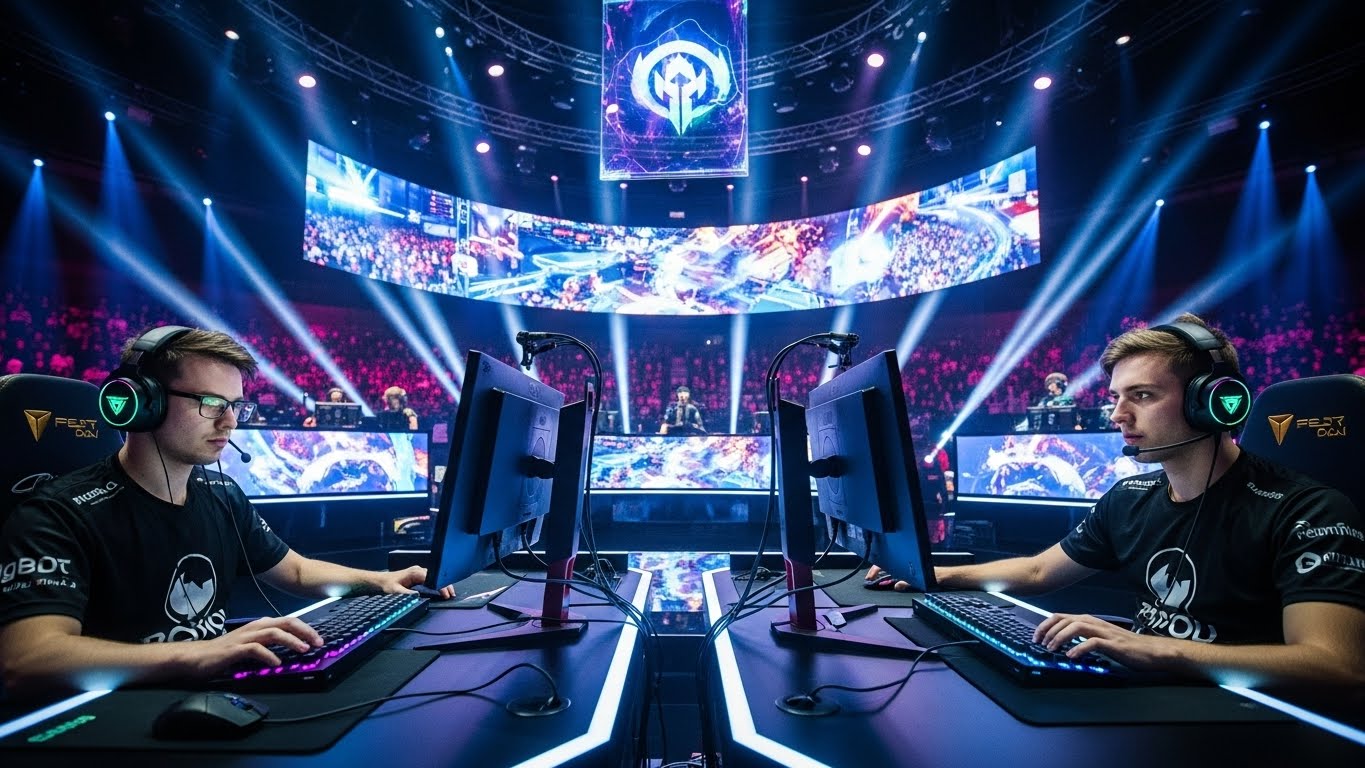
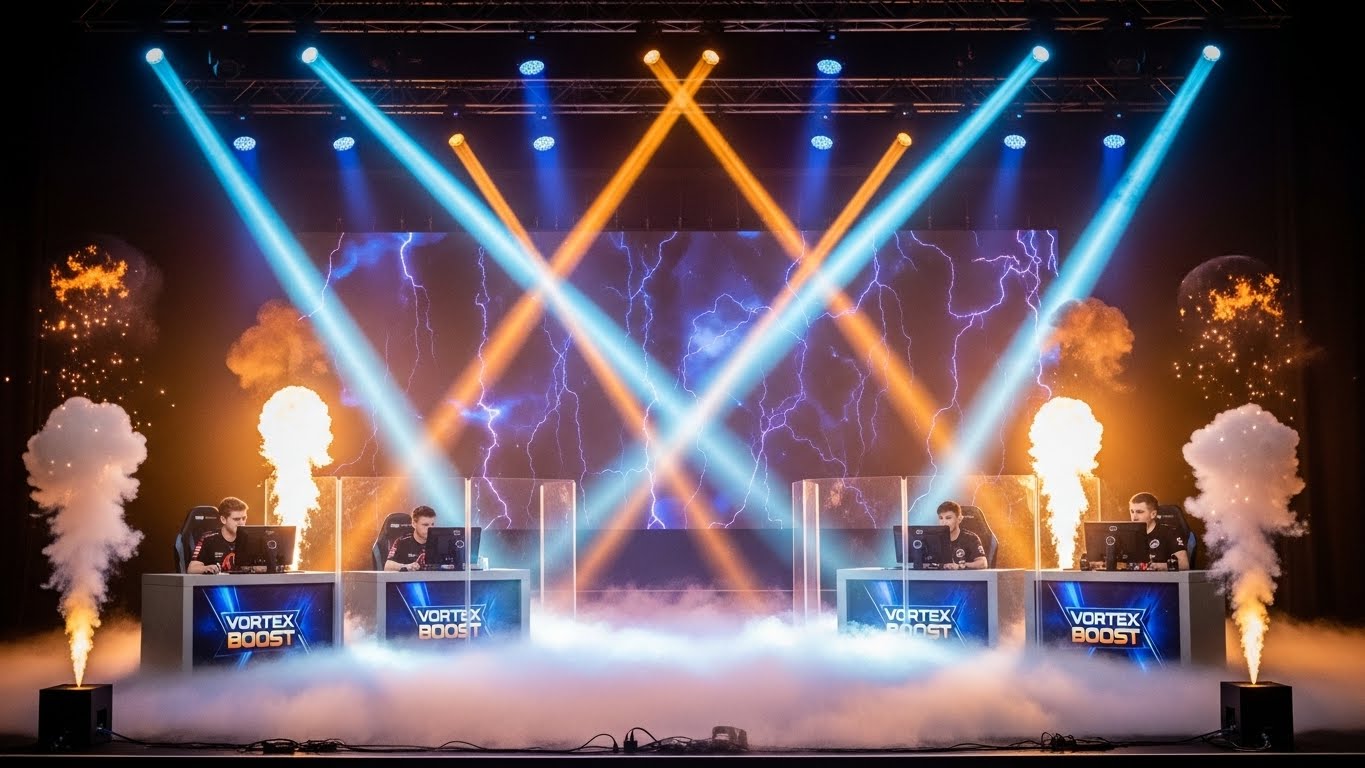
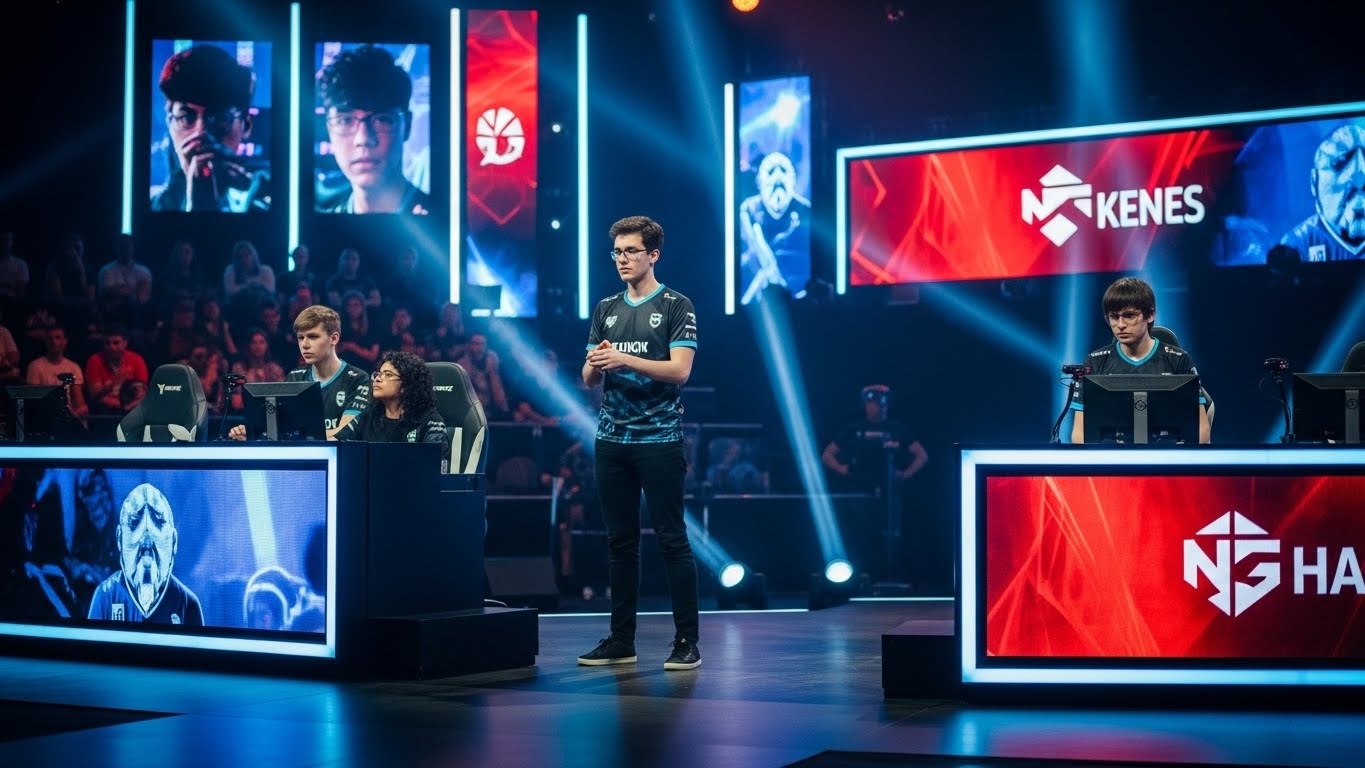
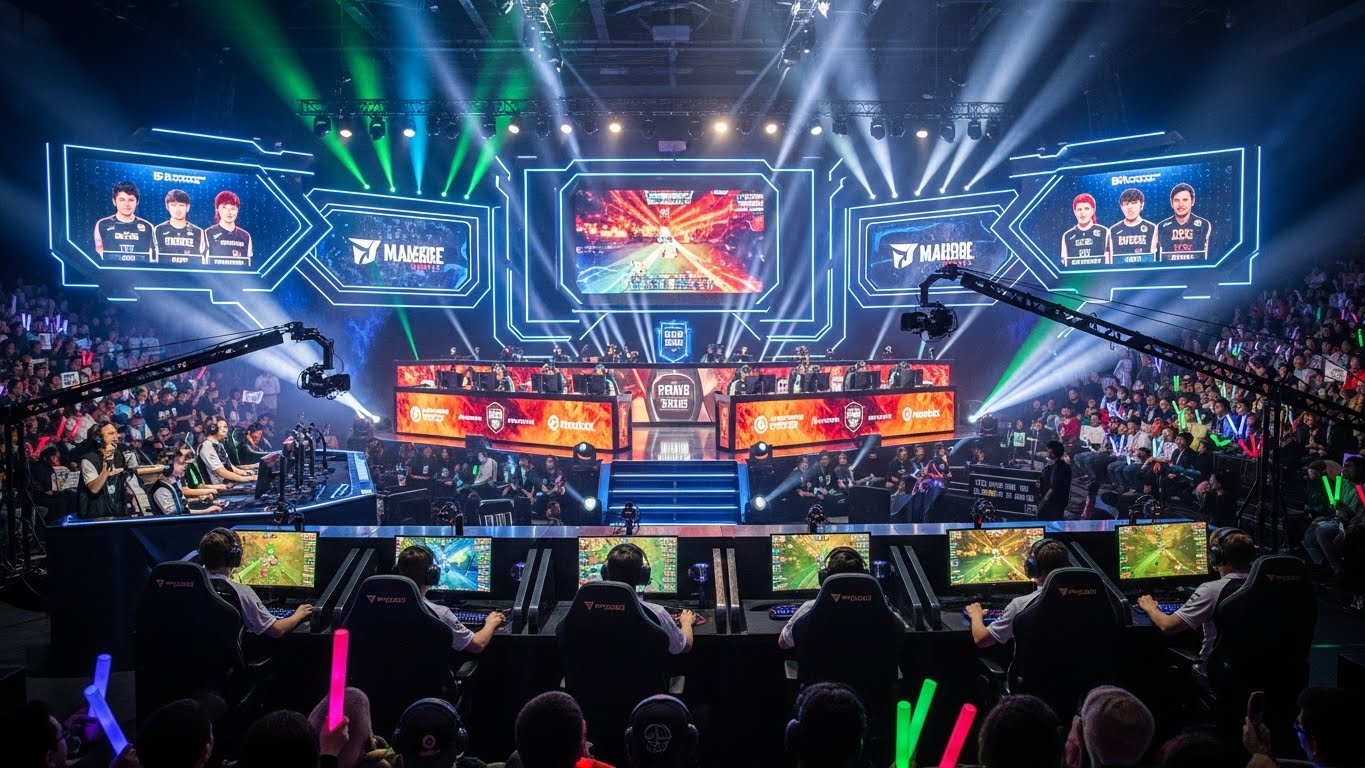
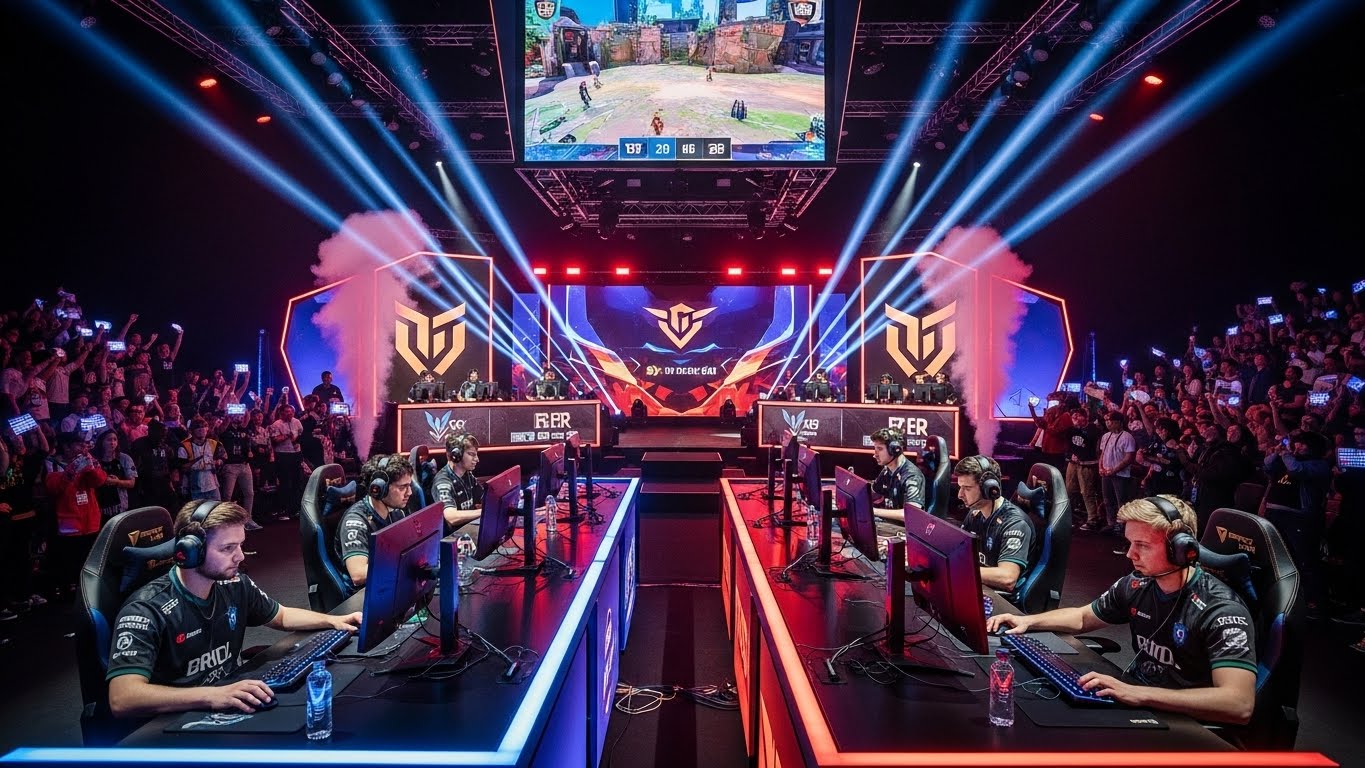
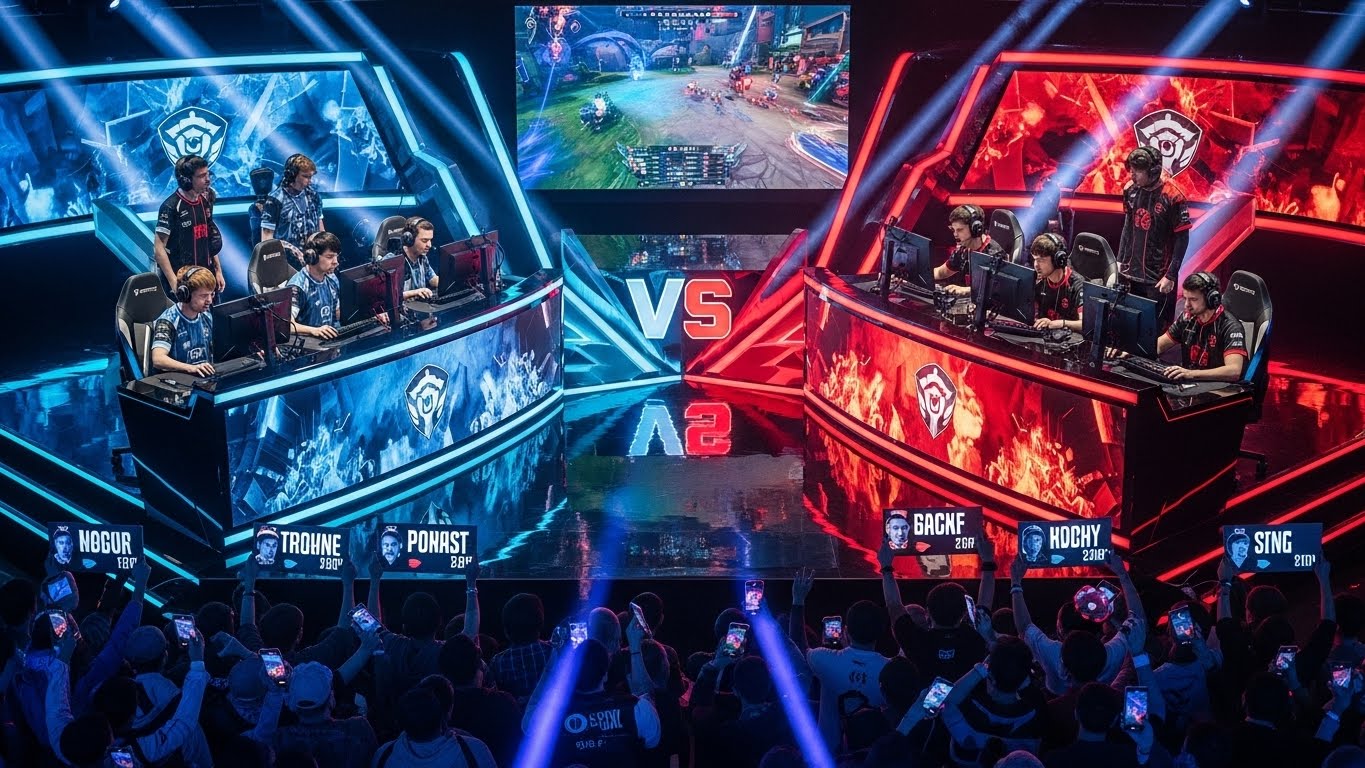
Broadcasting has evolved from amateur streaming to professionally produced events with commentators, analysts, in‑game overlays, and camera control. Production value is now on par with traditional sports broadcasting. Some events are staged in large arenas with massive screens, light shows, and live audiences, turning esports into a spectacle.
Economics Behind the Game
Revenue Streams
Esports generates revenue through a mix of:
- Sponsorship and Advertising: Brands purchase branding slots, team jerseys display logos, and event broadcasts contain commercials. Nonendemic brands (beyond the gaming industry) increasingly invest.
- Media Rights: Tournament organizers sell broadcasting rights to platforms, networks, or streaming services.
- Ticket Sales and Live Events: Spectator attendance generates income via ticketing, merchandise, and concessions.
- Merchandise and Licensing: Teams produce jerseys, apparel, and branded goods. Developers or league organizers license content or skins tied to events.
- In‑Game Purchases and Virtual Goods: Some game developers bundle esports content—event skins, commemorative items, etc.—with part of proceeds funding prize pools.
- Franchise Fees and League Ownership: In franchised leagues, teams buy spots in the league, similar to traditional sports franchises.
Investment and Valuation
As viewership and revenue grow, external investors—venture capitalists, talent agencies, celebrities, sports franchise owners—enter the scene. Teams and leagues receive funding to expand operations, sign better players, improve infrastructure, and market globally.
Valuations of top esports organizations now rival those of traditional sports teams in smaller markets. The expectation of future growth continues to draw investment.
Cost Structures and Challenges
Operating esports teams and events is expensive. Costs include player salaries, support staff, travel and accommodation, training facilities, broadcasting production, venue rental, and marketing. Some teams struggle to break even, especially in smaller markets or emerging regions. Teams may depend on prize winnings, sponsorships, and investor subsidies.
Revenue volatility is real: when a game’s popularity declines or a title’s developer shifts focus, an organization reliant on that game must adapt or perish. Diversification across games is thus essential for sustainability.
Culture, Identity, and Societal Impact
Global Reach, Local Roots
One of esports’ most fascinating aspects is its global scale. Players from different continents compete online, fans from all time zones tune in, and tournaments rotate across cities worldwide. Yet local scenes remain vital. Regional qualifiers, local gaming cafes, and grassroots events anchor the global network.
In many countries, esports is becoming part of youth culture. Gaming clubs form in schools or universities, and some governments have begun recognizing esports as a legitimate sport or scholarship opportunity. This shift helps reduce stigma around gaming, viewing it as a discipline requiring skill, teamwork, and strategy rather than mere entertainment.
Inclusivity, Diversity, and Representation
The esports community is working to address barriers to entry. Historically, representation in competitive gaming has skewed toward males, especially in certain genres. However, organizations and leagues are increasingly promoting female tournaments, mixed‑gender teams, and underrepresented regions. Diversity and inclusion efforts are ongoing, with focus on providing safe, respectful environments, combating toxicity and harassment, and ensuring equal opportunity in access and visibility.
Fandom and Identity
For many fans, supporting an esports team or player becomes part of their identity. They purchase jerseys, join supporter groups, attend events, and engage in social media conversation. Fan culture also manifests in cosplay, fan art, chants, and community meetups. The emotional investment can mirror that seen in traditional sports fans.
Education, Academies, and Development
To cultivate talent, many professional organizations have established academies or developmental teams. Some educational institutions offer scholarships for esports players, host interuniversity leagues, or even build dedicated esports facilities. Training programs, bootcamps, and mentorship help promising players progress into professional ranks.
Challenges and Critiques
Burnout, Mental Health, and Workload
High expectations and intensive schedules take a toll on players. Many professionals report burnout, fatigue, anxiety, or stress from maintaining peak performance. The pressure to constantly adapt to evolving metas or games intensifies this burden. Some players retire in their early twenties, citing mental health or physical strain as contributing factors.
Maintaining a healthy balance of rest, physical activity, downtime, and psychological care is critical yet often neglected in early esports structures.
Game Lifespan and Sustainability
Esports revolve around specific games. When a game’s popularity dwindles, or a developer withdraws support (e.g. patches, updates, esports funding), organizations reliant on that title may struggle. The risk of being game‑dependent means that some esports organizations diversify across multiple titles to hedge against downturns.
Moreover, constant iteration in games — new editions, patches, meta shifts — demands players and teams adapt, which can lead to fractured competitive environments or confusion among fans.
Regulation, Governance, and Standardization
Esports lacks a singular global governing body. Rules, formats, and regulations vary widely across games and leagues. Issues like cheating, match fixing, doping (whether performance‑enhancing drugs or stimulants), player contracts, transfers, and intellectual property usage sometimes lack clear regulatory oversight.
Efforts toward standardized rules, fair arbitration, and athlete rights protection are emerging. Some regional or national esports bodies attempt to codify best practices and regulate competition.
Monetization vs. Ethics
Striking a balance between monetization and fair competition is delicate. Spectator monetization (advertising, merchandise, in‑game purchases) must not compromise game fairness or integrity. Developers or tournaments bundling exclusive event cosmetics or skins may alienate segments of the player base. Some critics argue that monetization strategies exploit fans or encourage gambling‑like behavior in the virtual economy.
Piracy, Counterfeits, and Intellectual Property
Because digital content is easily replicable, esports ventures must guard against piracy and counterfeit merchandise. Unauthorized live streams, copyright violations, and distribution of premium content without licensing can undermine revenue. Protecting intellectual property rights is an ongoing challenge in the digital domain.
Regional Scenes and Global Powerhouses
Asia: Titans of Competition
Asian countries, especially South Korea and China, have long held dominant positions in esports. Korea pioneered the professionalization of gaming with televised StarCraft leagues and gaming house systems. Today, South Korea remains a powerhouse in titles like “League of Legends,” “Overwatch,” and “StarCraft.” China’s esports scene has received strong investment both from private and government sources, making it a behemoth in both player base and infrastructure.
Southeast Asian nations, too, have vibrant communities. Countries like the Philippines, Indonesia, Malaysia, and Vietnam produce competitive teams in regional leagues and international events.
North America and Europe: Leagues and Franchises
In North America and Europe, franchise leagues have become prevalent. Cities get team slots, and fans support local teams similarly to traditional sports. The “League of Legends Championship Series (LCS)” and the “Overwatch League (OWL)” pioneered city‑based franchises. Europe has its own leagues and robust grassroots scenes, particularly in fighting games and racing esports.
Emerging Regions: Latin America, Middle East, Africa, and South Asia
Esports growth is accelerating in Latin America, the Middle East, Africa, and South Asia. Lower infrastructure costs, increasing internet penetration, mobile gaming popularity, and youth demographics contribute to rapid expansion. However, these regions often face challenges of funding, regulatory support, and talent retention. Nonetheless, as global esports becomes more inclusive, underrepresented areas hold huge potential to produce breakout stars and new audiences.
The Role of Technology: Shaping Competition and Spectatorship
Streaming Platforms and Viewer Experience
The evolution of streaming platforms has been central to esports’ growth. Interactive features—chat overlays, polls, viewer rewards—enhance engagement. Streamers and tournaments offer multiple camera angles, instant replays, detailed match analytics, and commentary to elevate the spectator experience. With cloud computing, content delivery networks, and low latency streaming, real‑time viewing across continents is seamless.
Virtual Reality, Augmented Reality, and Immersive Spectacles
The next frontier may be immersive competition. Virtual reality (VR) and augmented reality (AR) have potential to transform how players compete and audiences watch. Imagine spectators experiencing a match from inside the game environment, viewing from a player’s perspective, or walking through virtual arenas filled with fans and esports avatars. Though adoption is nascent, ongoing experiments suggest intriguing futures.
Artificial Intelligence and Analytics
Teams are increasingly leveraging data analytics and artificial intelligence (AI) to gain competitive edges. AI systems can analyze past opponent strategies, optimal builds, movement patterns, or predict meta shifts. Coaches incorporating statistical insights can fine‑tune tactics. Additionally, AI for live broadcasting can generate real‑time predictions, spotlight key plays, or automate highlights for faster publishing.
5G, Edge Computing, and Reduced Latency
Low latency is crucial in competitive gaming. Advances in 5G networks, edge computing, and distributed server infrastructure help reduce lag, improve responsiveness, and unify cross‑region tournament capabilities. As network technology progresses, latency disparities become less of a barrier to global competition.
Future Trends and Predictions
Convergence with Traditional Sports
As esports continues to mature, the lines between traditional sports and esports are blurring. Major sports franchises are acquiring teams, stadiums are hosting esports events, and hybrid formats combining physical and digital competition may emerge. Collegiate and Olympic bodies are increasingly considering formal inclusion or recognition of esports. The potential exists for esports to become part of multi‑sport festivals, national programs, or even the Olympics someday.
Mobile Esports Dominance
In many regions, especially in Asia, mobile gaming dominates due to lower cost of entry (smartphones vs high‑end PCs). Titles like “PUBG Mobile,” “Garena Free Fire,” and “Mobile Legends” already host massive tournaments with huge audiences. As mobile hardware improves and mobile competitive infrastructure strengthens, mobile esports could overtake PC in sheer scale of participants and viewers in many regions.
Cross‑Game and Cross‑Platform Leagues
Future leagues may allow teams to compete across multiple games, maximizing brand presence and fan engagement across genres. Cross‑platform compatibility (PC, console, mobile) might allow tournaments where players compete across devices. Flexibility will become a hallmark of sustainable esports organizations.
Virtualization of Events
In a post‑pandemic world, hybrid or fully virtual events may become more common. Virtual arenas, holographic presentations, and mixed reality broadcasts can replicate the spectacle of live events without geographic constraints. Fans could attend “virtual arenas” via VR headsets or AR projections in local hubs.
Sustainability, Ethics, and Governance
Standardization of player rights, boundaries on workloads, regulation of virtual economies, and fair governance will gain urgency. Esports will likely evolve toward certification bodies, global federations, and ethical guidelines. Sustainability in scheduling, revenue sharing, and talent development will differentiate organizations with staying power.
Education, Career Paths, and Legacy
As esports becomes established, career paths beyond playing will grow: coaching, commentary, analysis, event production, marketing, studio engineering, game development, and administration. Academic programs or degree tracks specializing in esports management, broadcast production, or game design will spring up globally.
Case Studies: Successes and Cautionary Tales
Team Franchise Success Story
Consider a franchise that began with modest local roots and grew into an international brand. It signed young talent, invested in coaching and infrastructure, branched into multiple games, created a merchandise line, and engaged deeply with its fan community. Over time, thanks to tournament wins and sponsorship deals, the franchise’s valuation soared. It opened physical training houses, launched an academy, collaborated with nonendemic brands, and expanded into content creation and entertainment.
Such successes illustrate that a long‑term vision, diversified revenue streams, strong brand identity, and constant adaptation are keys to viability.
Rise and Fall: Dependency Risk
By contrast, another organization poured all its resources into a single game that later declined. When the developer cut esports funding and viewership waned, the organization struggled to pivot. With insufficient funds from other games or merchandise, they dissolved or got absorbed by better diversified teams. Their story underscores the risks of being overly committed to one title without contingency plans.
Player Journey: From Amateur to Professional
One player’s story: starting in local tournaments, gaining a reputation through online play, earning a spot in a semi‑professional team, and eventually being scouted by a flagship organization. He improved via coaching, nutrition plans, and rigorous practice. After several years, he became a household name with sponsorship endorsements. Over time, he transitioned to a coaching or content creation role, sustaining a career even after his competitive peak.
Such journeys highlight that success in esports often demands patience, adaptability, personal branding, and a holistic support system—not just raw talent.
Building a Sustainable Esports Ecosystem: Recommendations
For Game Developers and Publishers
- Commit to Longevity: Develop clear roadmaps for esports support, patch balance, tournament systems, and community engagement.
- Collaborate with Third Parties: Work with tournament organizers, broadcasters, and communities to co‑create events and formats.
- Ethical Monetization: Offer event‑related cosmetic items or bundles without excluding casual players from enjoying the base game.
- Open APIs and Tools: Facilitate spectator modes, match data access, stat analytics, and easy overlays to improve broadcast quality.
For Esports Organizations and Teams
- Diversify Portfolios: Compete across multiple games and genres to reduce risk.
- Invest in Infrastructure: Build training facilities, wellness programs, analytical support, and youth academies.
- Strong Brand and Community: Engage fans consistently via content, social media, and events beyond tournaments.
- Protect Player Welfare: Enforce rest periods, mental health support, manageable schedules, and career transition planning.
For Tournament Organizers
- Fair and Transparent Formats: Use clear rules, anti‑cheat systems, consistent officiating, and player representation.
- Fan‑Friendly Production: Prioritize accessibility, commentary clarity, viewer engagement features, and high production value.
- Global Access with Local Flavor: Host events worldwide, but ensure regional qualifiers and local content to maintain inclusivity.
For Governments & Regulators
- Recognition and Support: Acknowledge esports as a legitimate discipline, perhaps even as sport, offering grants or infrastructure support.
- Policy for Digital Industries: Create favorable conditions for tech, digital entertainment, and event hosting.
- Education & Scholarship Programs: Encourage educational institutions to adopt esports curricula or support student teams.
For Fans and Community
- Support Ethically: Buy official merchandise, follow broadcasts, donate to community creators, and attend live events.
- Promote Healthy Gaming Culture: Reject toxicity, support diversity, encourage newcomers, and keep discussions respectful.
- Participate Locally: Start or join local leagues, gaming cafes, university clubs—this helps expand grassroots ecosystems.
Final Thoughts: Beyond Pixels, Into Tomorrow
Esports is not a fleeting trend. Its trajectory reflects deep cultural, technological, and economic shifts around how we compete, watch, socialize, and entertain ourselves. From humble arcade competitions to multimillion-dollar stadium events, it has matured faster than many expected.
Yet, the journey is ongoing. The industry must balance commercial growth with ethical responsibility. Talent must be nurtured sustainably. Fans must remain at the heart of the experience. And innovative technologies—VR, AI, cloud, cross‑platform integration—will continue reshaping what competitive gaming means.
Whether you are a casual gamer, a hopeful competitor, an event organizer, or simply an observer, the world of esports offers boundless potential. As the line between physical and digital competition blurs, the champions of tomorrow may emerge from anywhere in the world, presenting their battlegrounds to global audiences hungry for excitement, skill, and spectacle.
In the end, the story of esports is not just about video games—it’s about community, aspiration, and the evolving way we play, connect, and celebrate human excellence.