championplay05
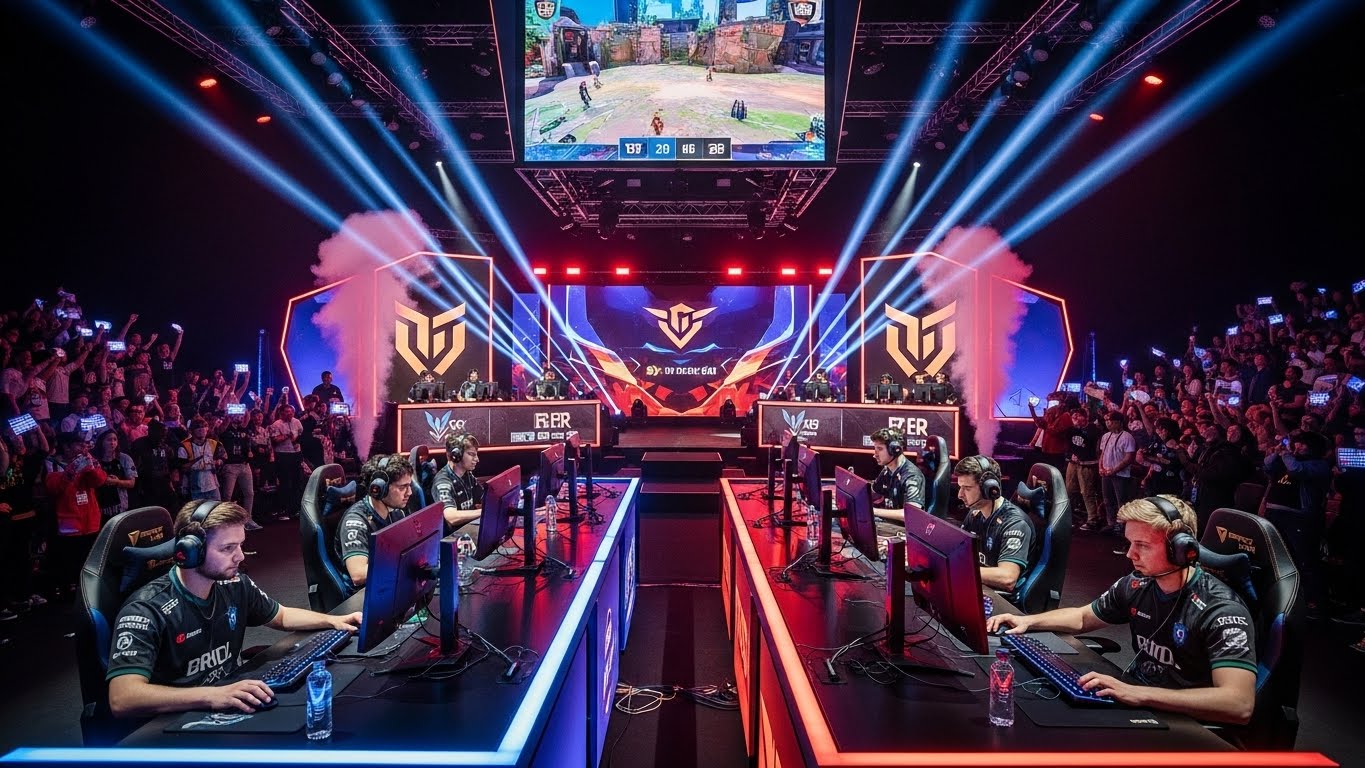
Esports has swiftly emerged as one of the most dynamic and fast-growing industries of the 21st century. What started as a pastime for passionate gamers has blossomed into a global entertainment phenomenon that commands massive audiences and significant financial investments. Competitive gaming, or esports, now spans a wide array of genres, attracts millions of viewers, and offers career opportunities for players, coaches, analysts, and content creators alike. In this blog, we’ll take a deep dive into the world of esports, exploring its rise, the players and teams that make it exciting, and what the future holds for this rapidly evolving industry.
The Beginnings of Esports: From Niche to Mainstream
Esports, or electronic sports, refers to organized video game competitions where players and teams compete against each other in games ranging from first-person shooters (FPS) to real-time strategy games and multiplayer online battle arenas (MOBAs). The concept of competitive gaming isn’t new—it dates back to the early days of arcade games in the 1970s. However, esports as we know it today began to take shape in the late 1990s and early 2000s.
The first major esports tournament was held in 1997, with games like Quake and StarCraft serving as the main attractions. As internet speeds improved and gaming technology advanced, larger and more organized tournaments started to pop up globally. By the mid-2000s, tournaments like the World Cyber Games and Electronic Sports World Cup became regular events, providing a platform for players to showcase their skills and gain recognition. However, it wasn’t until the rise of platforms like Twitch and YouTube that esports truly began its transformation into a multi-billion-dollar industry.
The Esports Ecosystem: Players, Teams, and Fans
Esports is a complex ecosystem that involves much more than just playing games. From professional players and teams to organizations, broadcasters, and fans, it’s a multifaceted industry that has brought together people from all walks of life.
The Professional Players
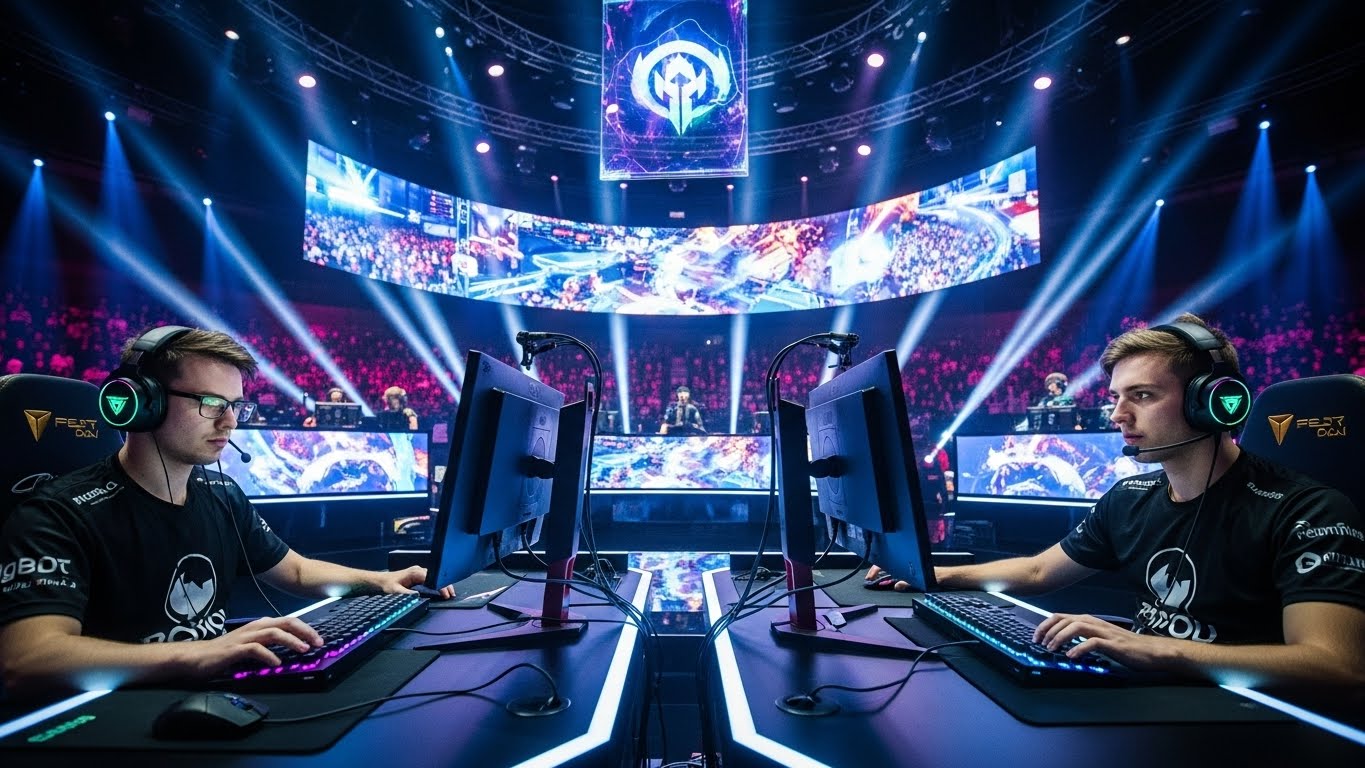
At the heart of esports are the professional players, often referred to as esports athletes. These players are highly skilled individuals who spend hours practicing, refining their techniques, and staying ahead of the competition. Many of them start their careers by streaming their gameplay on platforms like Twitch or YouTube, gradually gaining recognition as they improve their skills and build a fan base. Some players are self-taught, while others are recruited by professional teams at a young age, after impressing coaches and managers with their talent.
Unlike traditional sports, esports players don’t have a typical career lifespan. Most professional gamers play for several years, with peak performance occurring in their mid-20s. However, many esports professionals transition to coaching, casting, and content creation once they retire from active competition.
Esports Teams and Organizations
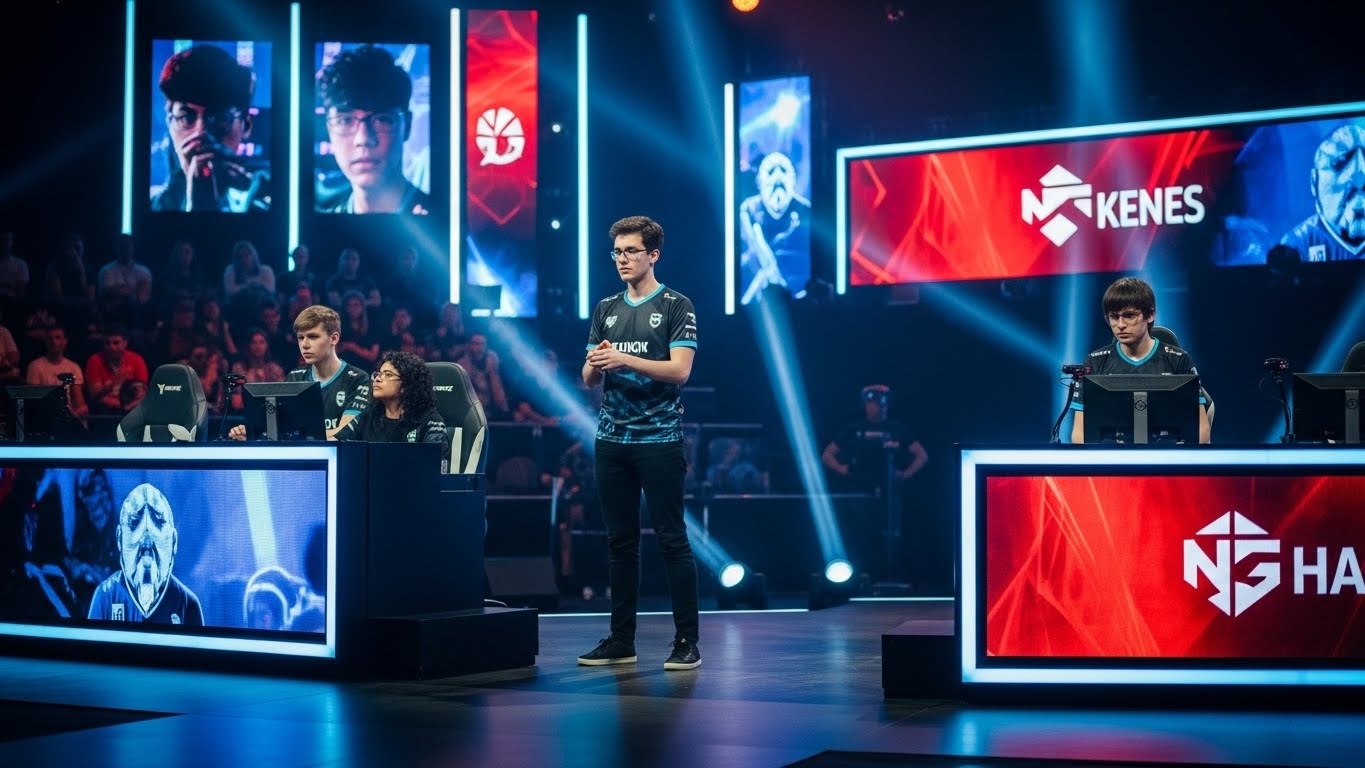
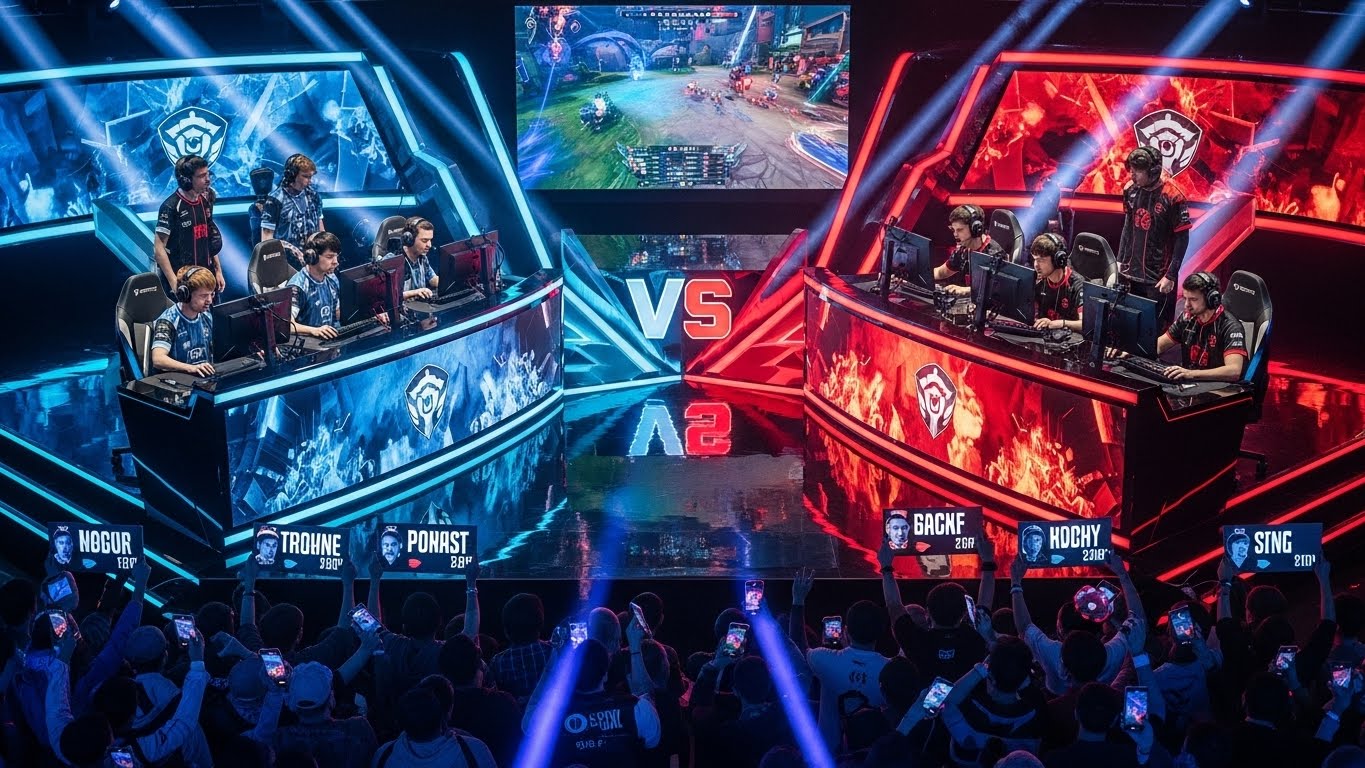
Much like traditional sports, competitive gaming also involves teams that represent various organizations. These teams, often comprised of players from different countries, train together, strategize, and compete in global tournaments. Some teams, like Team Liquid, Cloud9, and Fnatic, have built up large fan bases over the years, becoming brands in their own right. These organizations manage not only the players but also the business side of the operation, including sponsorships, advertising, and media relations.
Esports organizations often partner with major brands, including tech giants like Intel, Nvidia, and Coca-Cola, to fund their operations and increase exposure. In exchange for their sponsorships, companies get their logos prominently displayed during live streams, on team jerseys, and in major esports tournaments. These sponsorships are essential to the sustainability of the esports ecosystem, helping to fund events and pay professional players.
The Fans: The Heartbeat of Esports
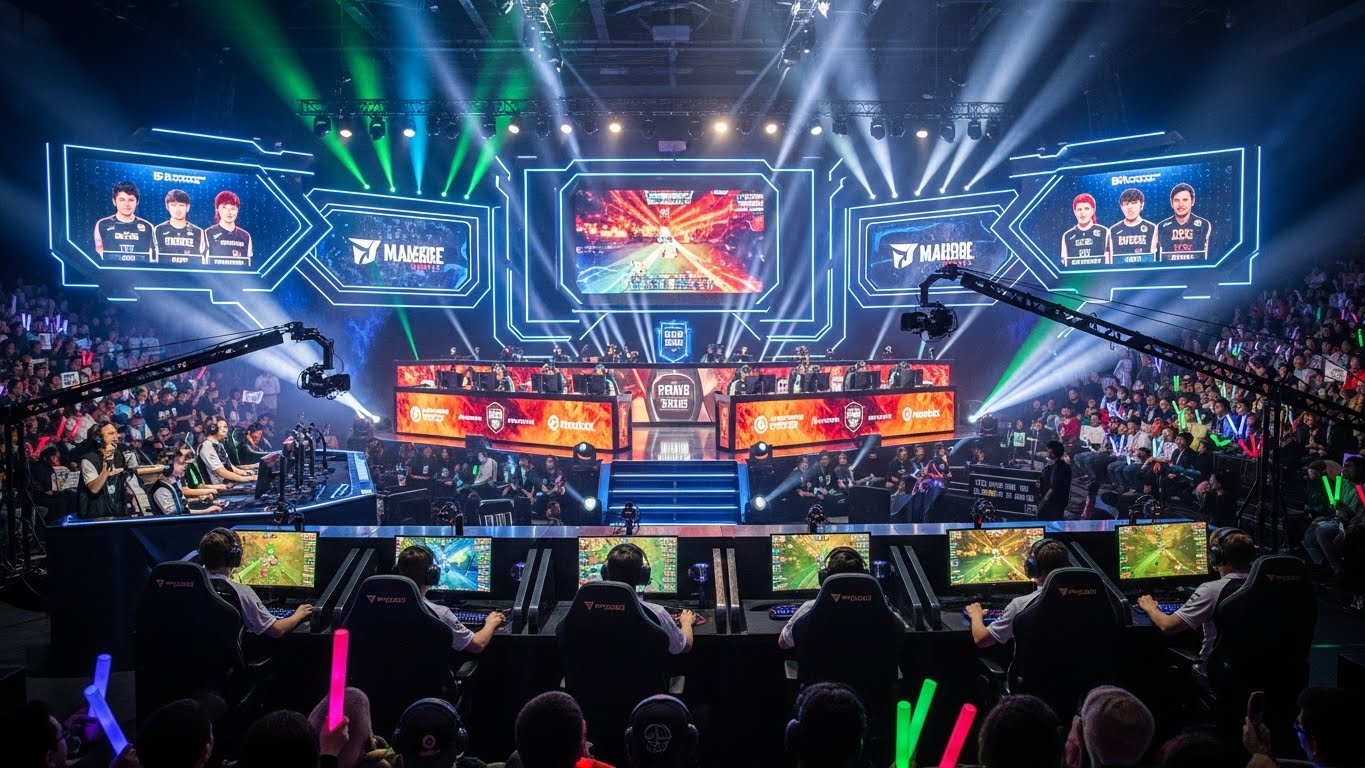
One of the most compelling aspects of esports is the immense fan base that supports it. Whether it’s watching a live stream of a tournament, interacting with players on social media, or attending events in person, fans are the driving force behind esports’ success. Unlike traditional sports, esports fans are incredibly engaged with their favorite teams and players, often following their careers closely and even forming online communities around them.
Streaming platforms like Twitch, YouTube, and Facebook Gaming have allowed fans to watch their favorite players and teams in real-time, creating an interactive experience where viewers can chat, donate, and influence the direction of streams. This level of engagement has cultivated a passionate fan base that spans the globe.
The Popular Games: A Diverse Range of Competitions
Esports covers a wide array of game genres, with each offering something different for both players and viewers. Some games are fast-paced, requiring quick reflexes and sharp decision-making, while others are more strategic, focusing on team coordination and long-term planning.
MOBAs (Multiplayer Online Battle Arenas)
Games like League of Legends and Dota 2 have become pillars of the esports world. These games involve two teams of five players who compete to destroy each other’s base while fending off waves of enemies. The strategic depth of MOBAs, combined with their team-based nature, makes them a popular choice for professional competition. Tournaments such as the League of Legends World Championship and The International for Dota 2 attract millions of viewers each year, with prize pools reaching tens of millions of dollars.
FPS (First-Person Shooters)
FPS games like Counter-Strike: Global Offensive (CS:GO), Overwatch, and Call of Duty are all staples of competitive gaming. These games focus on individual skill, accuracy, and teamwork, where players must eliminate opponents while completing various objectives. The precision required in FPS games and the fast-paced action make them a fan favorite, with tournaments like CS:GO Major Championships and Overwatch League offering massive rewards for top-performing teams and players.
Battle Royale Games
The rise of Fortnite and PUBG introduced a new genre to esports: Battle Royale. These games involve players fighting to be the last one standing in an ever-shrinking arena, and they have become massively popular among casual and competitive gamers alike. Fortnite, in particular, has attracted large sponsorship deals and media coverage due to its accessibility and the high level of excitement it offers viewers.
The Business of Esports: A Growing Industry
Esports isn’t just about the games—it’s also a thriving business with multiple revenue streams. As the industry continues to expand, several factors contribute to its financial success.
Sponsorship and Advertising
Sponsorships are a crucial source of income for esports teams and events. Brands like Coca-Cola, Monster Energy, and Audi have all invested heavily in esports, seeing it as a way to connect with younger, tech-savvy audiences. Esports events attract millions of viewers, making them prime real estate for advertisers looking to reach a global audience. Sponsors often provide funding for tournaments, merchandise, and promotional campaigns.
Media and Broadcasting Rights
Media rights have also become a significant revenue stream for esports organizations and tournament organizers. Major platforms like Twitch, YouTube, and even traditional broadcasters like ESPN now air live esports events, sometimes alongside traditional sports. These media partnerships help increase the accessibility of esports to a broader audience, while also generating significant income from advertising and subscriptions.
Merchandise and In-Game Sales
Merchandising has become another major avenue for profit. Just like traditional sports teams, esports organizations sell team jerseys, apparel, and collectibles to fans. Additionally, in-game purchases, such as skins and exclusive items, also contribute to the financial success of games like League of Legends and Fortnite.
The Future of Esports: What’s Next?
The future of esports looks incredibly promising. With the growth of virtual reality (VR) and augmented reality (AR), esports may become even more immersive in the coming years. VR gaming, in particular, could offer entirely new ways to experience competitive gaming, giving both players and viewers a chance to participate in tournaments like never before.
As the industry continues to grow, we can expect to see more traditional sports organizations invest in esports, further blurring the lines between traditional and digital sports. Additionally, with the rise of collegiate esports programs, the talent pool for competitive gaming will continue to expand, leading to even more high-level competitions and an increasing number of professional players.
Conclusion
Esports is no longer a fringe activity; it is a multi-billion-dollar industry that is revolutionizing the way we view competitive entertainment. With its global fan base, massive revenue potential, and the ever-expanding ecosystem of players, teams, and sponsors, esports is poised to remain at the forefront of the digital age’s entertainment revolution. As the industry continues to evolve, one thing is clear—esports is here to stay.