championplay05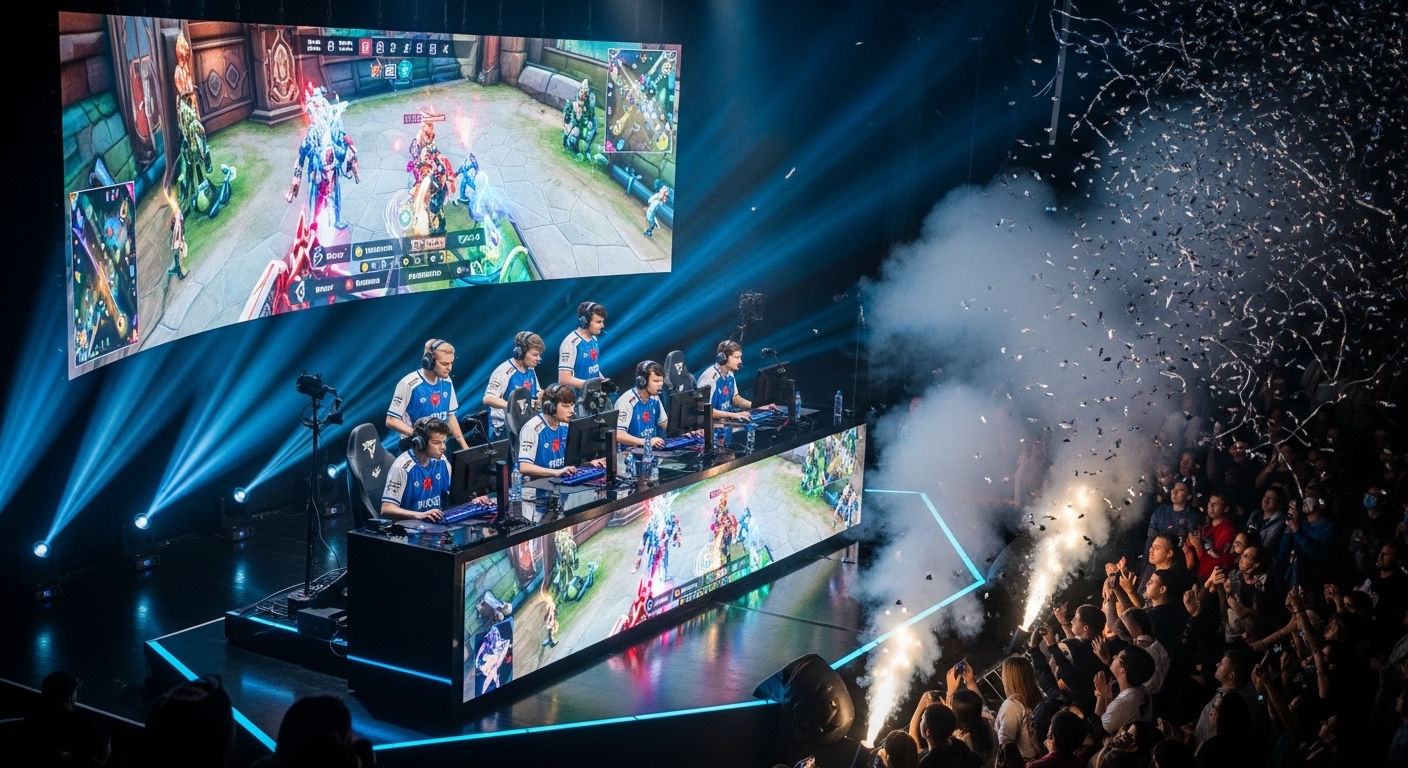
Introduction
Esports, short for electronic sports, has emerged as one of the most influential and rapidly growing industries in modern entertainment. Once considered a niche hobby for video game enthusiasts, esports has transformed into a global phenomenon attracting millions of players, fans, and investors. It combines skill, strategy, teamwork, and technology to create competitive experiences that rival traditional sports in excitement and professionalism. This blog delves into the rise of esports, its cultural and economic impact, technological advancements, and its future as a mainstream form of competition and entertainment.
The Origins of Esports
The roots of esports date back to the early days of video gaming. In the late 1970s and 1980s, arcade competitions and early gaming tournaments laid the groundwork for competitive gaming. Iconic games like Pong, Space Invaders, and later Street Fighter became platforms for players to showcase their skills. These events were small-scale, often community-driven gatherings, but they highlighted the potential of gaming as a competitive endeavor.
The 1990s marked a pivotal era with the rise of networked multiplayer games. Titles such as StarCraft, Quake, and Counter-Strike became competitive staples, with professional players and organized leagues beginning to emerge. These games demonstrated that skill, strategy, and teamwork could create intense competition that appealed to a broad audience, setting the stage for the esports industry we know today.
The Structure of Modern Esports
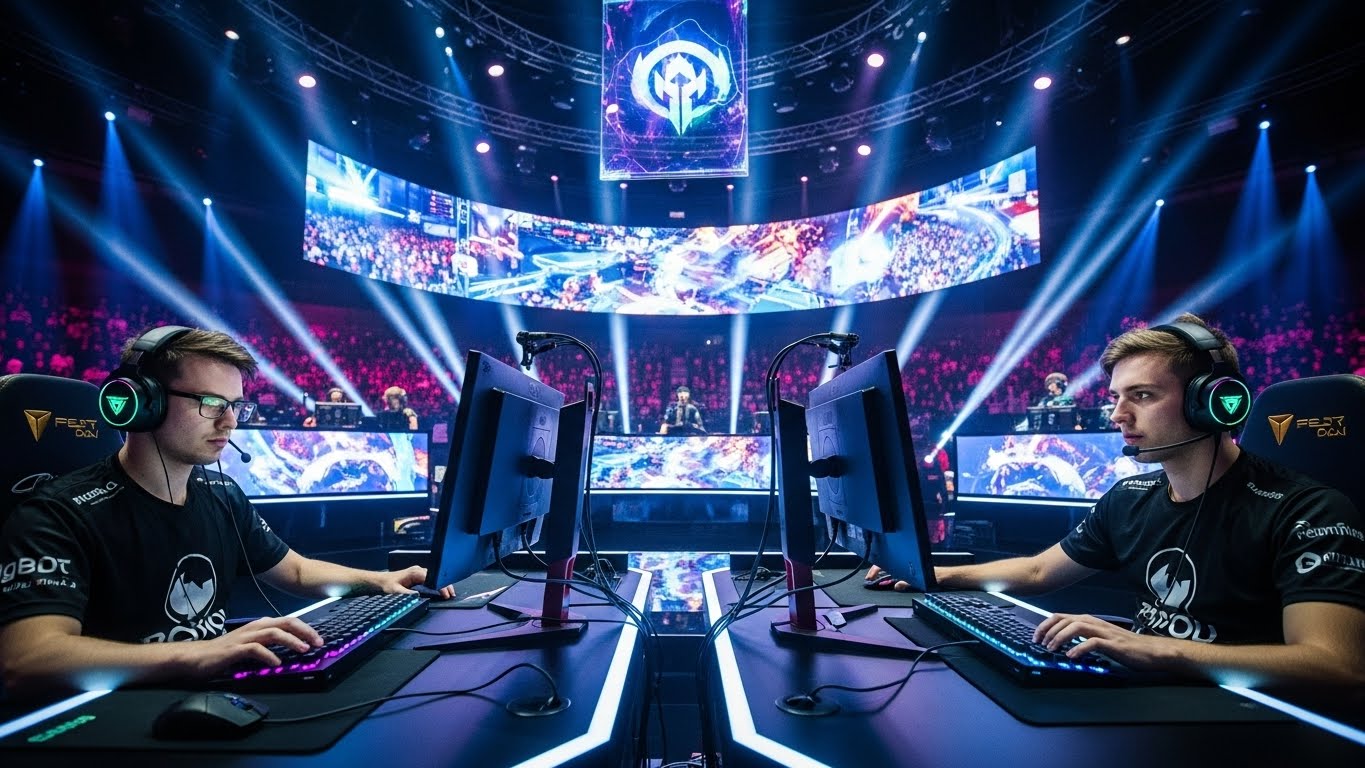
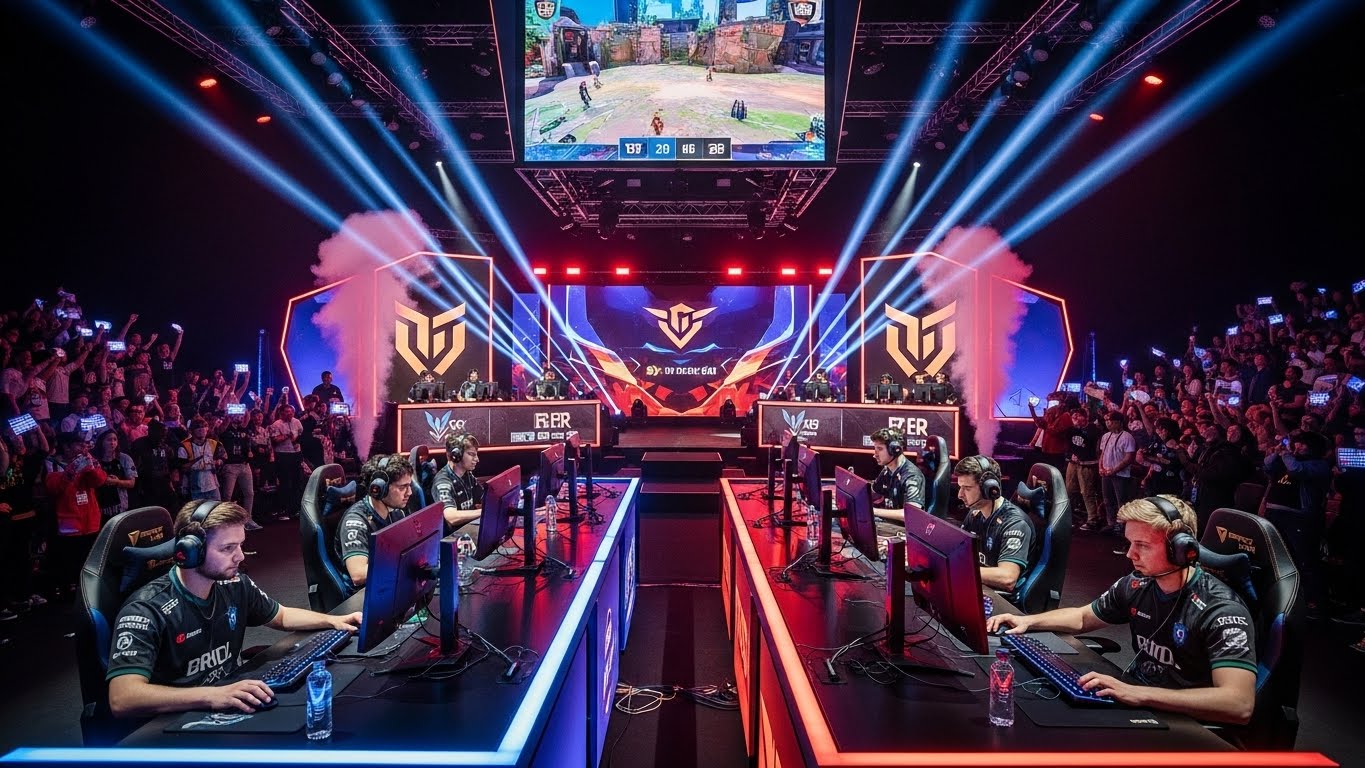
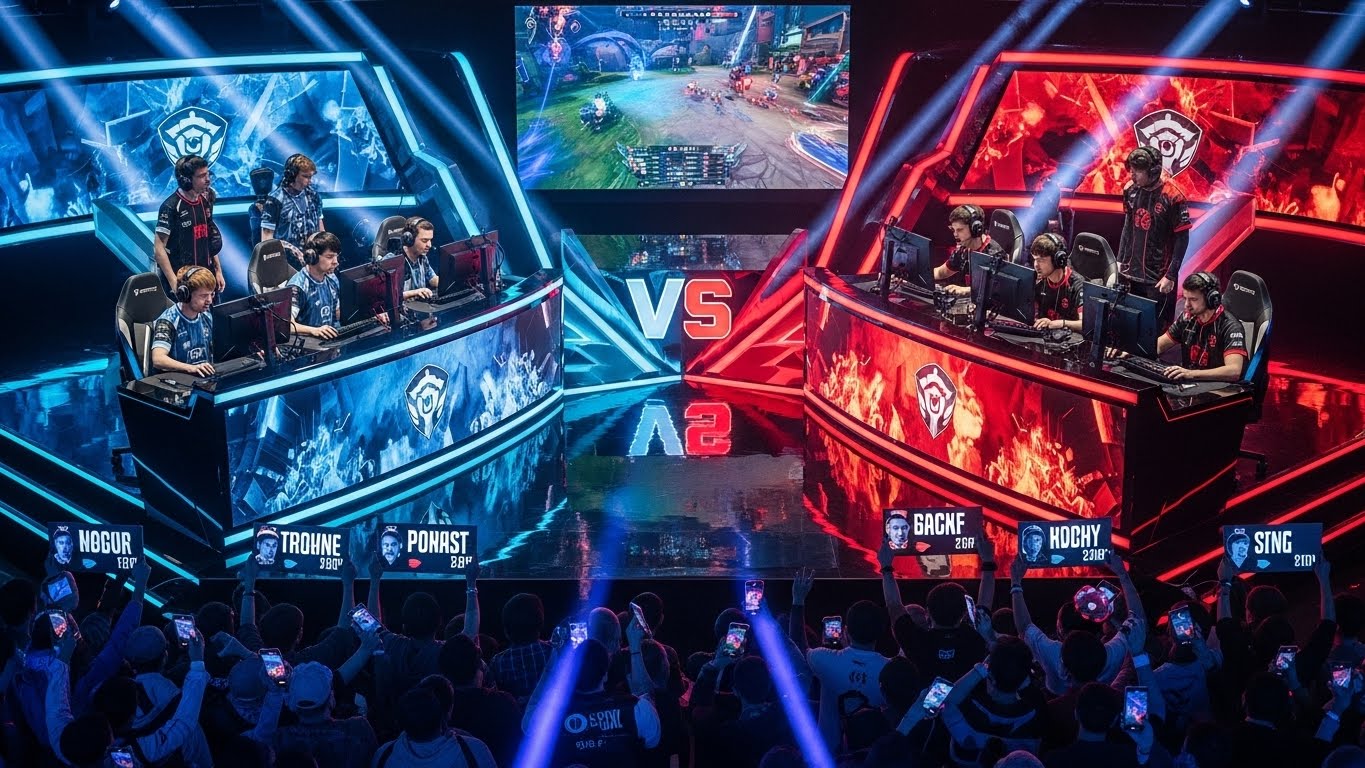
Modern esports is a highly organized and professional industry. It encompasses professional teams, tournament organizers, streaming platforms, sponsors, and a global fan base. Professional teams operate similarly to traditional sports franchises, with dedicated coaching staff, management, and players who train rigorously to compete at the highest level. Teamwork, communication, and strategy are essential elements, often requiring hours of practice daily.
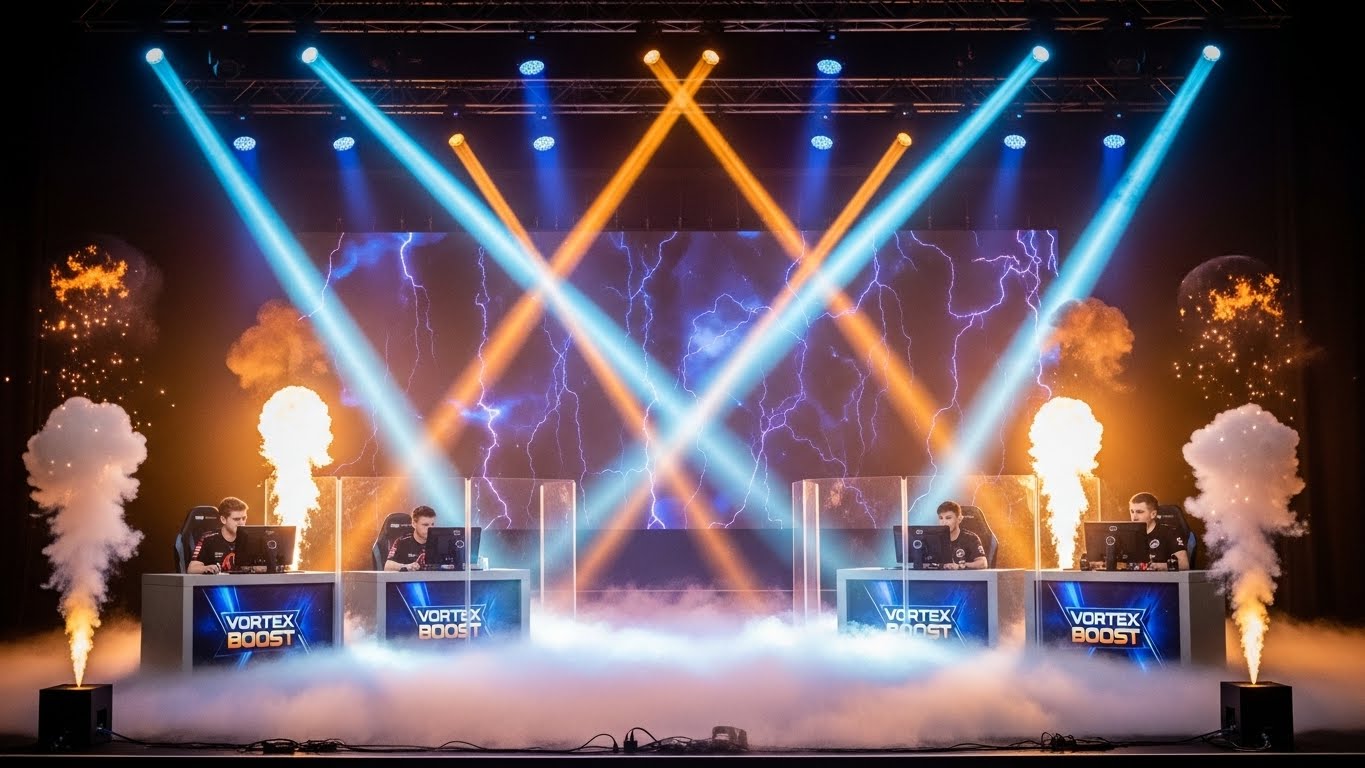
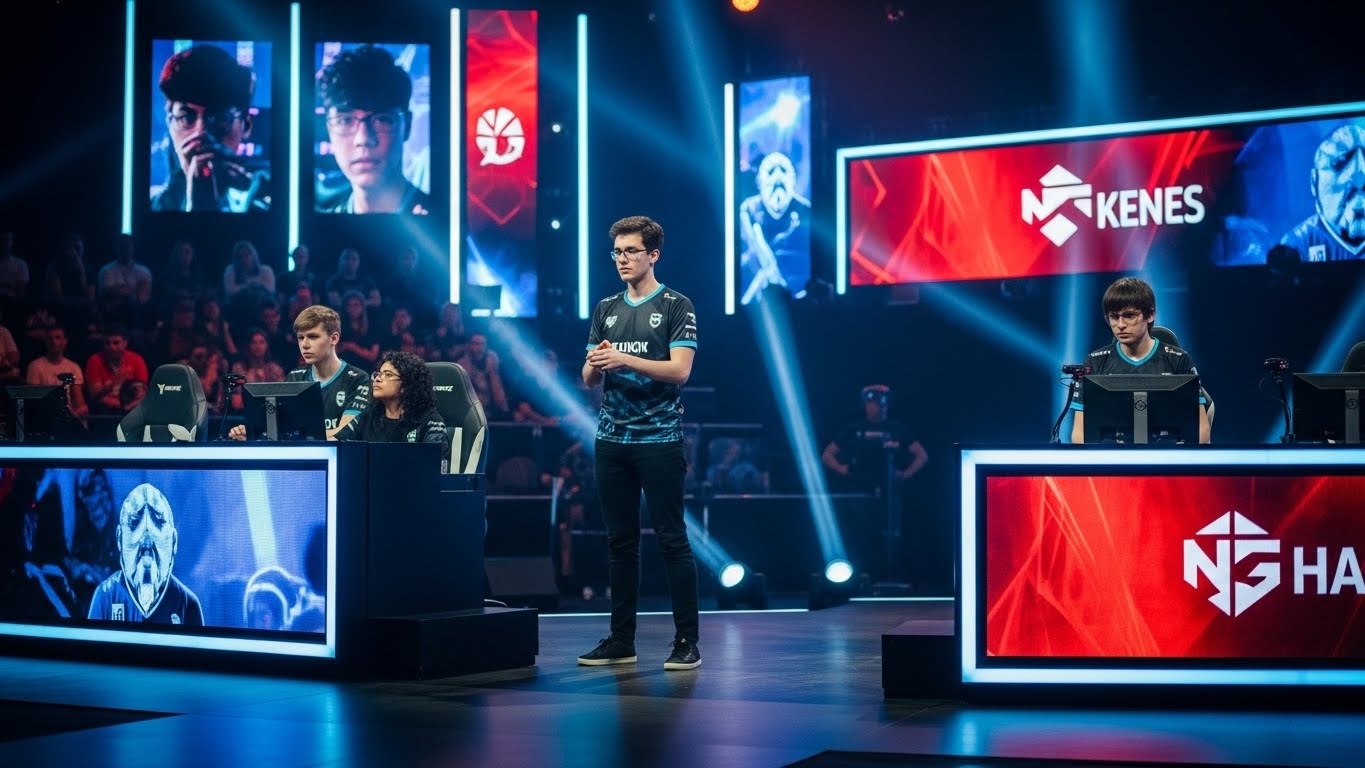
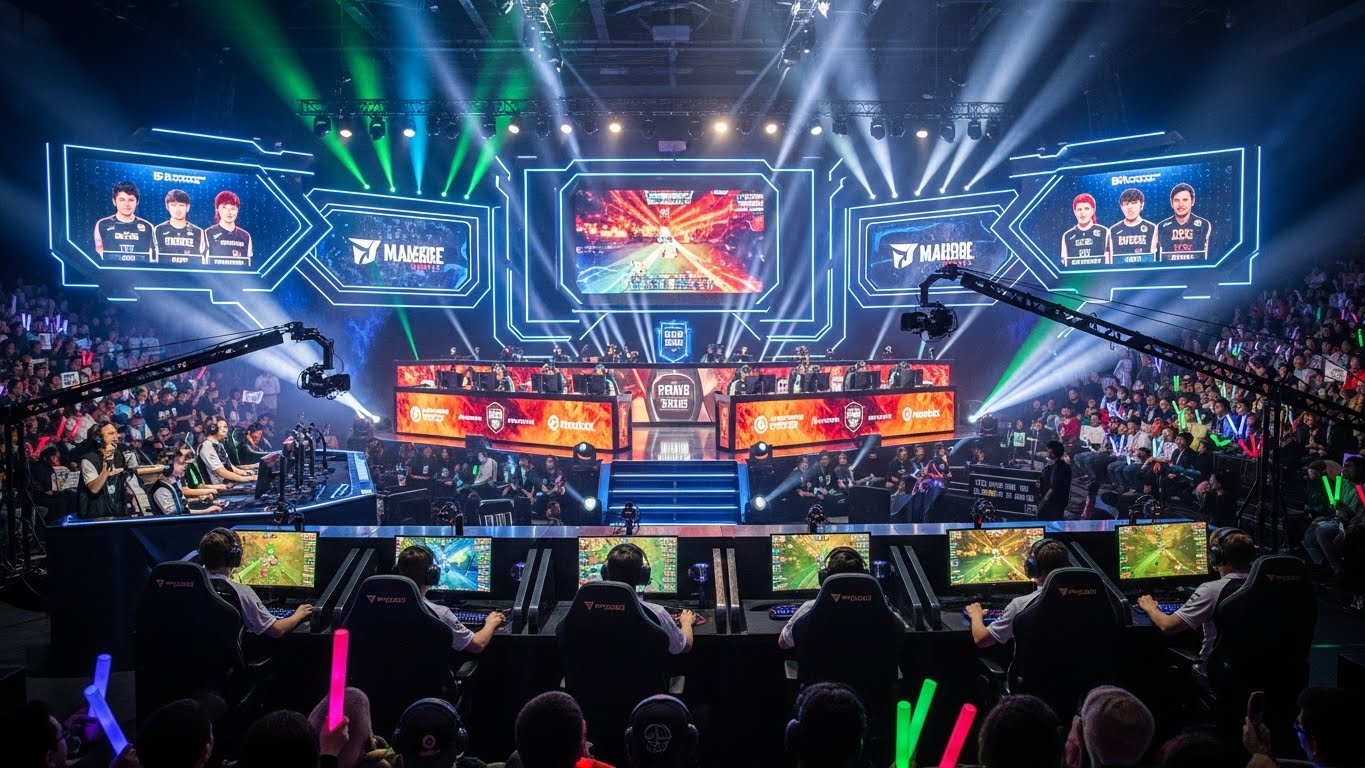
Tournaments serve as the centerpiece of esports. These events range from local competitions to international championships, with prize pools reaching millions of dollars. Organizers design the rules, schedules, and formats to ensure fair competition and entertainment value. Streaming platforms allow fans worldwide to watch matches live, interact with players, and become part of the competitive journey, creating an unprecedented level of audience engagement.
The Global Appeal of Esports
Esports has a truly global reach. South Korea is often recognized as the birthplace of professional esports, where competitive gaming is highly respected and integrated into mainstream culture. The country has developed professional leagues, training academies, and dedicated gaming arenas. Other regions, including North America, Europe, and China, have cultivated thriving esports communities, creating a diverse and vibrant global ecosystem.
Accessibility is a key factor in esports’ global appeal. Unlike traditional sports, competitive gaming relies more on strategic thinking, reflexes, and mental endurance than physical strength. This inclusivity allows players of different ages, genders, and backgrounds to participate, breaking down barriers and fostering diverse communities. International tournaments bring together players from various cultures, promoting cross-cultural understanding and collaboration.
Esports and Technology
Technology is central to esports, both in gameplay and audience experience. High-performance computers, consoles, and gaming peripherals ensure players can perform at their best. Internet connectivity, streaming technology, and real-time data analytics enhance competition and viewer engagement. Spectators can watch matches with multiple camera angles, live commentary, and interactive features that provide an immersive experience.
Virtual reality and augmented reality are beginning to influence esports as well, offering the potential for new competitive formats and interactive experiences. Advanced analytics allow teams to study gameplay, optimize strategies, and track performance metrics, creating a professional environment that emphasizes skill, preparation, and continuous improvement.
The Psychology of Competitive Gaming
Competitive gaming is as much a mental challenge as a physical one. Professional players must maintain focus, manage stress, and adapt quickly to changing situations. Games often require split-second decisions, strategic foresight, and effective communication with teammates. Mental endurance is critical, as tournaments can last hours, with each match demanding peak concentration.
For fans, esports offers an emotional rollercoaster similar to traditional sports. The tension of close matches, the excitement of unexpected plays, and the drama of high-stakes tournaments create a deeply engaging spectator experience. Esports builds communities around shared passion, fostering loyalty and camaraderie among fans and players alike.
Esports as a Career
Esports has evolved into a legitimate career path. Professional players earn income through tournament winnings, sponsorships, and streaming revenue. Teams hire coaches, analysts, and managers to enhance performance and strategy. Content creators and commentators contribute to the entertainment and marketing aspects of esports, ensuring a vibrant ecosystem.
Career opportunities extend beyond playing. Game developers, marketing specialists, event organizers, and social media managers play crucial roles in sustaining and growing the industry. Educational programs and esports scholarships are now offered by schools and universities, preparing students for careers in this expanding field. Competitive gaming has become a viable profession, challenging traditional notions of success and providing opportunities for talented individuals worldwide.
The Economic Impact of Esports
Esports has become a significant economic force. Revenue streams include tournament prize pools, advertising, sponsorships, merchandise sales, and streaming subscriptions. Major brands from outside the gaming industry have invested heavily in esports, recognizing its ability to reach a young, tech-savvy, and highly engaged audience.
The industry also benefits independent game developers and smaller teams. Digital distribution allows innovative games to gain exposure and success without the need for large publishers. This democratization fosters creativity, encourages innovation, and ensures a continuous flow of new talent and ideas into the esports ecosystem.
Esports in Education
Esports has increasingly found a place in education. Schools and universities worldwide are developing esports programs, offering students opportunities to compete, learn, and develop professional skills. Competitive gaming teaches strategic thinking, teamwork, leadership, and problem-solving—skills that are highly transferable to many fields.
Esports programs in education also provide inclusivity for students who may not participate in traditional sports. By offering an alternative avenue for achievement and recognition, esports fosters confidence, community, and personal growth, making it a powerful educational tool.
Cultural Significance of Esports
Esports has become a cultural phenomenon, influencing fashion, entertainment, and media. Gaming personalities are celebrated as celebrities, with fans following their careers and emulating their styles. Competitive gaming intersects with music, art, and social media, creating a rich cultural ecosystem that blends digital and real-world experiences.
Esports also fosters global collaboration and cultural exchange. International competitions bring together players from diverse backgrounds, encouraging mutual respect and understanding. The stories, rivalries, and achievements within esports communities reflect broader social trends, making competitive gaming a lens through which to view contemporary culture.
Challenges Facing Esports
Despite its rapid growth, esports faces several challenges. Professional players often experience intense pressure, long hours, and mental health issues. Sustaining a career requires careful management of stress, performance, and public scrutiny. Issues like cheating, toxicity, and unequal representation also pose challenges that require ongoing attention from teams, organizers, and developers.
Regulation and standardization remain critical for the industry’s long-term growth. Consistent rules, fair competition, and player protections must be established to ensure credibility, sustainability, and a positive experience for both players and fans.
The Future of Esports
The future of esports is bright and full of innovation. Technological advancements will continue to enhance gameplay, spectator experience, and competition formats. Virtual reality, augmented reality, and artificial intelligence have the potential to redefine the esports experience, offering new ways to engage and immerse players and fans.
Esports will also continue to expand globally, reaching new audiences and creating new opportunities for careers, education, and cultural exchange. Its integration with mainstream entertainment, including music, film, and traditional sports, will further solidify its role as a central component of modern culture.
Conclusion
Esports has transformed competitive gaming into a global, professional, and culturally significant phenomenon. From small arcade competitions to international tournaments with millions of fans, it has grown into a multi-faceted industry that blends skill, strategy, technology, and entertainment. Esports engages players and spectators alike, offering experiences that are immersive, challenging, and socially meaningful.
As technology advances and communities expand, esports will continue to redefine competition, entertainment, and career opportunities. It is more than just a game; it is a reflection of human creativity, dedication, and the potential of the digital age. The rise of esports marks a new era in entertainment, where passion, skill, and innovation converge to create unforgettable experiences for players and fans worldwide.