championplay05
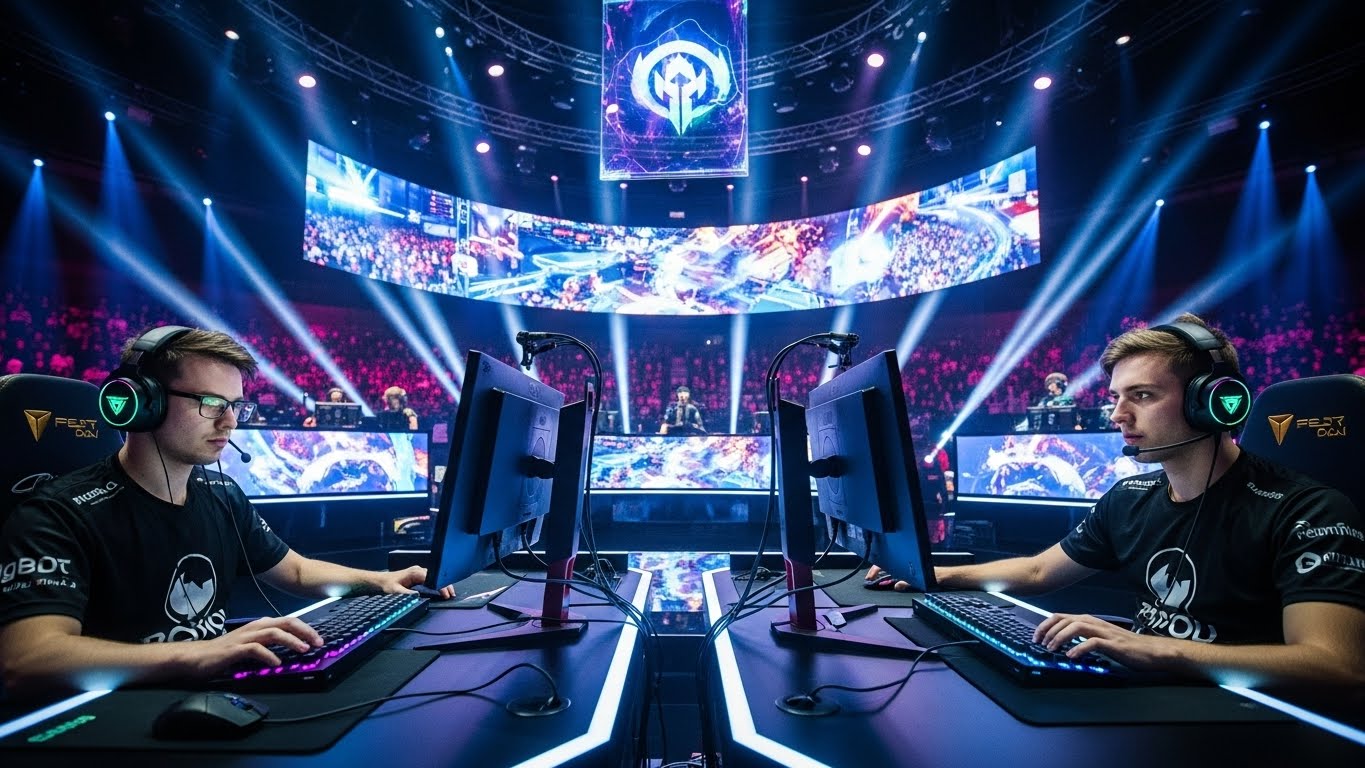
In recent years, esports has moved from the shadows of niche gaming circles into the limelight of mainstream entertainment. What was once considered a pastime for a dedicated few has evolved into a global, multi-billion-dollar industry, drawing millions of viewers, players, and sponsors alike. Esports, or electronic sports, refers to the competitive world of video gaming, where professional players and teams compete for prize money, fame, and glory. The growing prominence of esports has led to its recognition as a legitimate sport in its own right, with organized tournaments and professional leagues gaining significant traction worldwide.
This blog post will delve into the rise of esports, explore the factors behind its meteoric growth, and examine what the future holds for this fascinating digital revolution.
The Origins of Esports: From Casual Play to Professional Competition
The history of esports dates back several decades, though its transformation into the industry we know today is relatively recent. In the early days, competitive gaming was often a grassroots affair, with tournaments taking place in local arcades or college dorms. Games like Pong and Space Invaders set the stage for gaming competitions, but it wasn’t until the mid-1990s that esports began to take shape as a formalized competition.
The key turning point in esports’ history came with the release of games like Quake and StarCraft. These titles introduced players to competitive multiplayer experiences, setting the stage for large-scale tournaments. The true breakthrough, however, came in the late 1990s and early 2000s when South Korea became a hotbed for esports. The StarCraft series, in particular, gained immense popularity in South Korea, where televised gaming events began to air on cable networks. These broadcasts drew large audiences, with professional players, known as pro-gamers, emerging as celebrities.
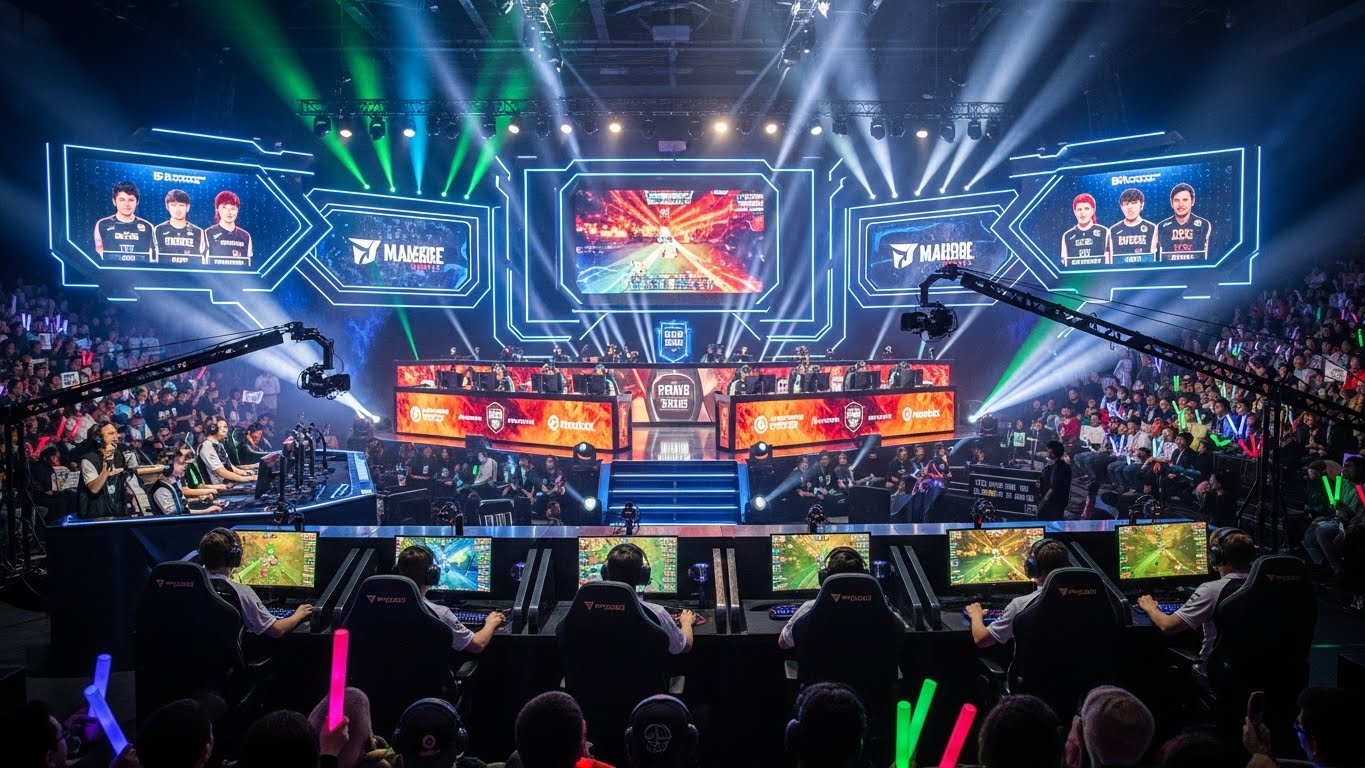
By the 2010s, esports had gained global recognition, with major tournaments like The International (for Dota 2) and League of Legends World Championship becoming annual events watched by millions of viewers worldwide. The evolution of high-speed internet, streaming platforms like Twitch, and the increased availability of gaming consoles helped propel esports into the global spotlight, making it more accessible and engaging than ever before.
Esports: A Multi-Billion Dollar Industry
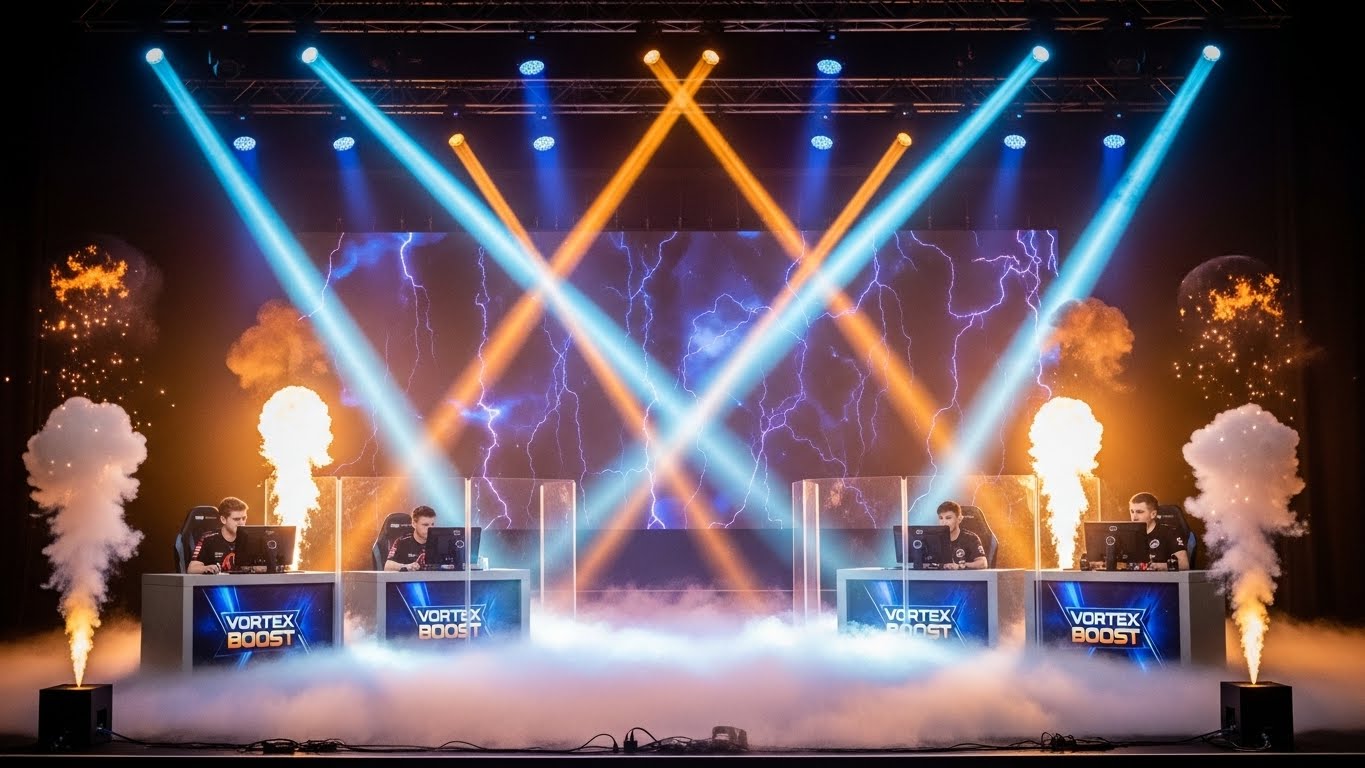
One of the most striking features of esports is the financial ecosystem that has developed around it. What was once a small-scale affair with modest prize pools has now transformed into a multi-billion-dollar industry. Prize money in esports has skyrocketed in recent years, with tournaments offering prizes in the millions of dollars. For example, The International 2021 had a prize pool of over $40 million, making it one of the largest in the history of competitive gaming.
Esports’ rapid financial growth is also fueled by sponsorships, media rights, merchandise, and advertising. Major corporations such as Intel, Coca-Cola, Nike, and Red Bull have partnered with esports organizations to target younger, tech-savvy audiences. Companies understand the appeal of esports fans—audiences who are often highly engaged with the content and passionate about their favorite games and players.
Streaming platforms like Twitch and YouTube Gaming have become central to the esports ecosystem. These platforms allow players to broadcast their gameplay to millions of viewers in real-time. In addition, esports events themselves are streamed to massive audiences worldwide, generating significant revenue from ads, subscriptions, and exclusive content. With the rise of mobile gaming, we are now seeing esports tournaments for mobile titles like PUBG Mobile and Free Fire, which are reaching new, younger demographics, further expanding the reach of the industry.
Esports and the Growing Global Audience
One of the key reasons for esports’ success is its ability to engage a global audience. Unlike traditional sports, which may be confined by geographical and physical limitations, esports transcends borders. Anyone with a stable internet connection can access and participate in esports competitions, watch live streams, or cheer for their favorite players and teams. This global accessibility has allowed esports to cultivate a diverse fan base, with tournaments being viewed across continents and cultures.
The rise of live streaming platforms like Twitch has played a crucial role in building this international fanbase. Players and fans interact in real-time through live chat features, creating an immersive and dynamic experience. Esports events, such as the League of Legends World Championship and Overwatch League, attract millions of viewers, often outpacing traditional sports broadcasts in terms of viewership. For instance, the 2019 League of Legends World Championship drew in over 100 million viewers during its peak, a number that rivals global sports events like the Super Bowl.
Esports has also become a staple in the lives of younger generations, particularly Gen Z and Millennials, who are more inclined to engage with digital content than traditional media. For these groups, esports offers an exciting, interactive, and highly social form of entertainment that aligns with their interests and lifestyles. Whether it’s tuning in to a live stream, watching a major tournament on TV, or participating in a local gaming competition, esports offers an avenue for connection, fun, and engagement that traditional sports simply cannot replicate.
The Professionalization of Esports: From Hobby to Career
For years, the notion of turning gaming into a career was viewed as unrealistic. However, as esports has evolved, the idea of professional gaming has become increasingly legitimate. Professional players now earn salaries, sign sponsorship deals, and travel the world to compete in prestigious tournaments. Some of the highest-earning esports players, such as Johan “N0tail” Sundstein from Dota 2, have accumulated multi-million-dollar careers through tournament winnings, streaming, and sponsorships.
In addition to players, esports organizations have also grown in prominence, operating much like traditional sports teams. These organizations often include team managers, coaches, analysts, and even psychologists to help players perform at their best. Just like the NBA or NFL, the top esports teams have established fan bases and generate significant revenue from sponsorships, media deals, and merchandise.
The growing recognition of esports as a viable career path has also led to an increase in esports-related education and training. Many universities and colleges now offer esports management programs, while some have even established their own competitive teams. Scholarships for aspiring esports athletes are becoming more common, providing talented players with opportunities to further their education while pursuing their passion for gaming.
The Future of Esports: What’s Next?
The future of esports looks bright, with continued growth in viewership, prize money, and global participation. However, the evolution of esports is far from over, and several trends suggest that the industry will continue to evolve in exciting ways.
Virtual Reality (VR) and Augmented Reality (AR) technologies could revolutionize the esports experience. Imagine watching a live esports event from a first-person perspective as if you were physically in the arena, or participating in a game where you can use VR headsets to move around in the virtual world. As these technologies become more mainstream, esports may evolve into something far beyond what we currently know.
Mobile gaming will also continue to play a significant role in the future of esports. With the rise of high-performance mobile devices, competitive mobile gaming is becoming more prominent. Games like Clash Royale, PUBG Mobile, and Fortnite have already captured the attention of millions of players, and we can expect to see more mobile-based esports tournaments in the future.
Furthermore, esports will continue to integrate with traditional sports. Major sports organizations, such as the NBA, NFL, and Formula 1, are already investing in esports and creating partnerships with top-tier gaming leagues. These partnerships not only bring credibility to esports but also create a more expansive ecosystem for players, sponsors, and fans alike.
Conclusion: Esports is Here to Stay
Esports is no longer a passing trend or a niche activity—it’s a cultural phenomenon that has transformed how we view competitive entertainment. What started as casual competitions between gamers has evolved into a global industry, generating billions of dollars and captivating audiences worldwide. As esports continues to grow, it will redefine the boundaries of competitive gaming and entertainment, bringing fans and players together in ways never before imagined.
Whether you’re an aspiring professional gamer, a passionate fan, or just someone interested in the evolution of digital entertainment, esports offers an exciting future full of opportunities. It’s clear that esports is not just a passing fad—it’s here to stay, and its influence will only continue to grow in the years to come.