championplay05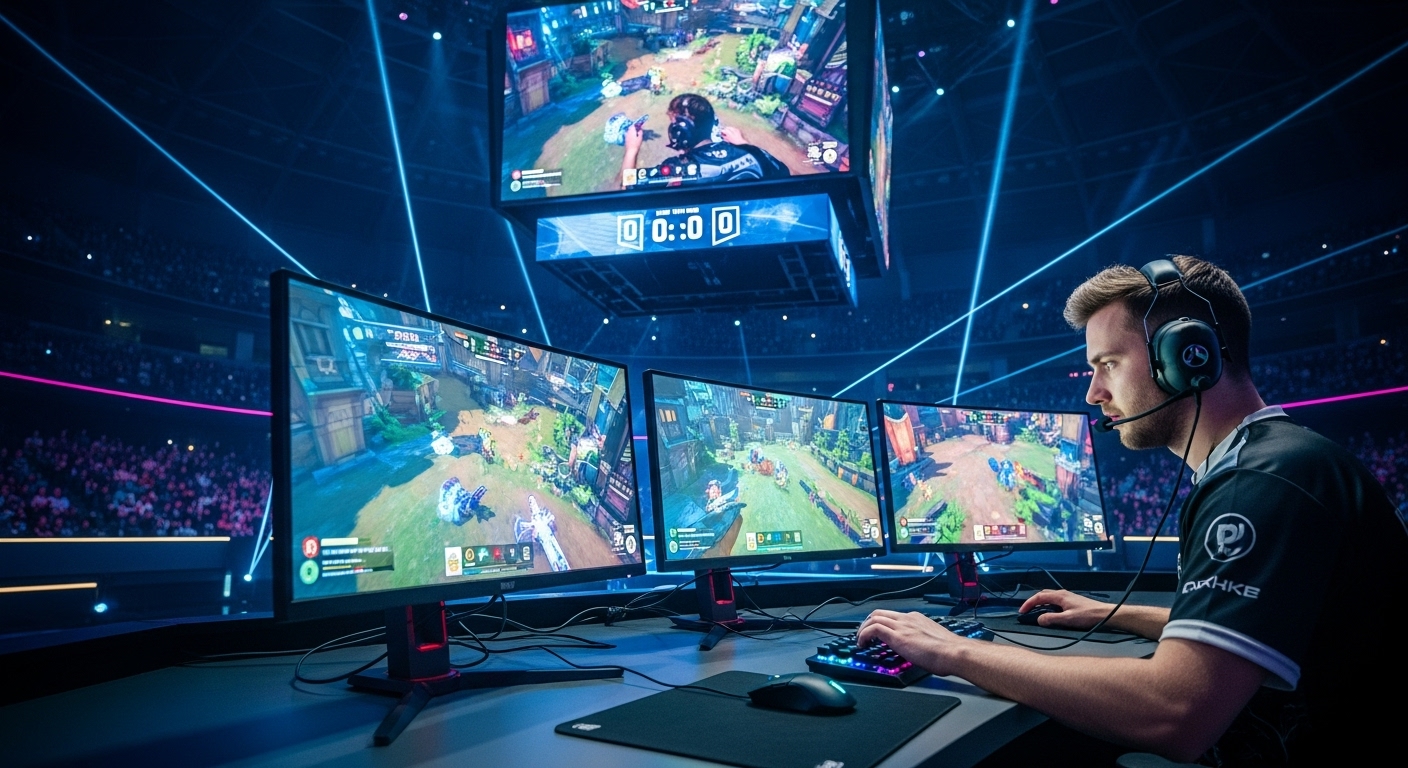
In the past decade, esports has transformed from a niche interest to a global juggernaut, captivating millions of fans, drawing massive sponsorship deals, and creating professional careers for gamers worldwide. Esports is no longer just about playing video games for fun; it’s about competing at the highest level, earning recognition, and building a brand. This blog post will dive into what esports is, how it grew into the powerhouse it is today, and what the future holds for competitive gaming.
What is Esports?
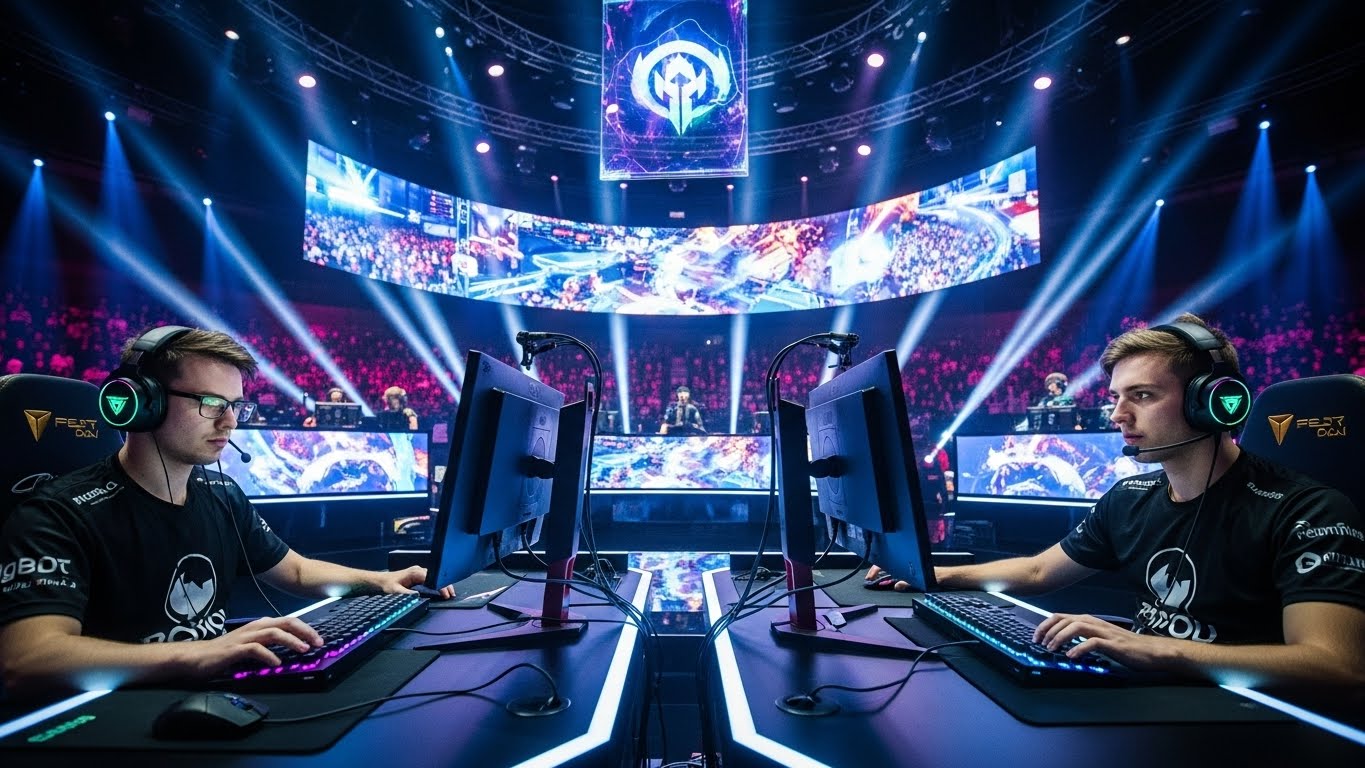
Esports, short for electronic sports, is the competitive side of video gaming. It involves professional players and teams competing in organized tournaments, often for substantial prize pools and global recognition. While the term “esports” often refers to popular multiplayer games like League of Legends, Dota 2, Fortnite, and Counter-Strike, it encompasses any competitive gaming format, whether it’s real-time strategy, first-person shooters, or multiplayer online battle arenas (MOBAs).
At its heart, esports is about skill, strategy, and the thrill of competition. But what sets esports apart from casual gaming is the level of organization, the structure of leagues, and the immense viewership of tournaments that have turned competitive gaming into a global phenomenon.
The Evolution of Esports: From Hobby to Profession
Esports didn’t happen overnight. The journey began in the late ’90s and early 2000s, where competitive gaming started taking shape with events like Quake and StarCraft tournaments. These games introduced the concept of multiplayer competition, but it was in the 2010s that esports truly exploded.
The turning point for esports came with the increasing availability of high-speed internet and platforms like Twitch that allowed gamers to stream their matches live. As the internet evolved, so did esports, becoming more accessible to players and fans alike. Games like League of Legends and Dota 2 spearheaded this growth, offering massive prize pools and attracting sponsorships from global brands.
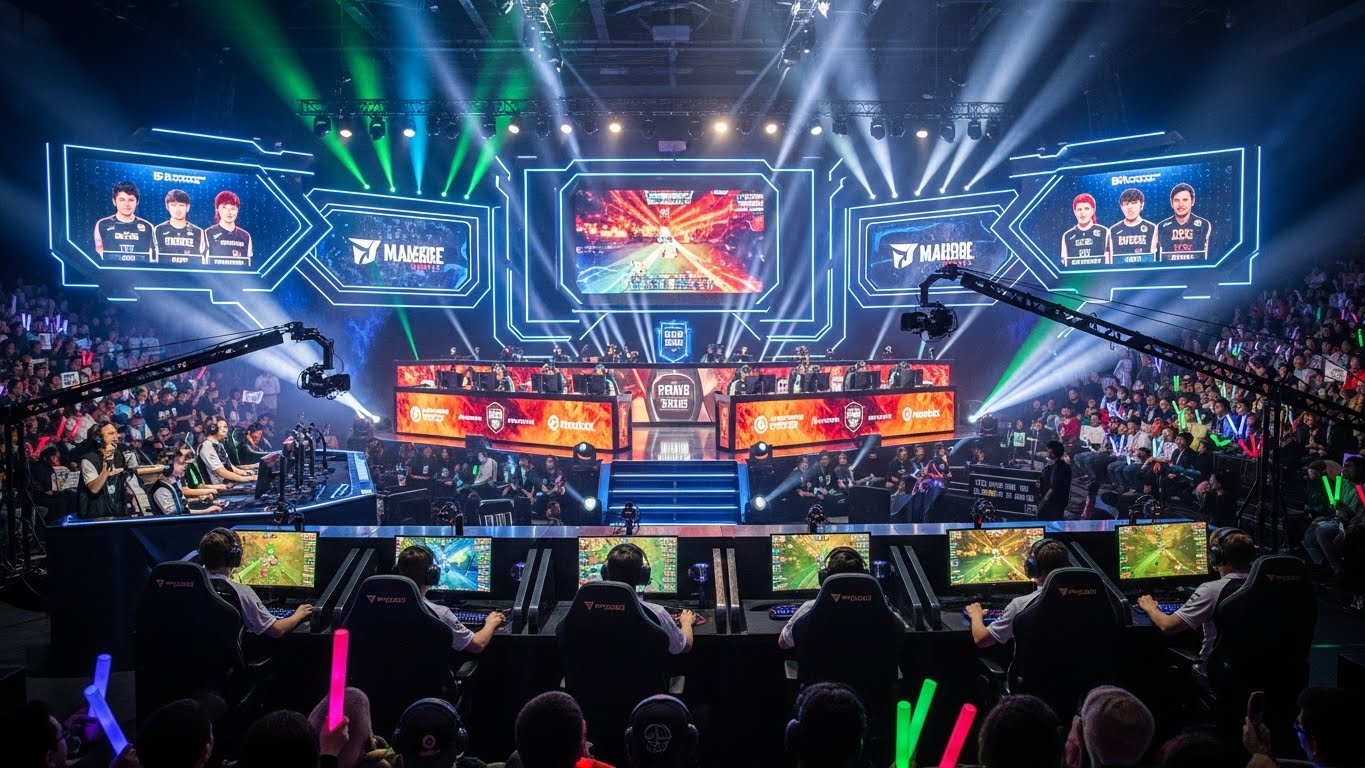
Today, esports tournaments are broadcast globally, and top-tier players earn salaries, sponsorships, and even endorsement deals, making esports not just a hobby but a viable career.
The Rise of Professional Esports Teams
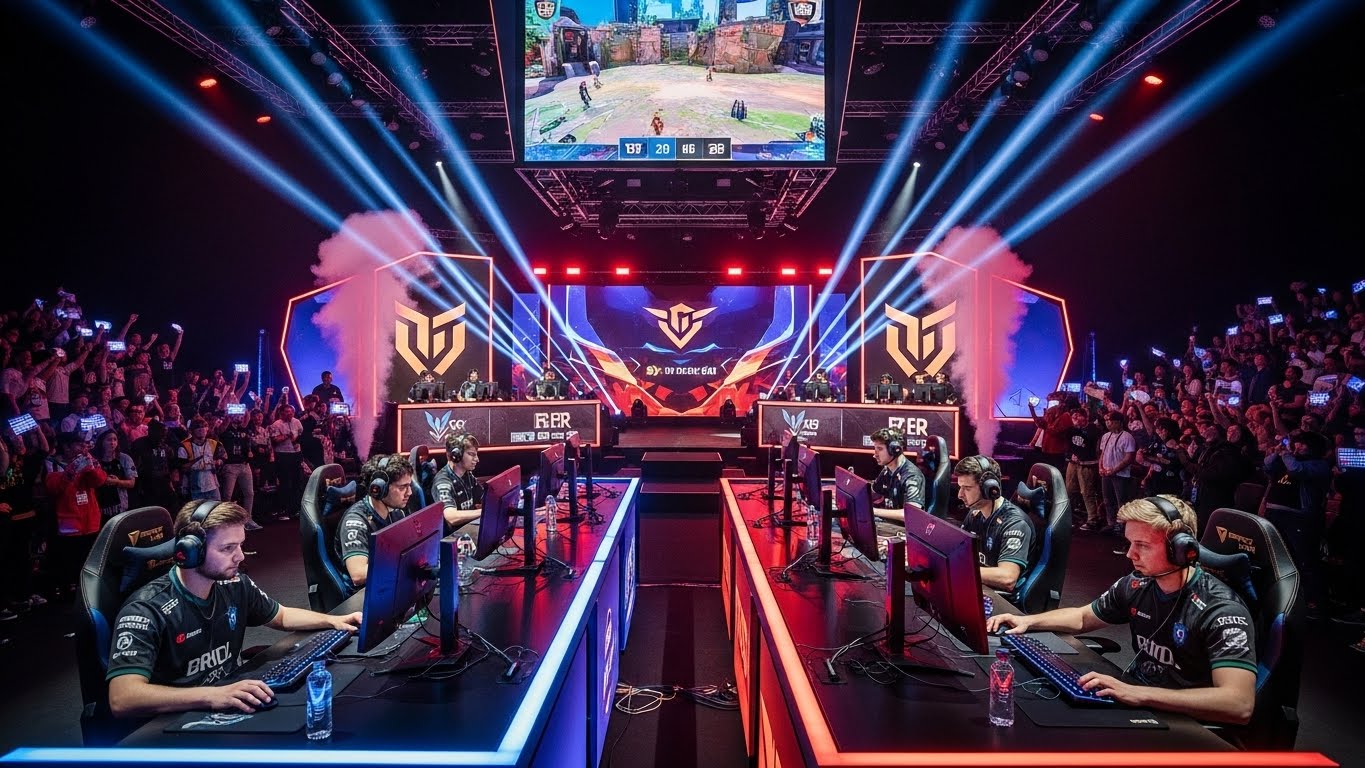
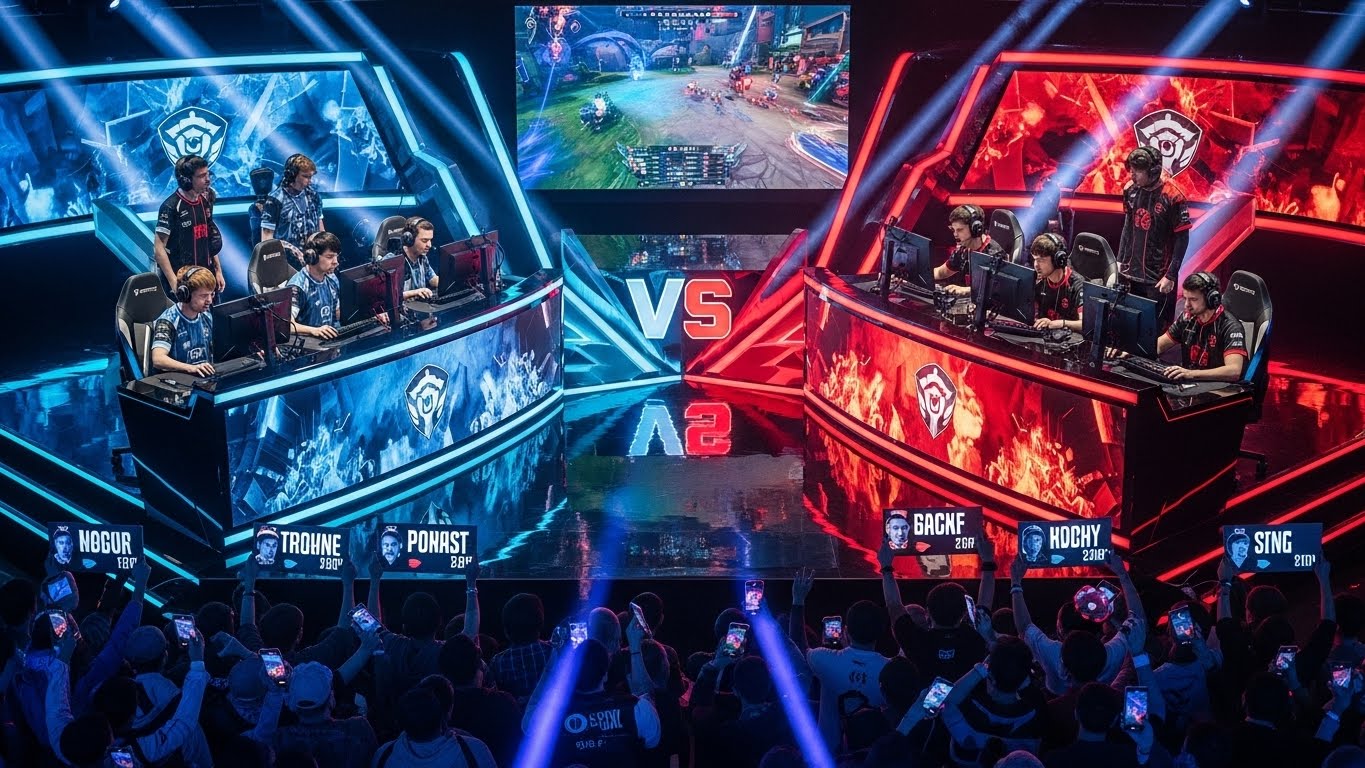
Just as in traditional sports, esports now features professional teams that compete in organized leagues and tournaments. Teams like Team Liquid, Cloud9, G2 Esports, and Fnatic are household names in the esports world, boasting players who train rigorously and strategize to stay ahead of the competition.
In these professional teams, players work together to develop strategies, improve their gameplay, and maintain peak physical and mental performance. While esports players are often younger than their counterparts in traditional sports, the pressure to perform is immense. Many players dedicate up to 10 hours a day practicing their skills, scrimmaging with teammates, and analyzing gameplay to improve.
Coaches, analysts, and managers play a crucial role in supporting players, helping them refine strategies, and keeping them in top mental and physical shape. With sponsorship deals, salary contracts, and even bonuses for tournament victories, esports teams have become just as professional as any traditional sports franchise.
Esports Streaming: The New Frontier of Entertainment
A major factor in the rise of esports has been the emergence of live-streaming platforms like Twitch, YouTube Gaming, and Facebook Gaming. These platforms have revolutionized the way people engage with esports. Not only can fans watch high-stakes tournaments in real time, but they can also interact with their favorite players and teams through live chat, social media, and fan-driven content.
Esports streaming has become a cultural phenomenon, offering fans access to behind-the-scenes content, personal streams, and casual gameplay sessions. Top-tier players can amass millions of followers, and the top streamers have become celebrities in their own right, earning revenue from donations, subscriptions, and ad revenue. What started as a platform for gamers to share their experiences has now become a multibillion-dollar industry, with some of the most successful streamers earning more than athletes in traditional sports.
Streaming has also opened up a new world of possibilities for amateur players, allowing them to showcase their skills and rise to prominence through platforms like Twitch. In this way, esports has democratized fame, allowing anyone with the right skills and charisma to rise to stardom.
The Global Nature of Esports
Unlike many traditional sports, esports doesn’t have national boundaries. It is a truly global competition. Players from across the world compete in international tournaments, breaking down cultural and language barriers. Countries like South Korea, China, the United States, and European nations have been major players in esports, but the influence is spreading worldwide.
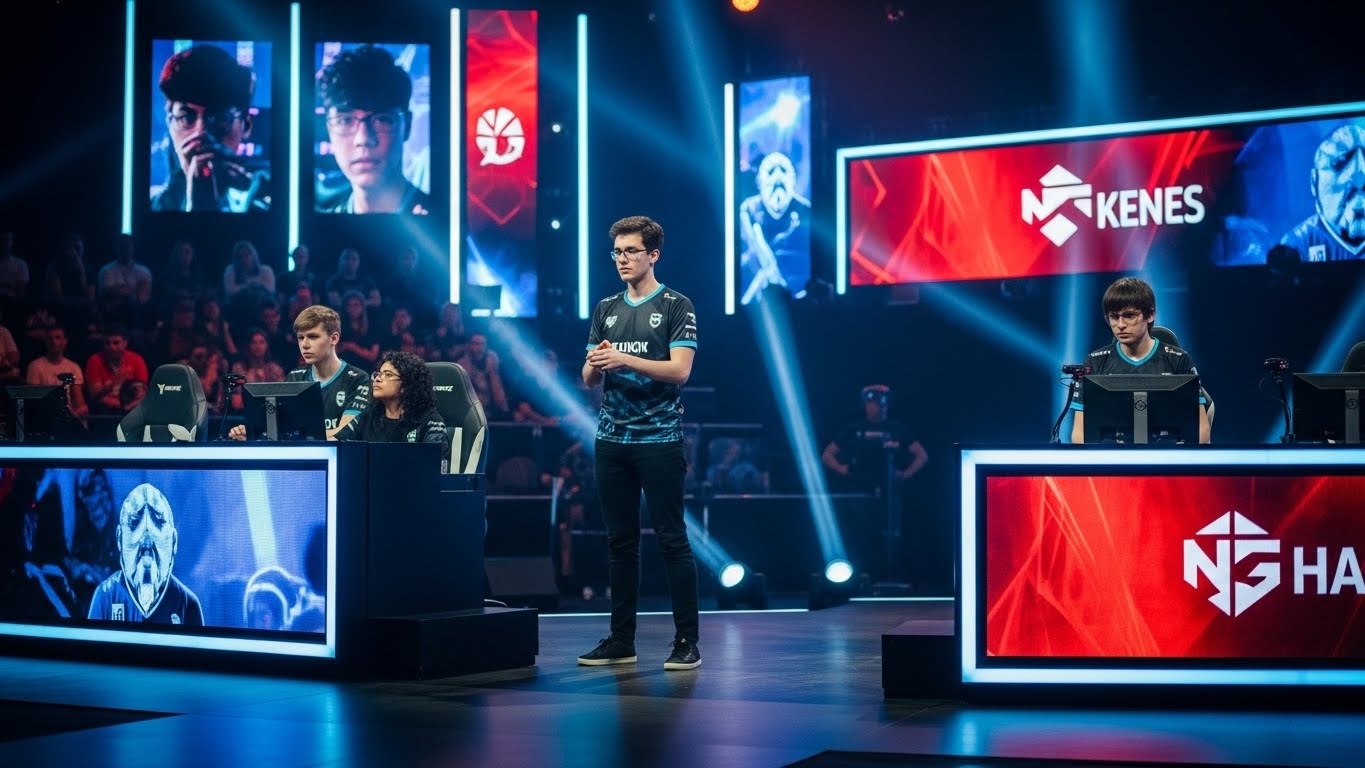
Events like the League of Legends World Championship and The International bring together the best players from different countries, creating a vibrant and diverse ecosystem. Fans from all over the world tune into these tournaments, with commentators providing real-time analysis in multiple languages. The ability to watch, engage, and cheer for players from different regions has contributed to the sense of unity that esports fosters among its global audience.
The rise of esports in developing regions, including Southeast Asia, Latin America, and parts of Africa, is also helping grow the sport’s global influence. As internet access improves in these regions, more players are emerging from countries that were previously underrepresented in the global esports scene.
Esports in Popular Culture
Esports is no longer just about gaming. It’s a cultural movement that has permeated mainstream media, entertainment, and even fashion. Top-tier players have become influencers, with millions of followers on social media platforms. Some esports athletes have crossed over into other forms of entertainment, starring in documentaries, movies, and even TV shows about the gaming world.
Esports is increasingly recognized by mainstream media outlets and even traditional sports leagues. Networks like ESPN air esports tournaments, while teams and players frequently appear in media interviews, podcasts, and sponsorship campaigns. Companies like Red Bull, Intel, and Nike have jumped on the esports bandwagon, offering sponsorships and creating custom content in partnership with professional teams.
The influence of esports is growing in the fashion world as well, with esports teams and players collaborating with brands to launch exclusive clothing lines. Esports is no longer a subculture; it’s become a vital part of the entertainment ecosystem, appealing to a global audience and influencing industries beyond gaming.
The Future of Esports: Innovation and Growth
The future of esports is bright. As technology continues to evolve, new opportunities will arise for players, fans, and industry professionals. Virtual reality (VR) and augmented reality (AR) are expected to revolutionize the way we play and watch esports, offering more immersive experiences for players and spectators alike.
The potential for esports to become a part of the Olympic Games has also been a topic of discussion in recent years. With esports already recognized by the International Olympic Committee (IOC) and attracting large global audiences, it’s possible that we could see competitive gaming as an official Olympic event in the near future.
Esports is also expected to continue its growth in terms of viewership, sponsorships, and revenue. Brands will continue to invest in esports, reaching younger, digitally-savvy audiences who are passionate about gaming. The rise of mobile gaming is also likely to drive the growth of esports in regions like Southeast Asia, where mobile phones are the primary access point for gaming.
Conclusion: A New Era of Competition and Entertainment
Esports has come a long way in a relatively short period. What began as a hobby for a select group of gamers has turned into a multi-billion-dollar industry with professional players, international tournaments, and an ever-expanding fanbase. Esports has redefined what it means to be an athlete, to compete, and to entertain.
As the industry continues to grow and evolve, one thing is clear: esports is not just a passing trend. It is here to stay, shaping the future of entertainment, culture, and competition in ways that were once unimaginable. Whether you’re a player, a fan, or simply someone curious about the world of esports, it’s an exciting time to be a part of this digital revolution.