championplay05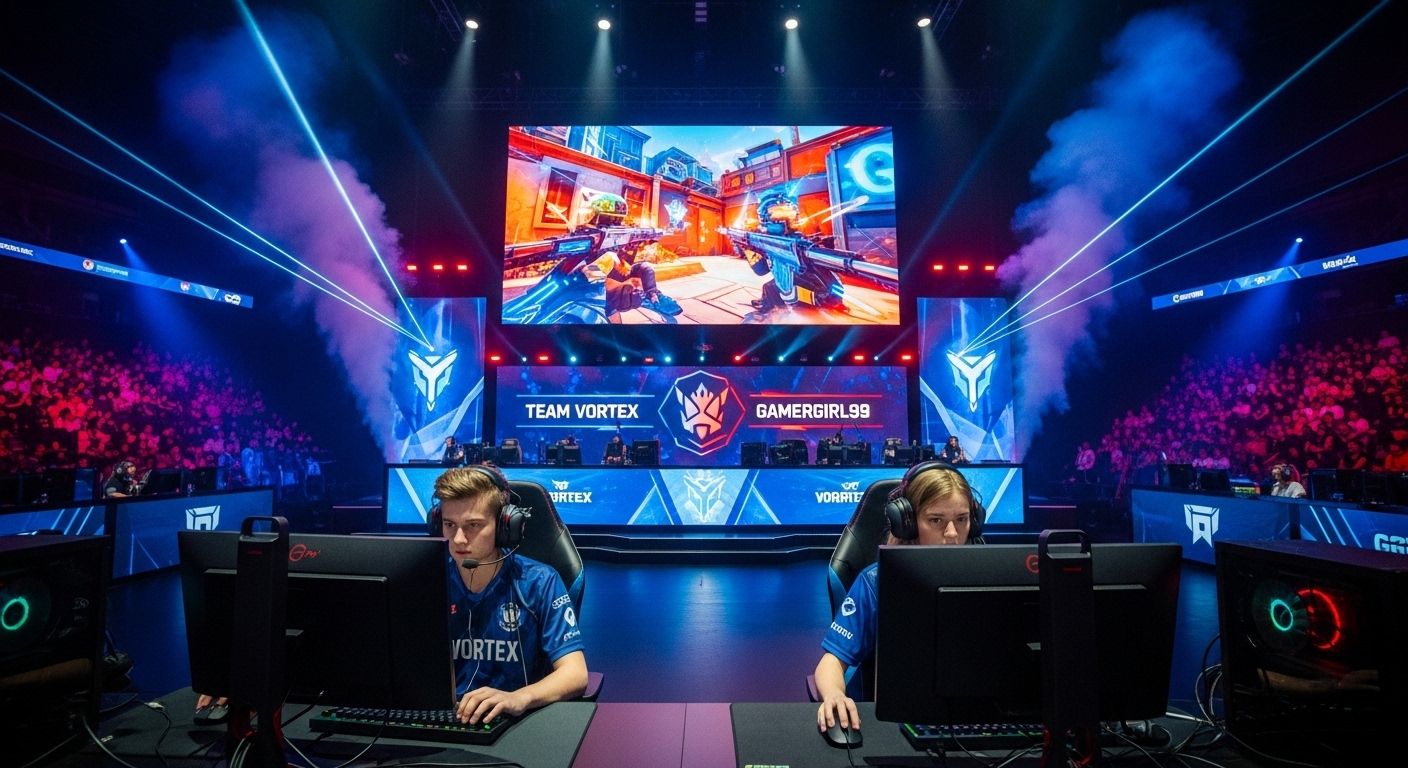
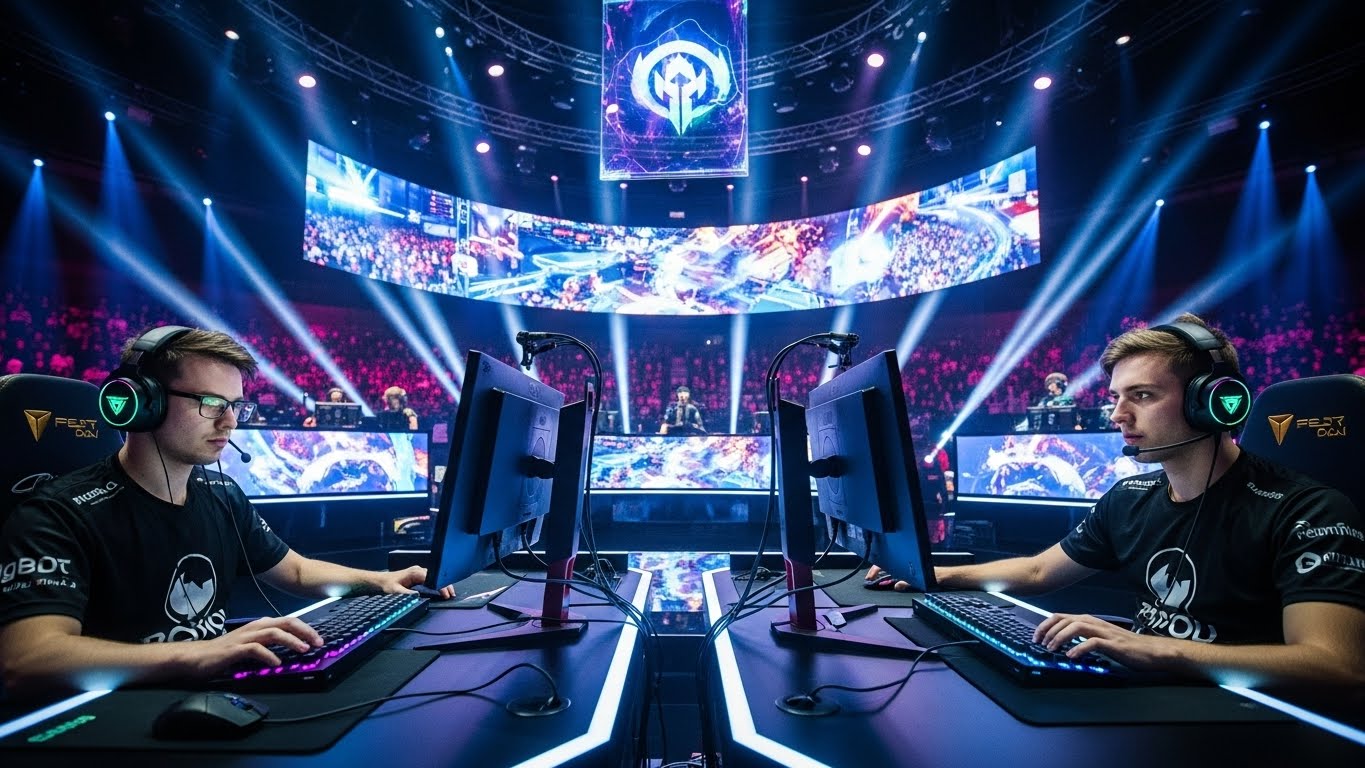
In the digital age, the world of entertainment has experienced an explosion of new forms and mediums. One of the most remarkable shifts has been the rise of esports—a multi-billion-dollar industry that has redefined how we perceive competitive gaming. With massive global tournaments, lucrative sponsorships, and a fanbase that rivals traditional sports, esports has solidified its place in the mainstream. But how did we get here? And what does the future hold for this growing phenomenon? This blog will delve into the journey of esports, its impact on culture, and its potential for the years to come.
The Origins of Esports: A Competitive Hobby Turned Global Industry
Esports, short for electronic sports, has its roots in the early days of gaming. In the 1990s, competitive gaming began as an underground activity with local tournaments and LAN (local area network) parties. The first significant competitive gaming event, the Red Annihilation tournament in 1997, showcased games like Quake and laid the foundation for organized esports.
However, it wasn’t until the 2000s that esports began to take shape on a global scale. Games like StarCraft, Warcraft III, and Counter-Strike paved the way for larger international tournaments. Events like the World Cyber Games (WCG) and Electronic Sports World Cup (ESWC) brought together players from across the world, creating the competitive scene that would later explode in the next decade.
As internet speeds improved and multiplayer gaming gained traction, the accessibility of online tournaments grew. Platforms like Twitch, launched in 2011, revolutionized the way fans could engage with esports by allowing live streaming of competitions, turning online gaming into an interactive spectator sport.
The Evolution of Esports: From Small Tournaments to Global Leagues
As technology advanced, so did the scope of esports competitions. What started as small-scale, local gatherings evolved into massive international events. One of the most defining moments in the evolution of esports was the creation of major professional leagues and tournaments that gave structure to the competitive gaming scene.
Games like League of Legends, Dota 2, and Overwatch became the pillars of modern esports. The League of Legends World Championship, for example, now attracts millions of viewers every year, with prize pools often exceeding $10 million. These events are broadcast to a global audience, with professional commentators and analysts providing in-depth coverage, much like traditional sports.
The growing popularity of esports has led to the establishment of permanent leagues, such as the Overwatch League and the Call of Duty League, which operate similarly to traditional sports leagues. These leagues feature city-based teams, regular seasons, playoffs, and championships. This professional structure has brought legitimacy to esports as a career choice, with players now able to earn salaries and benefits just like athletes in other sports.
The Games That Drive Esports: A Diverse Arena
Esports covers a wide range of game genres, each with its own appeal and fanbase. From fast-paced shooters to strategic MOBAs (multiplayer online battle arenas), the variety of games in the esports scene means there’s something for every type of gamer. Here are some of the most popular genres that dominate the esports world:
Multiplayer Online Battle Arenas (MOBAs)
MOBAs, such as League of Legends and Dota 2, are the most-watched genre in esports. These games feature teams of players who each control a unique character with special abilities. The objective is to work together to destroy the opposing team’s base, often requiring a mix of strategy, coordination, and fast reflexes. The complexity and depth of MOBAs make them highly competitive and captivating to watch.
First-Person Shooters (FPS)
FPS games like Counter-Strike: Global Offensive (CS:GO), Valorant, and Overwatch offer fast-paced action, where players battle each other in tactical team-based scenarios. FPS games require precision, quick reflexes, and strategic thinking. The tournaments for FPS games are some of the most exciting to watch, with nail-biting moments and high-level skill on display.
Battle Royale
The Battle Royale genre, featuring games like Fortnite, PUBG, and Apex Legends, has seen rapid growth over the past few years. In these games, players are dropped onto large maps and must fight to be the last player or team standing. The thrill of survival, combined with the unpredictability of the shrinking map and encounters with other players, makes Battle Royale games exciting both to play and to watch.
Fighting Games
Fighting games like Street Fighter V, Tekken 7, and Super Smash Bros. have a rich history in esports. These games involve intense one-on-one combat, where players use a combination of moves, combos, and counters to defeat their opponents. Fighting game tournaments like EVO (Evolution Championship Series) have become iconic events, drawing huge crowds and showcasing the finest competitive talent.
The Business of Esports: Sponsorships, Streaming, and Career Opportunities
Esports has transformed into a lucrative business, attracting sponsorships from major brands, media companies, and even traditional sports teams. Companies like Intel, Coca-Cola, and Red Bull invest heavily in esports, sponsoring tournaments, teams, and players. The prize pools for top-tier esports competitions often reach millions of dollars, drawing in not just players, but a global audience.
Sponsorships aren’t the only source of income in esports. Streaming platforms like Twitch and YouTube Gaming provide players with the opportunity to build personal brands and earn money through subscriptions, donations, and ad revenue. Many top esports players supplement their tournament earnings by streaming their gameplay and engaging with their fanbase.
The growth of esports has also created career opportunities for non-players. Coaches, analysts, managers, and broadcasters are now integral parts of the esports ecosystem, ensuring that teams are prepared for competitions and that fans are entertained. The rise of esports journalism, content creation, and event production has made it possible for individuals to build careers around their passion for gaming and esports.
The Global Impact of Esports: Connecting Fans and Cultures
One of the most fascinating aspects of esports is its ability to unite people from all corners of the world. Unlike traditional sports, which may be limited by geography or language barriers, esports is inherently global. Online platforms allow players and fans to connect, communicate, and compete across continents, breaking down cultural and language divides.
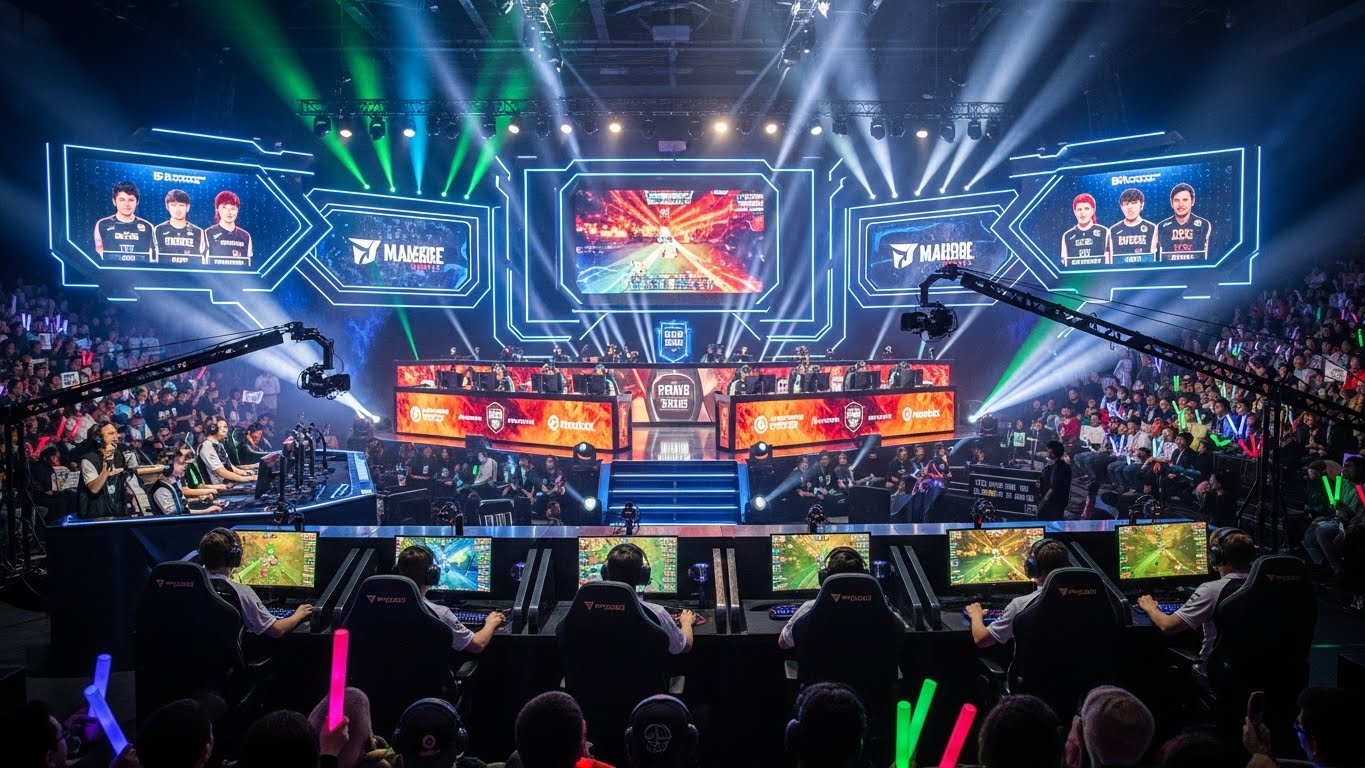
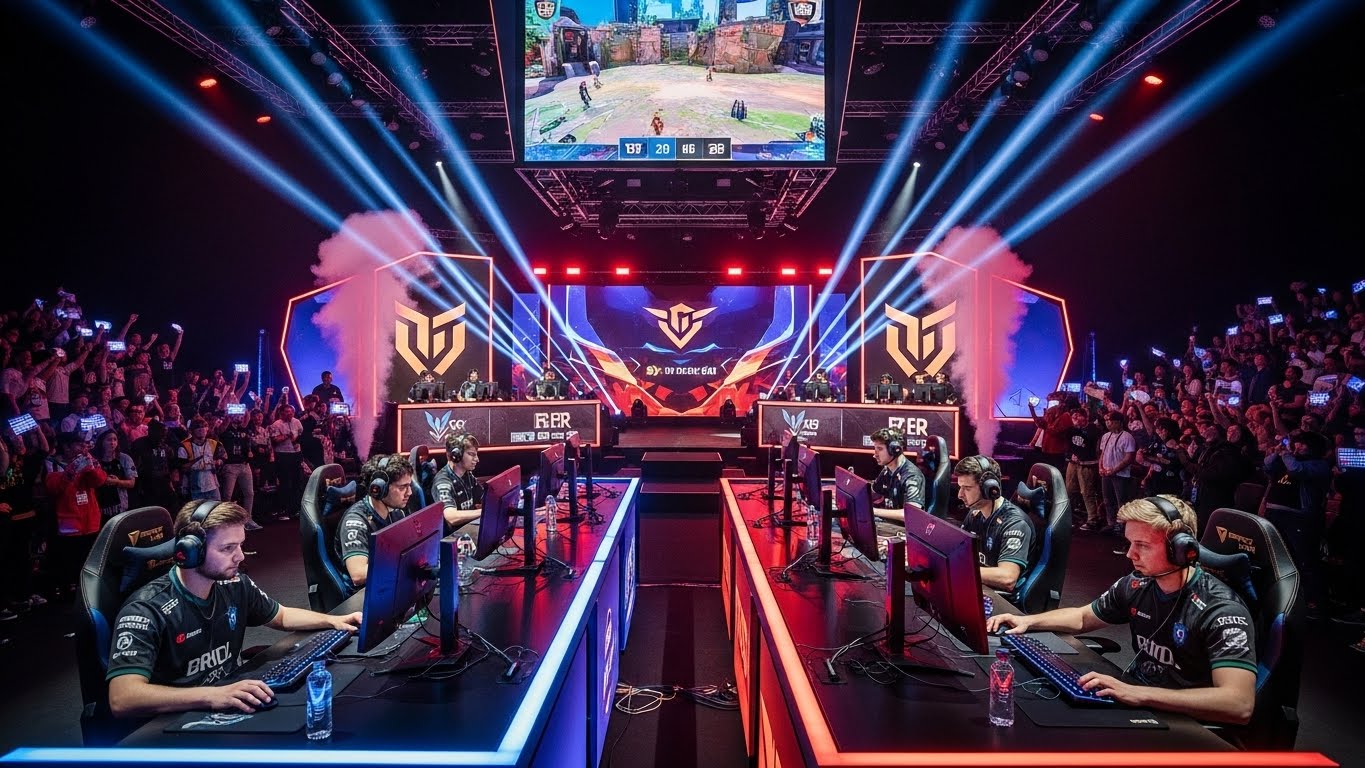
Esports tournaments are often held in large international venues, drawing thousands of fans from different countries to cheer on their favorite teams. These events have become major cultural celebrations, with live performances, meet-and-greets, and fan interactions happening alongside the competition. The sense of community in esports is unlike anything in traditional sports, with fans building personal connections with players and other enthusiasts.
Moreover, esports has helped make gaming more inclusive, with many competitions and organizations focused on promoting diversity, gender equality, and accessibility. Esports gives gamers from all backgrounds an opportunity to shine, regardless of their race, gender, or nationality.
The Future of Esports: What’s Next?
As esports continues to grow, the possibilities for its future are endless. The increasing popularity of mobile gaming, the potential of Virtual Reality (VR) and Augmented Reality (AR) technologies, and the development of more immersive and interactive viewing experiences all point to an exciting future for competitive gaming.
One key area of growth is mobile esports. With the rise of smartphones, mobile esports has seen tremendous success, particularly in regions like Southeast Asia and Latin America. Games like PUBG Mobile and Mobile Legends are gaining massive followings, and tournaments are being held specifically for mobile gamers.
The potential for VR and AR in esports is also incredibly promising. Virtual reality could revolutionize how players compete and how fans experience tournaments. Imagine watching a Dota 2 final from within the game’s world, as if you’re standing on the battlefield yourself. Augmented reality could enhance live broadcasts, providing real-time data and interactive elements to viewers.
In addition, as esports continues to expand globally, more regions will see an influx of players, tournaments, and audiences. With increased access to high-speed internet and improved gaming infrastructure, countries in Africa, the Middle East, and Eastern Europe are becoming emerging hubs for competitive gaming.
Conclusion: Esports as a New Era of Entertainment
Esports has proven itself to be more than just a passing trend—it is a revolutionary form of entertainment that has captured the attention of millions worldwide. Its meteoric rise has transformed competitive gaming into a legitimate industry, creating careers, fostering global communities, and pushing the boundaries of technology and entertainment.
The future of esports is undoubtedly bright. With new technologies, expanded audiences, and a deepening connection between gamers and fans, esports will continue to evolve and redefine what it means to be a professional athlete in the digital age.
As the lines between traditional sports and esports continue to blur, one thing is clear: esports is here to stay, and its impact on the entertainment industry will only grow stronger with time.