championplay05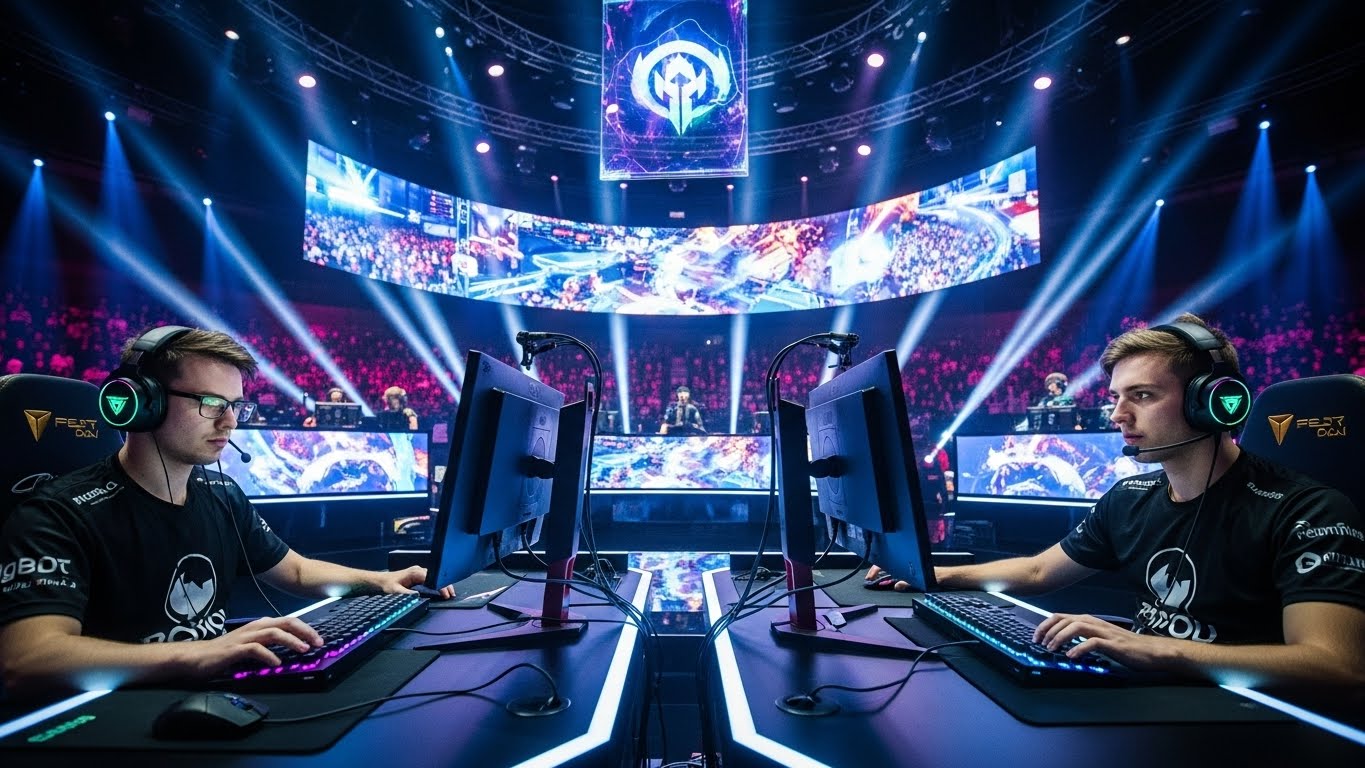
Introduction: The Birth of a New Sporting Era
Esports has transformed the meaning of competition in the twenty-first century. Once viewed as a casual hobby, competitive gaming has grown into a global industry that rivals traditional sports in popularity, professionalism, and cultural influence. Esports combines technology, strategy, teamwork, and mental discipline, creating a unique form of competition that resonates with a digital generation. From small local tournaments to packed arenas filled with cheering fans, esports has redefined how people play, watch, and celebrate competition.
The Early Foundations of Esports
The origins of esports lie in the early days of video gaming, when players competed for high scores on arcade machines. These informal competitions planted the seeds for organized gaming. As home consoles and personal computers became widespread, multiplayer games allowed players to challenge one another directly. Local tournaments began to emerge, fostering a sense of rivalry and community. The arrival of the internet was a turning point, enabling players from different regions to compete in real time and turning competitive gaming into a global phenomenon.
The Rise of Online Competitive Gaming
Online connectivity revolutionized esports by eliminating geographical barriers. Players could practice, compete, and communicate with teammates across continents. Online matchmaking systems allowed skilled players to rise through rankings, gaining recognition within gaming communities. Competitive ladders and online tournaments created pathways for talented individuals to transition from casual gaming to professional competition. This accessibility played a crucial role in esports’ rapid growth, allowing anyone with skill and dedication to participate.
Professionalization of Esports
As esports gained popularity, it became more structured and professional. Organized leagues, seasonal competitions, and championship events established clear competitive frameworks. Professional teams emerged, signing players and providing salaries, coaching, and training facilities. Esports athletes began following strict schedules, similar to traditional sports professionals. This professionalization brought legitimacy to esports, attracting sponsors, media attention, and investment that fueled further expansion.
Esports Athletes and Their Training
Professional esports players are often misunderstood as simply playing games all day. In reality, they follow demanding training routines that require discipline and focus. Daily practice sessions involve refining mechanical skills, studying game strategies, and analyzing opponents. Communication and teamwork are emphasized, especially in team-based games. Mental resilience is equally important, as players must perform consistently under pressure. Many teams now prioritize physical fitness, sleep routines, and mental health support to maintain peak performance.
Popular Esports Game Categories
Esports includes a wide range of game genres, each offering unique competitive experiences. Multiplayer online battle arena games focus on teamwork, map control, and strategic decision-making. First-person shooters emphasize precision, reflexes, and tactical awareness. Real-time strategy games reward long-term planning and adaptability. Sports simulation games recreate traditional athletic competition in digital form. This diversity ensures that esports appeals to a broad audience and continues to evolve with player interests.
Esports Tournaments and Events
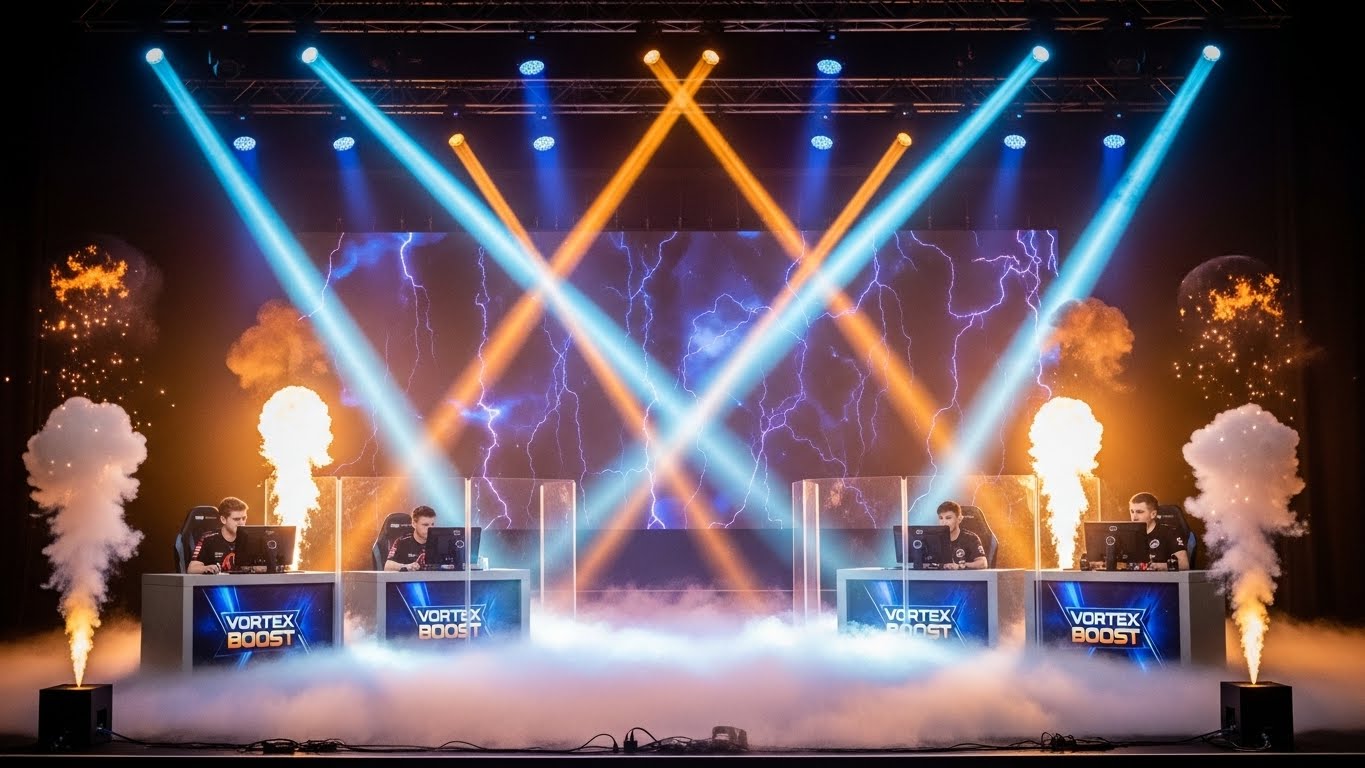
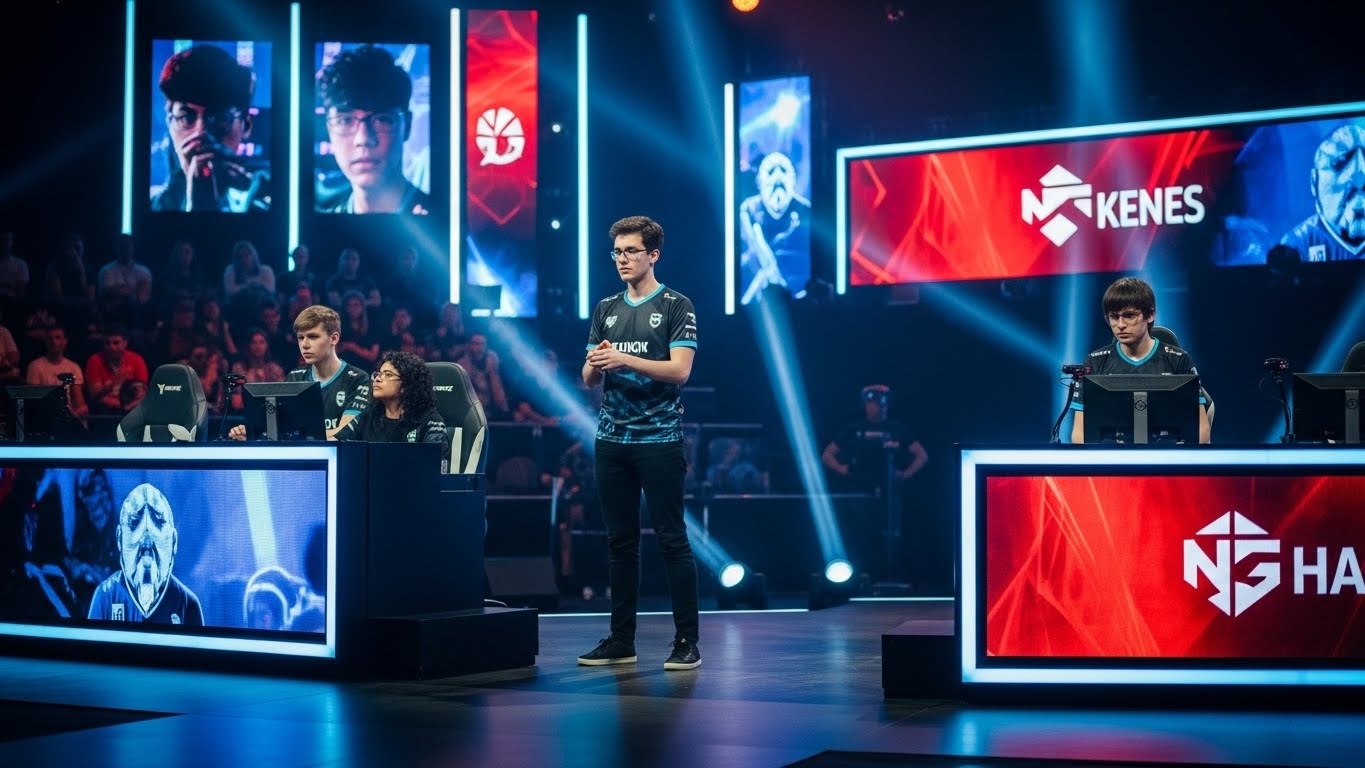
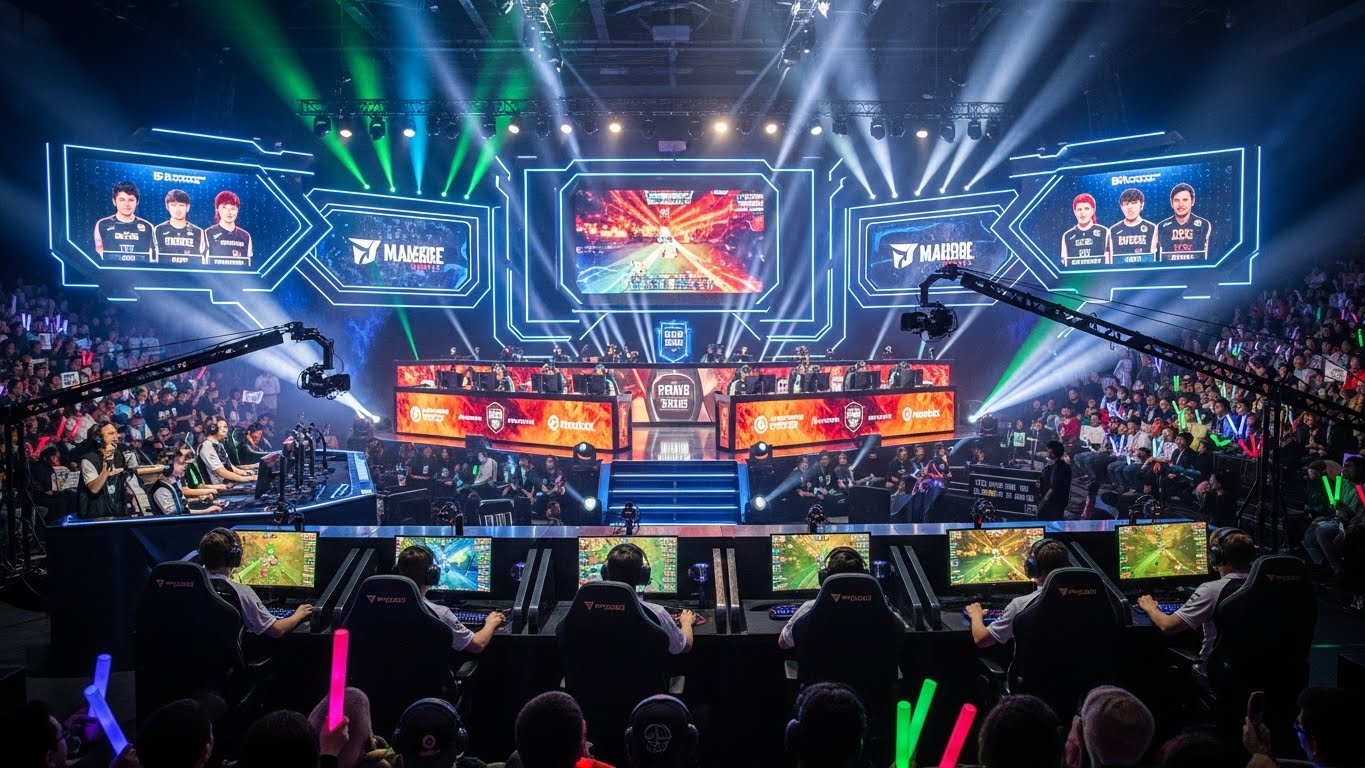
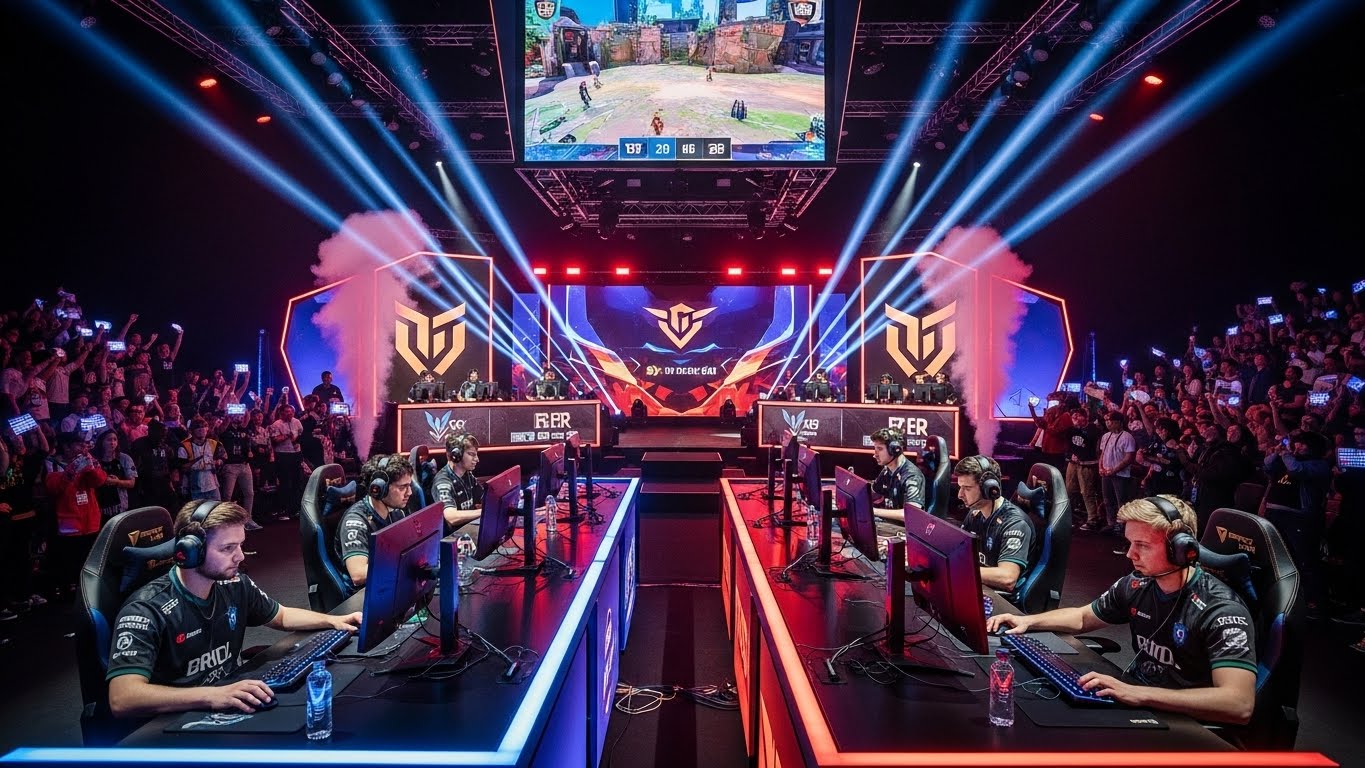
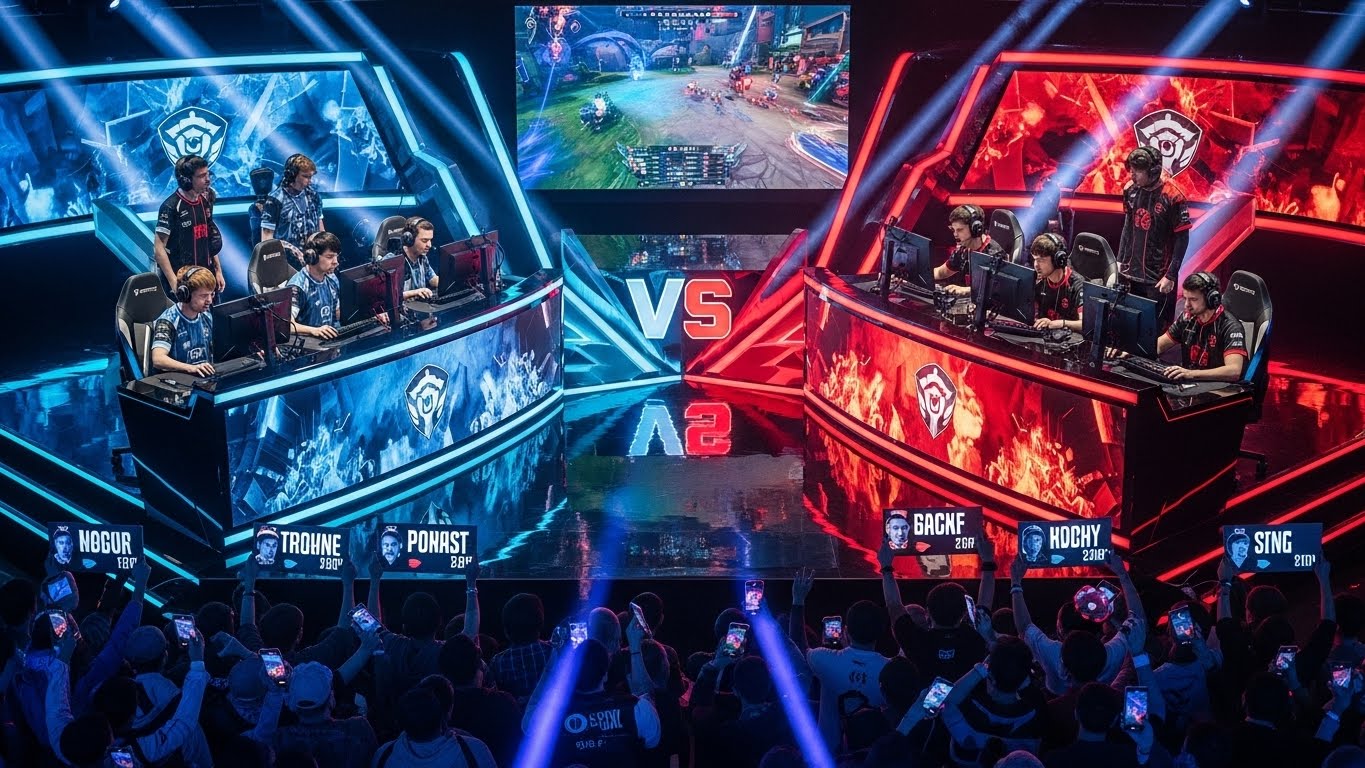
Esports tournaments are the heart of competitive gaming. These events bring together top players and teams to compete for titles, prize money, and prestige. Major tournaments often feature elaborate stage setups, live commentary, and large audiences both online and in person. The atmosphere at these events mirrors that of traditional sports championships, with fans cheering, celebrating, and supporting their favorite teams. Tournaments play a vital role in building narratives, rivalries, and unforgettable moments within esports history.
The Global Esports Community
One of the defining features of esports is its global community. Players and fans from diverse backgrounds connect through shared passion for competition. Online platforms enable constant interaction, allowing fans to discuss matches, analyze strategies, and engage directly with players. This sense of accessibility strengthens the bond between competitors and audiences. Esports communities are not limited by borders, making competitive gaming one of the most inclusive forms of entertainment.
Technology as the Backbone of Esports
Technology is central to the success of esports. High-performance hardware, responsive peripherals, and stable network connections are essential for fair competition. Streaming technology allows millions of viewers to watch matches live, transforming esports into a spectator sport. Advanced software tools help teams analyze gameplay, track performance, and refine strategies. As technology continues to advance, it will further enhance the competitive and viewing experience of esports.
Esports and Entertainment Culture
Esports has become a major component of modern entertainment culture. It blends gaming with music, storytelling, and digital media to create immersive experiences. Players often become celebrities, attracting large fan followings and influencing popular culture. Esports content extends beyond tournaments, including behind-the-scenes features, interviews, and educational content. This integration of competition and entertainment has helped esports reach mainstream audiences.
Economic Impact of Esports
The esports industry has generated significant economic growth. Revenue streams include sponsorships, advertising, merchandise, ticket sales, and media rights. Esports organizations create jobs for players, coaches, analysts, event organizers, and production teams. Cities that host major tournaments benefit from tourism and global exposure. The economic impact of esports demonstrates its importance as a sustainable and influential industry.
Esports in Education and Skill Development
Educational institutions are increasingly recognizing the value of esports. Schools and universities have introduced esports programs, clubs, and scholarships. Competitive gaming helps students develop transferable skills such as teamwork, communication, strategic thinking, and problem-solving. Esports education also introduces students to careers in technology, media, and event management. By integrating esports into education, institutions acknowledge its potential as both a learning tool and a career pathway.
Challenges Facing the Esports Industry
Despite its success, esports faces several challenges. Player burnout is a growing concern due to intense practice schedules and competitive pressure. The lack of standardized regulations can lead to inconsistencies across tournaments. Issues such as fair play, inclusivity, and online toxicity require ongoing attention. Addressing these challenges is essential to ensure the long-term health and credibility of the esports ecosystem.
Esports and Traditional Sports Comparison
Esports and traditional sports share many similarities, including competition, teamwork, and fan engagement. However, esports offers greater accessibility, as anyone with the required equipment can compete. Traditional sports organizations have begun investing in esports, recognizing its appeal to younger audiences. Rather than replacing traditional sports, esports complements them by expanding the definition of athletic competition in a digital age.
The Future of Esports
The future of esports is filled with potential. Advances in technology will make competitions more immersive and interactive. Greater emphasis on player well-being and ethical standards will strengthen the industry’s foundation. Esports is likely to gain further recognition from educational institutions, media outlets, and global organizations. As competitive gaming continues to evolve, it will remain a powerful force in shaping digital culture and entertainment.
Conclusion: Redefining Competition in a Digital World
Esports has redefined what it means to compete, proving that skill, dedication, and teamwork are not limited to physical arenas. From humble beginnings to global prominence, esports represents the fusion of technology and human ambition. It has created new opportunities for players, fans, and professionals while fostering a worldwide community united by passion. As esports continues to grow, it will remain a symbol of innovation, connection, and competitive excellence in the digital era.