championplay05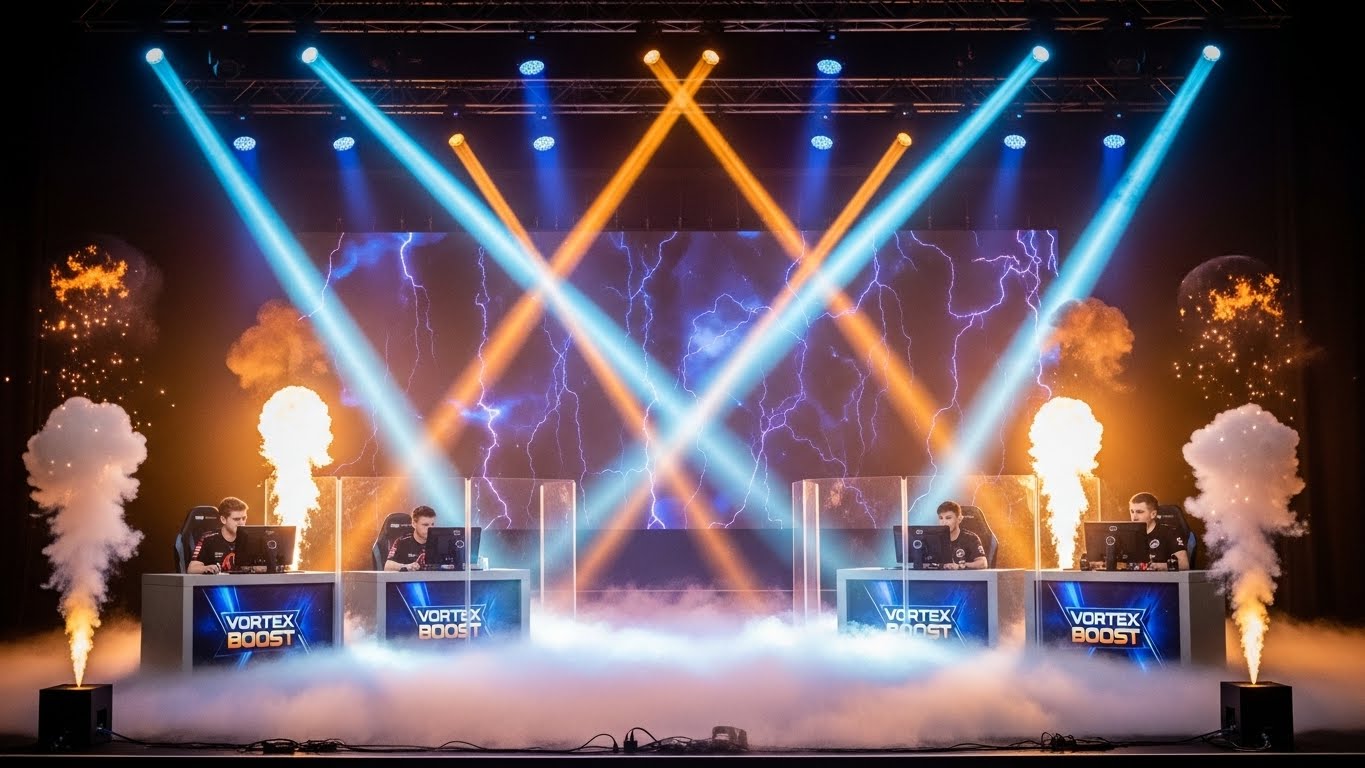
Introduction: The Rise of a Digital Sport
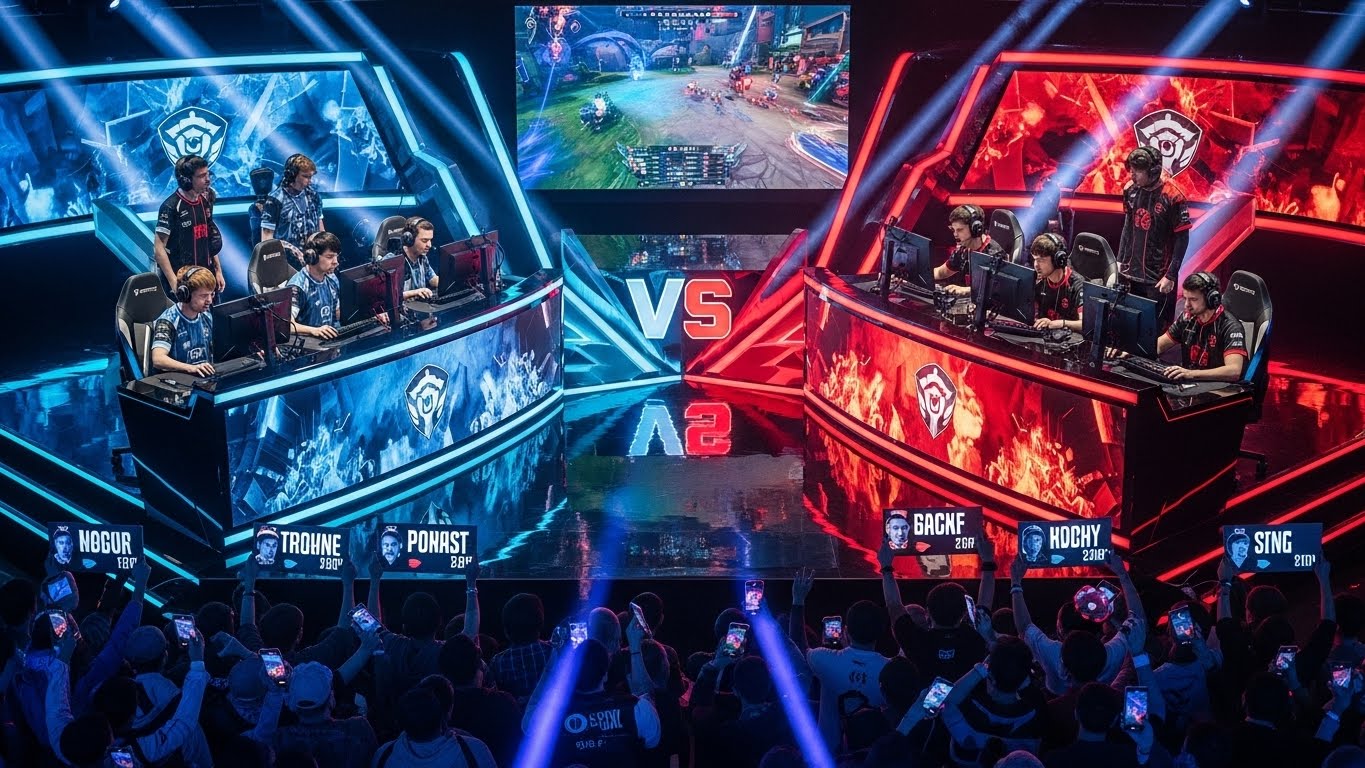
Esports has evolved from a casual pastime into a billion-dollar industry that captivates millions worldwide. What began as simple video game competitions in arcades and living rooms has transformed into a global phenomenon, complete with professional teams, structured leagues, and live-streamed tournaments that rival traditional sports in popularity. Unlike traditional sports, esports combines the precision of technology with the intensity of competition, creating a unique space where skill, strategy, and entertainment converge. This revolution is not just about gaming—it is about shaping a new era of competitive culture.
The Early Days of Esports
The origins of esports can be traced back to the late 1970s and 1980s, when arcade games first became popular. Competitions focused on high scores, and events like the Space Invaders Championship in 1980 attracted thousands of players. With the advent of personal computers and gaming consoles, competitive gaming expanded beyond arcades into homes. Games like Street Fighter, StarCraft, and Counter-Strike introduced multiplayer gameplay that laid the foundation for organized tournaments. The proliferation of the internet in the 1990s enabled players from around the world to compete in real-time, turning local competitions into global phenomena.
Professionalization of Competitive Gaming
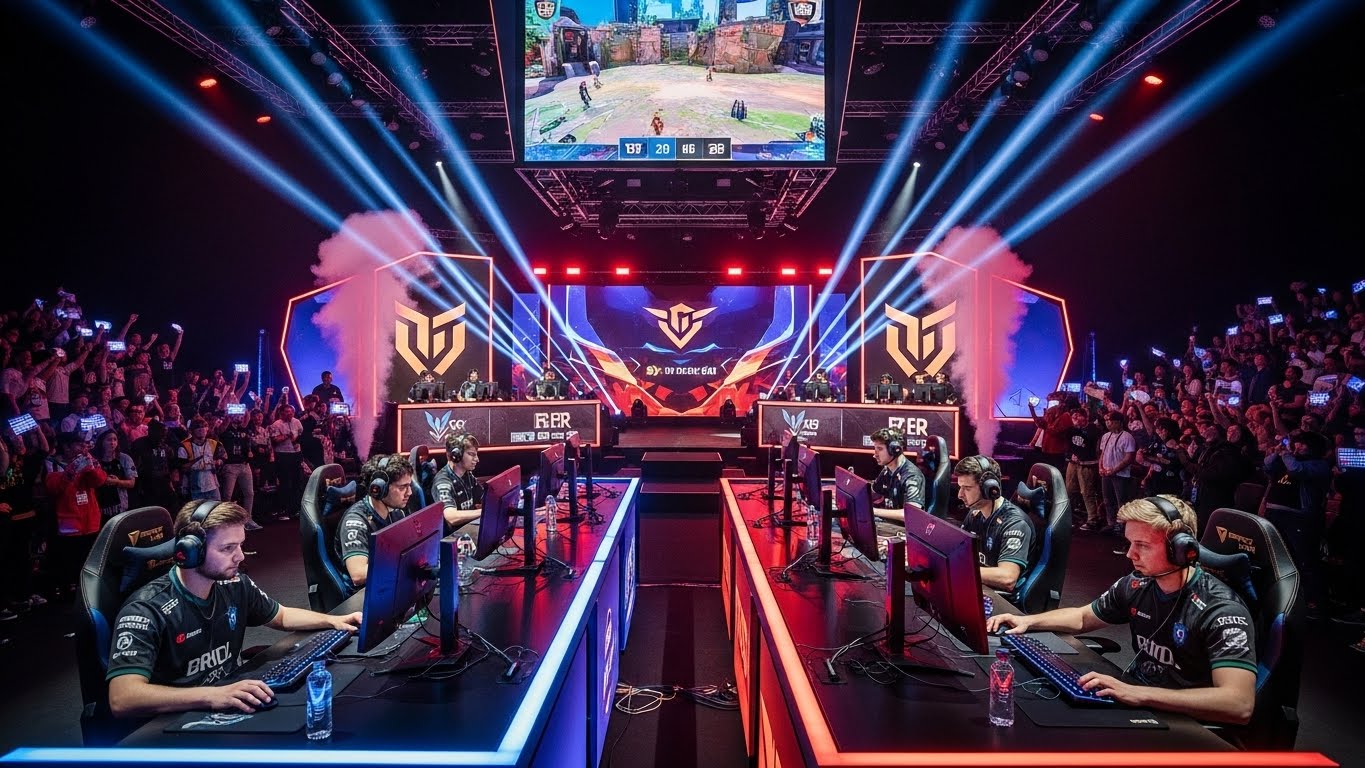
The professionalization of esports began in the early 2000s when organized leagues, structured tournaments, and professional teams started emerging. Players no longer competed solely for bragging rights; prize money, sponsorships, and professional recognition became key motivators. Organizations invested in talent, providing coaching, management, and infrastructure similar to traditional sports teams. Today, professional gamers undergo rigorous training routines, focusing not only on mechanical skills but also on teamwork, strategy, and mental resilience. The recognition of esports as a legitimate career path has transformed the perception of gaming from a hobby to a serious profession.
Popular Esports Genres and Their Appeal
Esports is remarkably diverse, encompassing a range of genres that cater to different audiences. Multiplayer Online Battle Arena games emphasize teamwork, strategy, and map control, requiring players to balance individual skill with collaborative decision-making. First-person shooters focus on reflexes, accuracy, and tactical awareness, creating intense, fast-paced action. Real-time strategy games demand long-term planning, resource management, and adaptability, appealing to players who enjoy cerebral competition. Sports simulation games, including football and basketball titles, bridge the gap between traditional sports fans and digital competition, allowing players to simulate real-world athletic experiences. This variety ensures that esports continues to attract new audiences while keeping existing fans engaged.
Esports as a Global Industry
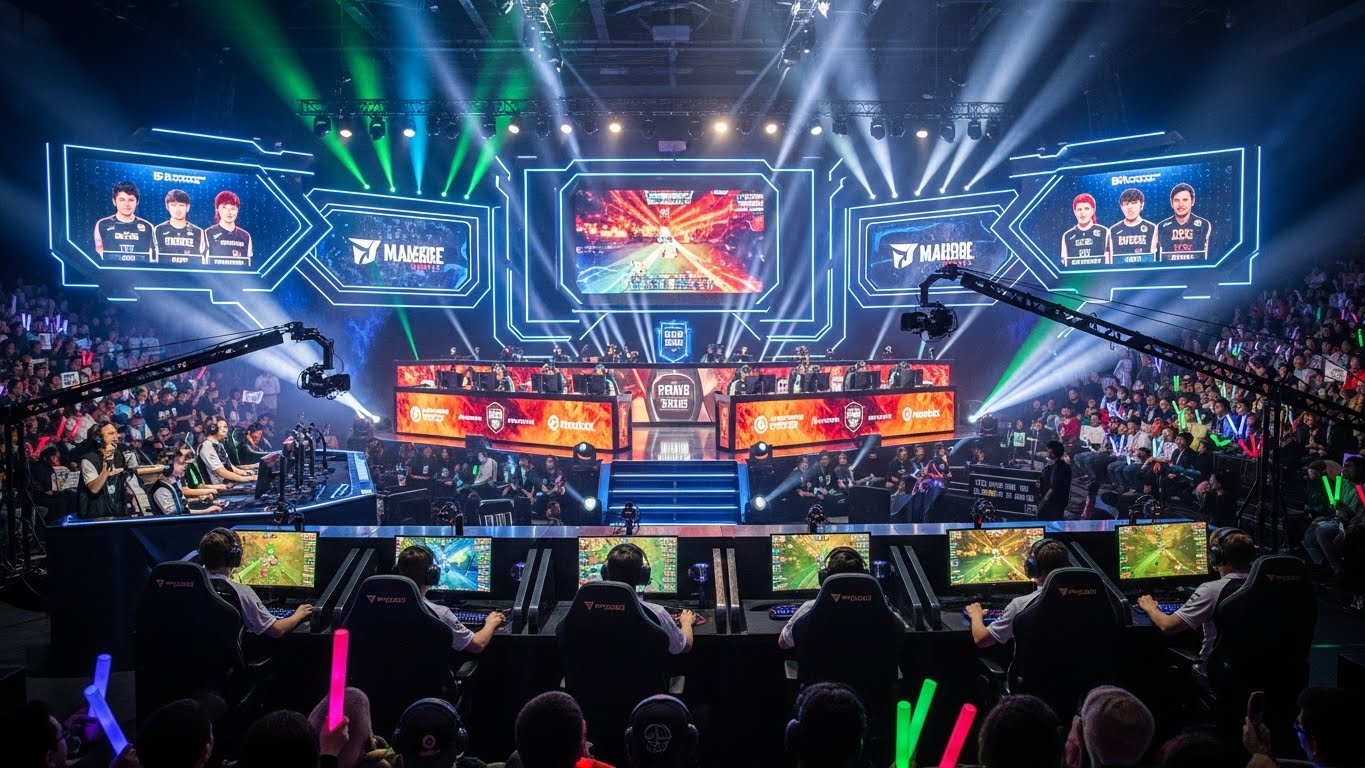
The growth of esports into a global industry is remarkable. Millions of viewers tune in to watch tournaments, creating an entertainment ecosystem that includes players, teams, tournament organizers, broadcasters, analysts, content creators, and sponsors. Sponsorships play a critical role, supporting events and connecting brands with a digitally engaged audience. Revenue streams include prize money, merchandise, media rights, and live events. Esports has created thousands of jobs worldwide, from professional players and coaches to event managers and streaming platform specialists. The industry’s economic impact demonstrates that esports is more than just a pastime; it is a significant component of modern entertainment.
Training and Discipline in Esports
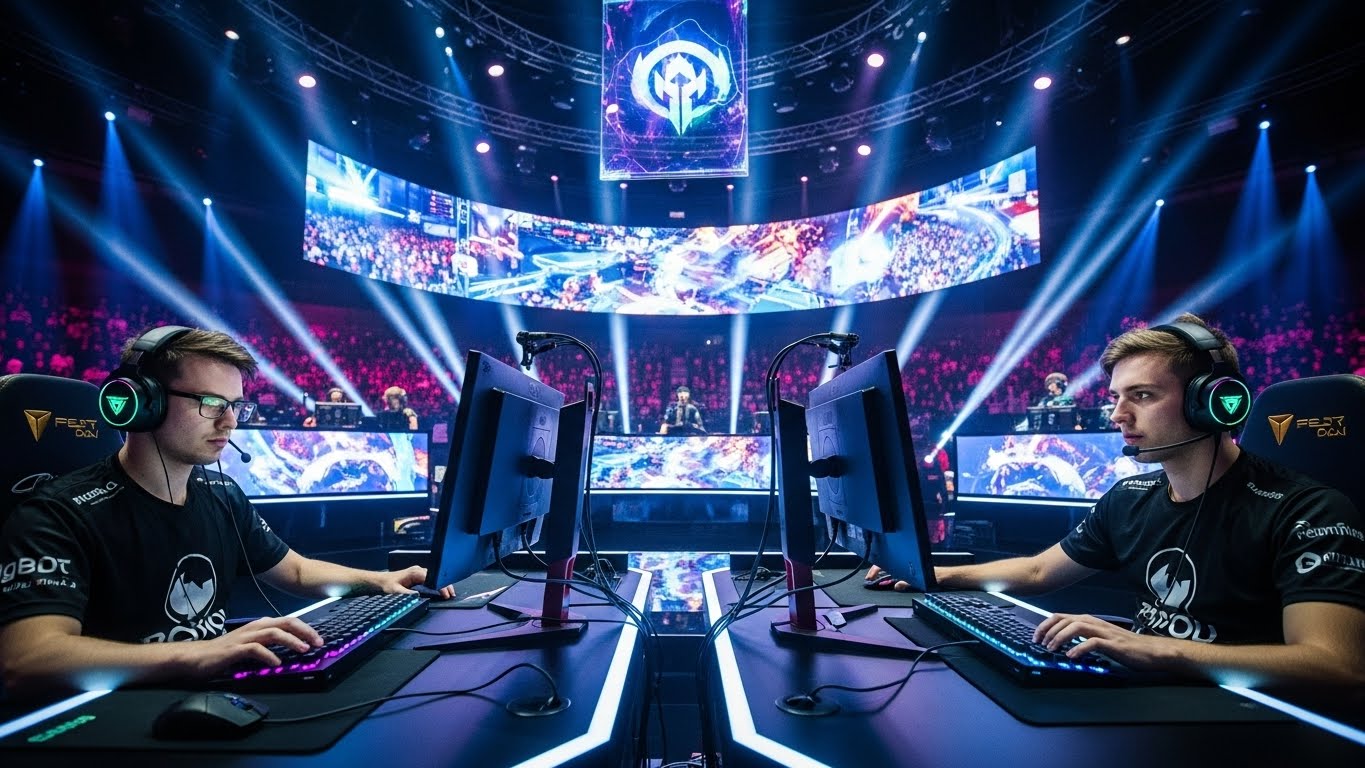
Contrary to popular misconceptions, professional esports players require intense training and discipline. Top players often practice for eight to twelve hours a day, honing their mechanics, perfecting strategies, and studying opponents. Physical fitness and mental health have become integral to performance, with teams employing trainers and psychologists to prevent burnout and improve focus. Esports players must master split-second decision-making, communication, and adaptability under pressure, making their training regimen as rigorous as that of traditional athletes. The combination of skill, strategy, and endurance highlights the professional nature of competitive gaming.
Technology Driving Esports
Technology is the backbone of esports, enabling competitive gameplay and immersive experiences for viewers. High-performance hardware, precise peripherals, and stable internet connections ensure fair play and optimal performance. Streaming technology allows fans to watch tournaments live, interact with players, and participate in community discussions. Emerging technologies such as virtual reality, augmented reality, and advanced analytics are enhancing the esports experience, both for competitors and spectators. As technology evolves, it is likely that esports will continue to innovate, offering more interactive and immersive ways to experience digital competition.
Community and Fan Engagement
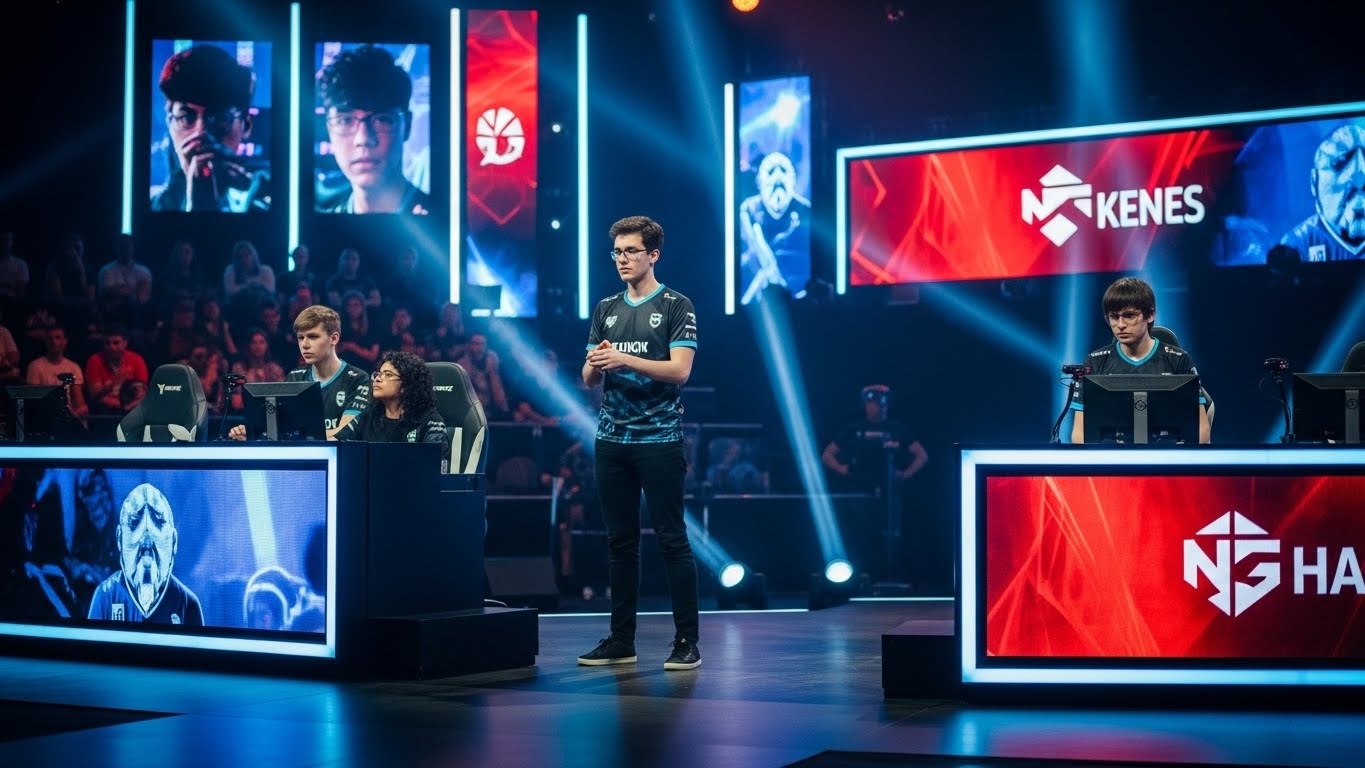
One of esports’ defining features is its passionate community. Fans support teams and players with a loyalty comparable to traditional sports, engaging with live streams, social media, and fan events. Online platforms facilitate direct interaction between players and fans, creating a sense of intimacy and shared culture. Community-driven events, tournaments, and content creation have helped esports develop a culture that extends beyond professional competition. Fans are not passive observers; they participate, influence, and contribute to the growth of esports culture worldwide.
Esports and Education
Esports is increasingly being recognized as an educational tool. Schools and universities are developing esports programs, offering scholarships, and providing training facilities for students. These programs emphasize skills that extend beyond gaming, including teamwork, communication, strategic thinking, and problem-solving. For many students, esports offers a competitive outlet that complements academic and personal development. By integrating esports into education, institutions are validating gaming as a meaningful pursuit while providing pathways for students to explore careers in the industry.
Challenges Facing Esports
Despite its growth, esports faces several challenges. Player burnout remains a significant concern due to the intensity of training and competitive schedules. The lack of standardized regulations can lead to inconsistencies across tournaments and regions. Issues such as cheating, toxicity in online communities, and gender inequality also pose challenges. Addressing these concerns is essential for the long-term sustainability of esports. Organizations are increasingly implementing policies to protect players, promote inclusivity, and maintain fair competition, reflecting the maturation of the industry.
The Global Impact of Esports
Esports is more than just entertainment; it has a cultural, social, and economic impact on a global scale. It brings together players from diverse backgrounds, fostering cross-cultural exchange and collaboration. Esports tournaments have become major social events, attracting thousands of attendees and millions of online viewers. The industry also influences technology, media, and marketing trends, creating new business opportunities and redefining the entertainment landscape. By connecting communities worldwide, esports demonstrates the potential of digital competition to transcend borders and bring people together.
The Future of Esports
The future of esports is bright, with continued growth expected across technology, audience engagement, and professionalization. Innovations in virtual reality, artificial intelligence, and streaming technology will create new ways to experience esports. Greater recognition from traditional sports organizations and mainstream media will further solidify its legitimacy. Additionally, as esports continues to expand into education, wellness, and entertainment sectors, it is likely to become a more inclusive and sustainable industry. The evolution of esports reflects broader societal trends, including digital transformation, globalization, and the integration of technology into everyday life.
Conclusion: Redefining Competition
Esports has redefined what it means to compete in the modern era. It combines skill, strategy, technology, and community in ways that traditional sports cannot replicate. From humble beginnings in arcades and living rooms to becoming a global phenomenon, esports demonstrates the transformative power of digital culture. Its growth and evolution highlight the intersection of passion, talent, and innovation, making it a defining feature of 21st-century entertainment. As esports continues to develop, it will not only shape the future of gaming but also redefine competition, community, and the concept of professional achievement in the digital world.