championplay05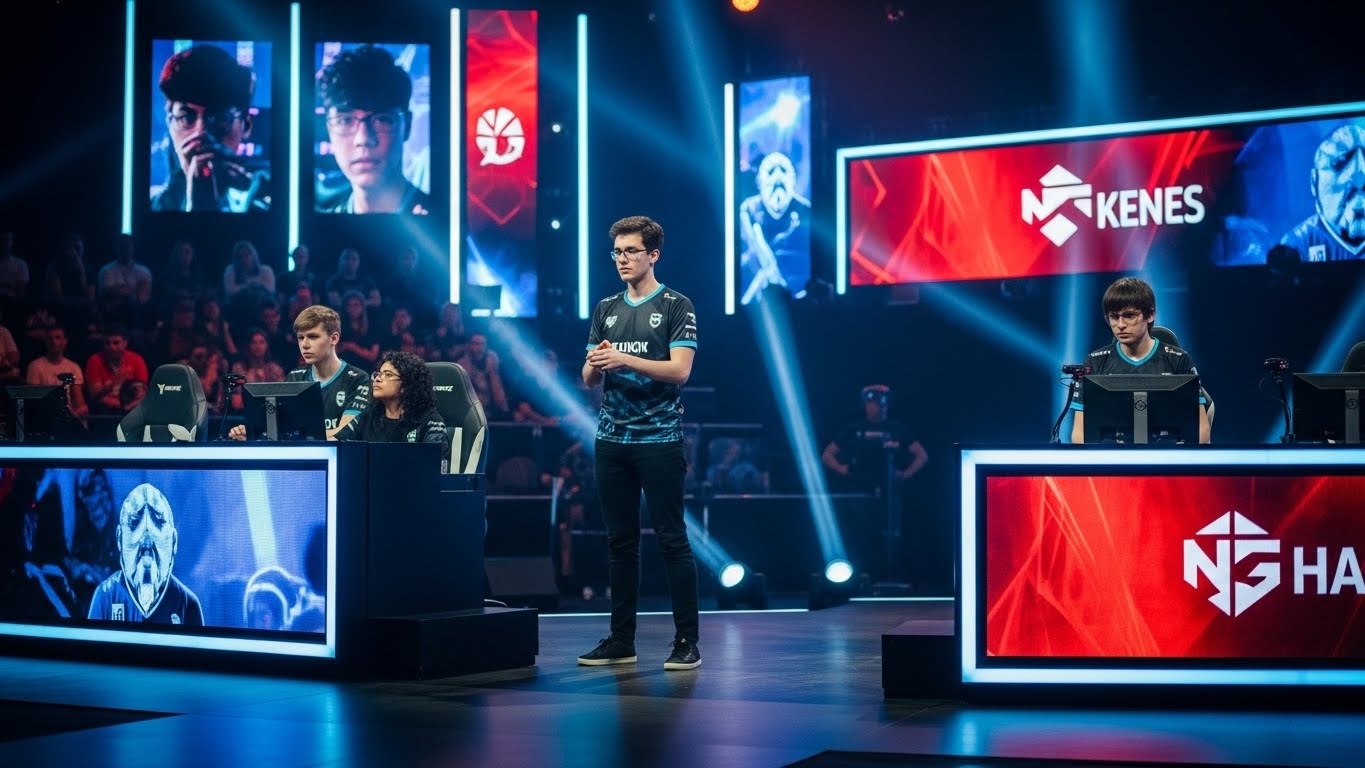
Introduction: The Rise of Digital Competition
Esports, short for electronic sports, has evolved from a niche hobby into a global competitive industry that rivals traditional sports in popularity, viewership, and economic impact. What was once a casual pastime enjoyed in internet cafés and bedrooms has transformed into packed arenas, professional teams, international tournaments, and millions of dedicated fans. Esports is no longer just about playing video games; it is about strategy, discipline, teamwork, entertainment, and a rapidly growing digital culture that defines a new generation of competition.
This blog explores the journey of esports, its structure, cultural influence, economic power, and future potential, offering a complete understanding of why competitive gaming has become such a dominant force in modern entertainment.
Understanding Esports: More Than Just Gaming
At its core, esports refers to organized, competitive video gaming where individuals or teams compete against each other in structured tournaments. These competitions are governed by rules, supported by professional organizations, and often broadcast to large audiences worldwide. Unlike casual gaming, esports demands high-level skill, consistent practice, mental resilience, and deep knowledge of the game mechanics.
Popular esports titles span various genres, including multiplayer online battle arenas, first-person shooters, real-time strategy games, sports simulations, and battle royale games. Each genre requires a different set of skills, ranging from lightning-fast reflexes and precision aiming to strategic planning, communication, and long-term decision-making.
The Evolution of Esports Over Time
The origins of esports can be traced back to the early days of video gaming, when small-scale competitions were held among friends or within local communities. As technology advanced and internet connectivity improved, competitive gaming found a broader audience. Online multiplayer games allowed players from different regions to compete, laying the foundation for organized leagues and international tournaments.
The introduction of streaming platforms marked a turning point for esports. Suddenly, competitions could be watched live by millions, transforming players into celebrities and tournaments into global events. This accessibility helped esports grow at an unprecedented pace, attracting sponsors, media attention, and investment from major corporations.
Professional Players and Teams: The Athletes of the Digital Age
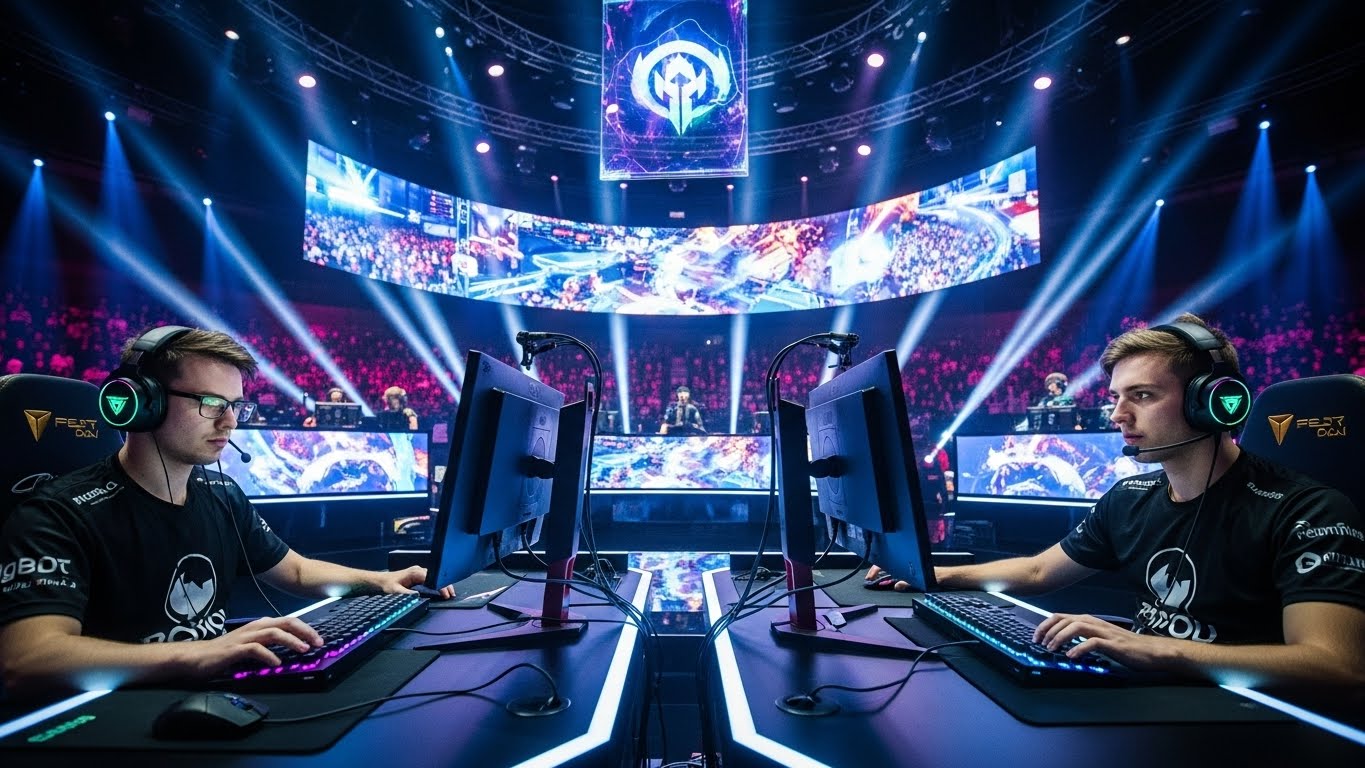
Professional esports players are often compared to traditional athletes, and for good reason. They train for long hours each day, focusing on improving mechanical skills, reaction times, and in-game decision-making. Many teams employ coaches, analysts, and support staff to help players refine strategies and maintain peak performance.
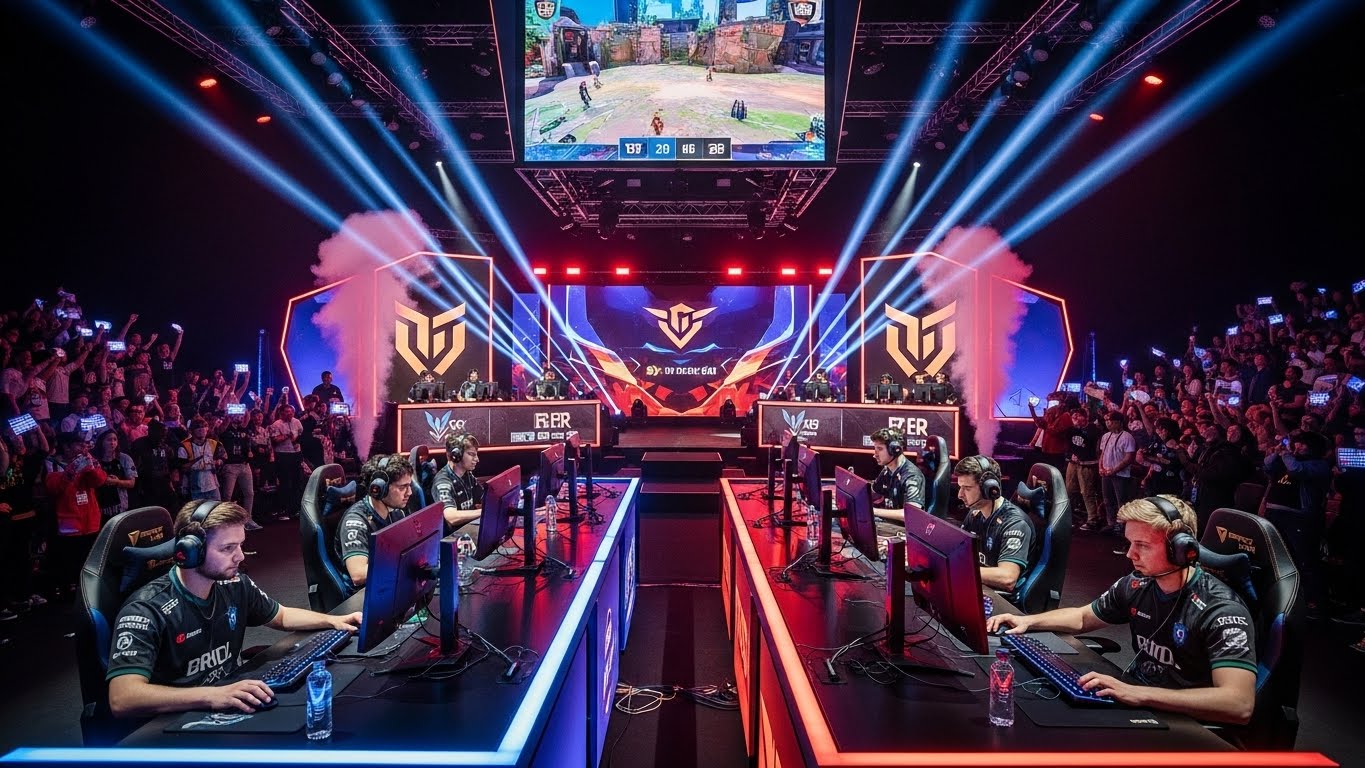
Team-based esports emphasize coordination and communication, where success depends on how well players work together under pressure. Individual esports titles, on the other hand, highlight personal skill, adaptability, and mental toughness. In both cases, professional players must manage stress, maintain focus, and continuously adapt to evolving game updates and competition.
Esports Tournaments and Leagues
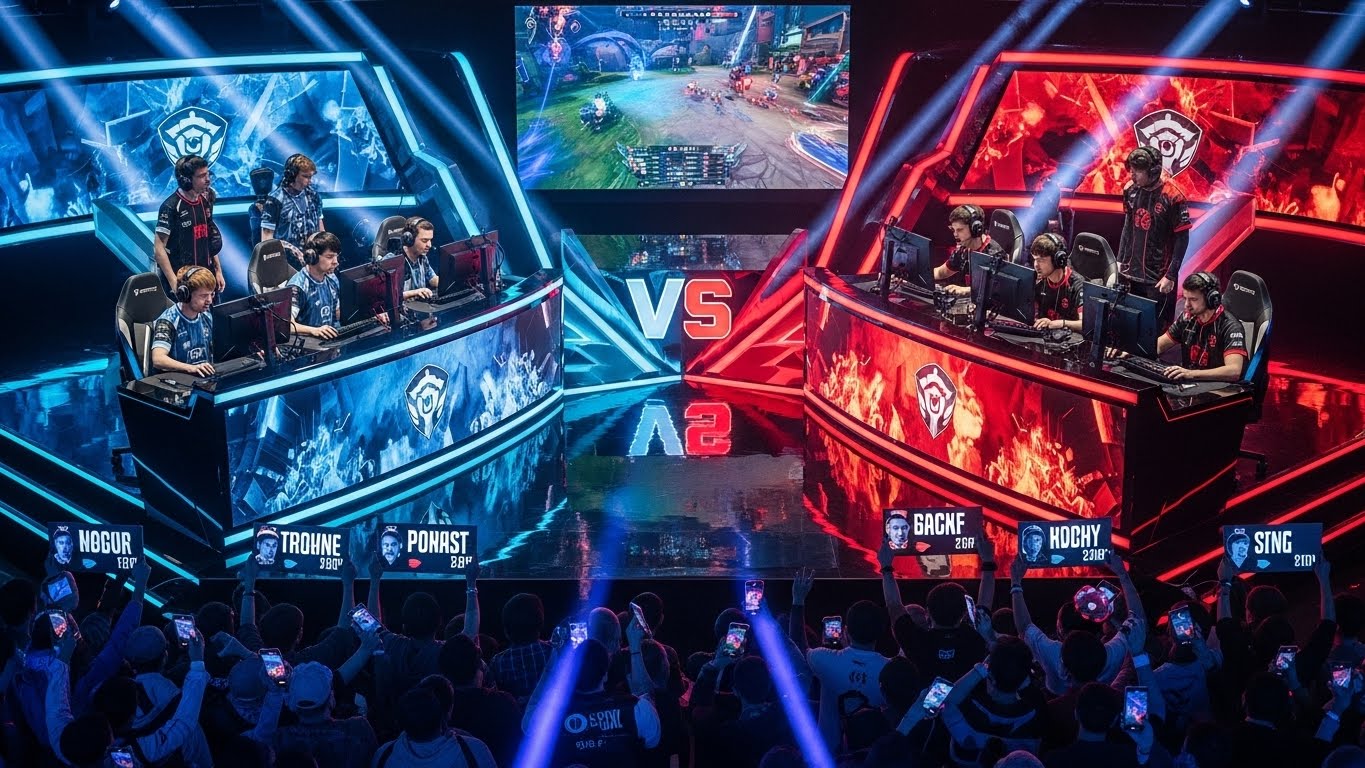
One of the defining features of esports is its competitive ecosystem, which includes leagues, seasonal championships, and major international tournaments. These events often feature large prize pools, sometimes reaching millions, and attract the best players from around the world.
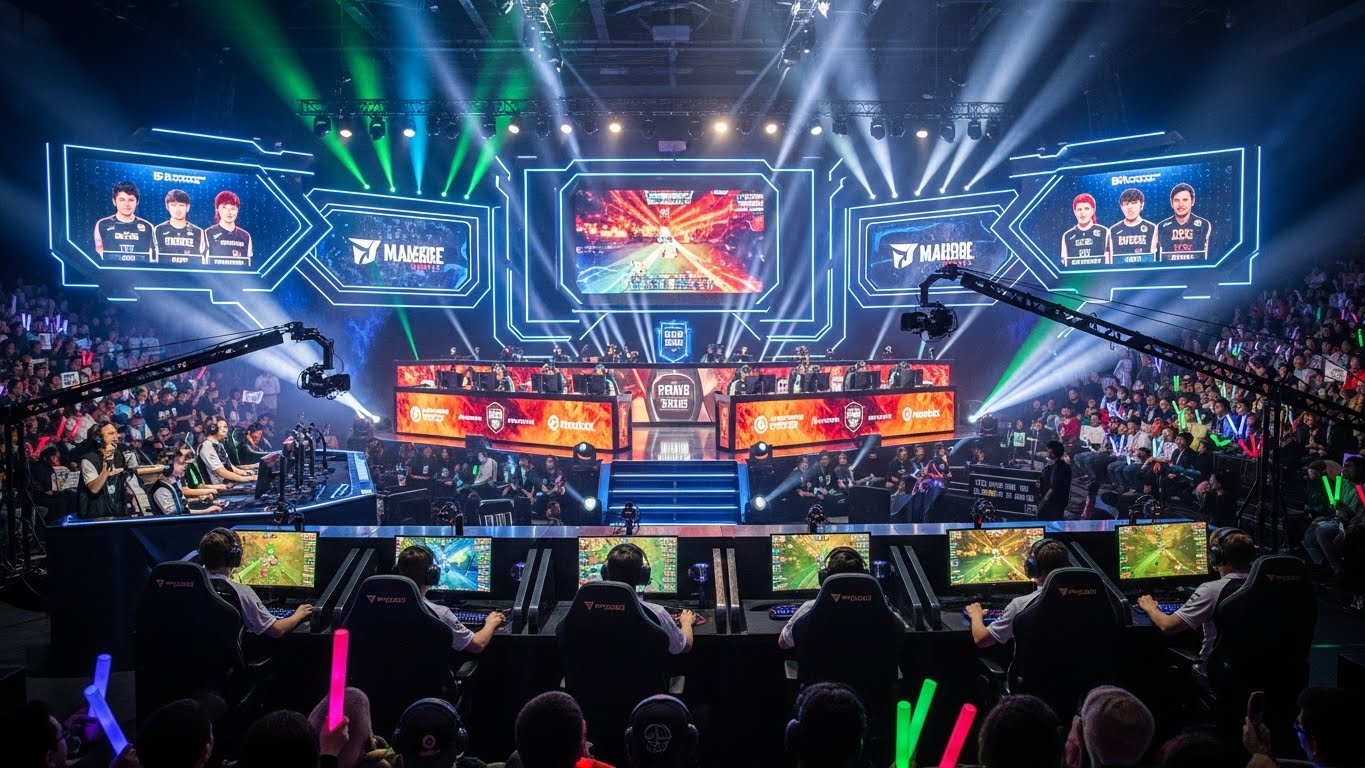
Tournaments are meticulously organized, with qualification stages, group rounds, and elimination brackets. The production quality of major esports events rivals that of traditional sports broadcasts, complete with commentators, analysts, live audiences, and dramatic storytelling. This professional presentation enhances the viewing experience and helps legitimize esports as a mainstream form of competition.
The Role of Streaming and Online Communities
Streaming has played a crucial role in the growth of esports. Fans can watch live matches, follow their favorite players, and engage with content in real time. This interactive experience creates a strong connection between players and audiences, fostering loyal communities around specific games, teams, and personalities.
Online communities also contribute to esports culture through discussions, fan art, strategy analysis, and grassroots tournaments. These communities help sustain interest in esports beyond major events and provide aspiring players with inspiration and learning opportunities.
Economic Impact and Career Opportunities
Esports has become a powerful economic engine, generating revenue through sponsorships, advertising, merchandise, ticket sales, and media rights. Major brands from technology, fashion, food, and automotive industries have entered the esports space, recognizing its ability to reach younger, digitally native audiences.
Beyond professional players, esports offers a wide range of career opportunities. These include coaching, event management, broadcasting, content creation, marketing, game development, and data analysis. As the industry continues to expand, it creates new pathways for individuals who are passionate about gaming but may not compete professionally.
Esports and Youth Culture
Esports has had a profound influence on youth culture, shaping how younger generations view competition, entertainment, and social interaction. For many, esports represents a space where skill and dedication matter more than physical attributes, making competition more inclusive and accessible.
Educational institutions have also begun to recognize the value of esports. Schools and universities are forming esports teams, offering scholarships, and integrating gaming-related programs into their curricula. These initiatives help legitimize esports while providing students with opportunities to develop teamwork, leadership, and problem-solving skills.
Challenges Facing the Esports Industry
Despite its rapid growth, esports faces several challenges. Player burnout is a significant concern, as intense training schedules and constant competition can take a toll on mental and physical health. Ensuring fair play and preventing cheating is another ongoing challenge, requiring constant vigilance and technological solutions.
The industry also grapples with issues related to regulation, consistency, and long-term sustainability. Unlike traditional sports, esports titles are controlled by game developers, which can influence competitive rules and tournament structures. Balancing commercial interests with competitive integrity remains an important task for the industry.
The Global Nature of Esports
One of esports’ greatest strengths is its global reach. Players from different countries and cultures compete on equal footing, united by a shared passion for gaming. International tournaments bring together diverse audiences and showcase the universal appeal of digital competition.
This global nature also encourages cultural exchange, as fans learn about players and teams from around the world. Esports has become a platform where language, geography, and background matter less than skill and dedication.
The Future of Esports
The future of esports looks promising, with continued technological advancements shaping how games are played and experienced. Improvements in virtual reality, augmented reality, and artificial intelligence may introduce entirely new forms of competition. Enhanced broadcasting techniques could further blur the line between physical and digital sports entertainment.
As esports matures, it is likely to become more structured, with clearer career pathways, stronger player protections, and deeper integration into mainstream media. Its influence may extend beyond entertainment, impacting education, technology, and even how society defines sports and competition.
Conclusion: A New Era of Competitive Entertainment
Esports represents a fundamental shift in how competition is created, consumed, and celebrated. It combines technology, creativity, and human skill in a way that resonates with a digital-first generation. From passionate grassroots communities to massive international tournaments, esports has proven that competition does not need a physical field to inspire dedication, excitement, and global connection.
As the industry continues to evolve, esports will remain a powerful symbol of how innovation can redefine tradition. What began as simple games on screens has grown into a worldwide phenomenon, shaping the future of entertainment and competition for years to come.