championplay05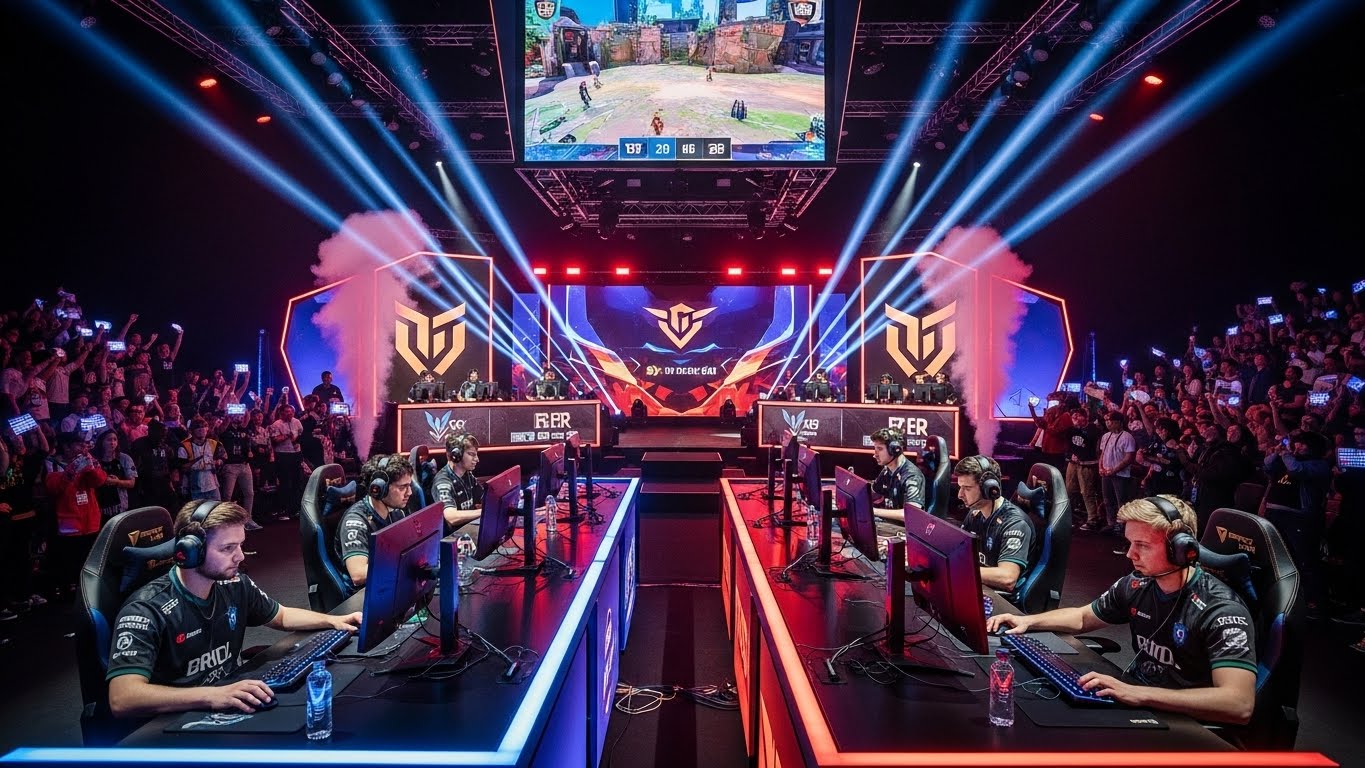
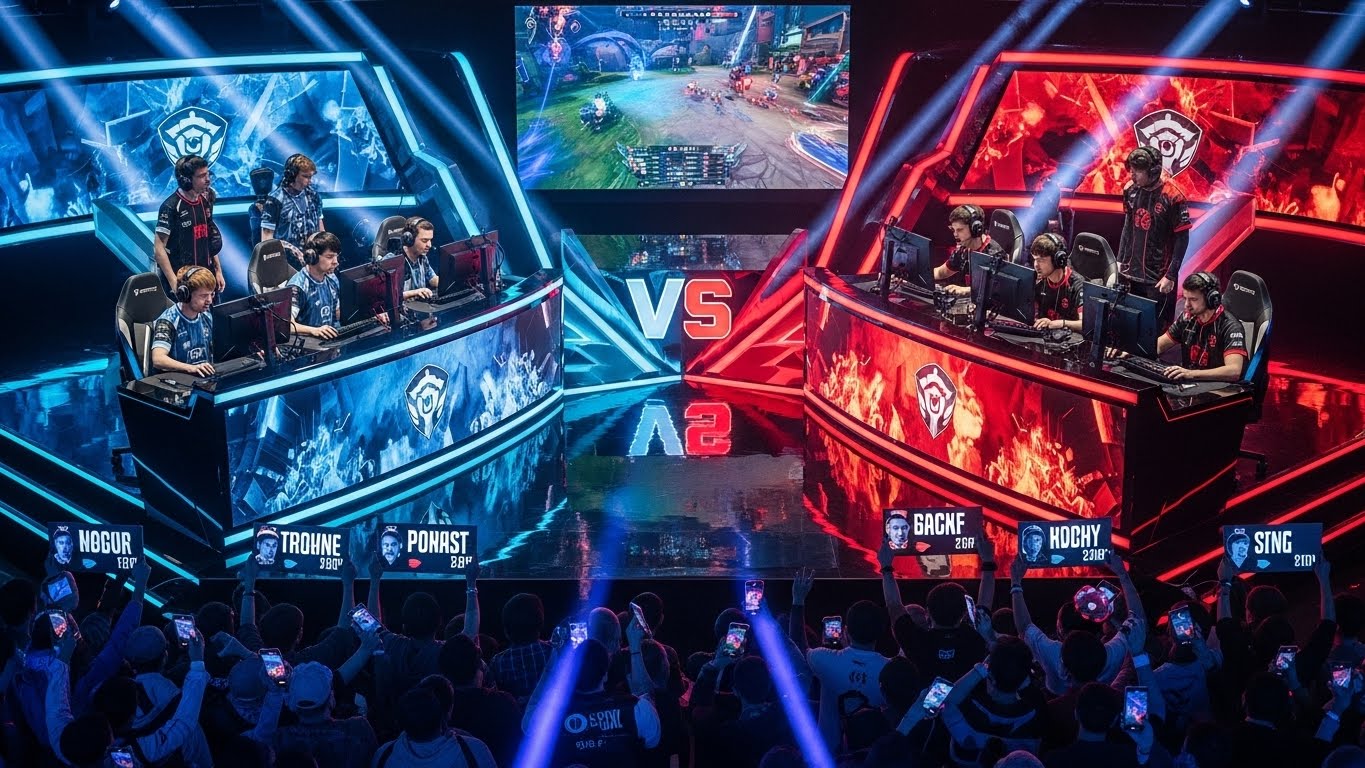
Esports has emerged as one of the most influential and rapidly growing phenomena of the 21st century. Once dismissed as a casual pastime, competitive gaming has evolved into a professional industry, attracting millions of viewers, multi-million-dollar investments, and creating a global community of players and fans. Beyond mere entertainment, esports is reshaping ideas of competition, community engagement, technology integration, and even education. This blog explores the history, impact, and future of esports, highlighting how it has become a cultural, social, and economic force.
The Origins of Esports
The roots of esports can be traced back to the 1970s and 1980s when video games became a popular form of entertainment. Early gaming competitions were largely informal, often taking place in arcades or school computer labs. Players competed to achieve the highest scores on games like Pac-Man, Space Invaders, and Donkey Kong. These competitions were the first seeds of what would grow into professional esports, introducing the concept of skill-based competition in a gaming environment.
The 1990s marked a turning point with the rise of multiplayer PC games. Titles like StarCraft, Counter-Strike, and Quake allowed players to compete online, breaking geographical barriers and enabling international competition. In countries like South Korea, gaming quickly became a professional pursuit, supported by television broadcasts, gaming cafes, and government initiatives. These early developments established the structure and legitimacy of competitive gaming that would evolve over the next two decades.
The Professionalization of Competitive Gaming
As esports grew in popularity, it transformed from a hobby into a viable career path. Talented players began dedicating significant time to training, analyzing strategies, and improving skills. Professional teams formed, complete with managers, coaches, analysts, and support staff, mirroring the structure of traditional sports organizations.
Tournaments began offering significant prize money, turning esports into a professional industry. Events like the League of Legends World Championship, The International for Dota 2, and the Overwatch League attracted global attention, showcasing elite talent and fostering fan communities. Today, professional esports players can earn salaries, sponsorships, streaming revenue, and tournament winnings, making competitive gaming a legitimate career option for many young people.
Understanding the Structure of Esports Competitions
Esports is organized in a highly structured ecosystem. Games are often categorized by genre, such as first-person shooters, real-time strategy games, multiplayer online battle arenas, and sports simulations. Each genre demands unique skill sets, including reflexes, strategic thinking, communication, and teamwork.
Teams usually consist of specialized players who assume defined roles, such as support, tank, or damage dealer, depending on the game. Leagues and tournaments follow clear formats, with qualifiers, group stages, and playoffs. Strict rules and anti-cheating measures maintain competitive integrity. This structure allows esports to be both professionally credible and highly entertaining for viewers.
The Role of Technology in Esports
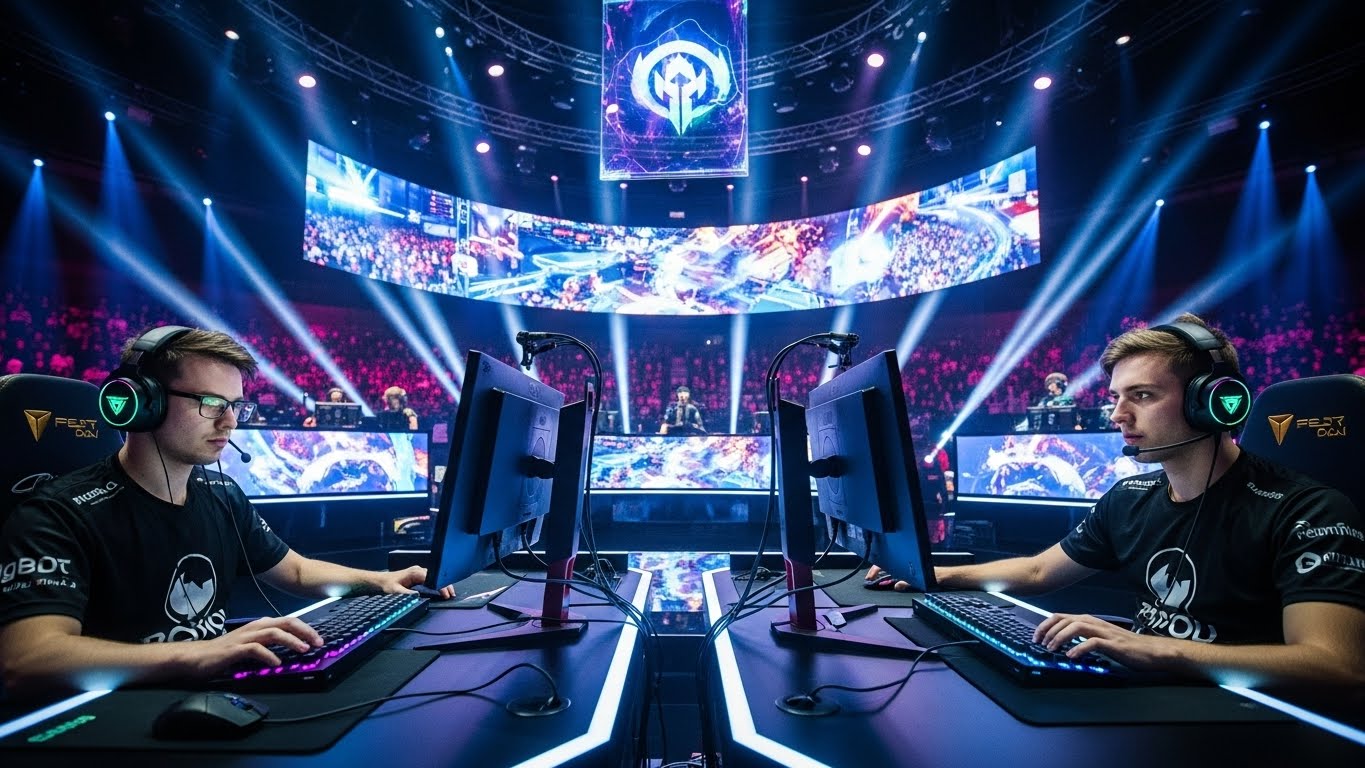
Technology is the backbone of esports. High-performance computers, gaming peripherals, and ultra-fast internet connections are essential for professional gameplay. Developers continuously update games to ensure balance, introduce new features, and keep competitions fair.
Streaming platforms have revolutionized how esports is consumed. Fans can watch live matches, interact with players through chats, and even participate in online events. Advanced broadcasting tools, including live commentary, instant replays, and interactive overlays, enhance the viewing experience. Emerging technologies like virtual reality and augmented reality are expected to further transform competitive gaming, creating immersive experiences for both players and audiences.
Mental and Physical Demands of Esports
Contrary to popular belief, esports requires a high level of mental and physical discipline. Players must maintain sharp focus, quick reflexes, and precise decision-making under pressure. One moment of lapse can determine the outcome of a match, making mental resilience a critical factor for success.
Physical well-being is equally important. Long hours of practice can lead to repetitive strain injuries, eye strain, and postural issues. Professional teams often incorporate fitness routines, ergonomic training, and mental health support to ensure players remain healthy and perform at their best. Balancing physical and mental wellness is essential for sustained success in competitive gaming.
Community and Cultural Impact
Esports has cultivated a unique global community. Players and fans connect across continents, sharing strategies, celebrating victories, and learning from defeats. Online forums, social media platforms, and streaming channels facilitate interaction and create a sense of belonging.
The culture of esports values skill, creativity, dedication, and fair play. Unlike traditional sports, esports communities are highly interactive, with fans having direct access to players and teams. This engagement has fostered a passionate, inclusive, and collaborative culture that continues to grow as the industry expands.
Economic Influence of Esports
Esports has become a major economic force. Revenue is generated through tournament prize pools, sponsorships, advertising, merchandise, and media rights. Large corporations recognize esports as a powerful marketing platform, especially for younger, digitally native audiences. Investment in esports continues to increase, fueling further growth and innovation.
Hosting international esports events boosts local economies by creating employment, attracting tourism, and increasing visibility. Event production, content creation, and gaming infrastructure contribute to economic activity beyond the players themselves. The industry’s financial scale rivals some traditional sports, demonstrating its significance as a modern economic sector.
Esports in Education and Skill Development
Esports has made its way into education, challenging traditional perceptions of gaming. Many schools and universities now offer esports programs, scholarships, and competitive teams. These programs teach teamwork, leadership, strategic thinking, communication, and time management.
Students who participate in esports develop valuable cognitive skills, such as problem-solving under pressure and decision-making in dynamic environments. Educational esports initiatives also encourage discipline and resilience, showing that gaming can provide meaningful personal growth and career pathways.
Ethical Challenges in Esports
Despite its growth, esports faces ethical challenges. Issues such as cheating, match-fixing, and unfair practices can undermine trust and credibility. Limited regulation across games and countries complicates enforcement.
Player welfare is another concern. Young players may face burnout, exploitation, and career instability. Organizations must prioritize ethical standards, fair contracts, and mental health support to ensure a sustainable and responsible industry. Addressing these challenges is vital for the long-term success and legitimacy of esports.
Diversity and Inclusion
Esports has the potential to be one of the most inclusive competitive arenas. However, challenges like gender disparity, harassment, and limited representation persist. Initiatives promoting diversity are increasingly important, ensuring that players of all backgrounds feel welcomed and supported.
Fostering inclusion strengthens the esports ecosystem by encouraging wider participation and expanding the talent pool. Diverse representation in professional teams and communities enhances creativity, collaboration, and innovation within the industry.
The Global Reach of Esports
Esports is inherently global. Players compete across continents, and fans follow teams from anywhere in the world. International tournaments bring together different cultures, promoting mutual respect and understanding through competition.
Unlike traditional sports, esports does not require physical proximity. Online competition allows talent from remote regions to participate on the world stage, making esports accessible to anyone with the necessary equipment and skills. This accessibility has been instrumental in establishing esports as a truly global phenomenon.
The Future of Esports
The future of esports promises continued growth, innovation, and cultural significance. Advancements in technology, including virtual reality, cloud gaming, and artificial intelligence, are expected to redefine how games are played and consumed.
Social responsibility will also shape esports’ trajectory. Mental health support, ethical regulation, and inclusivity initiatives will become increasingly important. As esports becomes more integrated into mainstream culture, it will redefine competition, entertainment, and professional development in the digital era.
Conclusion
Esports has evolved from casual gaming to a structured, professional, and globally recognized industry. It combines skill, strategy, technology, and community engagement in ways that traditional sports cannot replicate. Through professionalization, cultural impact, and economic significance, esports has redefined modern competition.
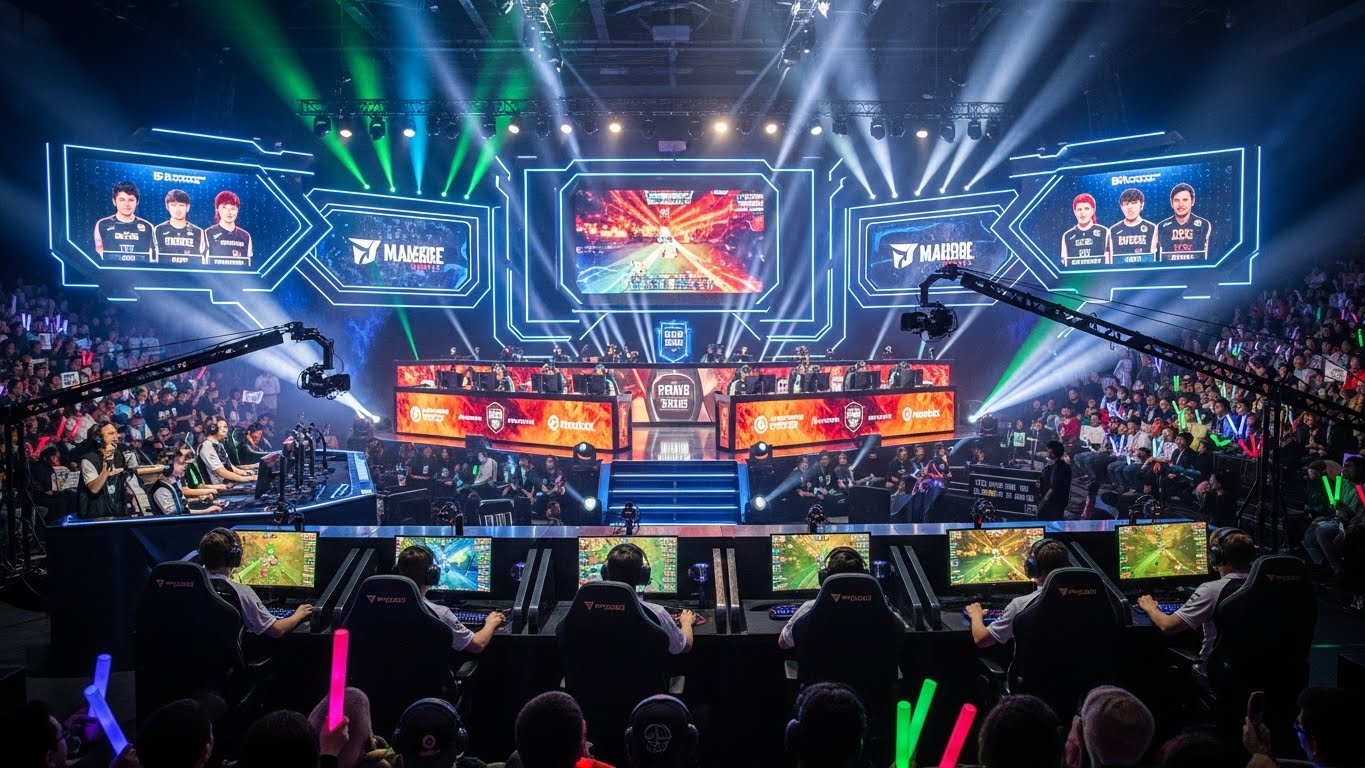
While challenges such as ethics, diversity, and player welfare remain, the industry continues to grow, innovate, and inspire. Esports is not just about winning games; it is about building communities, developing skills, and creating opportunities on a global scale. From humble beginnings to international stadiums and digital arenas, esports has proven that competitive gaming is here to stay and will continue shaping culture, society, and technology for years to come.