championplay05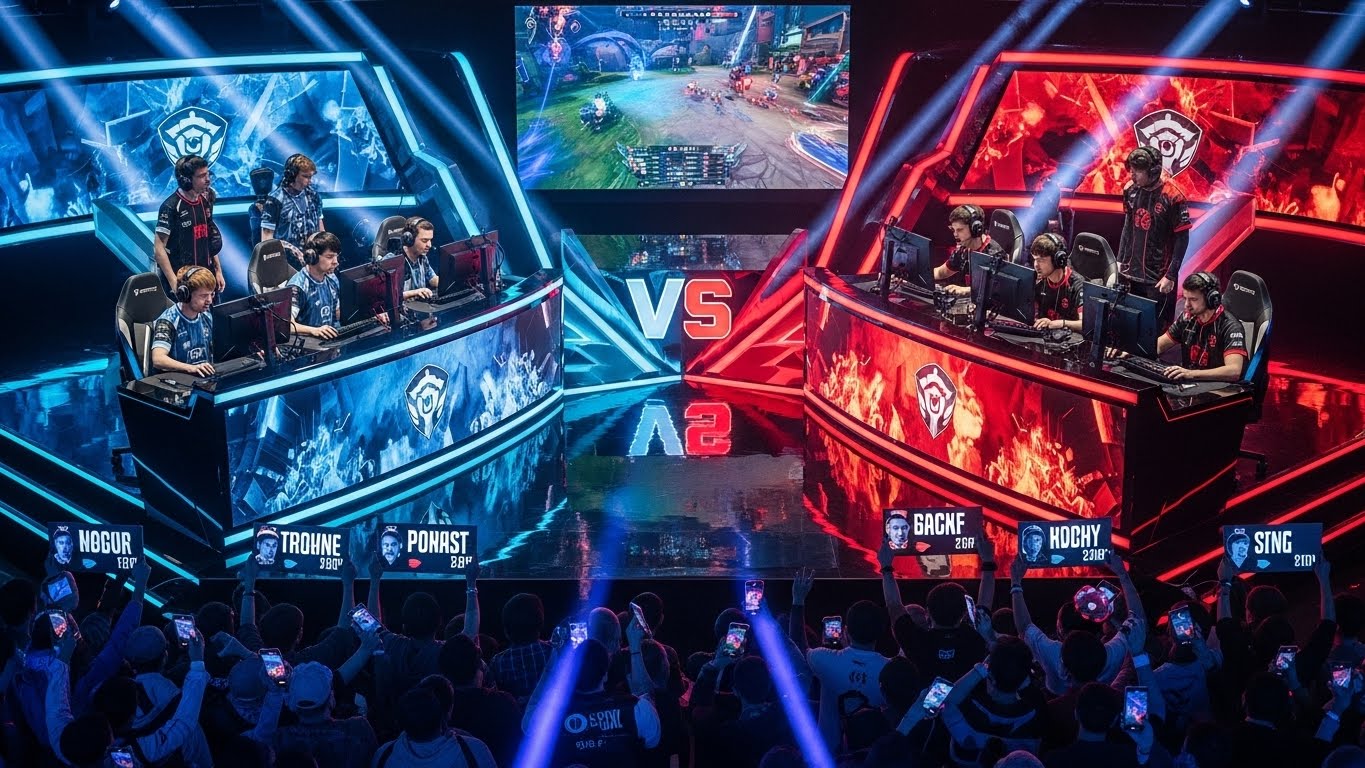
The world of competitive gaming, commonly known as esports, has grown exponentially over the past two decades. What started as casual multiplayer gaming in small communities has now transformed into a global industry, attracting millions of players, fans, and investors. Esports is no longer just a hobby; it is a professional pursuit, a cultural movement, and a platform for innovation. This blog explores the growth of esports, its impact on individuals and society, the career opportunities it offers, and its potential for the future.
The Emergence of Esports
Esports traces its roots back to the late 20th century when arcade competitions and early console tournaments became popular. Games like Pac-Man, Street Fighter, and Super Mario garnered competitive followings, while small-scale tournaments introduced players to organized competition. However, the true surge of esports began with the rise of online gaming. Titles such as StarCraft, Counter-Strike, and Warcraft paved the way for professional play and international competitions.
The availability of high-speed internet and multiplayer platforms enabled players from different countries to compete in real time. This connectivity laid the foundation for esports as a global phenomenon, bridging cultural and geographic divides through shared gaming experiences.
Understanding the Structure of Esports
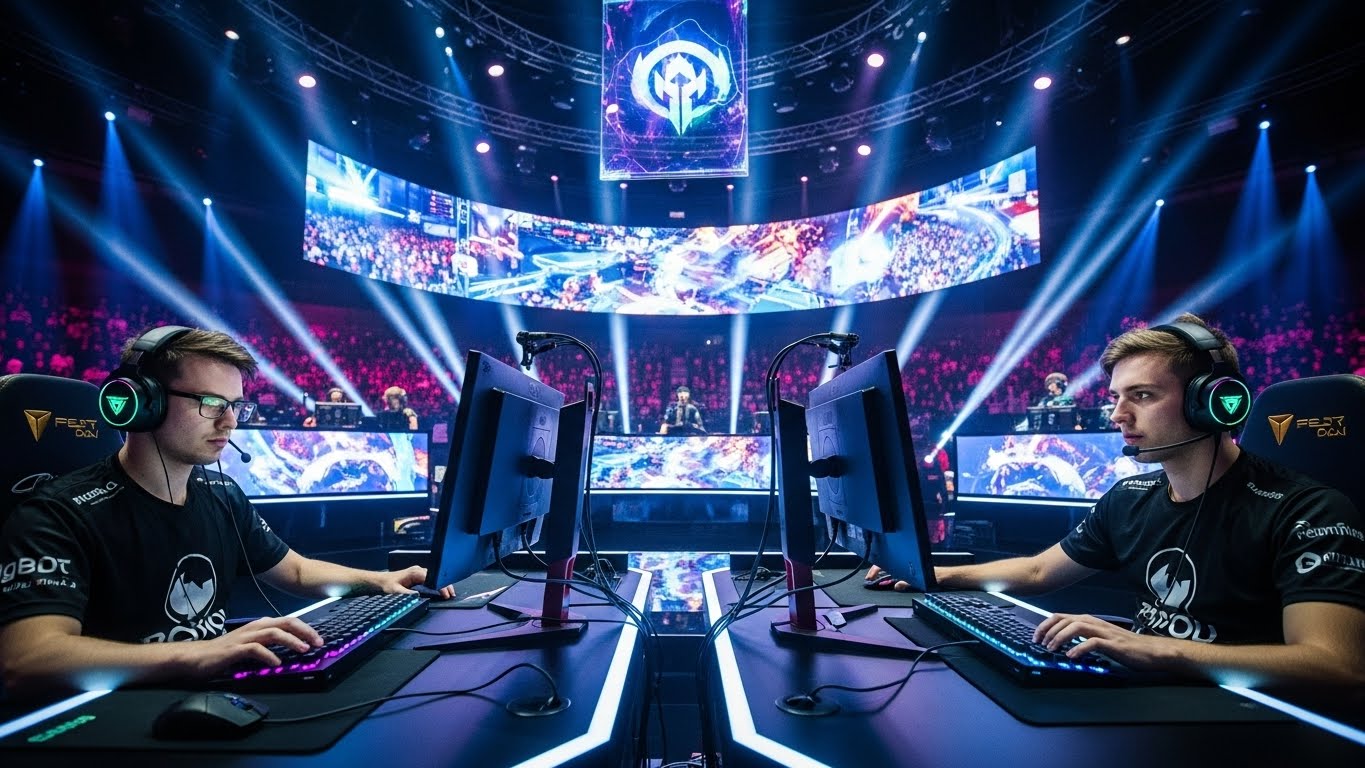
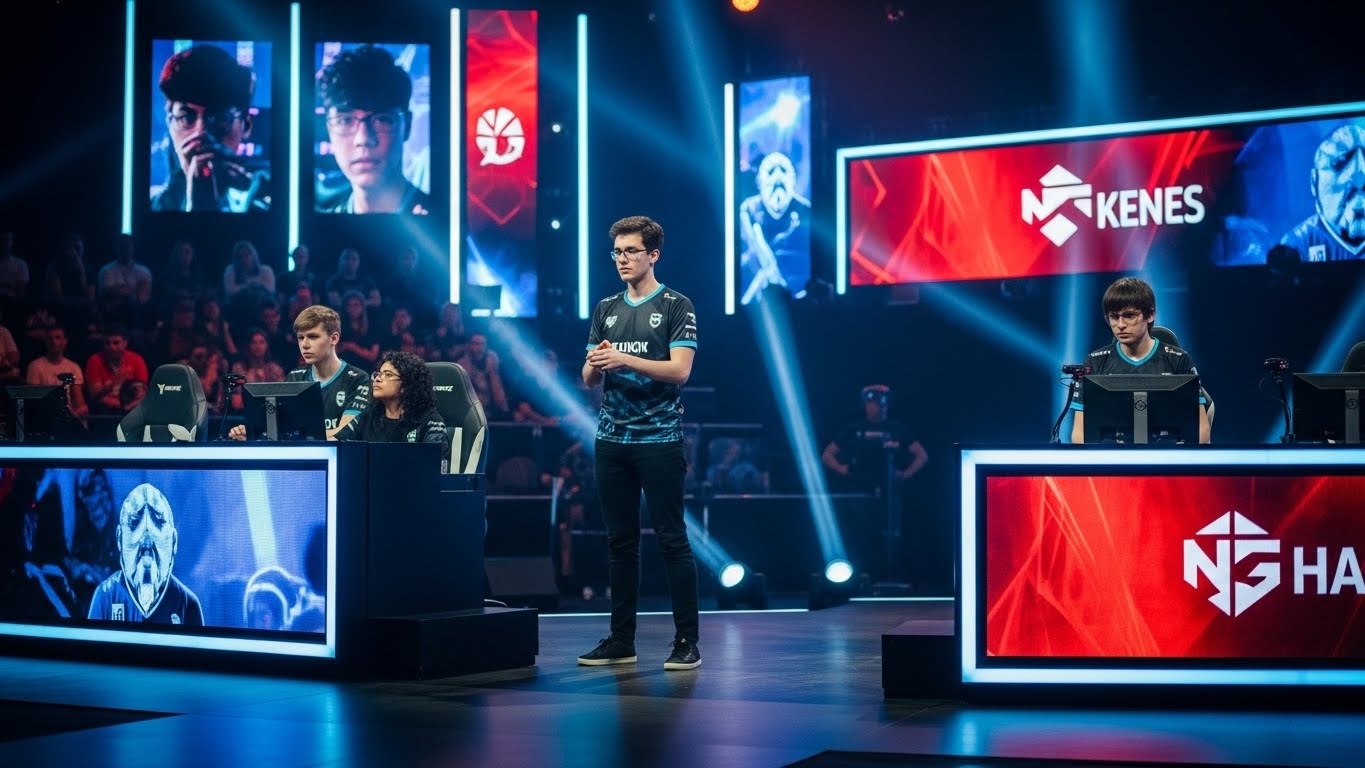
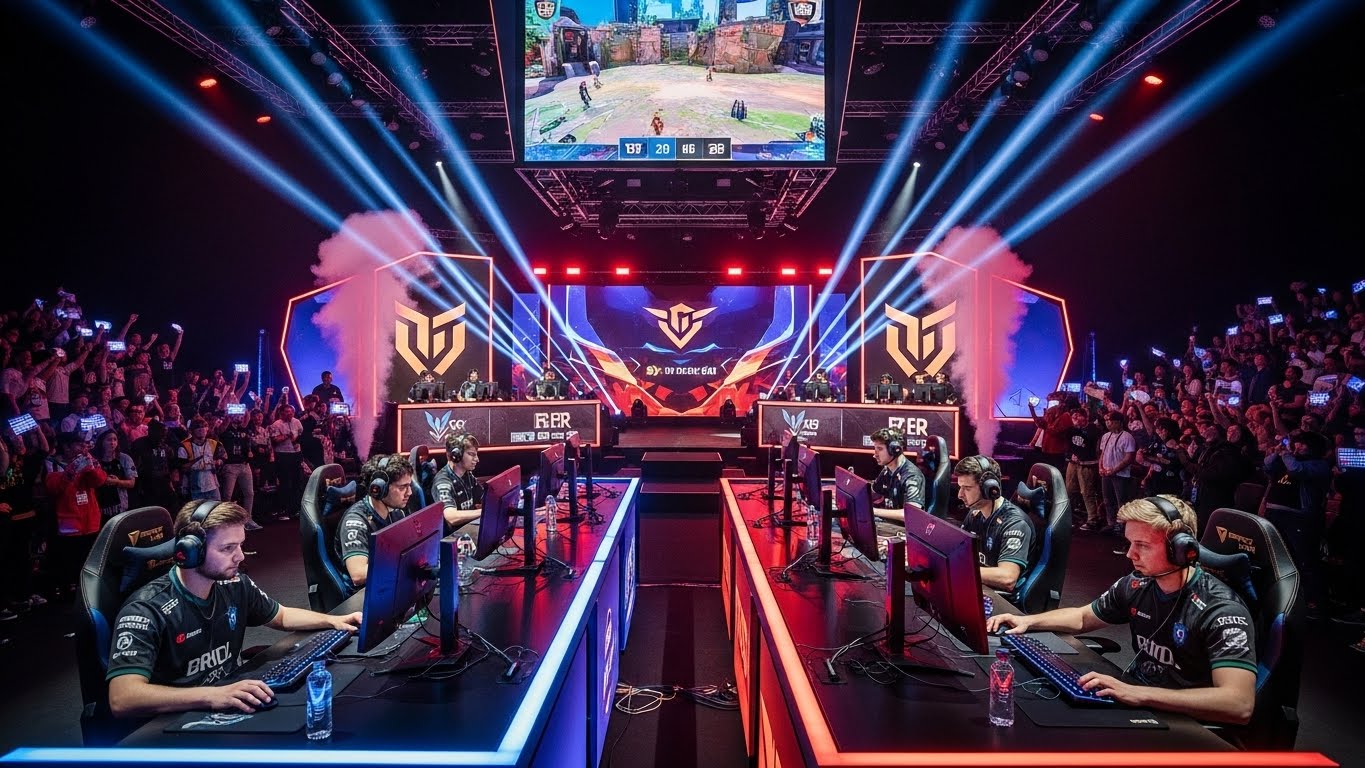
Esports operates much like traditional sports, with structured teams, leagues, tournaments, and governing rules. Professional players belong to teams that practice for hours each day, analyzing strategies and developing teamwork. Tournaments can range from small local competitions to global events with millions of spectators.
Games featured in esports include real-time strategy, first-person shooters, battle royale, and sports simulations. Each game type demands specific skills, coordination, and strategy. Unlike traditional sports, the digital nature of esports allows instant replay analysis, online streaming, and interactive fan engagement, creating a unique competitive ecosystem.
The Skills Required to Excel
Success in esports demands a combination of technical skill, mental agility, and teamwork. Hand-eye coordination, quick reflexes, and precise control are essential for executing complex maneuvers during high-pressure matches. Players must also think strategically, anticipate opponents’ moves, and make split-second decisions.
Equally important is mental resilience. Professional esports players face intense competition, public scrutiny, and high-stakes environments. The ability to remain calm under pressure, learn from mistakes, and stay motivated through setbacks is critical for long-term success.
Physical and Mental Challenges in Esports
Though esports may appear physically inactive, it presents unique health challenges. Long hours of gameplay can lead to repetitive strain injuries, vision strain, and posture-related issues. Many professional players now incorporate physical fitness routines, stretching exercises, and ergonomic practices to maintain their health and enhance performance.
Mental health is another essential aspect. The pressure to perform consistently, combined with social media scrutiny and the fear of failure, can result in stress and burnout. Many teams employ sports psychologists to support players, emphasizing mental resilience, focus, and work-life balance.
Global Influence of Esports
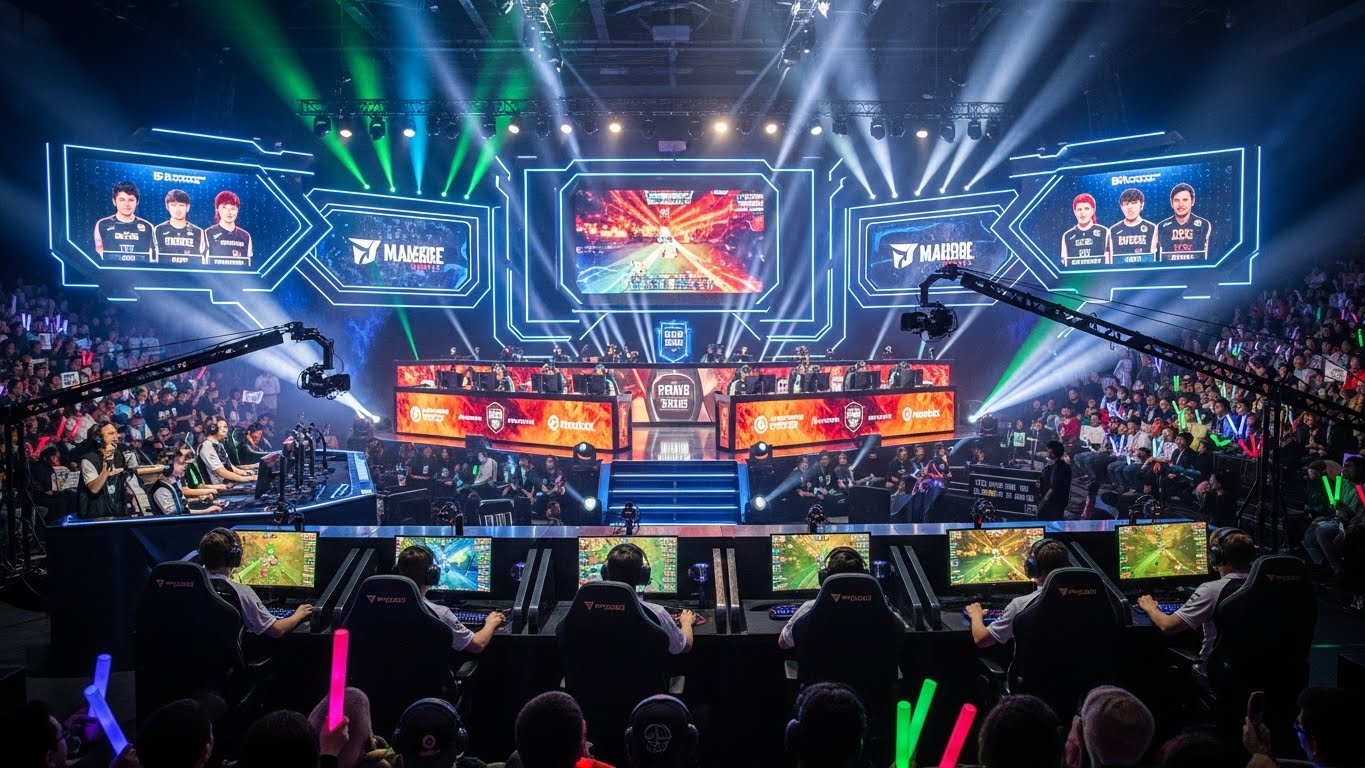
Esports has a profound global impact, influencing culture, economics, and technology. International tournaments draw millions of viewers, rivaling traditional sporting events in popularity. Fans follow competitions online, participate in discussions, and engage in community events, creating a worldwide network of enthusiasts.
Economically, esports generates revenue through sponsorships, merchandise, broadcasting rights, and advertising. Cities hosting large tournaments experience increased tourism and local business growth. Additionally, the rise of esports content creation, streaming, and coaching has created new career opportunities and diversified the industry.
Esports in Education
Educational institutions are recognizing esports as a legitimate avenue for student growth. Schools and universities offer scholarships for talented players, develop varsity esports teams, and integrate gaming into curricula to teach strategic thinking, teamwork, and digital literacy.
Esports education emphasizes discipline, communication, and leadership skills. Furthermore, it promotes inclusivity by allowing students of different physical abilities, backgrounds, and interests to compete on equal footing. Participation fosters confidence, creativity, and problem-solving skills that extend beyond gaming.
The Role of Streaming and Digital Platforms
Streaming platforms are central to the growth of esports. Live broadcasts of tournaments allow fans to watch, interact, and follow players in real time. Platforms provide opportunities for emerging talent to gain exposure and connect with global audiences.
Content creation further supports the industry. Players and teams share tutorials, gameplay analysis, and behind-the-scenes content, expanding their reach and creating revenue streams. Advertising, sponsorships, and fan support contribute significantly to the sustainability of esports careers.
Women in Esports
Esports has traditionally been male-dominated, but women are increasingly making their mark. Female players, commentators, and influencers are gaining recognition, breaking barriers and inspiring future generations. Organizations are promoting gender equality by creating inclusive tournaments, mentorship programs, and safe online communities.
Encouraging diversity strengthens the competitive landscape and broadens the appeal of esports. Female participation demonstrates that esports values skill, strategy, and dedication above all else, making it a platform where talent can thrive regardless of gender.
The Business Side of Esports
The business of esports has grown into a multi-billion-dollar industry. Professional teams, sponsors, and event organizers generate revenue through tournament winnings, merchandise sales, media rights, and advertising deals. Brands are increasingly investing in esports to reach younger audiences and enhance their marketing strategies.
Professionalization has become a priority. Standardized contracts, player unions, and league regulations ensure fair play, protect player rights, and attract investors. This structure mirrors traditional sports and ensures long-term sustainability.
Career Opportunities in Esports
Esports offers diverse career paths. Players can pursue professional competition, coaching, or analysis. Others contribute behind the scenes as event organizers, marketers, content creators, or broadcasters. Skills developed through esports, such as strategic thinking, teamwork, and digital proficiency, are highly transferable to other industries.
While active competitive careers may be short, many professionals transition into coaching, commentary, or management roles, ensuring longevity and continued involvement in the industry.
The Future of Esports
The future of esports is promising, with technological advancements set to transform the field. Virtual reality, augmented reality, and artificial intelligence will enhance gameplay, training, and audience engagement. New genres and immersive experiences will continue to expand the scope of competition.
Esports is also gaining recognition as a legitimate professional sport in several countries. Global tournaments, national teams, and government support highlight its increasing credibility. The industry is poised to become a central part of entertainment, culture, and professional sports worldwide.
Social and Cultural Significance
Esports has reshaped modern culture, connecting millions through digital communities. Fans engage in tournaments, online discussions, and fan-created content, fostering a sense of belonging. Esports also provides a platform for storytelling, community building, and global collaboration.
Culturally, esports challenges traditional ideas of competition. It blends creativity, strategy, and digital skills, offering a new form of entertainment that appeals to younger generations and embraces diversity. Its influence continues to grow, redefining what it means to be an athlete in the digital age.
Conclusion
Esports is much more than digital gaming; it is a transformative cultural, economic, and professional phenomenon. It offers opportunities for personal growth, career development, and global connectivity. By combining skill, strategy, and technology, esports has created a new kind of competitive arena that transcends traditional boundaries.
From mental and physical challenges to educational programs and professional careers, esports embodies the potential of the digital era. It demonstrates that competition, teamwork, and creativity can thrive in a virtual environment, shaping the future of sports, entertainment, and global culture. The esports revolution is not just a trend; it is the new frontier of competitive excellence.