championplay05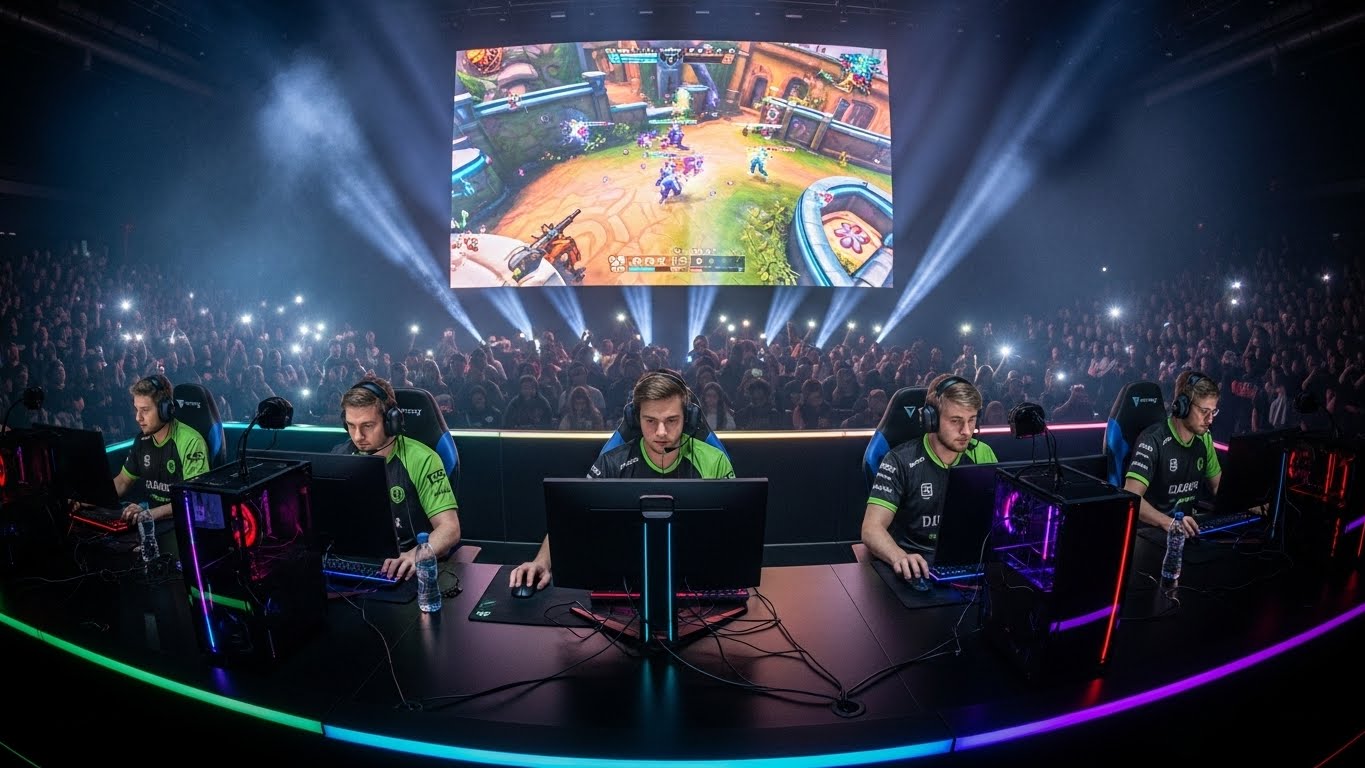
Introduction: The Emergence of a New Sport
In recent years, one of the most significant shifts in the world of sports and entertainment has been the rise of esports. Competitive gaming, once considered a niche hobby, has exploded into a global industry with millions of viewers, professional players, and lucrative sponsorship deals. What started in small LAN parties and arcades has now evolved into a multi-billion-dollar ecosystem, with events streamed to millions of people across the globe. Esports has become a mainstream form of entertainment, attracting attention from major corporations, celebrities, and even traditional sports organizations. But what exactly is esports, and why has it become such a cultural phenomenon?
What Is Esports? Understanding the Basics
Esports, short for electronic sports, refers to competitive video gaming, where players compete against each other in organized tournaments or leagues. These competitions can take place in a variety of video game genres, including real-time strategy (RTS), first-person shooters (FPS), multiplayer online battle arena (MOBA) games, and sports simulations. Popular titles like League of Legends, Counter-Strike: Global Offensive, Dota 2, Fortnite, and Overwatch have become the foundation of the esports world.
The structure of esports competitions is similar to traditional sports. Players or teams compete against each other in tournaments that can be broadcast live, either online or in large stadiums. Many tournaments offer significant prize pools, often reaching into the millions of dollars. In addition to the cash rewards, players and teams also gain fame, sponsorships, and endorsement deals, similar to what athletes in traditional sports experience.
The Growth of Esports: A Global Phenomenon
Esports has experienced exponential growth over the last decade. While its roots can be traced back to the late 1990s and early 2000s, when competitive gaming began to emerge with games like StarCraft and Quake, the real explosion in popularity occurred with the rise of streaming platforms like Twitch and YouTube Gaming. These platforms made it easier than ever for viewers to watch live gameplay and tournaments, which led to an unprecedented surge in the number of fans and participants.
The global reach of esports has been a driving factor in its growth. While countries like South Korea, the United States, and China have long been hubs for competitive gaming, esports has become truly international. Professional leagues and tournaments now take place across the globe, attracting a diverse audience and creating a global ecosystem. Events like The International, a Dota 2 tournament, and the League of Legends World Championship regularly attract millions of viewers, both in person and through online streaming platforms.
As esports has grown, so too has its economic impact. In 2021, the global esports industry was valued at over $1 billion, and projections suggest that it will continue to grow in the coming years. Sponsorships, advertising, media rights, and merchandise sales are the primary revenue streams for the industry. Additionally, esports has led to the creation of new career opportunities, including professional gamers, content creators, streamers, coaches, analysts, and event organizers.
The Role of Streaming and Social Media in Esports
One of the most significant factors contributing to the rise of esports is the role of streaming platforms like Twitch, YouTube Gaming, and Facebook Gaming. These platforms have allowed competitive gamers to broadcast their gameplay to a global audience, transforming them into celebrities in their own right. Some streamers have millions of followers, and their content reaches a massive global audience. This level of accessibility has helped esports gain mainstream appeal.
Streaming platforms provide fans with the opportunity to interact with their favorite players and teams, creating a sense of community and engagement that traditional sports don’t always offer. Fans can comment on live streams, participate in chat discussions, and watch tournaments from anywhere in the world. This interactive experience has helped build a passionate and loyal fanbase for esports, as viewers feel connected to the players they support.
Social media has also played a crucial role in the growth of esports. Platforms like Twitter, Instagram, and Discord provide fans and players with direct channels of communication. Teams and organizations use social media to promote their players, share content, and engage with fans, further solidifying the esports ecosystem as a dynamic, community-driven space.
The Professionalization of Esports
As esports has grown, so has its level of professionalism. Just like traditional sports, esports now features highly organized leagues, coaching staffs, and support teams. Players and teams undergo rigorous training regimens to improve their skills and strategies, and many have dedicated performance coaches, analysts, and psychologists to help them maximize their potential.
Professional esports players are now regarded as elite athletes in their own right. They often practice for hours each day, studying game mechanics, reviewing gameplay footage, and strategizing with their teams. The level of competition in esports is incredibly intense, and only the most skilled and dedicated players rise to the top.
Just like in traditional sports, players can make a career out of esports. They can earn money from tournament prizes, sponsorships, streaming revenue, and merchandise sales. Many esports players are also content creators, sharing their gameplay and experiences on platforms like YouTube and Twitch. The rise of esports organizations, like Cloud9, T1, and FaZe Clan, has also helped professionalize the industry, creating opportunities for players and staff to build careers in a variety of roles.
Esports as a Spectator Sport
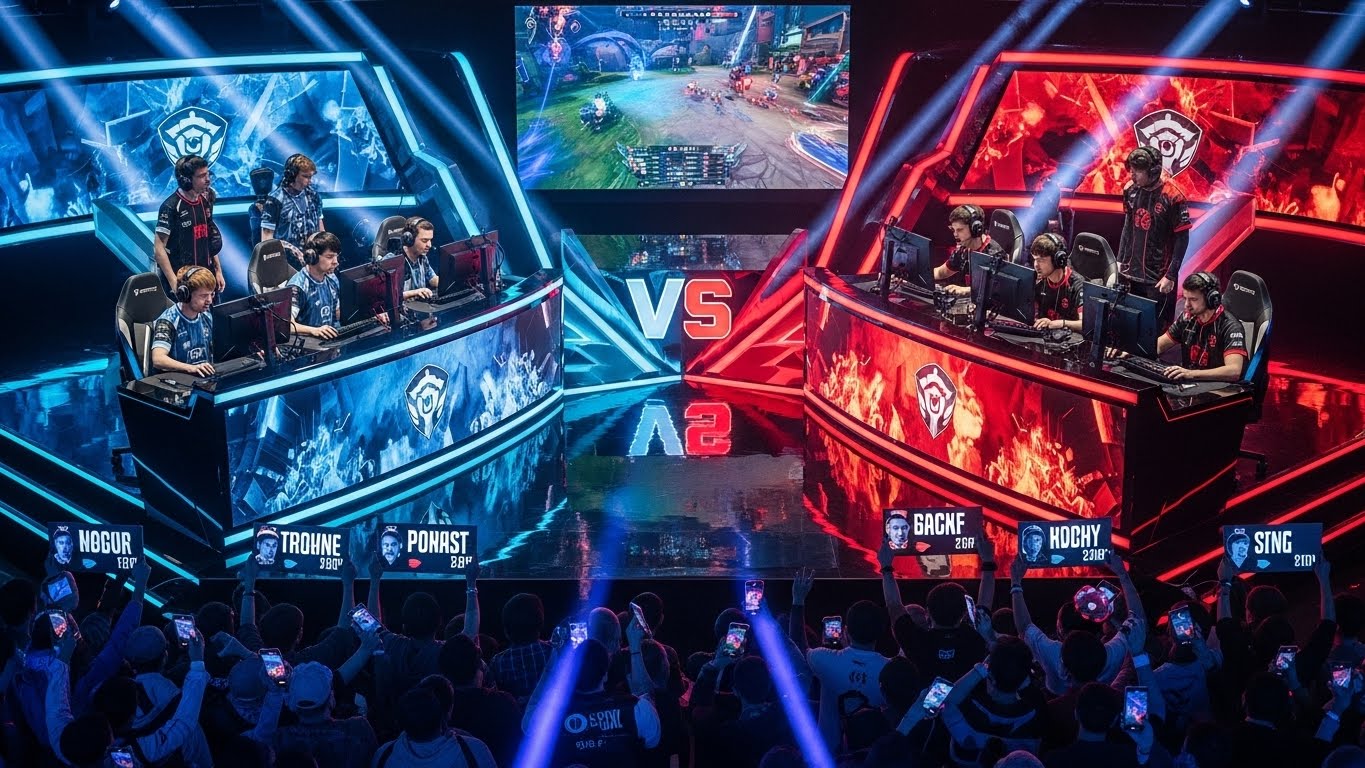
One of the most remarkable aspects of esports is its ability to captivate millions of fans as a spectator sport. Just as people tune in to watch football, basketball, or soccer, esports fans eagerly watch tournaments, cheering for their favorite players and teams. The excitement of esports competitions is similar to traditional sports—every match is filled with moments of tension, strategic brilliance, and dramatic outcomes.
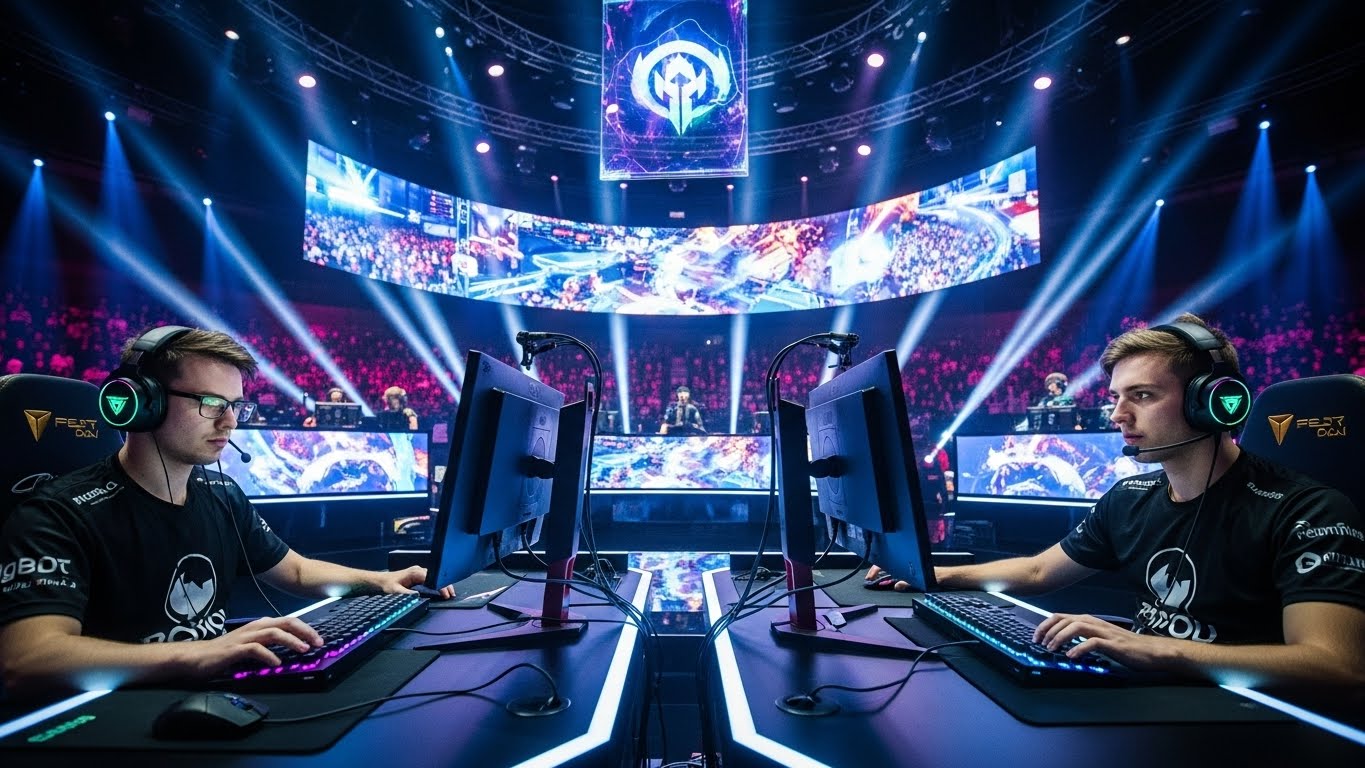
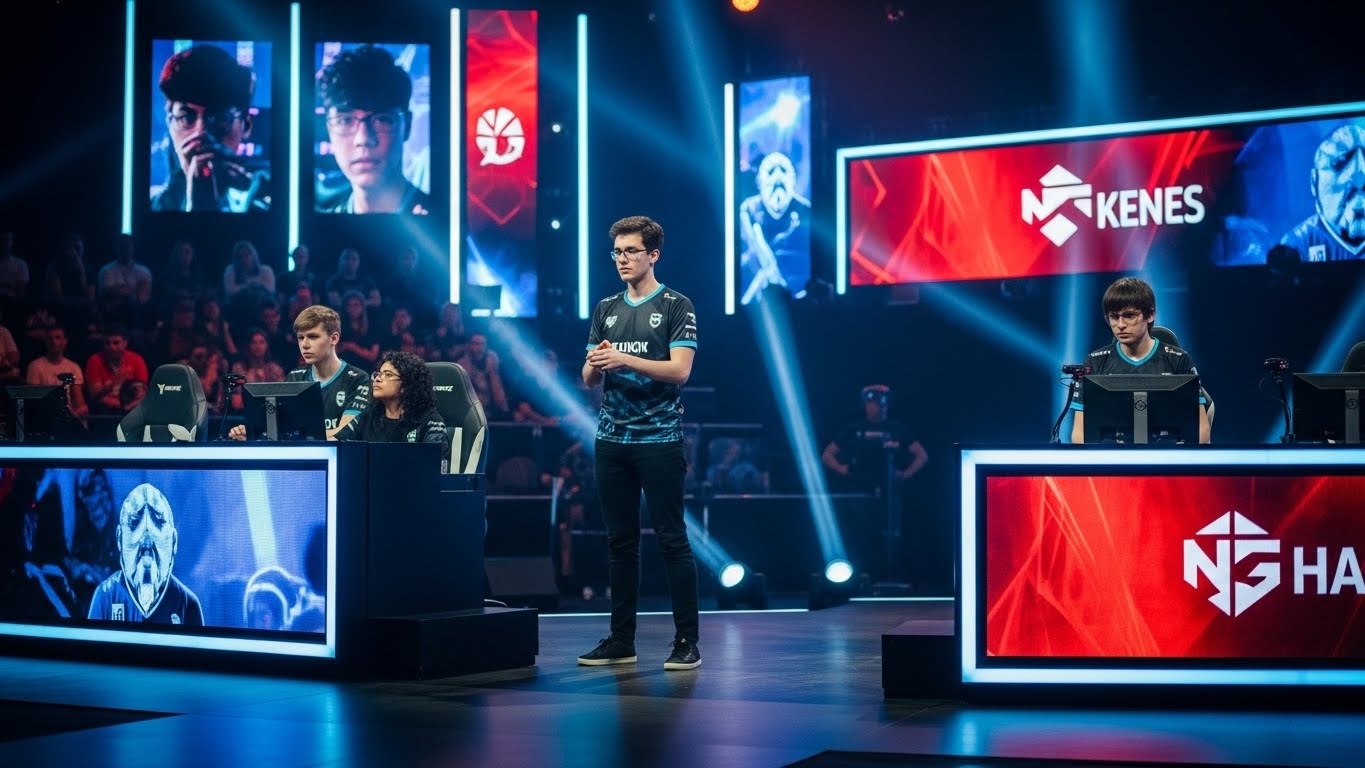
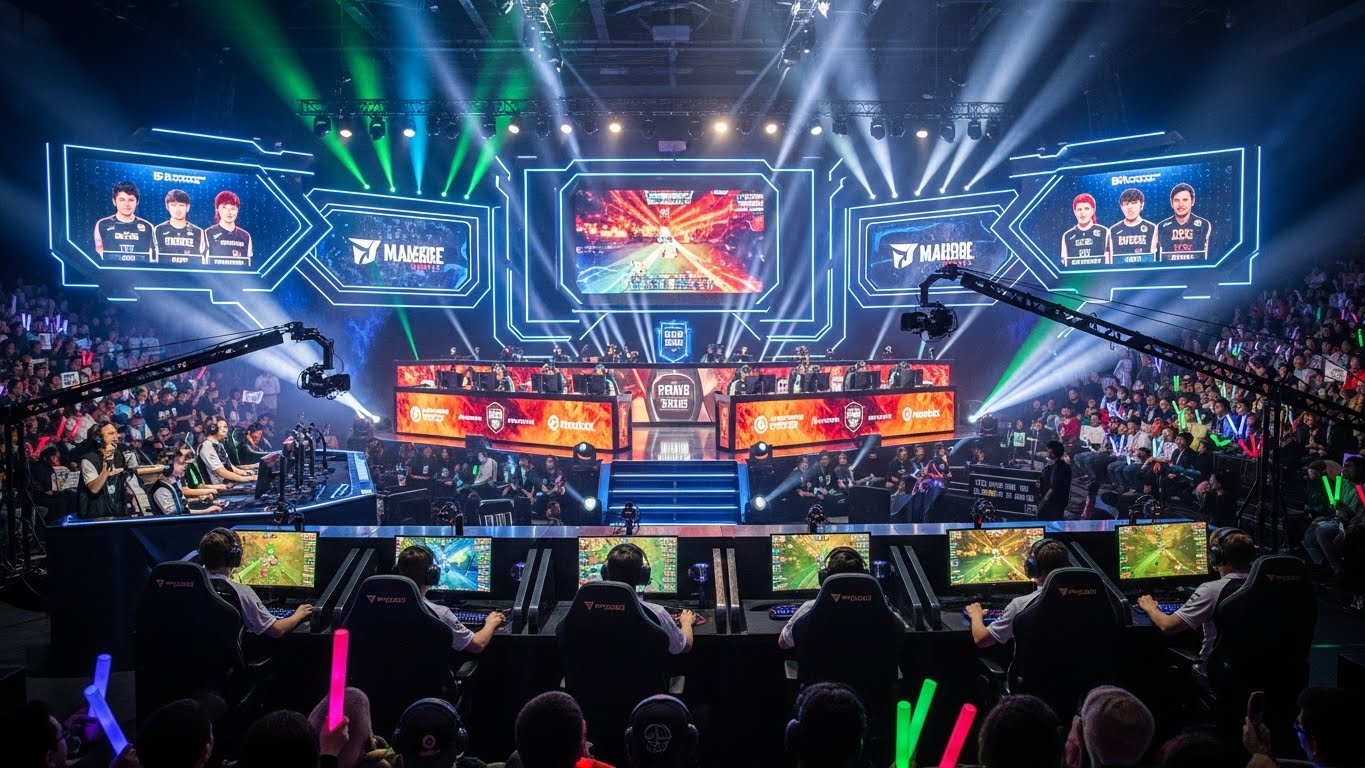
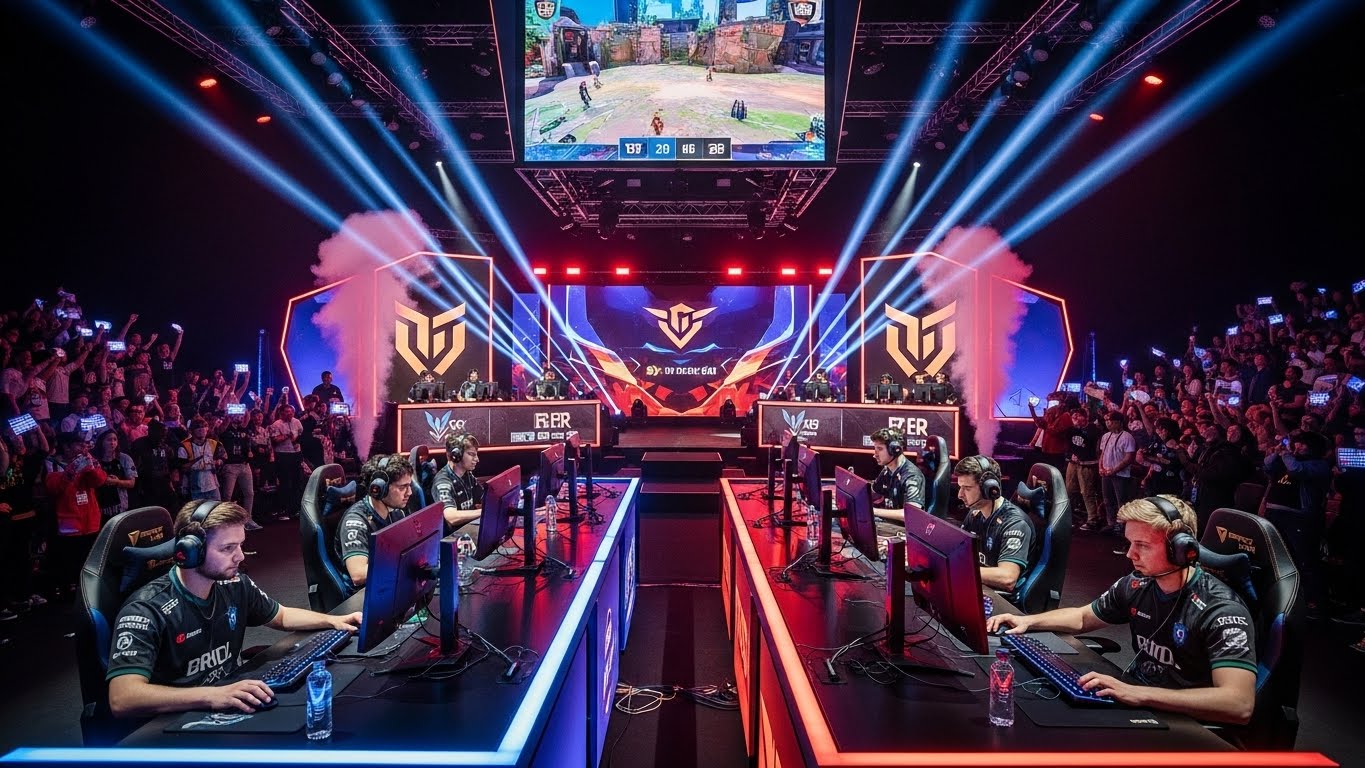
Esports events, particularly major tournaments, are often held in large arenas with thousands of live spectators. These events are broadcasted online, with live commentary, player interviews, and expert analysis, making them accessible to millions of viewers around the world. The production quality of these events rivals that of major sports broadcasts, with high-definition cameras, instant replays, and engaging graphics enhancing the viewing experience.
Esports is also unique in its ability to engage fans beyond the live event. Fans can watch streams of individual players or teams, follow their favorite content creators on social media, and participate in online discussions about games and tournaments. This level of engagement has helped esports become more than just a form of entertainment—it has become a cultural phenomenon.
The Economic Impact of Esports
Esports is not just a hobby for gamers—it’s a thriving industry that generates significant revenue. In addition to player salaries and sponsorships, esports organizations earn money through broadcasting rights, ticket sales, merchandise, and advertising. Major companies like Intel, Coca-Cola, and Red Bull have invested heavily in esports, recognizing its potential to reach a young and engaged audience.
The esports ecosystem is also creating new jobs. Professional players, coaches, analysts, and content creators are just a few of the many roles that exist within the industry. Esports also drives job growth in areas like event management, marketing, media production, and streaming services. The rise of esports has spurred economic growth, particularly in cities that host major tournaments and events.
Esports and Education: The Rise of Esports Scholarships
As esports continues to gain popularity, many schools and universities have begun to offer esports scholarships. These scholarships allow talented gamers to pursue their passion for competitive gaming while receiving a formal education. Esports programs are being established at colleges and universities around the world, offering students the chance to compete at a high level while preparing for careers in the growing esports industry.
In addition to scholarships for players, some institutions offer academic programs related to esports. These programs provide students with the skills and knowledge needed to succeed in the business and management side of the industry, such as event planning, broadcasting, and digital marketing. Esports has, in many ways, become a viable career path for those passionate about gaming, offering opportunities that go beyond just playing professionally.
The Challenges Facing Esports
Despite its rapid growth, esports faces several challenges. One of the most significant issues is the lack of regulation and standardization. Unlike traditional sports, where there are governing bodies that enforce rules and ensure fair play, esports lacks a universal framework. This can lead to issues like cheating, match-fixing, and inconsistent tournament structures.
Another challenge is the need for inclusivity and diversity. While esports has made strides in recent years, the industry is still predominantly male-dominated. Efforts are being made to promote gender equality and create more opportunities for women in esports, but there is still work to be done.
Finally, the sustainability of esports is a concern. The industry is heavily reliant on sponsorships and advertising revenue, and its long-term success will depend on maintaining a healthy relationship with brands and fans. Ensuring that esports remains accessible to a global audience, while also supporting the needs of players and organizations, will be crucial in the coming years.
The Future of Esports: What Lies Ahead
The future of esports looks bright. As technology continues to evolve, esports will likely see even greater advancements in virtual reality (VR) and augmented reality (AR), offering new ways for players and fans to interact with the games. The growth of mobile gaming also opens up new opportunities for esports to reach even wider audiences, as titles like PUBG Mobile and Free Fire gain traction in competitive gaming.
Esports is also expected to continue its integration with traditional sports. Many sports teams and organizations have already invested in esports, with some even forming their own esports divisions. As the line between traditional and digital sports continues to blur, esports will undoubtedly play a larger role in the future of entertainment.