championplay05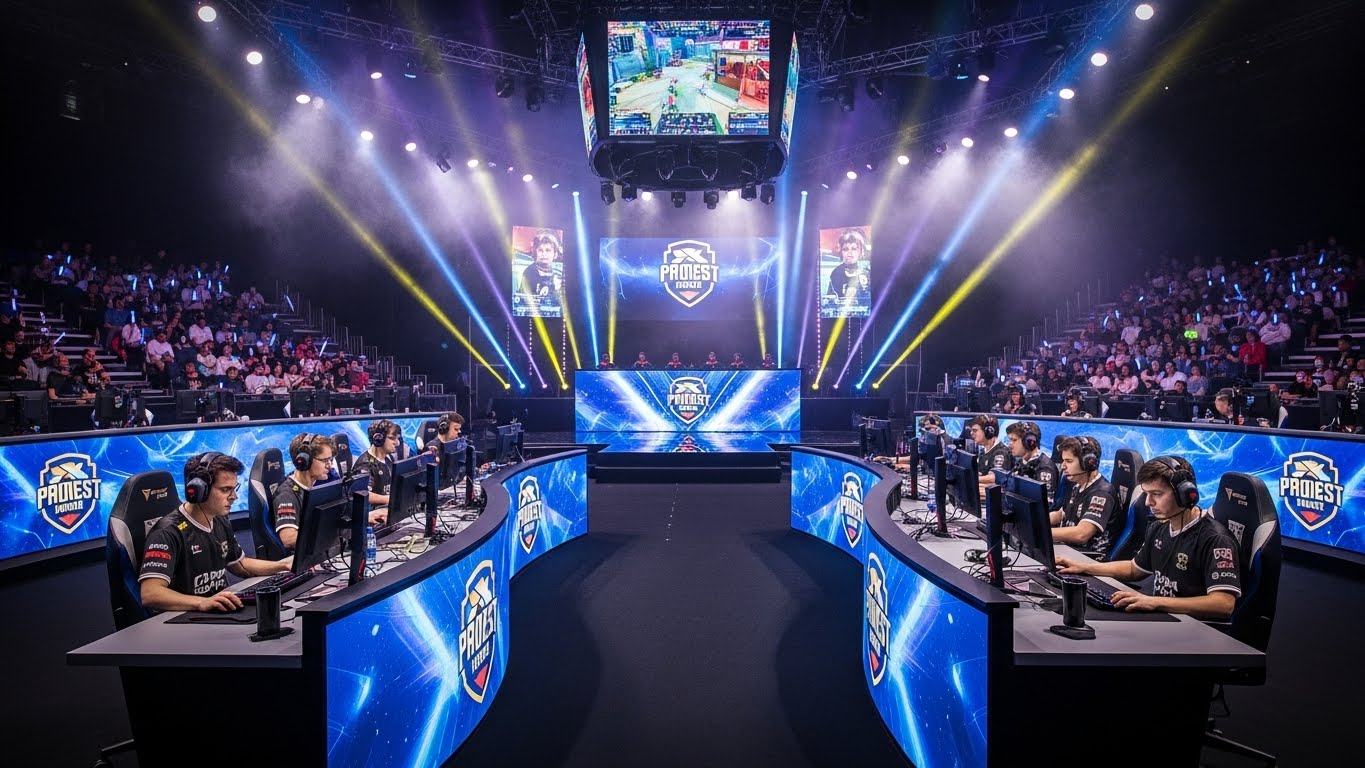
Esports has transformed from a niche hobby into one of the most influential entertainment industries of the modern era. What was once a small community of passionate gamers has grown into a global arena filled with professional athletes, massive tournaments, dedicated fans, and multi-million-dollar investments. Esports is no longer simply playing games; it is a structured, competitive, and highly strategic form of digital sport. This blog explores the history, growth, impact, and future of esports, and how it has reshaped both the gaming world and global entertainment.
The Origins of Esports
The roots of esports stretch back to the early days of video gaming. In the 1970s and 1980s, competitive gaming took place in arcades, where players competed for the highest scores in titles like classic space shooters and platform games. These early competitions were informal but built the foundation for more structured tournaments.
The first significant competitive event often referenced in gaming history was a university-hosted competition in the early 1970s, where players challenged each other in a space-themed video game. While small by today’s standards, it sparked the idea that video games could serve as competitive platforms.
By the 1990s, with the rise of home gaming consoles and personal computers, competitive gaming expanded rapidly. Games such as real-time strategy titles and early first-person shooters introduced multiplayer modes that allowed players to directly challenge one another. Internet connectivity became a key turning point, enabling players across the world to compete without being in the same physical space.
What was once a youthful pastime was slowly becoming an organized form of competition with rules, tournaments, rankings, and recognition. This laid the groundwork for the explosive rise of esports in the 21st century.
The Global Growth of Esports
Esports began gaining massive traction in the early 2000s, with major tournaments emerging across Asia, North America, and Europe. South Korea played a crucial role in shaping the modern landscape of esports. High-speed internet access, gaming culture, and dedicated television coverage helped elevate competitive gaming to national popularity.
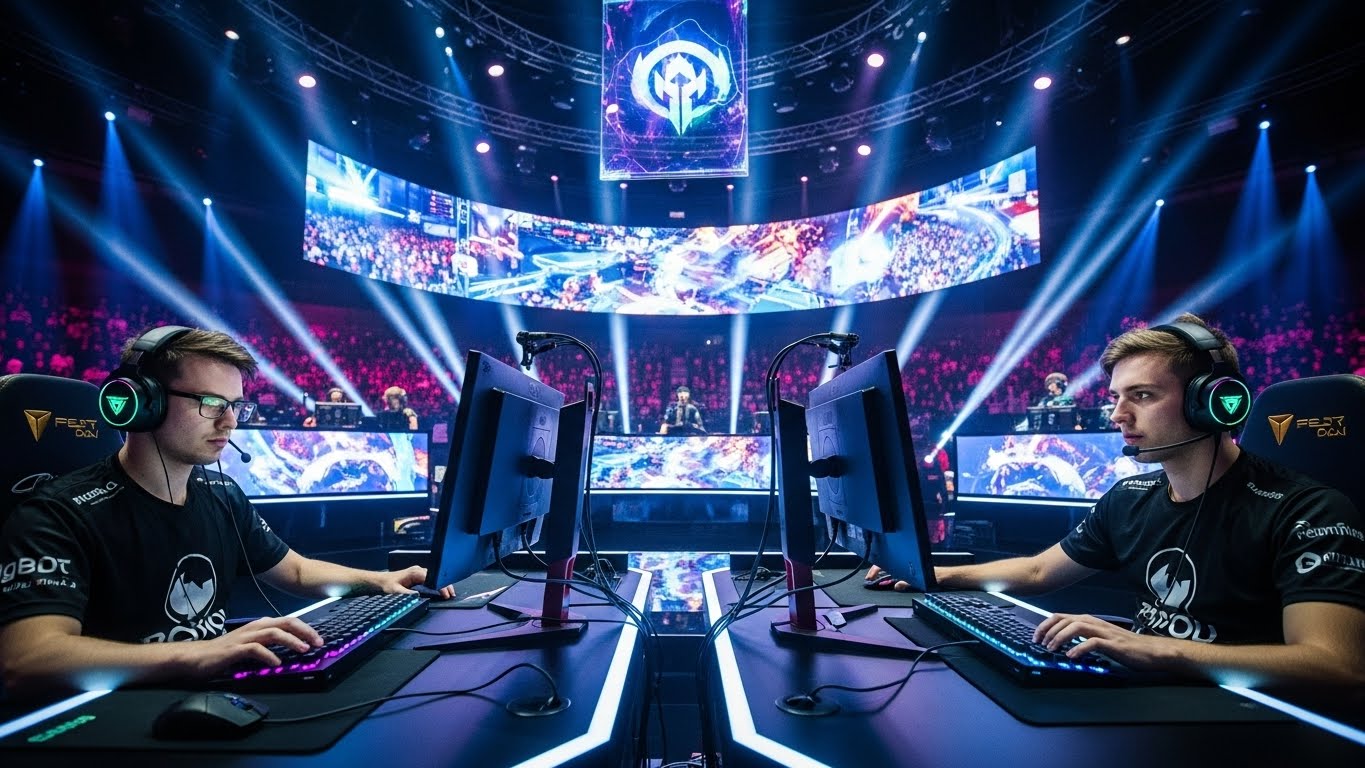
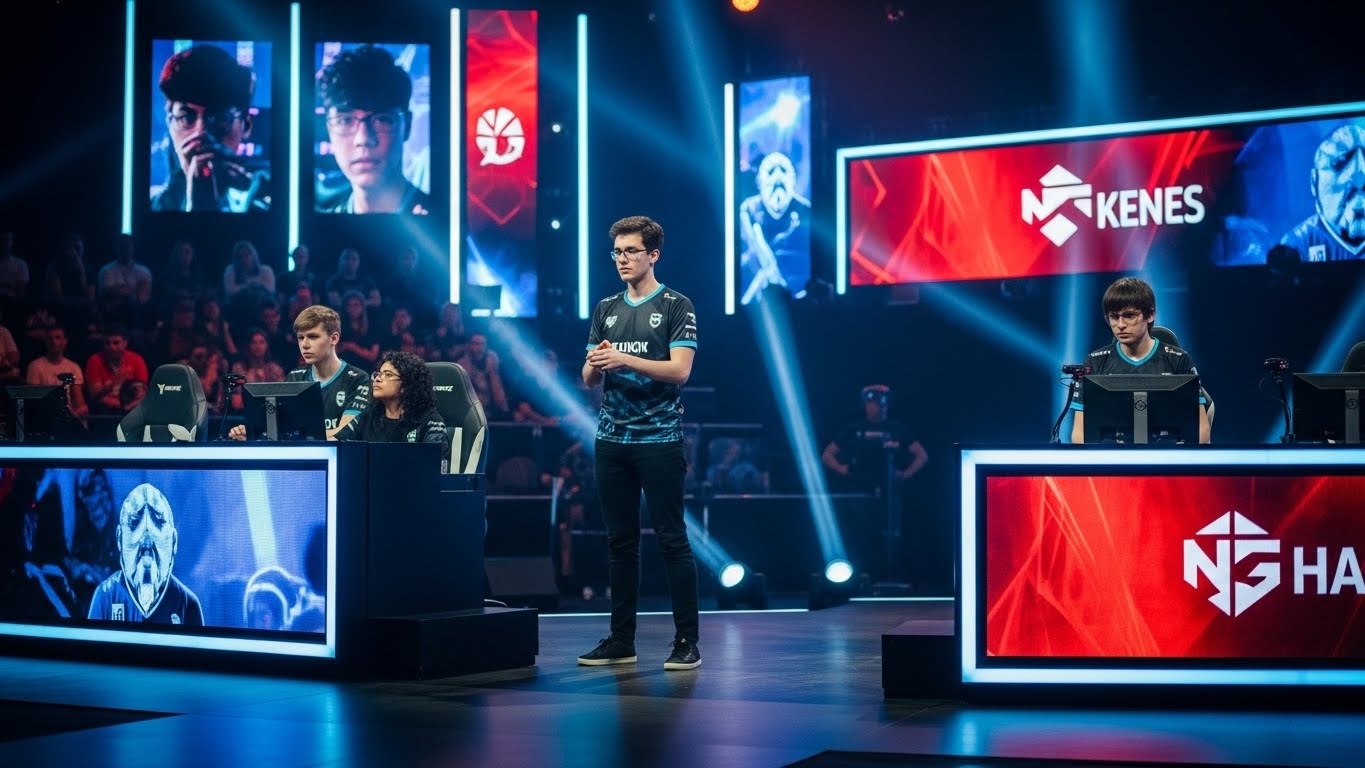
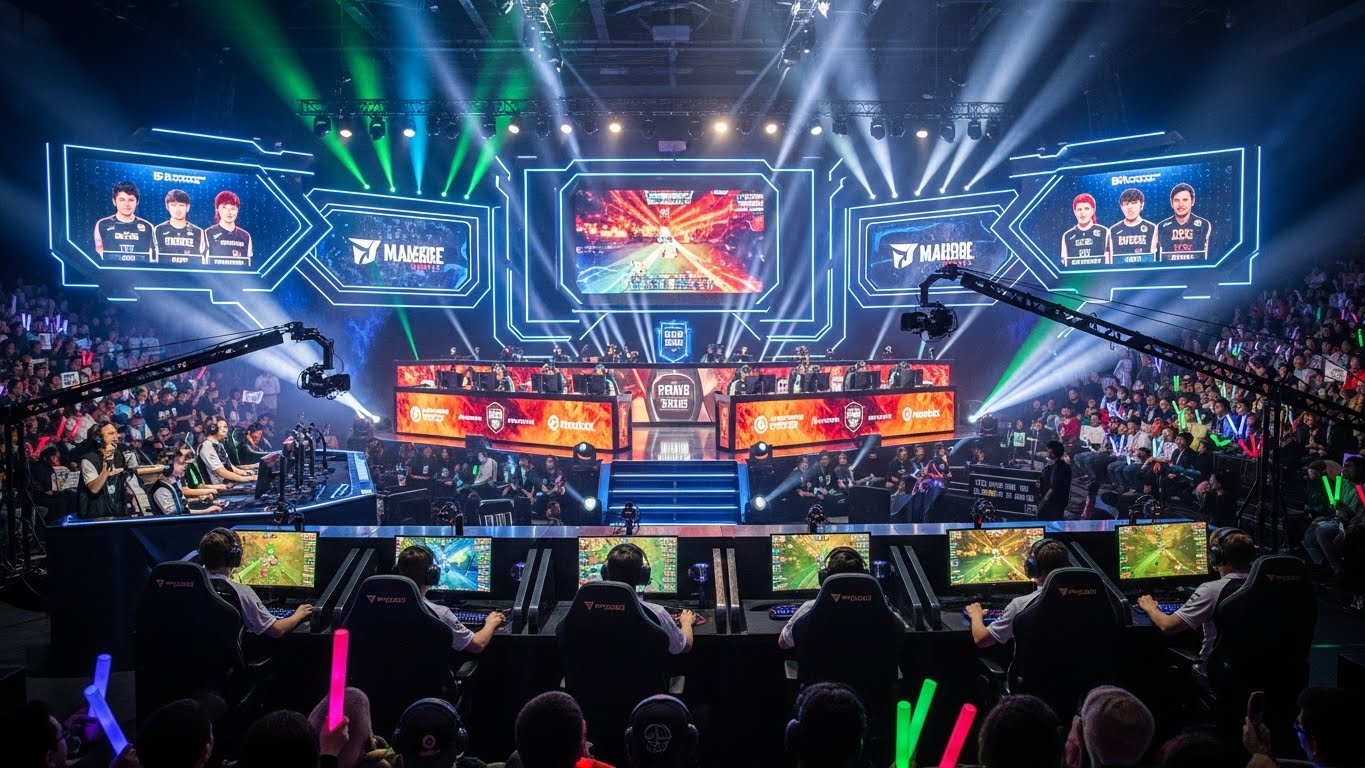
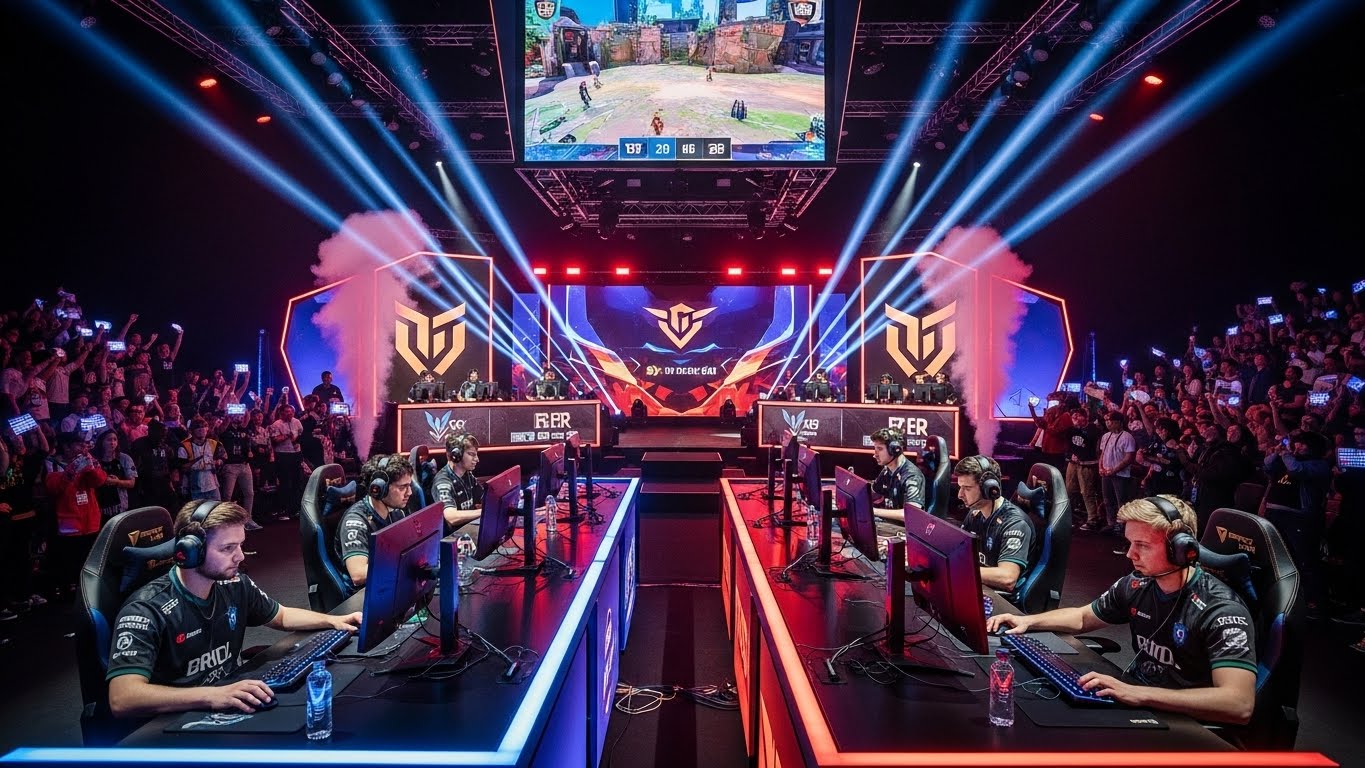
Over time, global tournaments featured larger cash prizes, sponsorships, and professional team organizations. Competitive gaming arenas were filled with spectators cheering for their favorite players just like traditional sports fans. Professional gamers became celebrities, gaining fans, endorsements, and the respect of the global gaming community.
Today, esports is a fully recognized competitive industry with its own leagues, coaches, analysts, training facilities, and media coverage. It has become an essential part of modern entertainment, attracting millions of viewers from all corners of the world.
Popular Esports Genres
Esports consists of multiple game genres, each offering unique gameplay styles and competitive formats. Different genres attract different types of players and fans, giving esports a diverse and vibrant culture.
Real-Time Strategy Games
Real-time strategy games demand quick decision-making, resource management, and tactical thinking. Players must gather resources, build units, and outmaneuver opponents in fast-paced battles. These games are mentally challenging and require intense focus, making them a favorite among competitive gamers who enjoy complex strategy.
Multiplayer Online Battle Arena Games
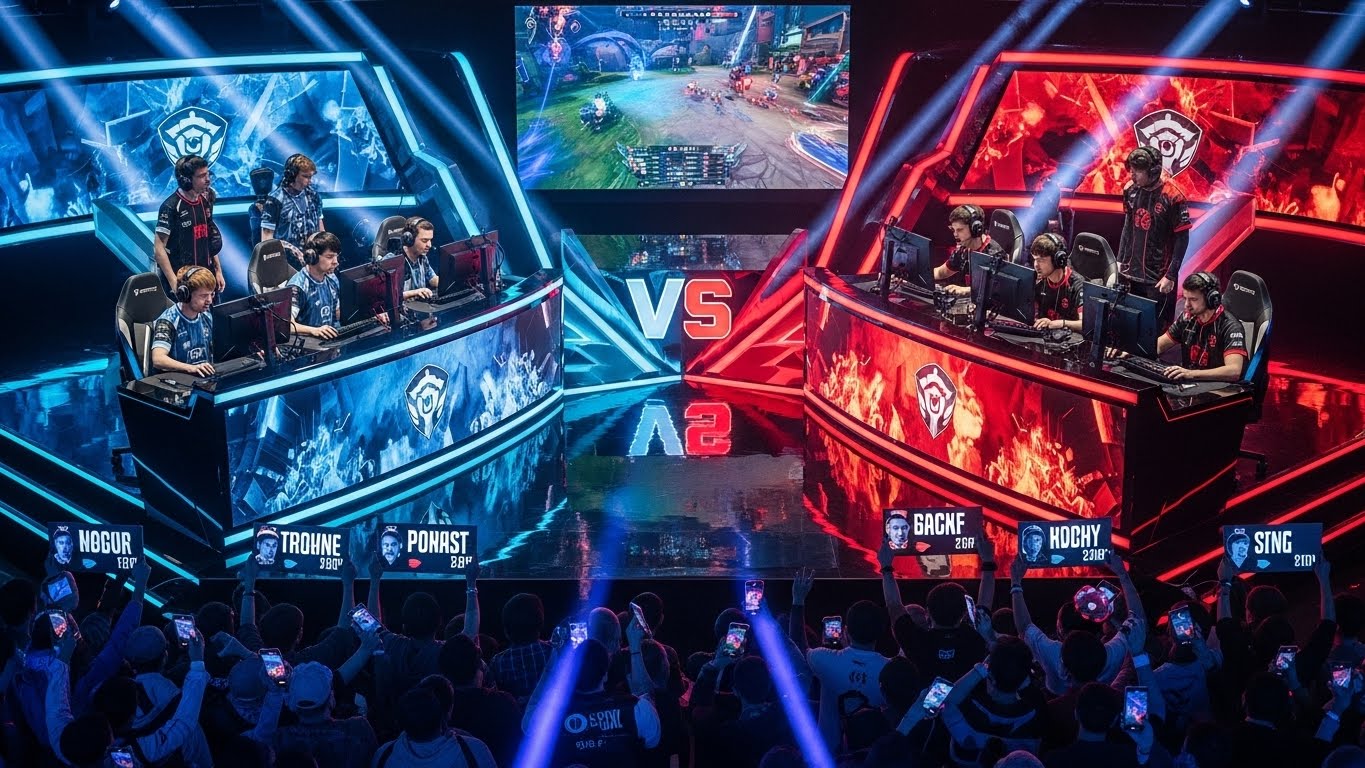
Multiplayer online battle arena games dominate the esports world due to their team-based structure and highly strategic gameplay. These games feature intense five-versus-five matches where players must work together to outplay opponents. They require communication, coordination, and precise execution, making them ideal for professional competition.
First-Person Shooter Games
First-person shooter games focus on accuracy, reflexes, and tactical positioning. Players compete in fast, action-packed matches that require quick thinking and flawless aim. These games have large competitive scenes due to their simple objectives and thrilling gameplay.
Battle Royale Games
Battle royale games have risen to popularity for their survival-centered gameplay. Dozens of players compete in a shrinking battlefield, with only one team or individual emerging victorious. The unpredictability and high intensity of these games make them exciting for both players and viewers.
Sports and Racing Games
Sports and racing games simulate real-world athletic competitions. They offer a familiar and accessible experience, attracting fans of traditional sports who enjoy digital versions of their favorite activities. These games emphasize precision, timing, and skill, making them competitive in their own right.
The Structure of Professional Esports
Modern esports mirrors traditional sports in many ways. Professional players are part of organized teams, each with coaching staff, analysts, trainers, and management. Teams often live in shared training facilities where they practice daily, review gameplay strategies, and prepare for competitions.
Major tournaments follow structured formats such as leagues, playoffs, and championship finals. Competitive seasons last several months, with teams traveling internationally to participate in events.
Esports organizations also partner with sponsors and brands, while players sign contracts that outline salary, performance expectations, and conduct. The level of professionalism in esports continues to grow as the industry matures.
The Appeal of Esports
Esports has become popular for several reasons, each contributing to its rapid global success.
Accessibility
Anyone with a computer or gaming console can participate in esports at some level. Unlike traditional sports, esports does not require specific physical conditions, expensive equipment, or access to special facilities. This accessibility allows players from diverse backgrounds to pursue competitive gaming.
Entertainment Value
Esports tournaments offer excitement, suspense, and unforgettable moments. Spectators enjoy watching skilled players perform incredible feats, make split-second decisions, and showcase creativity in gameplay. Live commentary, analysis, and dramatic matchups add to the entertainment experience.
Community and Culture
Esports brings together millions of fans worldwide who share a passion for gaming. Online communities thrive with discussions, fan art, tutorials, and strategy guides. Fans support teams with loyalty similar to traditional sports, creating a culture filled with enthusiasm and shared identity.
Opportunities for Players
Esports provides opportunities for players to compete professionally, earn income, and build a career. Many players begin in amateur leagues before working their way up to professional teams. Success in esports can lead to sponsorships, content creation careers, and long-term opportunities in the gaming industry.
The Challenges Facing Esports
As esports grows, it faces challenges that must be addressed for the industry to remain healthy and sustainable.
Player Health
Professional gamers often practice for many hours each day, which can lead to physical and mental health concerns. Eye strain, wrist injuries, and burnout are common issues. Teams and organizations increasingly emphasize wellness programs, exercise routines, and balanced schedules to support players.
Competitive Integrity
Maintaining fairness is essential in esports. Concerns include cheating, match manipulation, and software exploits. Developers and tournament organizers work continuously to enforce strict rules, use anti-cheat systems, and promote transparency.
Financial Sustainability
Although esports generates enormous revenue, not all teams and players benefit equally. Smaller organizations may struggle financially, and some players face unstable career paths. As the industry grows, more balanced financial structures are needed to support long-term stability.
Public Perception
Esports continues to fight misconceptions about gaming and competitive digital sports. Some people do not yet view esports as a legitimate form of athletic competition. However, increased visibility, media coverage, and academic interest are helping shift public opinion.
The Future of Esports
Esports continues to expand, driven by technological innovation, global interest, and growing investment.
Virtual Reality Competitions
Virtual reality may introduce new forms of competitive gaming that blend physical movement with digital interaction. These competitions will offer immersive experiences unlike anything seen before.
Youth Training Programs
Esports is increasingly included in educational environments. Schools and universities around the world now offer programs, scholarships, and clubs dedicated to competitive gaming, preparing young players for professional careers.
Bigger Tournaments and Events
As viewership grows, tournaments will become larger, more prestigious, and more widely broadcasted. Esports arenas and stadiums will continue to rise, hosting events that attract thousands of spectators in person.
Integration with Traditional Sports
Traditional sports organizations are investing in esports, recognizing its potential to reach younger audiences. This integration will shape new collaborations, events, and opportunities for players and fans.
Conclusion
Esports has evolved from small gatherings of passionate gamers into a global competitive powerhouse. It blends strategy, teamwork, and skill into a dynamic form of digital entertainment enjoyed by millions. With its growing tournaments, dedicated fanbase, and continuous technological advancements, esports has secured its place in modern culture.
The rise of esports represents more than a shift in entertainment; it reflects the changing nature of competition, community, and global connectivity. As technology improves and the industry continues to mature, esports will only expand further, offering endless possibilities for players, fans, and innovators.
Esports is not just the future of gaming—it is the future of competitive entertainment.