championplay05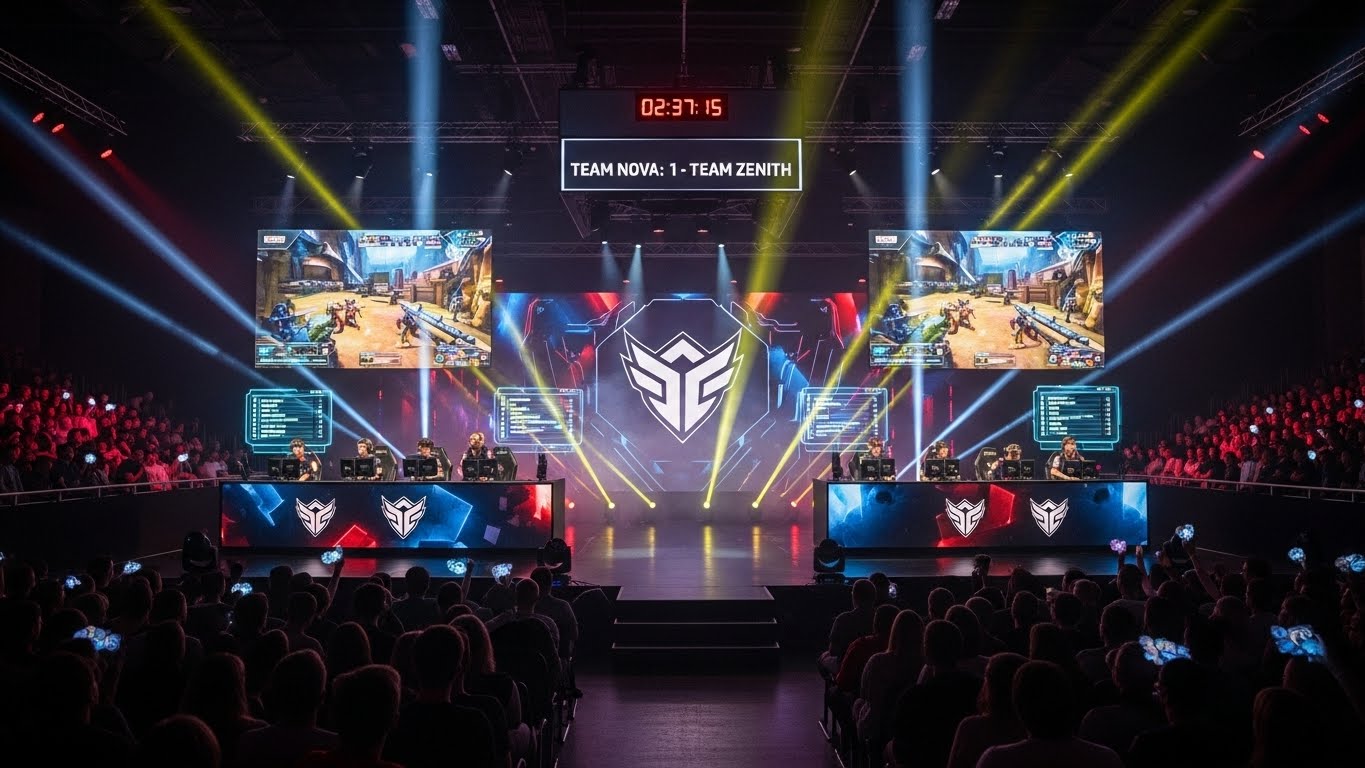
Introduction: The Emergence of Esports
In the past decade, esports has transformed from a niche hobby into a global phenomenon. Competitive gaming, once associated with casual play and entertainment, has grown into a structured, professional industry with millions of fans, professional players, and lucrative sponsorships. Esports transcends age, culture, and geography, offering a platform where skill, strategy, and teamwork are celebrated in virtual arenas. Unlike traditional sports, esports thrives in a digital environment, yet it mirrors many of the same values—dedication, perseverance, and the thrill of competition. As technology evolves and audiences expand, esports continues to redefine what it means to be an athlete in the 21st century.
The Evolution of Competitive Gaming
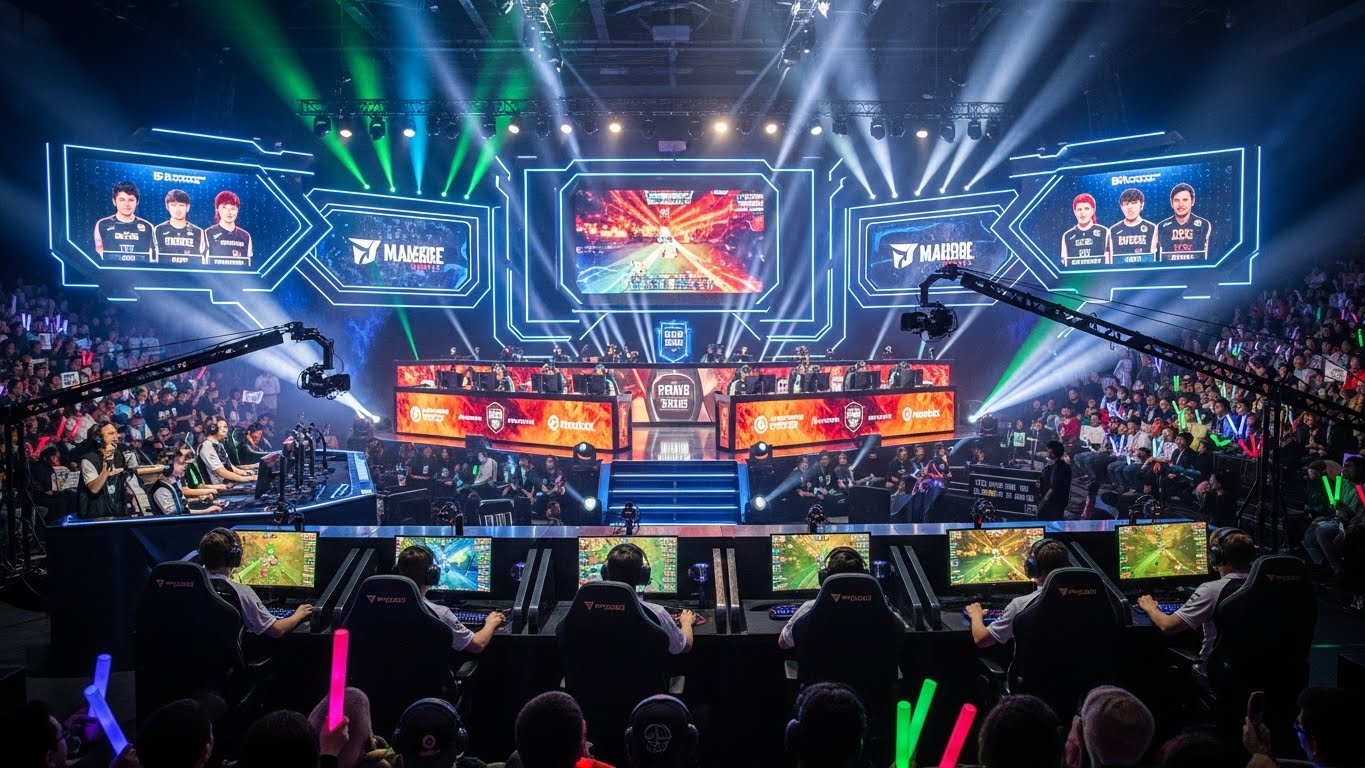
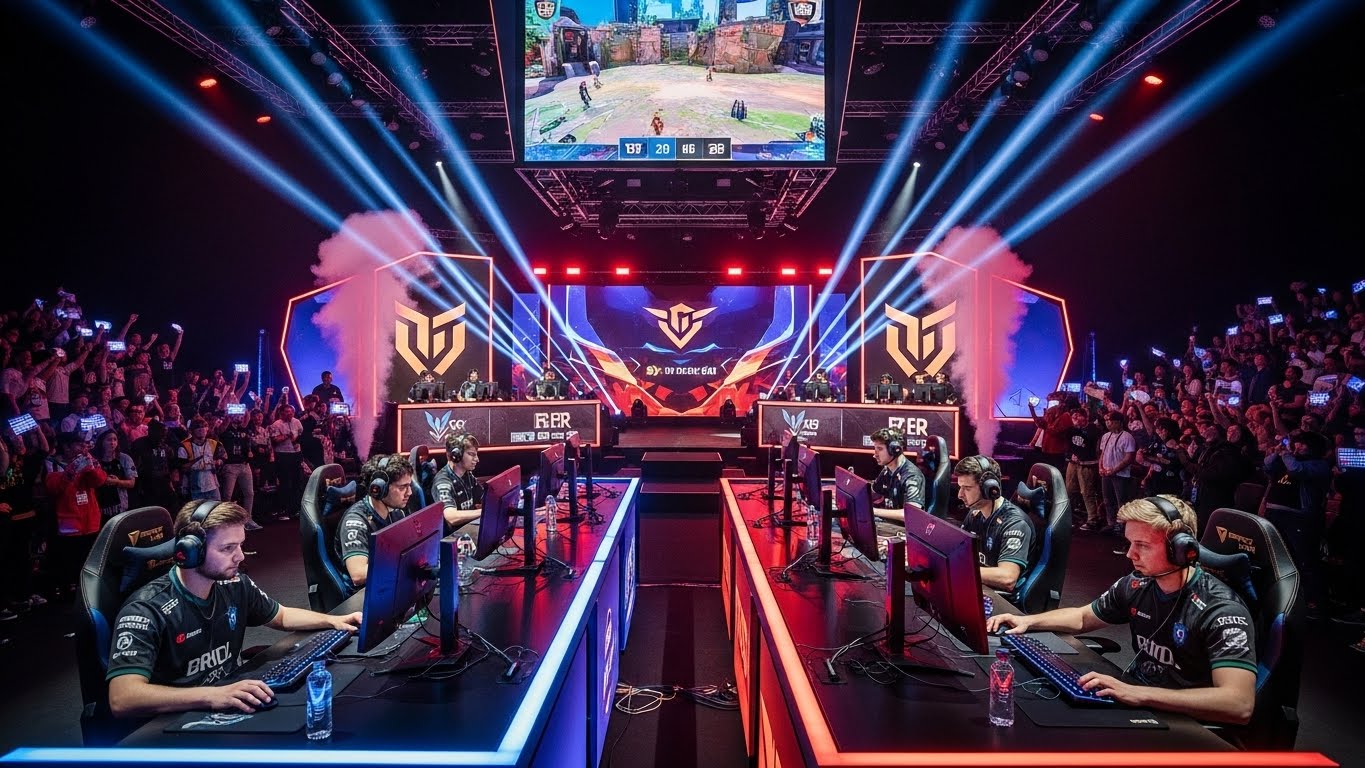
Esports has a rich history, dating back to the early 1970s with arcade competitions. The introduction of personal computers and online connectivity revolutionized the field, allowing players from around the globe to compete in real time. Games like StarCraft, Counter-Strike, League of Legends, Dota 2, and Fortnite have become iconic in the esports landscape, each introducing unique challenges, strategies, and competitive structures. These games are not just entertainment; they are arenas where reflexes, decision-making, and teamwork are tested. Today, esports tournaments attract millions of viewers worldwide, with events often broadcast live in stadiums or streamed online, showcasing the professionalization and mainstream appeal of competitive gaming.
The Global Esports Industry
The esports industry has grown into a multi-billion-dollar sector, encompassing professional players, teams, tournament organizers, and media platforms. Top-tier players earn significant salaries, sponsorship deals, and tournament winnings, highlighting esports as a legitimate career path. International tournaments such as The International, League of Legends World Championship, and Fortnite World Cup feature prize pools that rival traditional sports competitions. Streaming platforms further enhance revenue opportunities, enabling players to monetize content, connect with fans, and build personal brands. This growth reflects a broader shift in entertainment consumption, where interactive, digital experiences rival traditional sports and media.
Physical and Mental Demands of Esports
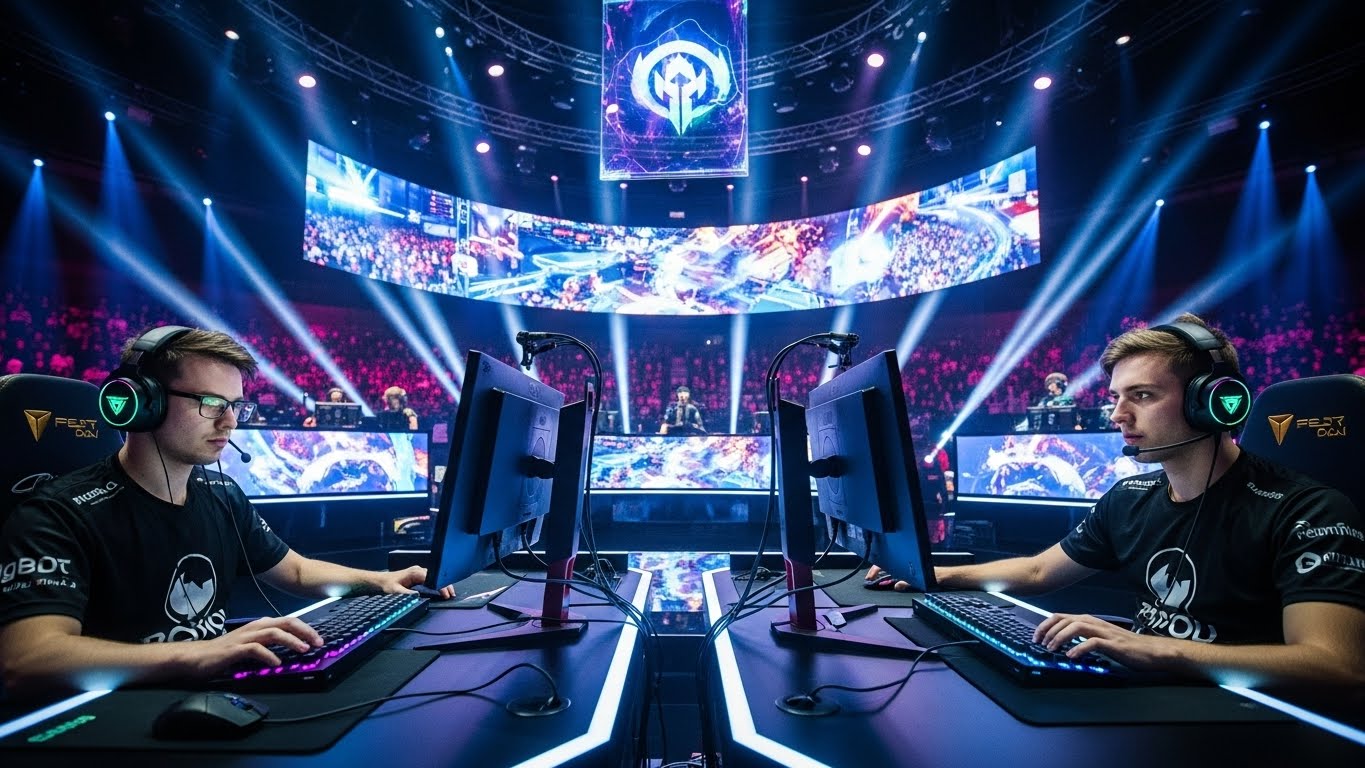
Although esports is primarily digital, it demands both mental acuity and physical coordination. Professional players spend hours daily training to sharpen reflexes, strategic thinking, and decision-making. Hand-eye coordination, reaction time, and situational awareness are essential skills that differentiate elite players from amateurs. Mental endurance is equally critical, as competitors face high-pressure situations, intense scrutiny, and extended matches that require focus and composure. Many esports organizations now emphasize holistic health, incorporating physical exercise, nutrition, and mindfulness practices to optimize performance. These measures demonstrate that professional gaming is not passive; it is a disciplined, demanding pursuit that requires physical and mental resilience.
Teamwork and Strategy in Esports
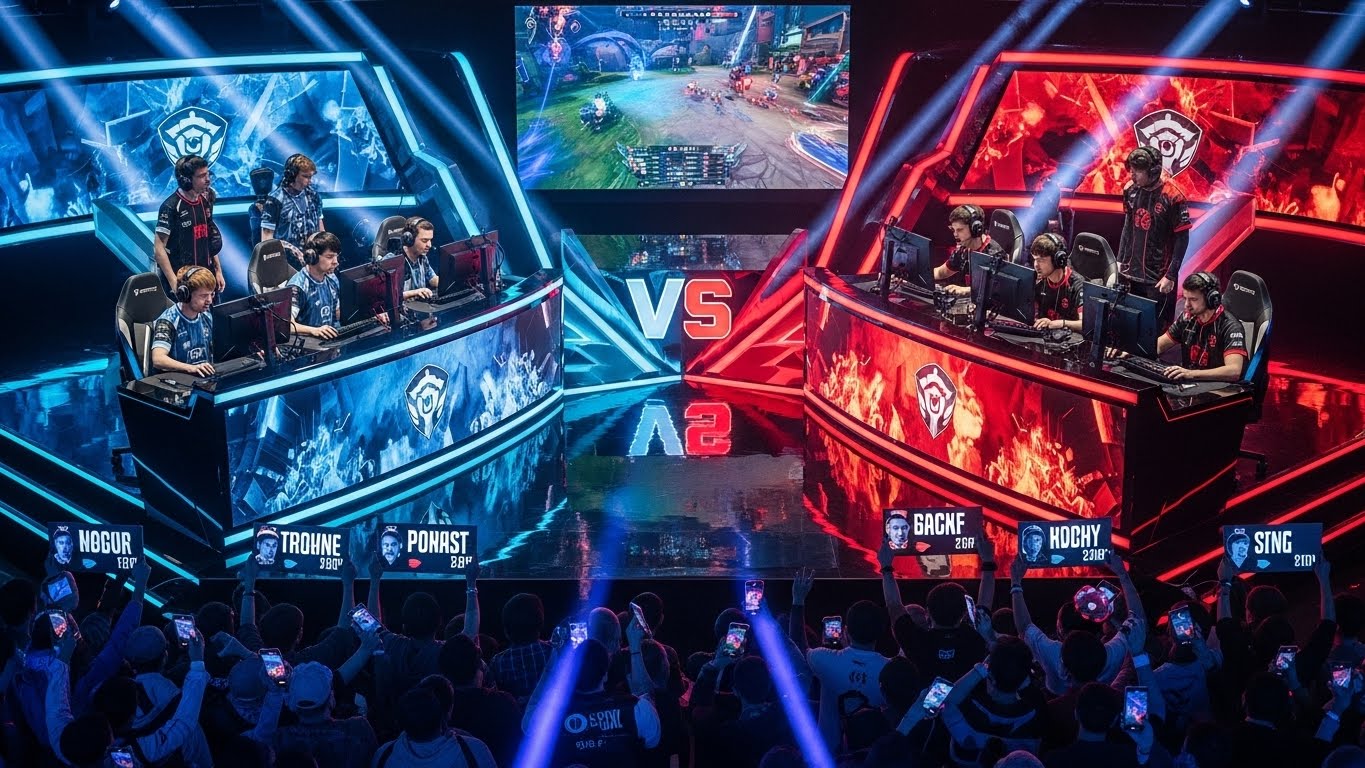
Team-based esports games highlight the importance of communication, collaboration, and strategy. Players must coordinate movements, anticipate opponents’ tactics, and adapt to rapidly changing scenarios. Effective leadership, trust, and conflict resolution are key components of successful teams. Beyond the virtual battlefield, these skills are transferable to professional and academic environments, fostering problem-solving, strategic thinking, and collaboration. Esports teams also cultivate strong social bonds, creating communities where players, coaches, and fans support one another and celebrate shared achievements. This teamwork aspect underscores that esports is as much about social dynamics as individual skill.
The Social and Cultural Impact of Esports
Esports has redefined social interaction in the digital age. Online platforms allow players and fans from diverse backgrounds to engage, compete, and form communities. Live streams, forums, and online tournaments facilitate interaction, creating a global culture centered on gaming. Local esports clubs and community events provide opportunities for mentorship, social engagement, and skill development. For many, esports offers a sense of identity and belonging, particularly for those who may feel isolated in traditional social settings. Beyond community-building, esports also influences popular culture, inspiring media, fashion, and entertainment trends that reach beyond the gaming world.
Esports in Education
Educational institutions increasingly recognize esports as a valuable educational tool. Schools and universities offer esports scholarships, integrate competitive gaming into extracurricular programs, and provide courses on game strategy, management, and technology. Esports teaches critical thinking, teamwork, and digital literacy—skills that are highly relevant in a technology-driven world. Participation in esports programs can also encourage time management, discipline, and goal-setting. By merging gaming with education, institutions prepare students for careers in gaming, technology, media, and business, highlighting the intersection of recreation and professional development.
Inclusivity and Diversity in Esports
Esports is inherently more inclusive than many traditional sports, as physical strength or body type is less important than skill, strategy, and mental agility. Women’s leagues, adaptive gaming programs, and initiatives supporting underrepresented communities are broadening participation and representation. These efforts foster diversity, creativity, and innovation, creating an environment where talent and dedication are prioritized over conventional barriers. By embracing inclusivity, esports not only expands its audience but also sets a standard for equitable competition, showing that digital arenas can be spaces for opportunity, empowerment, and social progress.
Technological Innovation in Esports
Technology drives esports at every level, from gameplay mechanics to audience engagement. Advanced gaming hardware, performance analytics, and artificial intelligence tools enhance player training and strategy. Streaming platforms allow fans to watch live tournaments, interact with players, and participate in global communities. Emerging technologies such as virtual reality and augmented reality promise to further transform esports, offering immersive experiences for players and spectators alike. By pushing the boundaries of what is possible in digital competition, esports drives innovation across gaming, media, and entertainment industries.
Economic Significance of Esports
The esports industry contributes significantly to the global economy. Professional leagues, streaming platforms, event organizers, and merchandise sales generate billions of dollars annually. Hosting major tournaments creates jobs, stimulates tourism, and drives investment in technology and infrastructure. Sponsorships and advertising opportunities support not only players but also companies seeking to engage a young, tech-savvy audience. This economic impact underscores the legitimacy of esports as a major sector, highlighting its influence on business, media, and cultural trends worldwide.
The Future of Esports
Esports is poised for continued growth and innovation. As digital connectivity improves and technology evolves, esports will expand into new formats, platforms, and global markets. Virtual reality, augmented reality, and cloud gaming will redefine competition and fan experiences. Integration with traditional sports, entertainment, and education sectors will further cement esports as a cultural and professional force. With continued emphasis on inclusivity, education, and technology, esports will remain a dynamic platform for competition, personal development, and community engagement. Its evolution will continue to challenge perceptions of sports, entertainment, and digital culture.
The Inspirational Aspect of Esports
Esports players inspire audiences through their dedication, resilience, and creativity. Stories of players overcoming obstacles, building teams, and achieving international recognition resonate with millions, demonstrating the power of passion and hard work. These narratives emphasize perseverance, adaptability, and continuous learning—values that extend beyond gaming. By celebrating the achievements of esports professionals, society recognizes digital competition as a legitimate and transformative cultural phenomenon. Esports heroes not only entertain but also motivate others to pursue their dreams, innovate, and excel in new domains.
Conclusion: Esports as a Modern Cultural Force
Esports is more than a form of entertainment; it is a cultural, educational, and professional phenomenon shaping the digital age. It combines competition, technology, and community, creating opportunities for personal growth, social connection, and economic development. From local gaming clubs to international championships, esports challenges traditional notions of sport and athleticism while emphasizing strategy, skill, and teamwork. Its influence spans culture, technology, and business, demonstrating that the digital arenas of esports are not only places of competition but also platforms for creativity, innovation, and empowerment. As the world continues to embrace digital experiences, esports will remain a defining feature of contemporary culture, inspiring millions to level up in gaming and in life.