championplay05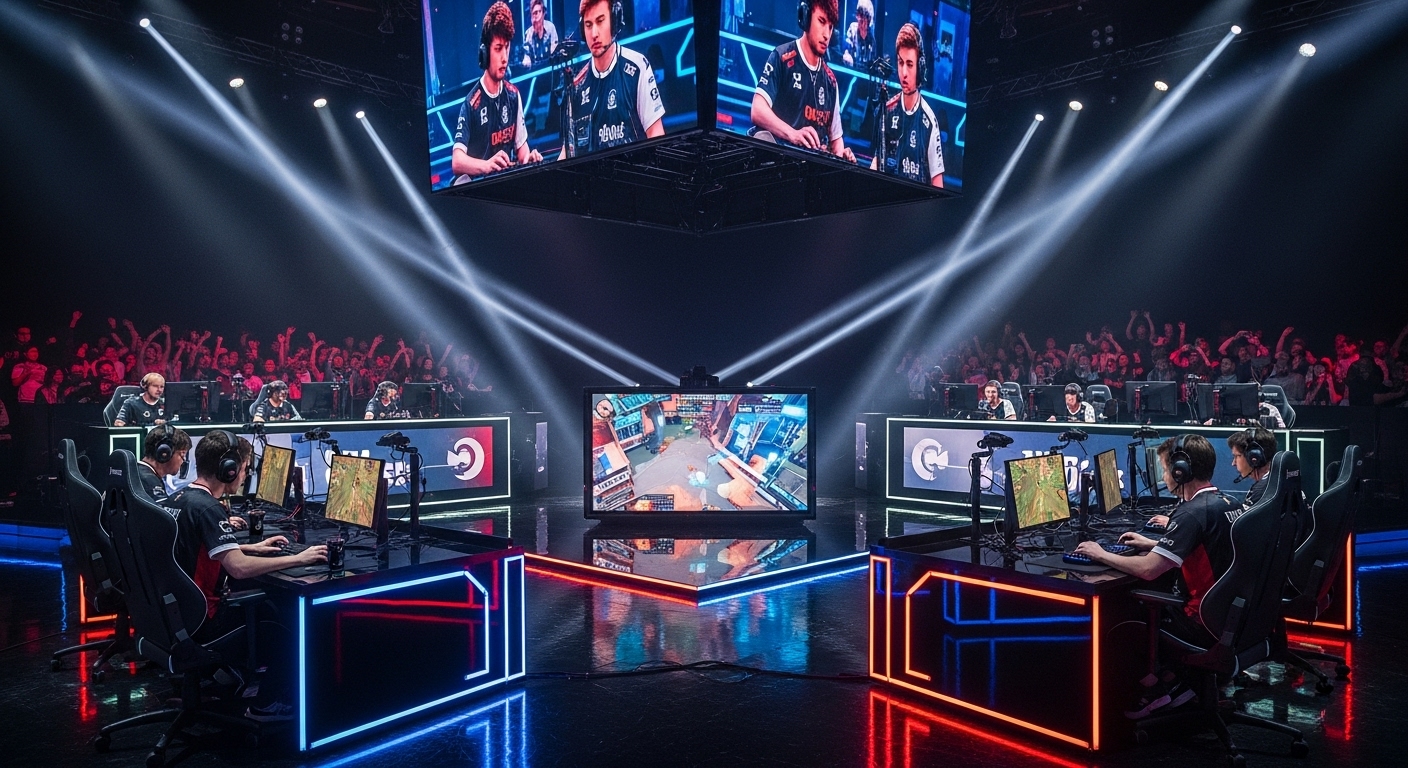
Introduction: A New Era of Competition
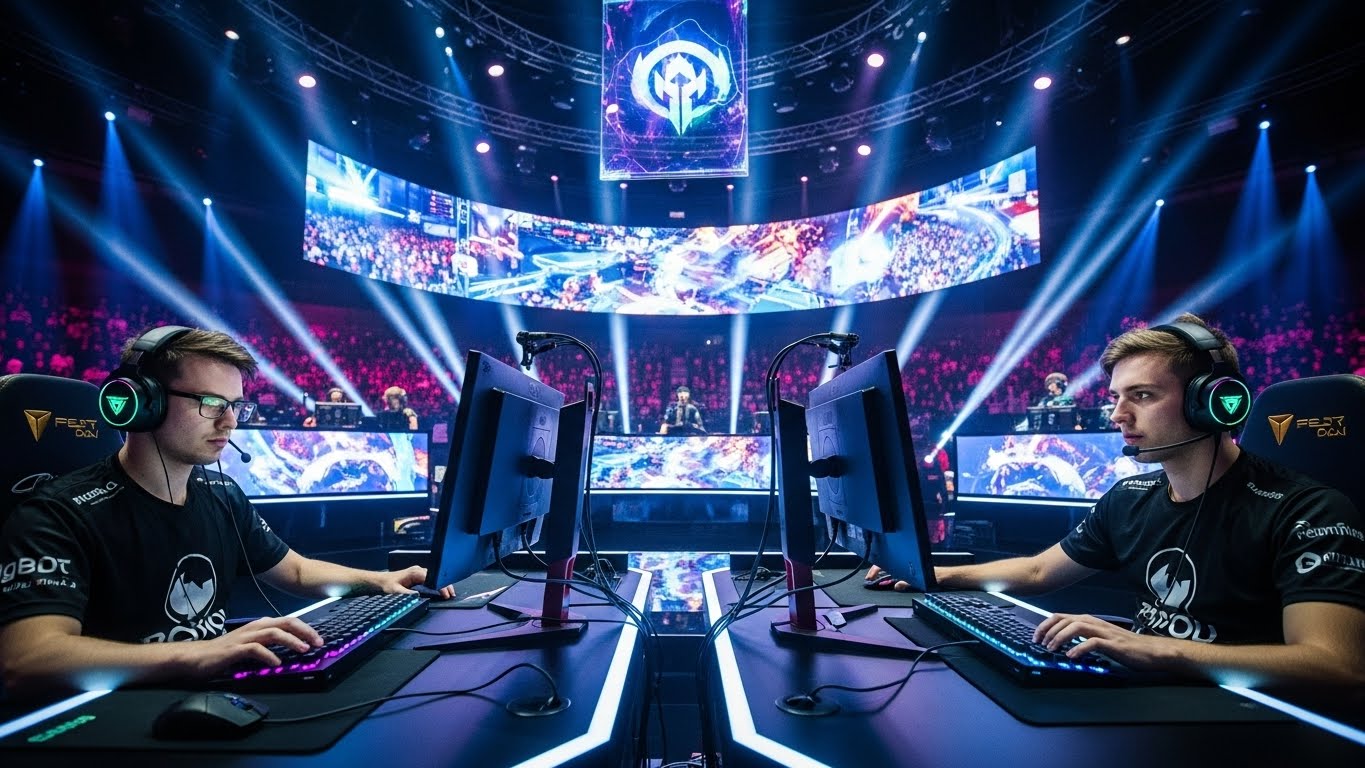
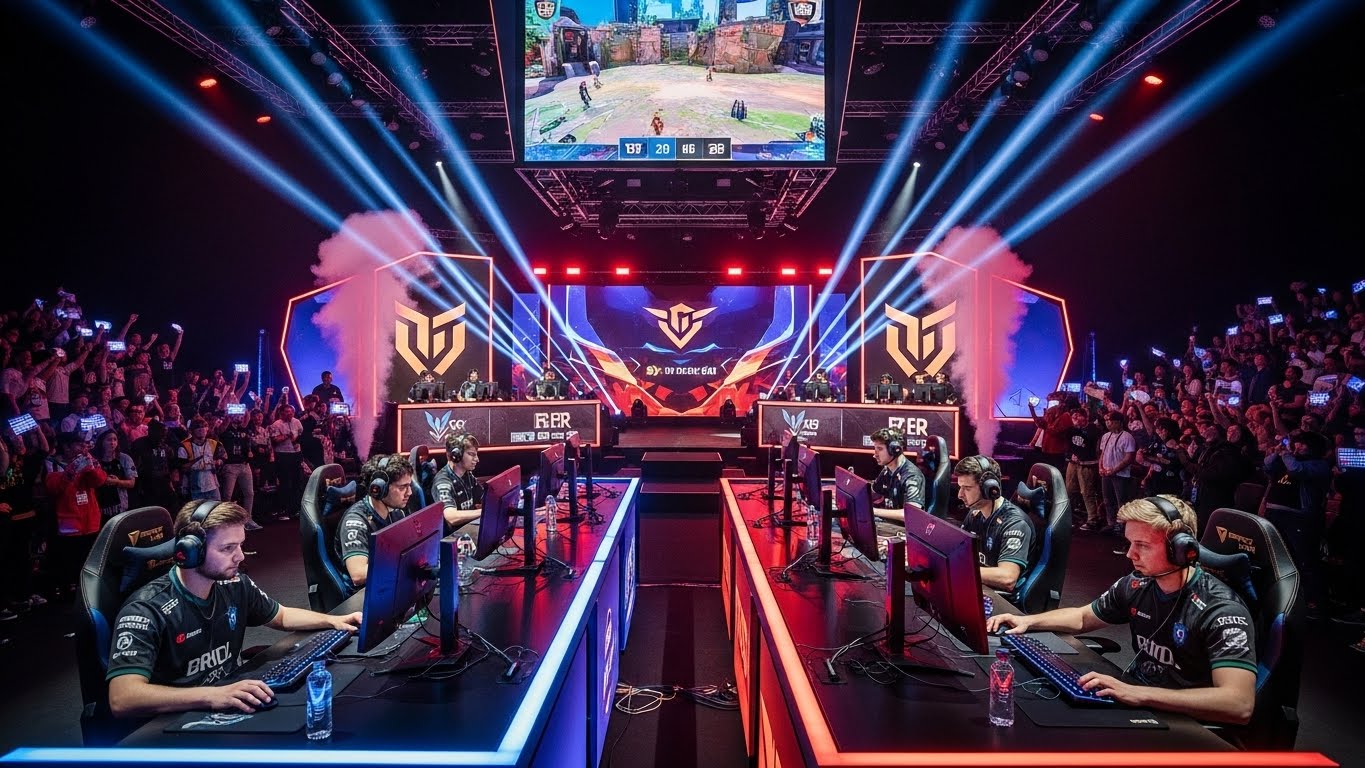
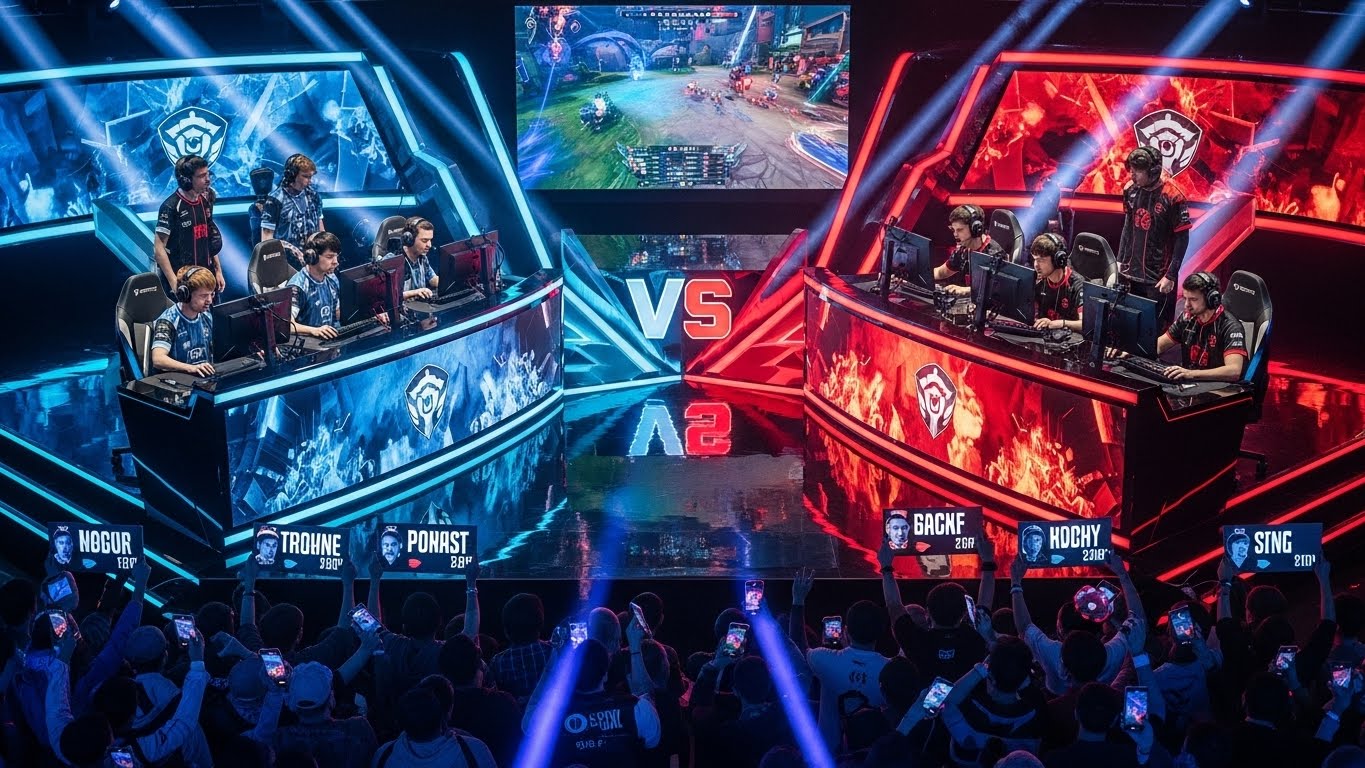
In the last decade, a silent revolution has taken place. Competitive gaming, once considered a niche hobby, has transformed into a thriving global industry known as esports. From local LAN tournaments to massive international championships broadcasted to millions, esports has established itself as a legitimate and highly lucrative form of entertainment. The evolution of this digital sport is reshaping perceptions of competition, entertainment, and career opportunities in ways that were unimaginable a few decades ago.
Esports is no longer just about playing video games; it is a multifaceted industry encompassing professional players, teams, coaches, analysts, sponsors, event organizers, and broadcasters. Its rise reflects technological advancement, cultural shifts, and the increasing legitimacy of gaming as a career path.
The Origins of Esports: From Arcades to Online Arenas
Esports has deep roots, tracing back to the early days of video gaming in the 1970s and 1980s. The first recorded competitive video game event took place at Stanford University in 1972, where students competed in the game Spacewar! for a small prize. While primitive by today’s standards, it set the stage for the concept of organized gaming competitions.
The 1980s saw the rise of arcade competitions, most notably the Space Invaders Championship in 1980, which attracted thousands of participants across the United States. These events were precursors to modern esports tournaments, highlighting the competitive spirit and social appeal of gaming.
The 1990s and early 2000s marked a turning point with the advent of online multiplayer games. Titles such as StarCraft, Counter-Strike, and Warcraft III allowed players from around the world to compete in real time. South Korea, in particular, became a hub for professional gaming, establishing dedicated esports stadiums and nurturing professional leagues, laying the foundation for the global esports infrastructure we see today.
The Modern Esports Ecosystem
Today, esports is a highly organized ecosystem with multiple stakeholders. At the center are professional players who dedicate countless hours to perfecting their skills. These athletes train rigorously, often for 8 to 12 hours a day, similar to traditional sports professionals. Teams and organizations recruit top talent, provide coaching, nutrition guidance, and mental health support to ensure peak performance.
Esports titles span multiple genres, including multiplayer online battle arenas (MOBAs) like League of Legends, first-person shooters (FPS) like Call of Duty and Valorant, real-time strategy games, sports simulations, and fighting games. Each genre has its own professional leagues, tournaments, and fanbase. The diversity of games ensures that esports appeals to a broad demographic, catering to different skill sets and interests.
Streaming platforms such as Twitch, YouTube Gaming, and Facebook Gaming have also become integral to the ecosystem. They allow players to connect with fans, showcase their gameplay, and create personal brands. Influencers and content creators often earn revenue through subscriptions, sponsorships, and donations, blurring the line between professional competition and entertainment.
Global Popularity and Cultural Impact
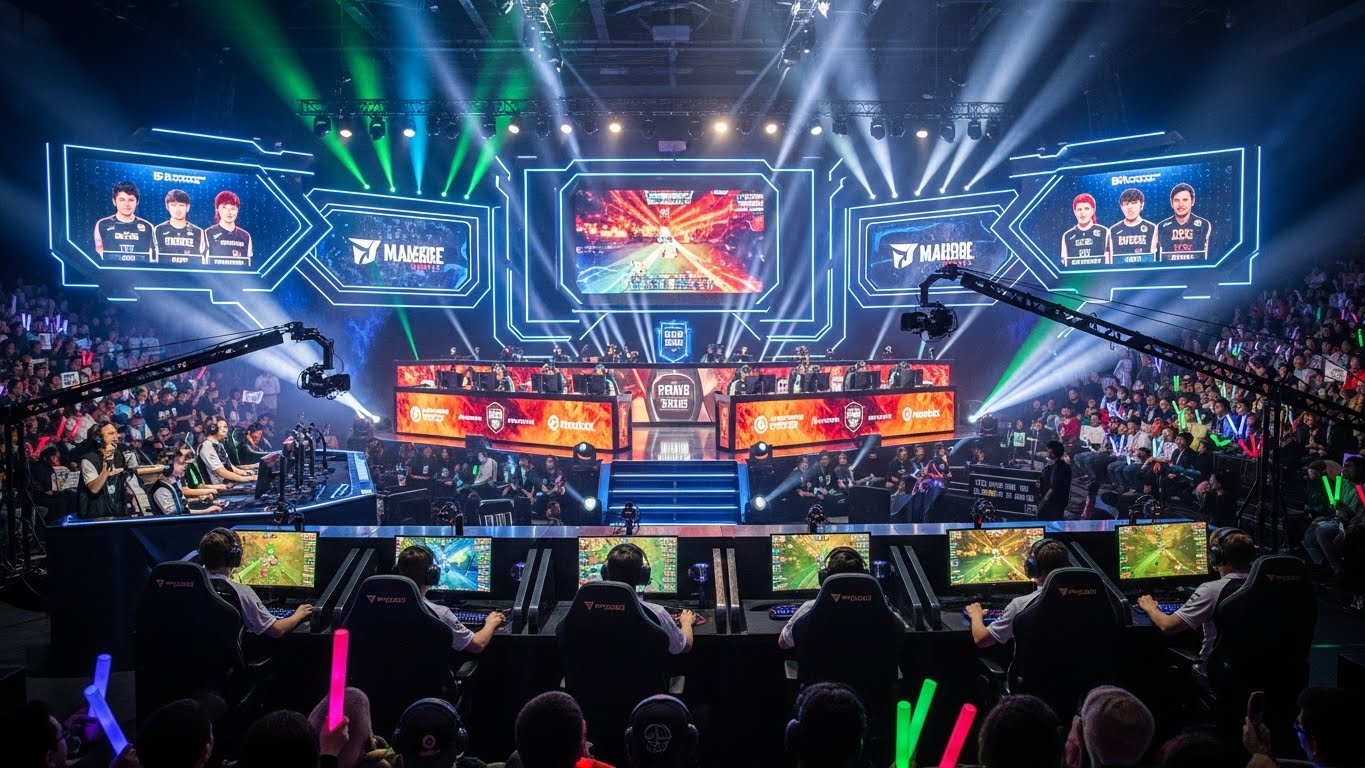
Esports is no longer confined to a single region; it has grown into a worldwide phenomenon. Major tournaments attract millions of viewers online, with audiences rivaling those of traditional sports like football and basketball. For example, the League of Legends World Championship finals have drawn over 100 million viewers, demonstrating the immense scale of esports consumption.
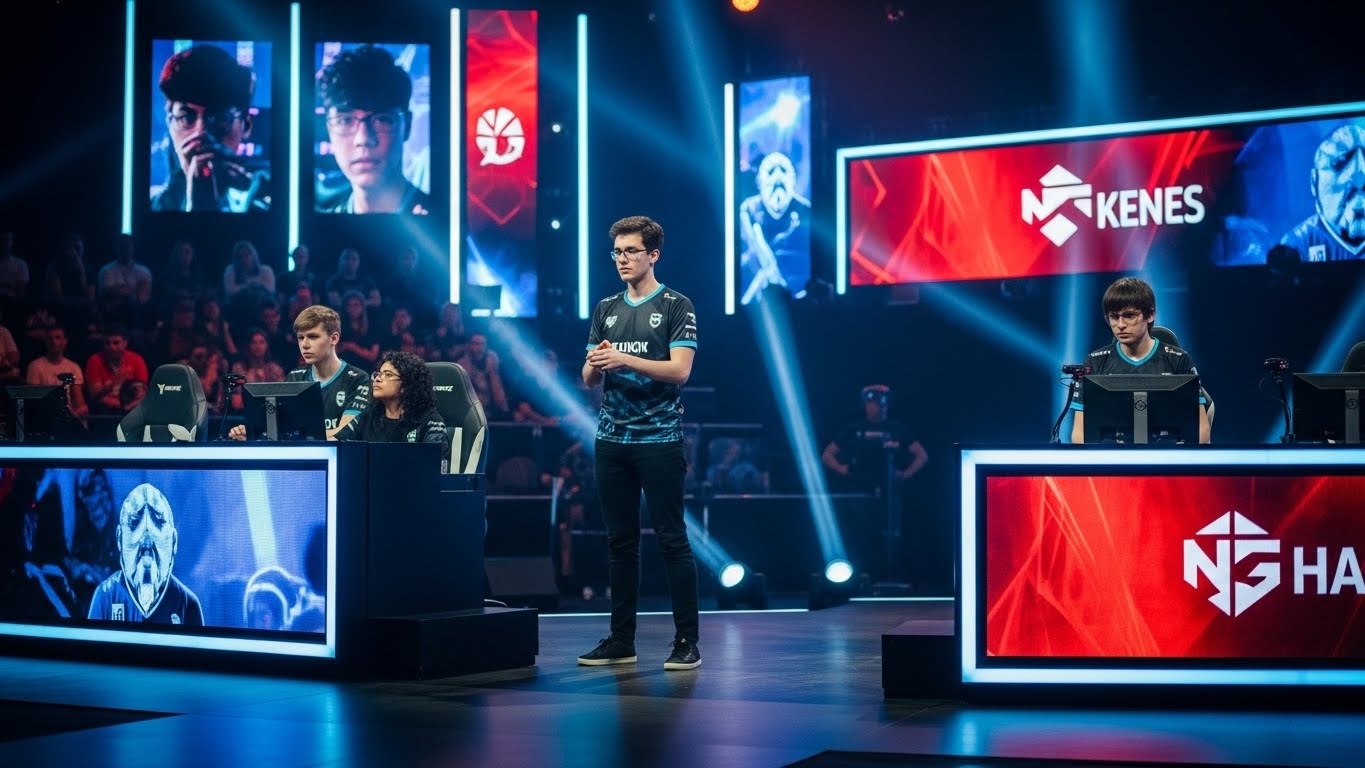
The cultural impact of esports is equally significant. Gaming is now seen as a legitimate pastime, and competitive gaming is gaining recognition as a serious pursuit. Universities are offering esports scholarships, high schools are forming competitive teams, and governments are even recognizing esports athletes for visas and residency. This cultural shift is helping reduce the stigma around gaming, highlighting its potential for career development, teamwork, and skill enhancement.
Economic Power of Esports
Esports is not just about competition; it is a booming industry with substantial economic influence. Global revenue from esports is projected to exceed several billion dollars annually, driven by sponsorships, media rights, merchandise, and tournament prize pools. Major brands, from technology companies to consumer goods manufacturers, are investing heavily in esports marketing, recognizing its ability to engage young and digitally-savvy audiences.
Tournament prize pools have also skyrocketed, with some events offering multi-million-dollar rewards. This financial incentive has created professional opportunities for players, coaches, commentators, analysts, and even content creators. Sponsorship deals and team franchises have further professionalized the scene, making esports a viable career path for thousands worldwide.
Challenges and Controversies
Despite its meteoric rise, esports faces several challenges. The intense pressure on professional players often leads to burnout, mental health issues, and physical strain. Long hours of practice can cause repetitive stress injuries, eye strain, and sleep disturbances. Organizations are gradually acknowledging the need for better support systems, including mental health programs, physical training regimens, and mandatory rest periods.
Another challenge is ensuring fairness and integrity in competitions. Cheating, match-fixing, and doping are concerns that the industry must address proactively. Regulatory bodies and anti-cheating software are increasingly being implemented to maintain credibility and protect players and fans.
Additionally, accessibility remains an issue. While esports is global, high-performance hardware, fast internet, and dedicated gaming spaces are not available to everyone. Bridging this gap will be crucial for ensuring inclusivity and diversity in the competitive scene.
Esports as a Career Path
One of the most fascinating aspects of esports is its ability to offer diverse career opportunities. Players are the most visible, but they are just the tip of the iceberg. Coaches, analysts, and strategists contribute to team performance by studying opponents, developing tactics, and optimizing player output. Commentators and hosts enhance the viewer experience with insights, storytelling, and personality.
Beyond the competitive realm, careers in esports management, marketing, event planning, and game development are flourishing. Educational institutions are responding with esports-related courses, degrees, and certifications to prepare students for the industry. The digital-first nature of esports also allows for remote collaboration, expanding opportunities globally.
Technological Advancements Driving Esports
Esports thrives on technology, and continuous advancements are pushing the boundaries of the industry. High-speed internet, powerful gaming PCs, advanced graphics, and immersive peripherals enhance both player performance and viewer experience. Virtual reality and augmented reality are beginning to influence competitive gaming, creating new genres and modes of interaction.
Data analytics is another game-changer. Teams and analysts use sophisticated software to track player performance, predict opponent strategies, and optimize in-game decisions. This approach mirrors traditional sports analytics, reinforcing esports’ legitimacy as a serious competitive field.
The Future of Esports
The future of esports looks incredibly promising. With mainstream recognition, increasing sponsorships, and technological innovation, esports is likely to become an integral part of global sports culture. Traditional sports franchises are investing in esports divisions, while international competitions may eventually rival the Olympics in scale and spectacle.
The integration of virtual reality, artificial intelligence, and cloud gaming could further democratize participation, allowing players from anywhere in the world to compete at the highest levels. Moreover, continued societal acceptance of gaming as a valid career path will encourage more young talent to pursue esports professionally.
Conclusion: Beyond the Screen
Esports is more than just a form of entertainment; it is a transformative cultural and economic force. From humble beginnings in arcades to global stadiums filled with cheering fans, competitive gaming has proven that it can inspire passion, foster community, and create real-world opportunities. The rise of esports illustrates the potential of digital innovation to redefine traditional concepts of sports, competition, and professional success.
As technology continues to evolve and the industry matures, esports will likely expand into new territories, bridging virtual and physical worlds, and capturing the imagination of generations to come. For players, fans, and industry professionals alike, esports represents a thrilling frontier where skill, strategy, and spectacle converge in ways that were once the realm of science fiction.