championplay05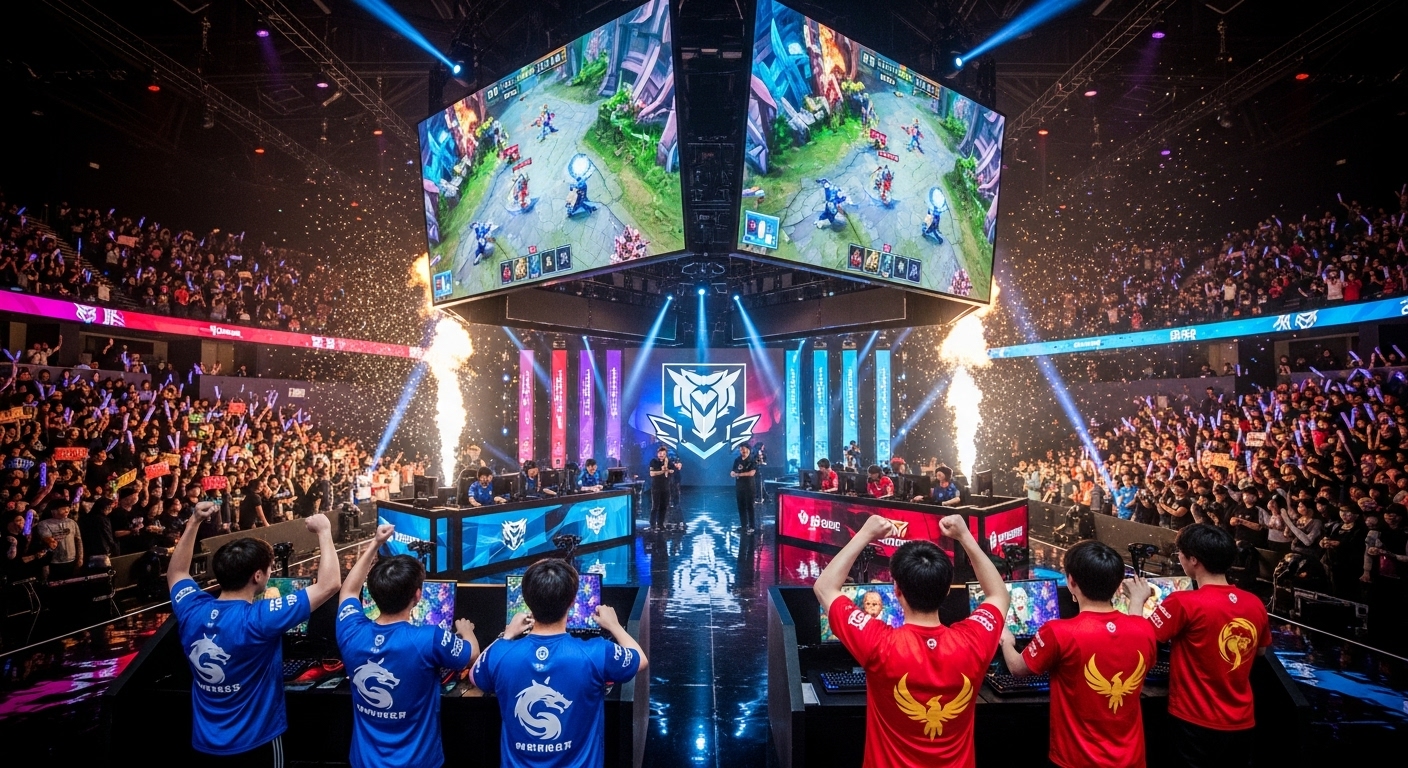
Esports, once a niche pastime reserved for hardcore gamers, has evolved into a multi-billion-dollar industry that spans across the globe. What began as small-scale tournaments in basements and local gaming cafes has expanded into a full-fledged global industry. This blog post delves into the explosive growth of esports, its impact on the gaming industry, the players, and the culture, and its future prospects. Whether you’re a casual gamer, a long-time fan, or a newcomer to the world of competitive gaming, this post will give you a comprehensive look at the world of esports and how it became a major player in the entertainment sector.
What Is Esports?
At its core, esports refers to competitive video gaming, where individuals or teams compete against each other for recognition, prizes, and sometimes even sponsorships. Unlike casual gaming, esports is highly structured and involves organized competitions, often at the professional level. These competitions can be broadcasted on streaming platforms like Twitch, YouTube, and even cable TV, with millions of viewers tuning in to watch.
The games played in esports range from first-person shooters (FPS) like Counter-Strike and Call of Duty to real-time strategy games (RTS) like StarCraft II and Warcraft III. Multiplayer online battle arena games (MOBA) like League of Legends and Dota 2 are also among the most popular genres in the competitive gaming scene. As the esports landscape continues to grow, new genres and titles continue to emerge, further fueling the demand for competitive gaming.
The Growth of Esports
Esports has experienced explosive growth over the last decade. What was once considered a hobby for a select few has now become a mainstream entertainment industry. In 2020, the global esports market was valued at approximately $1.1 billion, and it is projected to surpass $3 billion by 2025. This remarkable growth can be attributed to several factors, including increased investment from major corporations, the rise of online streaming platforms, and the growing interest in esports as a spectator sport.
One of the key drivers of esports’ rise has been the increasing accessibility of high-speed internet and advanced gaming hardware. With faster internet speeds and affordable gaming consoles and PCs, more people can participate in and spectate esports events. Streaming platforms like Twitch and YouTube have allowed viewers to watch professional players and tournaments from the comfort of their own homes, making esports more accessible than ever before.
Professional Esports: The Players and Teams
As esports evolved, so did the level of professionalism within the industry. Today, professional esports players are seen as athletes in their own right, with some earning millions of dollars in prize money, sponsorships, and streaming revenue. The highest-paid esports players can command multi-million-dollar salaries, and many have amassed large followings on social media platforms.
Esports teams, much like traditional sports teams, are built around a group of highly skilled players who specialize in specific games. These teams are often sponsored by major brands, and their players undergo rigorous training schedules to hone their skills. Some well-known esports teams include Cloud9, Team Liquid, T1, and FaZe Clan, all of which compete in various titles across different genres.
The life of a professional esports player is not without its challenges. Players often spend hours practicing, reviewing gameplay footage, and strategizing with their teams. Esports is a mentally and physically demanding career, with long hours that can take a toll on players’ health. Despite this, many players find the rewards worth the effort, and some continue their careers into their late 20s or even early 30s, which is considered old in the esports world due to the intense demand for quick reflexes and sharp focus.
Esports Tournaments and Leagues
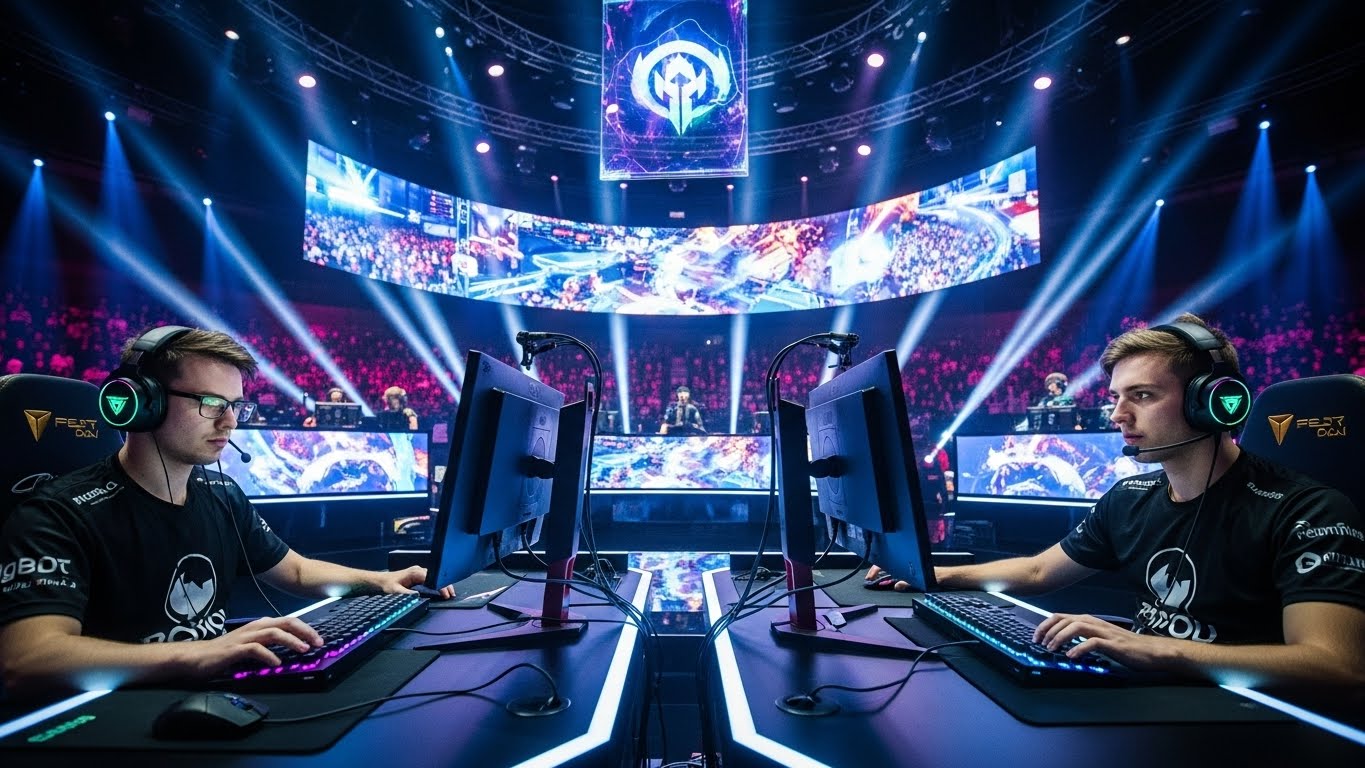
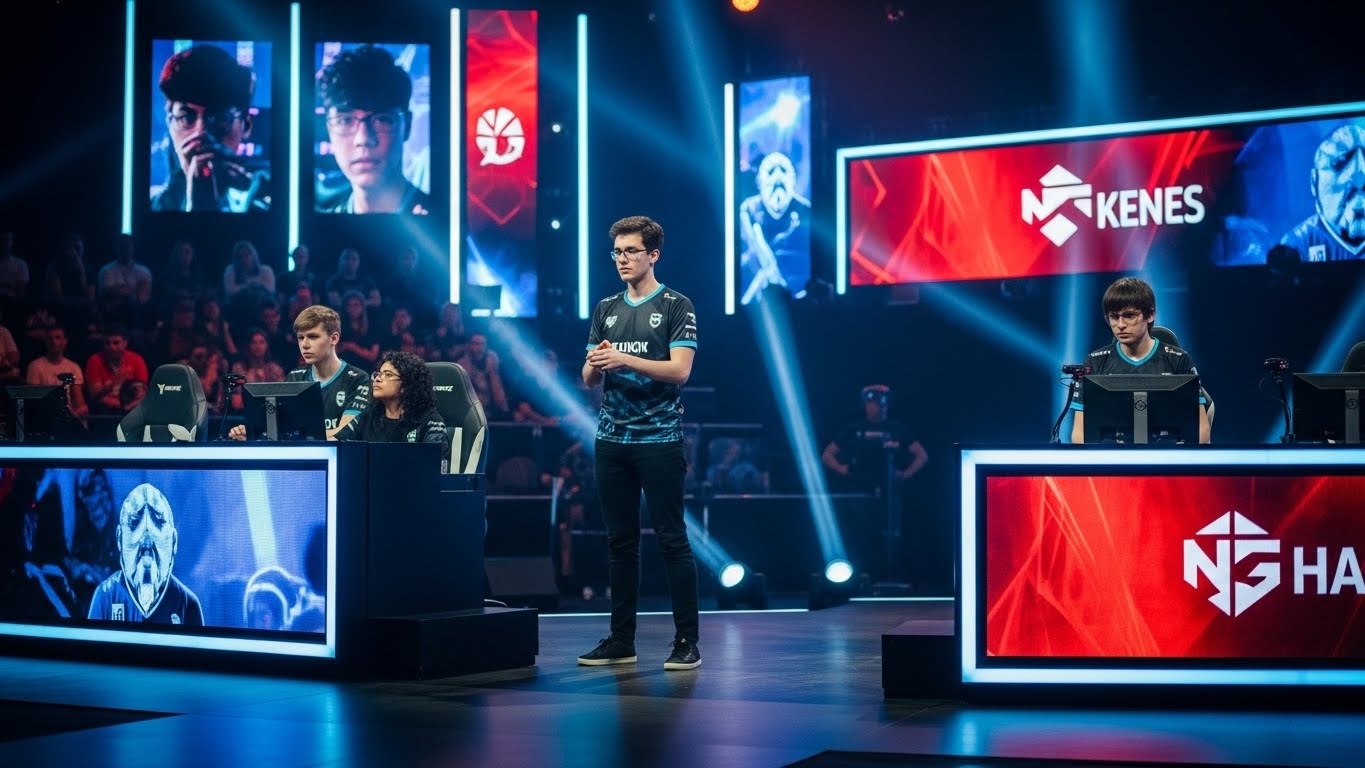
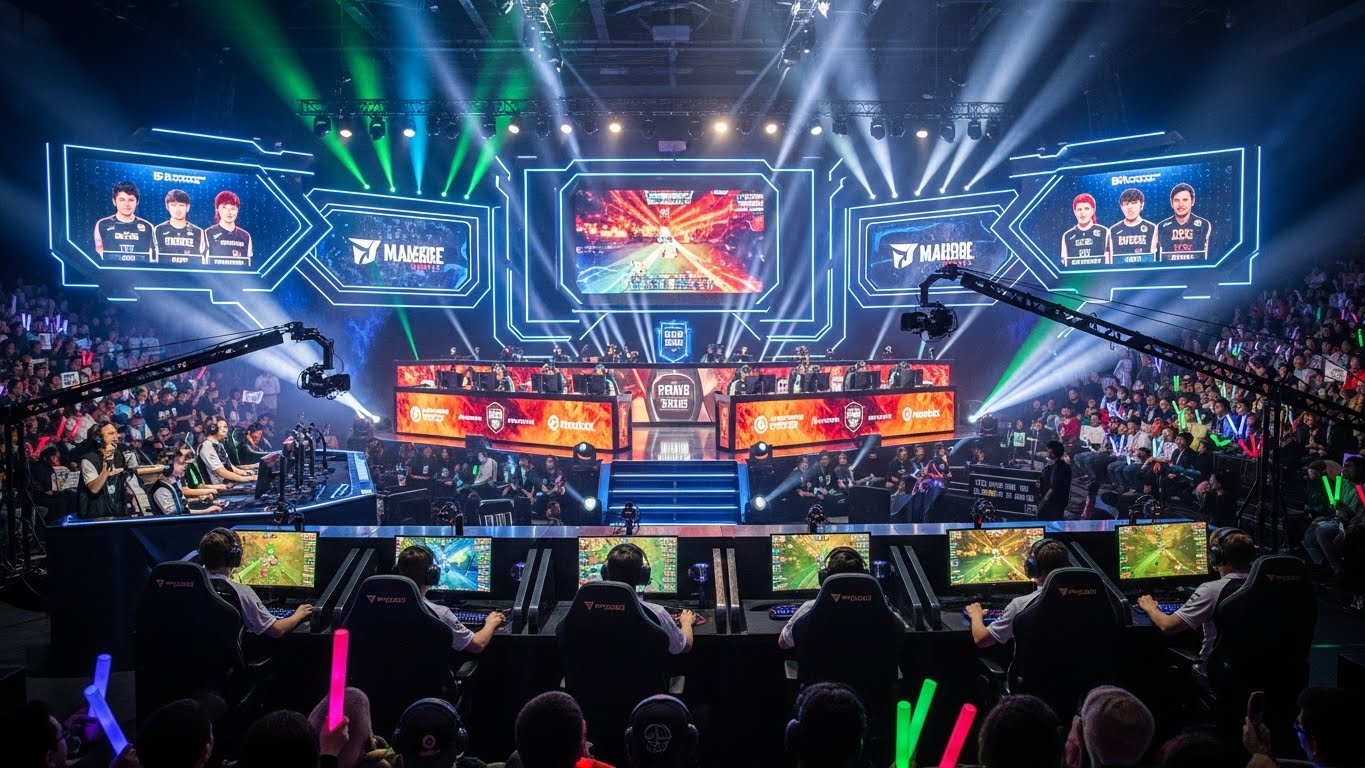
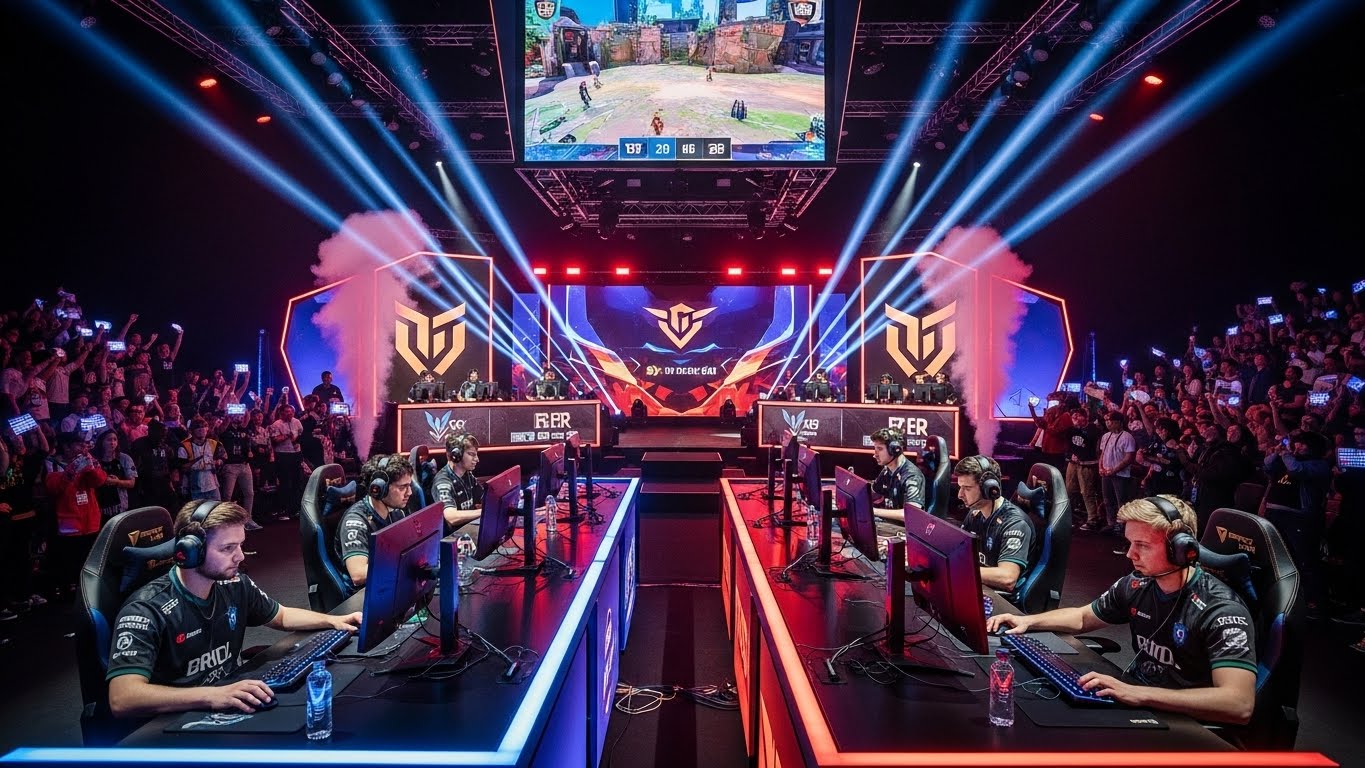
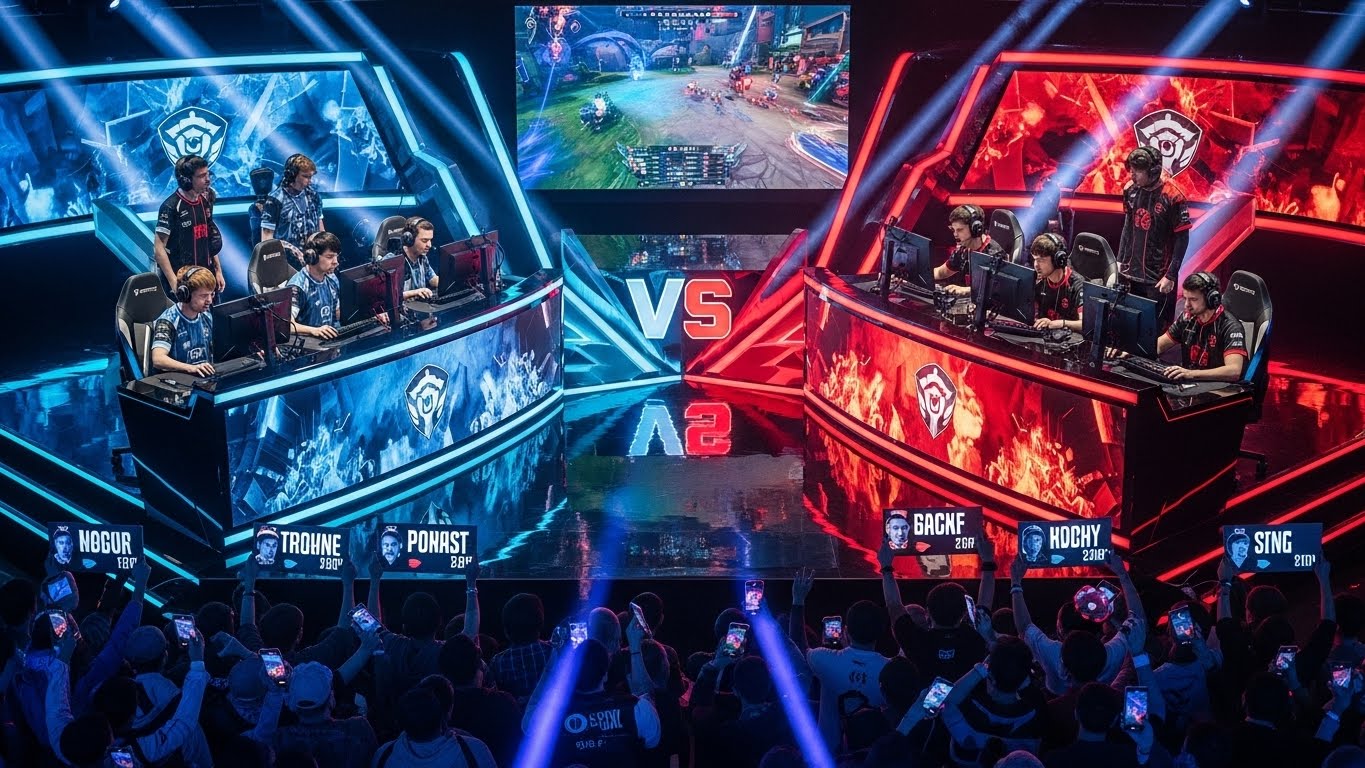
Esports tournaments are where the magic happens. These events can range from small-scale local competitions to massive international championships that attract millions of viewers. The most prestigious tournaments, such as The International (Dota 2) and the League of Legends World Championship, offer millions of dollars in prize money and attract thousands of fans to live events, not to mention the millions more who tune in online.
Esports tournaments are often organized by the game developers, third-party organizers, or professional esports leagues. These tournaments can be single-elimination competitions, round-robin formats, or best-of series, depending on the game and the event’s structure. For example, League of Legends has a well-established competitive season, which culminates in the World Championship, while Overwatch has its own league with regular season play and playoffs.
In addition to the main tournament events, there are also numerous smaller competitions, online qualifiers, and regional leagues that give players a chance to break into the professional scene. These events have become a crucial aspect of the esports ecosystem, helping to develop talent and build fanbases.
Esports Streaming and Media Coverage
A crucial element of esports’ success is its ability to be broadcast and consumed in real-time. Streaming platforms like Twitch, YouTube Gaming, and Facebook Gaming have become the primary mediums through which esports fans engage with their favorite games and players. These platforms offer live streams of tournaments, as well as individual streams from professional players and content creators.
The rise of esports streaming has also given birth to a new form of celebrity. Professional players and content creators now enjoy massive followings, sometimes rivaling traditional celebrities. Streamers like Ninja, Shroud, and Pokimane have become household names, with millions of followers across various platforms. For many fans, these players are as much entertainers as they are gamers.
Streaming not only provides fans with access to live esports content, but it has also created new ways for fans to interact with their favorite teams and players. Through donations, subscriptions, and live chats, fans can directly support their favorite streamers, adding an element of community to the viewing experience.
Esports events themselves are often broadcasted in highly professional ways, complete with commentary, expert analysis, and live interviews with players. The production value of esports events has continued to improve, and many events now rival traditional sports broadcasts in terms of quality. Major brands, such as Coca-Cola, Intel, and Red Bull, have also recognized the potential of esports as a marketing tool, sponsoring events and players to reach a young, tech-savvy audience.
Esports and Traditional Sports
Esports’ growing popularity has led many to draw comparisons between competitive gaming and traditional sports. While there are clear differences between the two, such as physical exertion and the type of training required, esports shares many similarities with conventional sports in terms of structure, competition, and fan engagement.
Esports has even begun to find its place in traditional sports venues. For instance, large-scale esports tournaments are now held in basketball arenas, soccer stadiums, and even dedicated esports arenas. The Overwatch League (OWL), for example, has brought esports to the level of traditional professional sports leagues, with teams representing cities and regions, similar to how the NFL or NBA teams are structured.
Furthermore, esports has also led to the creation of esports scholarships and college leagues. Many universities now offer scholarships for esports players, and colleges have set up competitive teams to compete in various esports tournaments. This further blurs the lines between traditional sports and esports, as young gamers now have a direct pathway to playing professionally.
The Future of Esports
As esports continues to grow, its future seems promising. One of the most significant trends is the increasing integration of esports into mainstream entertainment. As internet connectivity improves and more people gain access to gaming platforms, esports’ global reach is expected to expand.
One area that holds great potential is the mobile gaming sector. With mobile gaming becoming increasingly popular in regions like Southeast Asia and Africa, esports based on mobile games like PUBG Mobile and Arena of Valor are likely to see an even larger surge in participation and viewership.
Another area to watch is the rise of virtual and augmented reality (VR/AR) gaming. As VR and AR technology continues to advance, it’s likely that esports will evolve to incorporate these immersive technologies, providing a new level of engagement for both players and fans.
Furthermore, esports’ increasing connection with mainstream media suggests that the industry may one day receive the same level of recognition as traditional sports. Esports could potentially be included in the Olympics, and esports leagues may continue to develop their own networks, TV channels, and digital platforms to broadcast live events.
Conclusion
Esports is no longer just a passing trend; it has become a global entertainment powerhouse. The industry has grown exponentially, thanks to advances in technology, professionalization, and the increasing mainstream acceptance of video gaming. With millions of players, fans, and viewers across the world, esports shows no signs of slowing down.
Whether you’re an avid gamer, a casual spectator, or someone who’s just starting to explore the world of competitive gaming, esports offers a unique and thrilling experience. As the industry continues to grow, it will be fascinating to watch how esports continues to shape the future of entertainment. So, the next time you tune in to watch a major esports event, you’ll be witnessing the success of a cultural revolution that has only just begun.