championplay05
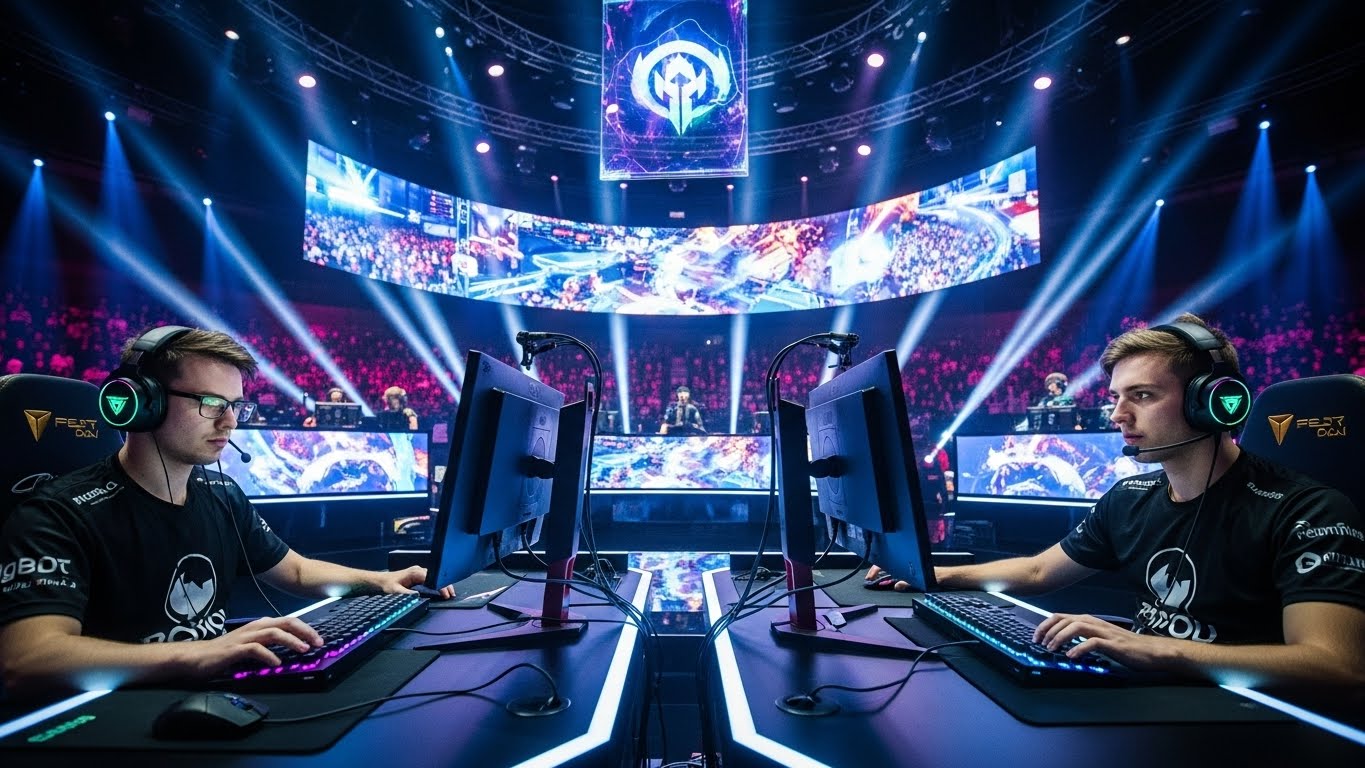
Esports, or electronic sports, has transformed from a niche hobby into a global phenomenon over the past two decades. What was once considered a casual pastime for gamers has now become a highly competitive, professionalized industry attracting millions of players, fans, and investors worldwide. From small LAN tournaments in the late 1990s to multi-million-dollar international championships today, esports has carved out a unique space in the landscape of sports and entertainment.
The Origins of Competitive Gaming
The roots of esports can be traced back to the late 1970s and 1980s when arcade games first became popular. Competitions started with high-score challenges on games like Space Invaders and Pac-Man. The 1990s saw the emergence of competitive multiplayer games with titles such as Quake, StarCraft, and Counter-Strike laying the foundation for modern esports.
StarCraft, in particular, became a cultural phenomenon in South Korea, where professional leagues and televised matches began attracting a dedicated fanbase. The precision, strategy, and teamwork required in these games mirrored traditional sports, giving them legitimacy in the eyes of audiences and sponsors alike. These early tournaments were primarily local or regional, but they set the stage for the global esports explosion that would follow.
Growth Through the Internet
The widespread adoption of high-speed internet in the 2000s revolutionized esports. Online multiplayer platforms allowed gamers from around the world to compete against each other, leading to the formation of international leagues and online communities. Platforms such as Battle.net and later Steam facilitated competitive play on a scale never seen before.
This era also witnessed the rise of streaming platforms, which further fueled the growth of esports. Gamers could now broadcast their gameplay to a global audience in real-time, connecting with fans and building personal brands. Twitch, launched in 2011, became a pivotal platform for esports, providing a dedicated space for live gaming broadcasts and community interaction.
Popular Esports Titles
Esports encompasses a wide variety of game genres, each attracting its own community of players and fans. Multiplayer Online Battle Arenas (MOBAs) like League of Legends and Dota 2 dominate the esports scene with their complex strategy, team coordination, and high-level competitive play. These games have become central to professional leagues, such as the League of Legends Championship Series (LCS) and The International tournament for Dota 2, which regularly offer multi-million-dollar prize pools.
First-person shooters (FPS) are another major segment of esports. Games like Counter-Strike: Global Offensive, Call of Duty, and Overwatch require fast reflexes, tactical thinking, and seamless communication. The FPS genre appeals to a wide audience due to its intense, high-octane action and straightforward competitive format.
Real-time strategy (RTS) games, such as StarCraft II, remain significant in the esports landscape, particularly in South Korea. These games test players’ decision-making, multitasking, and strategic planning under pressure. While not as globally dominant as MOBAs or FPS titles, RTS games continue to have loyal communities and competitive scenes.
Battle royale games, including Fortnite and PUBG, introduced a new form of esports competition in the mid-2010s. With hundreds of players competing in large-scale maps, these games combine survival strategy, shooting skills, and adaptability. They also created opportunities for massive tournaments with expansive viewership due to their accessibility and spectator-friendly format.
The Role of Tournaments and Leagues
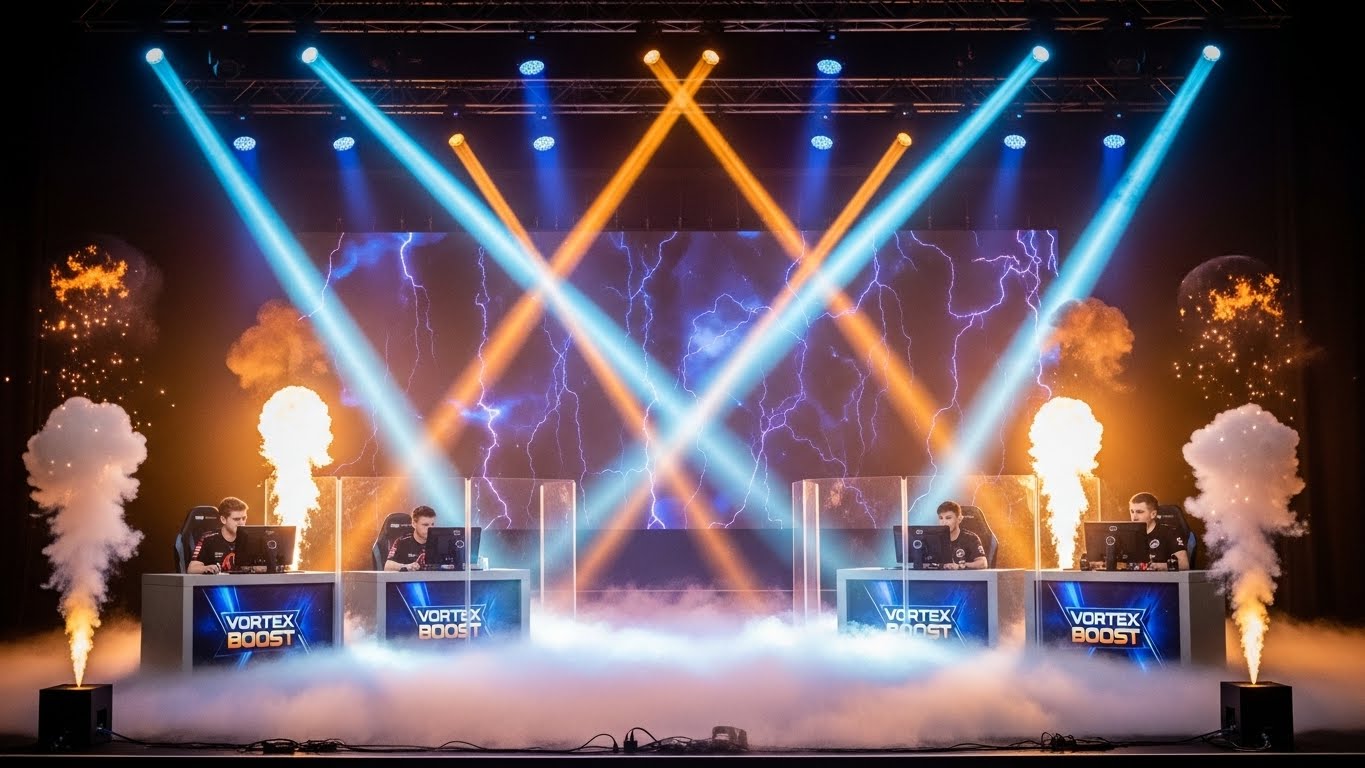
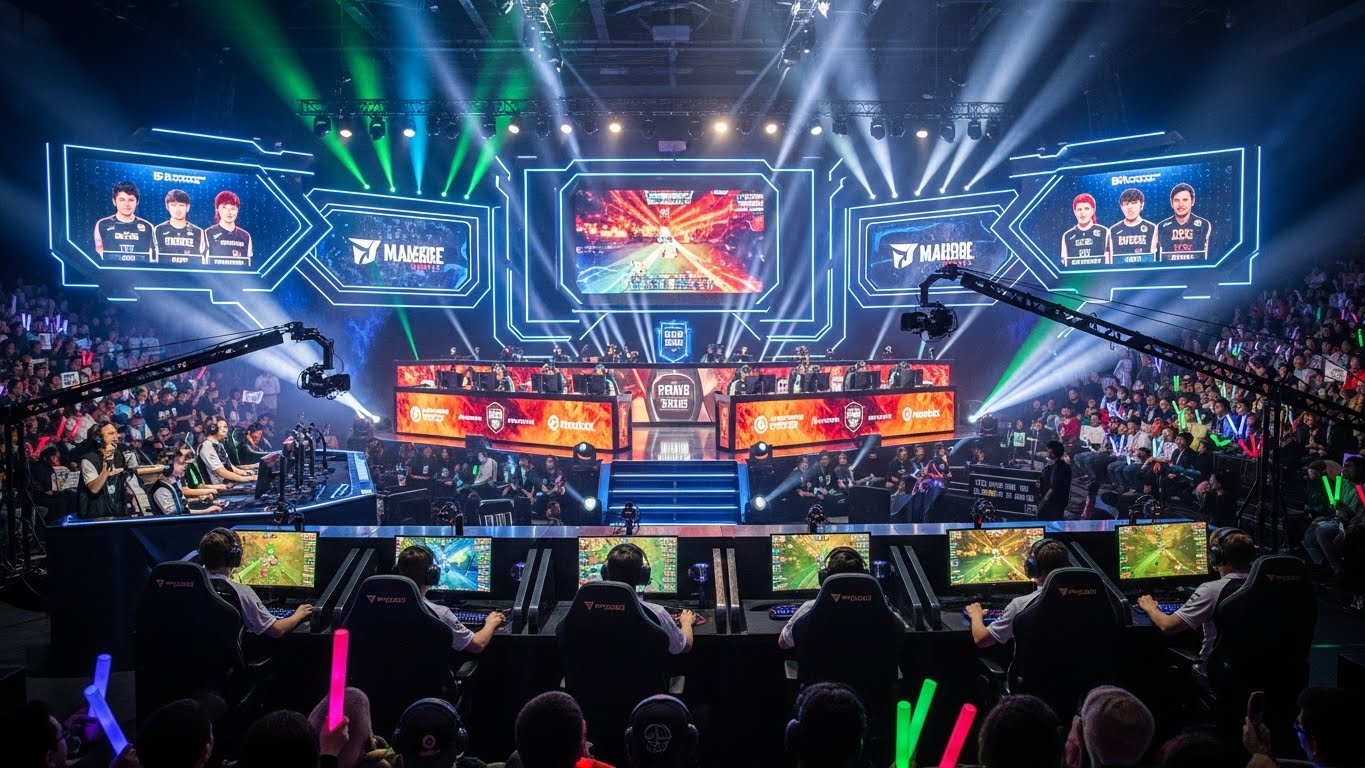
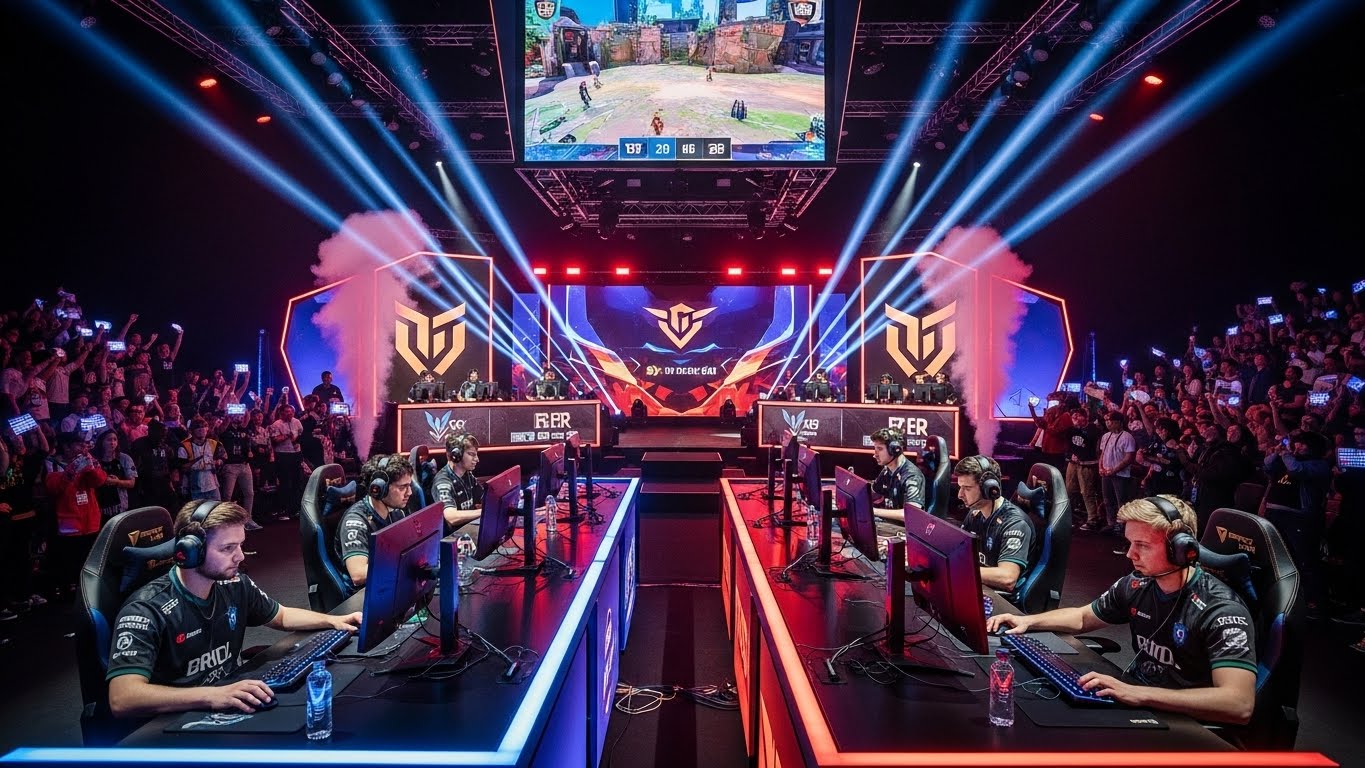
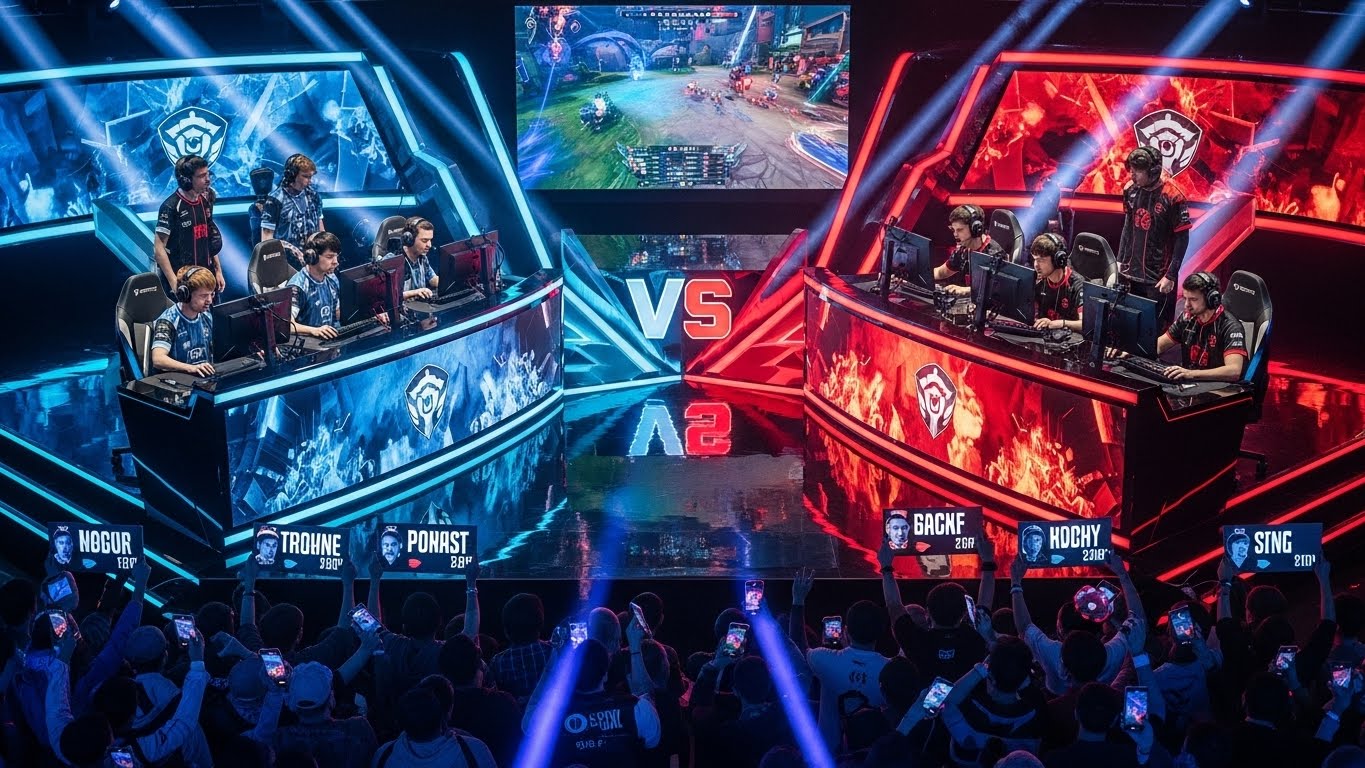
Tournaments and leagues are the backbone of esports, providing structure, visibility, and incentives for players. Major international competitions attract sponsorships from leading brands, media coverage, and millions of viewers online. The prize pools for top-tier tournaments have grown exponentially, reflecting the commercial viability of esports.
For example, The International, an annual Dota 2 tournament, consistently boasts prize pools exceeding thirty million dollars, funded in part by community contributions. Similarly, the League of Legends World Championship draws millions of viewers worldwide, with teams competing for prestige, championship titles, and substantial monetary rewards.
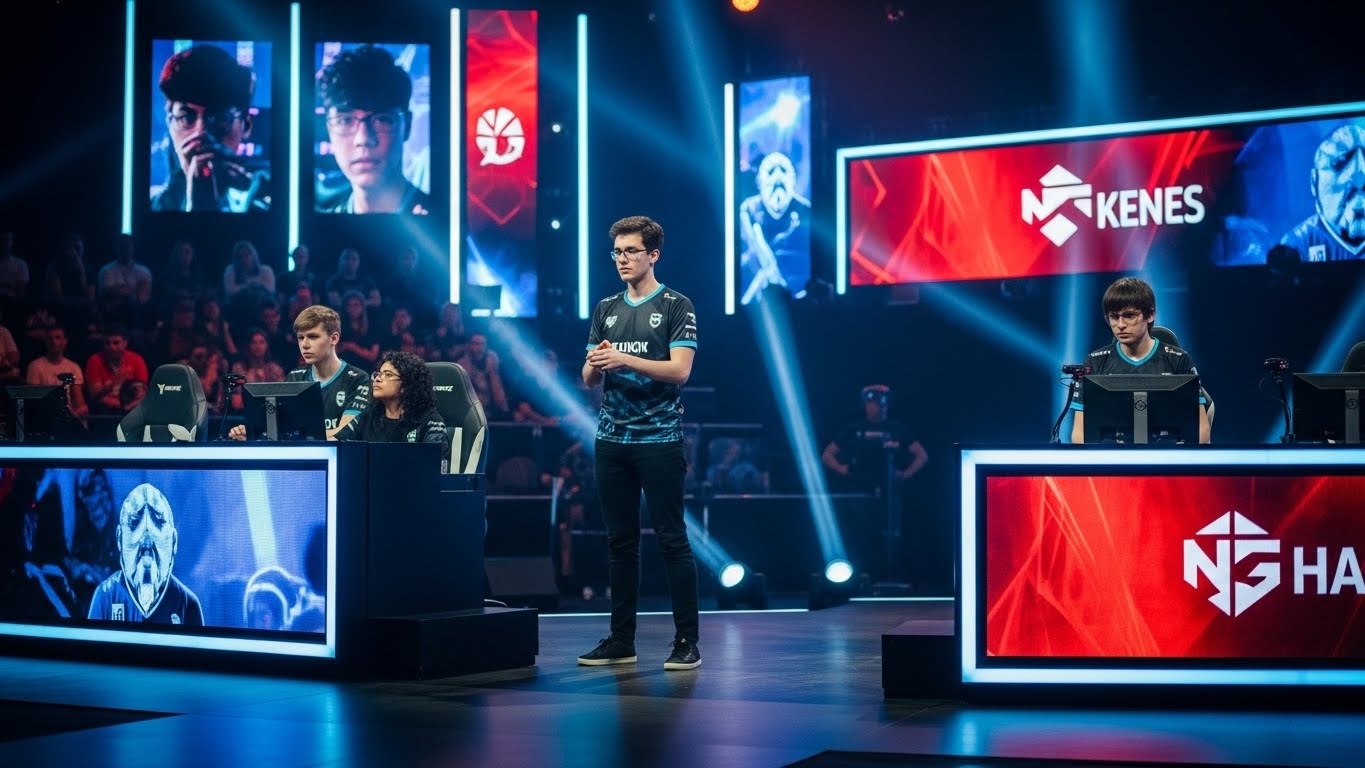
Regional leagues also play a critical role in developing talent and building local fanbases. Leagues like North America’s LCS, Europe’s LEC, and South Korea’s LCK create opportunities for emerging players to progress from amateur competitions to professional status, fostering a structured pathway for career development in esports.
Esports as a Career
For many players, esports has become a legitimate career path. Professional gamers undergo rigorous training schedules, often practicing for six to twelve hours a day to maintain their skills. Teams employ coaches, analysts, and support staff to optimize performance, mirroring the structure of traditional sports teams.
Beyond playing, esports offers diverse career opportunities. Streamers and content creators can earn income through subscriptions, sponsorships, and advertising. Event organizers, tournament directors, commentators, and analysts contribute to the ecosystem. Even roles in esports marketing, media production, and software development provide career avenues for enthusiasts outside the competitive arena.
Esports has also influenced education, with universities offering scholarships and programs dedicated to competitive gaming and esports management. These initiatives prepare students for roles within the growing industry, combining academic knowledge with practical experience.
The Global Fanbase
Esports has a massive and diverse global fanbase, ranging from casual viewers to dedicated supporters who follow professional leagues and players religiously. Online platforms like Twitch, YouTube Gaming, and social media allow fans to engage with content, discuss strategies, and participate in community events.
The social aspect of esports is significant. Fans not only watch matches but actively interact with players and each other, creating vibrant communities. Esports conventions and live events attract thousands of attendees, providing immersive experiences through cosplay, meet-and-greets, and interactive gameplay zones.
The fanbase’s demographic is broad, with participants from various age groups, genders, and cultural backgrounds. This diversity has contributed to esports’ rapid acceptance as a mainstream entertainment form, rivaling traditional sports in popularity.
Sponsorships and Revenue
The financial growth of esports is staggering. Sponsorship deals, media rights, merchandise, and in-game purchases contribute to a multi-billion-dollar industry. Brands from technology, apparel, energy drinks, and even traditional sports organizations have invested heavily in esports, recognizing its marketing potential and reach to younger audiences.
Esports organizations themselves have become powerful entities, owning multiple teams across various games, managing player contracts, and leveraging digital platforms for monetization. The industry’s revenue continues to grow annually, fueled by expanding audiences, innovative sponsorship models, and global connectivity.
Challenges in Esports
Despite its success, esports faces challenges. The intense competition can lead to burnout among players, highlighting the importance of mental health and physical wellness. Additionally, issues such as cheating, toxic behavior, and online harassment persist within gaming communities.
The industry also grapples with regulatory concerns, particularly around player contracts, gambling, and intellectual property rights. Establishing standardized regulations across different regions remains a complex task, requiring collaboration between governing bodies, developers, and professional leagues.
The Future of Esports
The future of esports looks promising, with technological advancements and cultural acceptance driving its expansion. Virtual reality (VR) and augmented reality (AR) games may introduce new forms of competition and immersive experiences. Mobile esports is rapidly growing, especially in regions with limited access to high-end gaming PCs or consoles.
Esports is also increasingly recognized alongside traditional sports. Discussions about esports inclusion in events like the Olympics reflect its legitimacy and global influence. As gaming technology evolves, esports is likely to continue pushing the boundaries of competition, entertainment, and digital interaction.
Conclusion
Esports has journeyed from humble beginnings in arcades and LAN parties to becoming a multi-billion-dollar global industry with professional players, massive tournaments, and a dedicated fanbase. Its growth has been driven by technological advancements, competitive innovation, and cultural acceptance, positioning esports as a legitimate form of entertainment and career path.
As the industry continues to evolve, it promises exciting developments in gameplay, technology, and audience engagement. Esports is no longer just a pastime—it is a global movement reshaping the way people play, watch, and interact with games.