championplay05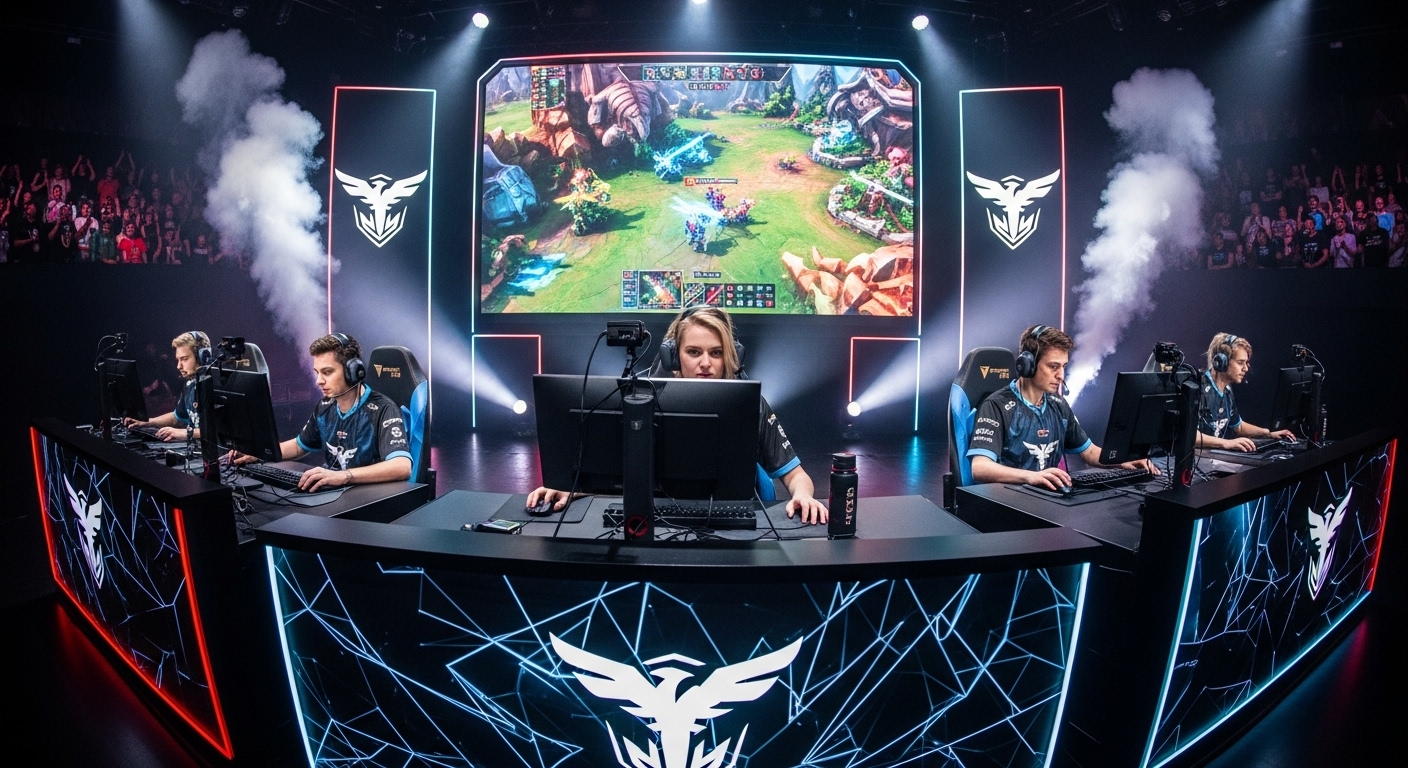
Introduction
Esports is no longer just a pastime for gamers—it’s a global cultural phenomenon that has revolutionized how we view competition, entertainment, and even career opportunities. Once a niche hobby, competitive gaming has emerged as a multi-billion-dollar industry with millions of passionate fans, dedicated professional players, and huge international events. Esports has blurred the lines between traditional sports and digital entertainment, creating an entirely new form of competition that is shaping the future of sports, technology, and culture. In this blog, we’ll explore the rapid rise of esports, its impact on society, the players who make it possible, and the exciting possibilities that lie ahead for this dynamic industry.
The Origins of Esports
The concept of competitive gaming can be traced back to the early days of video games, when players would compete against each other for high scores. The first organized video game competition took place in 1972 at Stanford University, where students competed for a prize of a year’s subscription to Rolling Stone magazine in a Spacewar tournament. Though small in scope, this event laid the groundwork for what would eventually become the esports industry.
In the decades that followed, competitive gaming began to grow in popularity. In the 1980s, arcade games like Pac-Man and Donkey Kong became a cultural sensation, and local tournaments began to spring up in arcades around the world. However, it wasn’t until the rise of online gaming in the 1990s that esports truly started to take off. Games like Quake, StarCraft, and Warcraft allowed players to connect over the internet, forming global communities that could compete against each other in real time. This period also saw the formation of the first major esports tournaments, such as the Cyberathlete Professional League (CPL) and the World Cyber Games (WCG), which helped bring competitive gaming into the spotlight.
The Emergence of a Global Phenomenon
As internet speeds improved and gaming technology advanced, esports began to attract larger audiences. The turn of the 21st century saw the rise of the first truly global esports tournaments. Games like Counter-Strike and League of Legends became household names, with professional teams and players emerging in different parts of the world. Major tournaments, such as The International for Dota 2 and the League of Legends World Championship, became annual fixtures, drawing in millions of viewers both online and at live events.
Esports had now officially crossed into the mainstream. With platforms like Twitch providing live streaming services, fans could watch their favorite players and teams in real time from anywhere in the world. This democratization of access was a game-changer for the industry, allowing esports to reach unprecedented levels of visibility and engagement. Brands took notice, and sponsorships from major corporations such as Intel, Coca-Cola, and Red Bull began pouring into the industry, further cementing esports’ status as a legitimate business venture.
The Rise of Esports Professionals
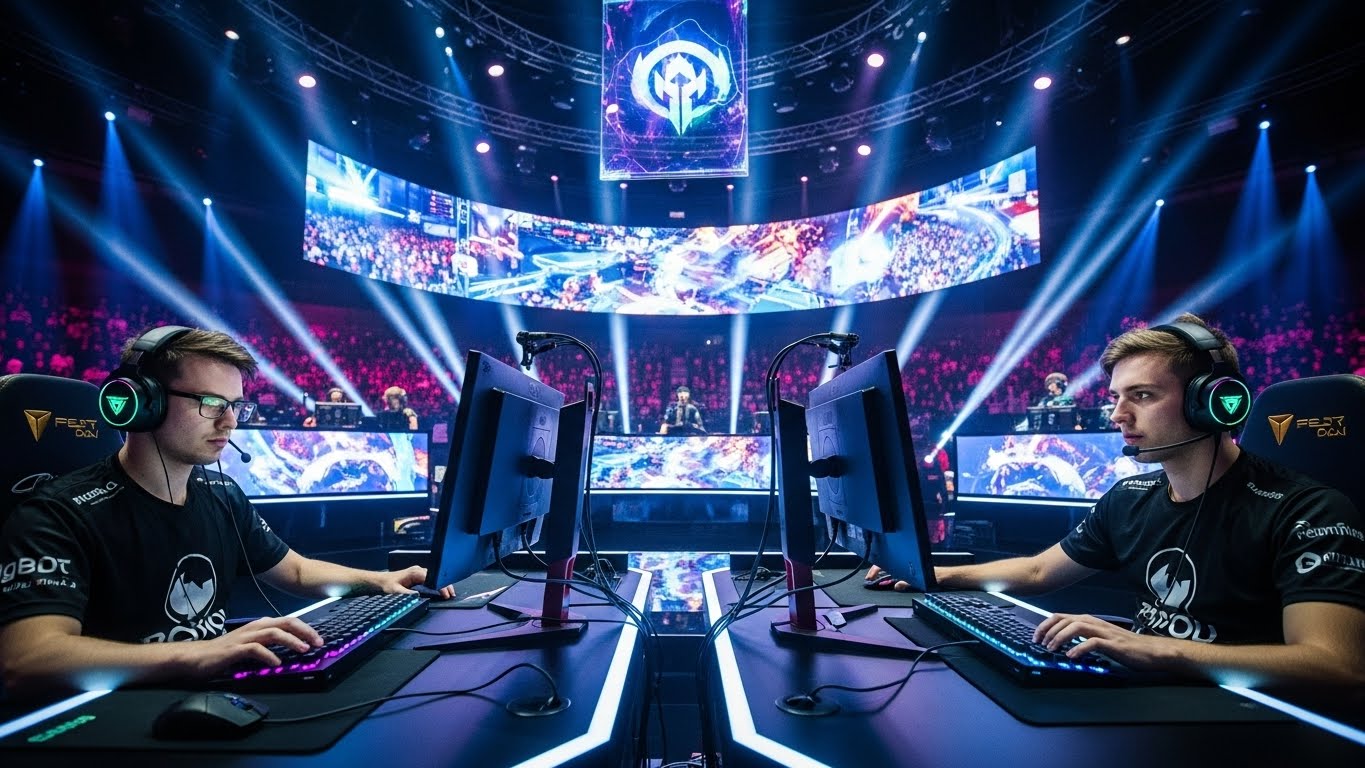
Just as traditional sports have professional athletes who dedicate their lives to mastering their craft, esports players follow a similar path. Professional gamers spend countless hours practicing and perfecting their skills, often playing between 8 and 12 hours a day. These athletes are not just skilled players but also strategists, analysts, and team players who must work together to succeed in highly competitive environments.
Esports players specialize in specific games, and within those games, they often have roles similar to those in traditional sports. For example, in League of Legends, players take on positions such as “ADC” (Attack Damage Carry), “Mid Lane,” and “Top Lane,” each requiring a different skill set and playstyle. Teams, much like traditional sports teams, have coaches, analysts, and support staff who help players refine their techniques, strategies, and mental focus.
The financial rewards for professional gamers are significant. Top players earn lucrative salaries, prize money, and sponsorship deals. Some esports players have become celebrities in their own right, building massive followings on platforms like Twitch and YouTube, where they engage with their fans through live streaming, content creation, and social media. Players like Ninja (Tyler Blevins), Shroud, and Faker have not only gained recognition within the gaming community but have also become mainstream celebrities, appearing in commercials, partnering with major brands, and even making appearances in popular media.
The Global Esports Community
One of the most unique aspects of esports is its ability to unite people from all over the world. Esports transcends national boundaries, languages, and cultures. Online multiplayer games bring together players from diverse backgrounds, creating a shared space where fans and competitors can bond over their love of gaming. The sense of community in esports is unlike anything seen in traditional sports, with players and fans engaging in discussions, supporting teams, and creating content that is seen by millions across the globe.
Major esports tournaments have become global events that draw not only competitors but also massive audiences. The International, the annual Dota 2 tournament, consistently offers one of the largest prize pools in esports history, sometimes exceeding $30 million. These events are broadcast to millions of viewers worldwide, who watch as their favorite teams battle it out for glory. In many ways, esports has become a new form of social gathering, where fans from different parts of the world can share in the excitement, joy, and heartbreak of their favorite games.
The Economic Impact of Esports
The economic impact of esports cannot be overstated. In 2021, the global esports industry was valued at over $1.08 billion, and it’s expected to grow rapidly in the coming years. This growth is driven by several factors, including the increasing popularity of live-streaming platforms, the rise of mobile gaming, and the growing mainstream acceptance of esports.
Sponsorship deals have become a major revenue stream for esports organizations and players. Companies from various sectors, including technology, food and beverage, and even finance, have jumped on board to support esports events and teams. These sponsorships have helped fund tournaments, team operations, player salaries, and content creation, leading to the financial stability and growth of the industry.
In addition to sponsorships, esports has also become a major driver of advertising revenue. Digital platforms like Twitch and YouTube have revolutionized how advertisers reach consumers, with live-streaming providing an interactive and highly engaging way to market products. Advertisers can reach global audiences, track performance, and target specific demographics, making esports an attractive marketing channel for brands.
Moreover, esports has had a ripple effect on related industries, such as gaming hardware, game development, and media production. The rise of esports has spurred innovation in gaming technology, from high-performance PCs and gaming peripherals to new gaming platforms like cloud gaming and virtual reality. These advancements have made esports more accessible and immersive, further fueling the growth of the industry.
Esports and Mainstream Media
Esports is increasingly finding a place in mainstream media. What was once considered a niche interest is now a prominent feature of popular entertainment. Major networks such as ESPN, TBS, and BBC have broadcast esports tournaments, bringing the excitement of competitive gaming to a broader audience. Esports is also making its mark in the world of sports betting, with fans placing bets on their favorite teams and players.
In addition to traditional media outlets, digital platforms like Twitch, YouTube Gaming, and Facebook Gaming are providing live broadcasts of esports events. These platforms offer not just live streams but also a wealth of on-demand content, including player interviews, analysis, and highlight reels. Content creators and influencers are becoming integral parts of the esports ecosystem, with millions of fans tuning in to watch their streams and support their favorite personalities.
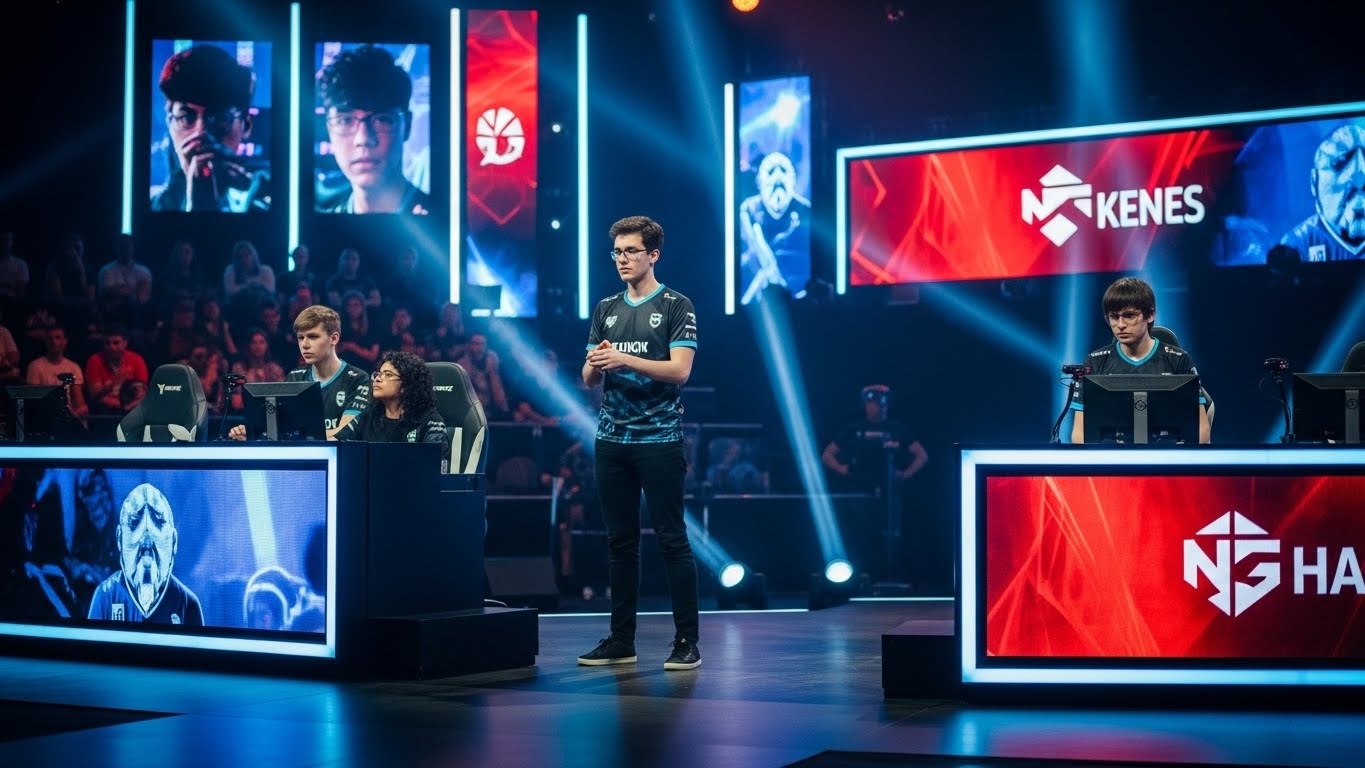
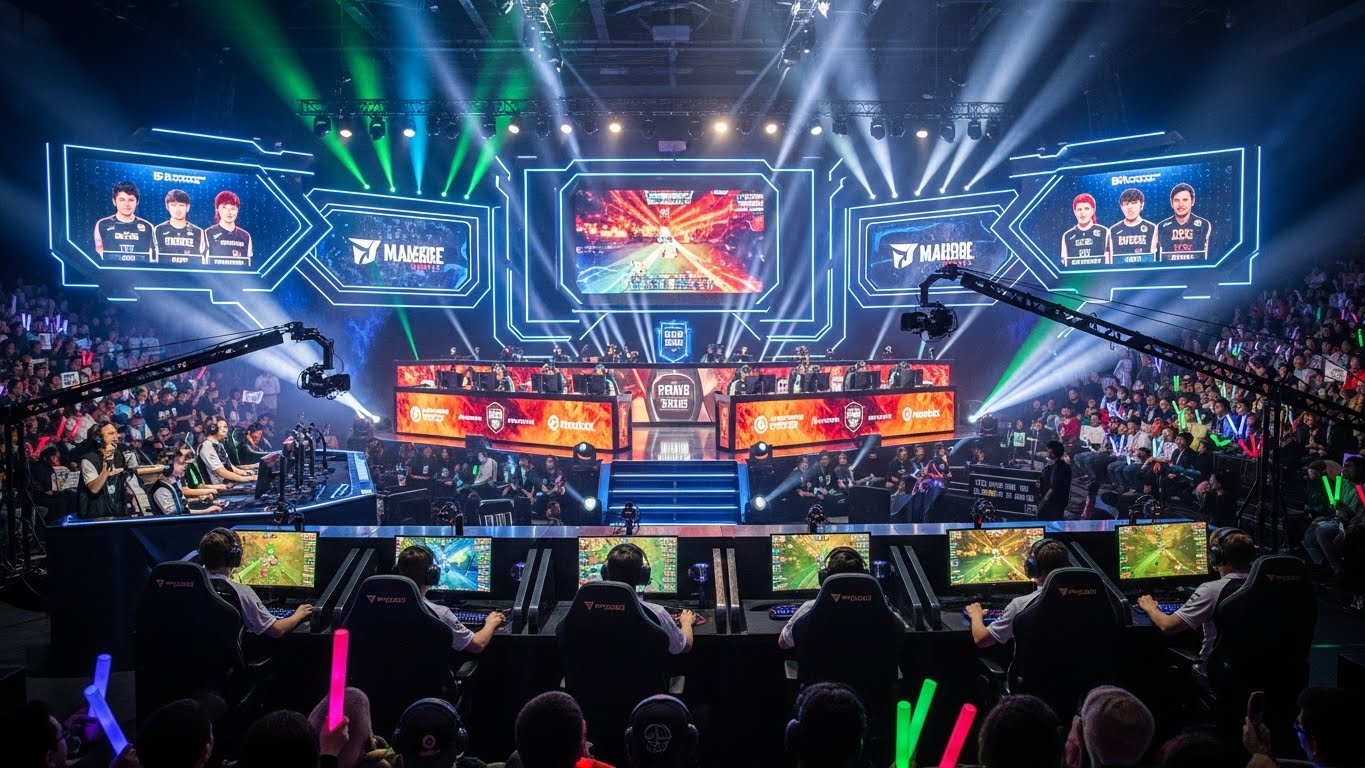
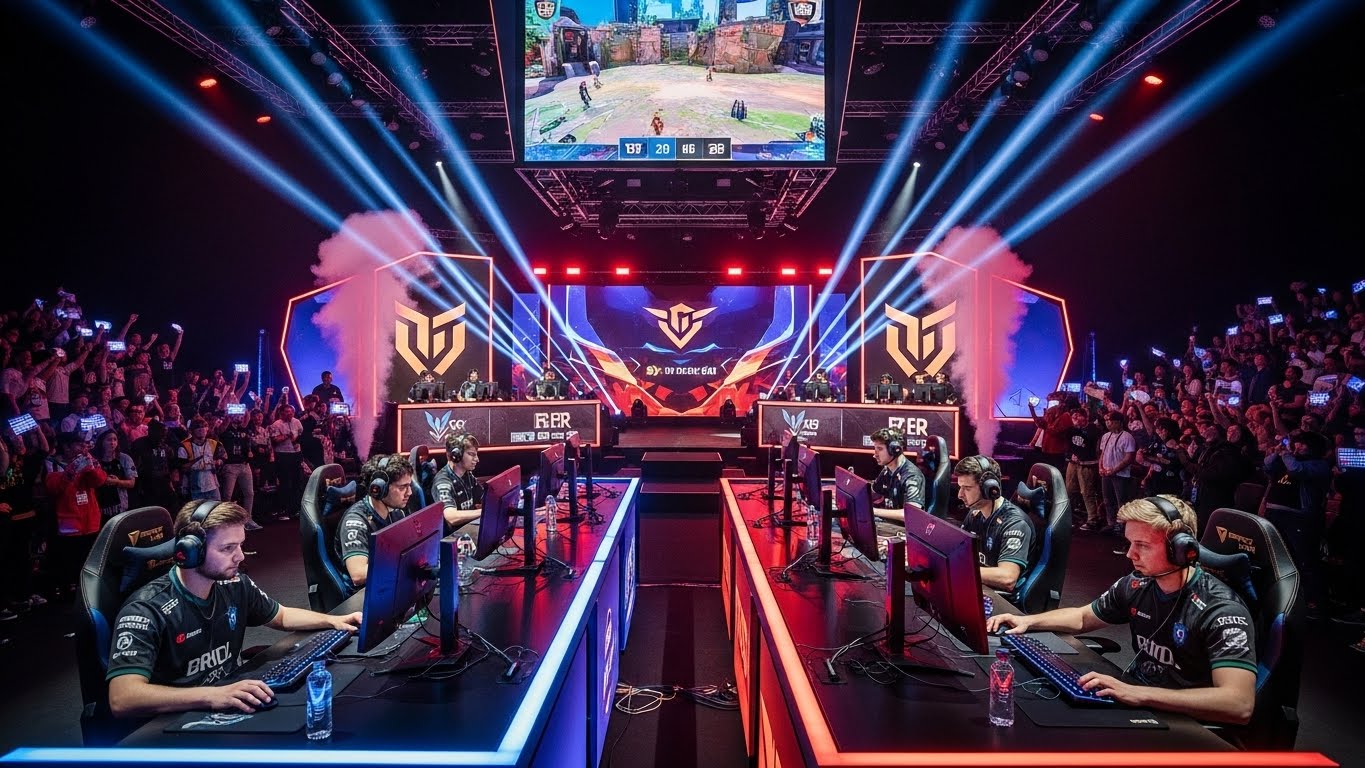
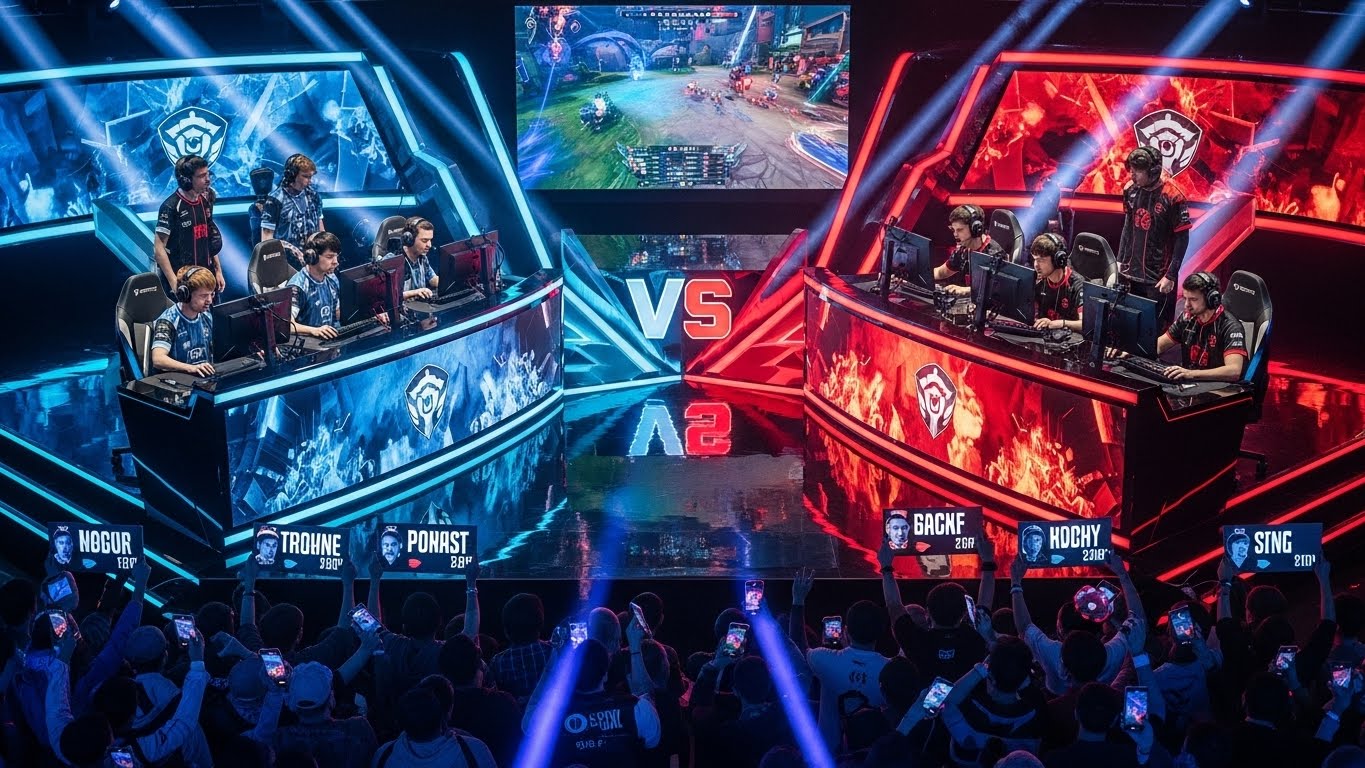
Esports has also made its way into the world of live events. Major tournaments now take place in huge arenas, with sold-out crowds watching the action unfold on massive screens. These events have the same level of excitement and intensity as traditional sports, with fans cheering for their teams and celebrating victories. The atmosphere at esports events is electric, with fans dressed in team colors, chanting slogans, and participating in interactive activities before and after matches.
The Challenges and Future of Esports
Despite its rapid growth, esports faces several challenges. One of the biggest issues is the sustainability of the industry. As the market becomes more saturated with new games, tournaments, and teams, it will be essential for the industry to remain innovative and exciting to keep viewers and sponsors engaged. Additionally, the rapid rise of mobile esports presents a challenge for traditional PC and console gaming, as developers and tournament organizers must find ways to adapt to the changing gaming landscape.
Another challenge is the mental and physical health of esports players. The intense training schedules and long hours of gameplay can lead to burnout, stress, and health issues. Many esports organizations are now implementing wellness programs, providing players with access to mental health support, fitness regimens, and sleep management to ensure they perform at their best while maintaining their well-being.
Looking to the future, esports will continue to grow, with new technologies like virtual reality (VR) and augmented reality (AR) set to revolutionize the gaming experience. The rise of cloud gaming will also make esports more accessible, allowing players to compete from anywhere in the world without the need for expensive gaming equipment. The potential inclusion of esports in the Olympic Games is also a hot topic, with discussions around the legitimacy of competitive gaming as a sport. This would elevate esports to an even greater level of recognition and mainstream acceptance.
Conclusion
Esports has emerged as a transformative force in the world of entertainment, competition, and culture. It has captured the imagination of millions and brought gaming into the global spotlight. What was once a small hobby has grown into a multi-billion-dollar industry with professional players, international tournaments, and a devoted fanbase.