championplay05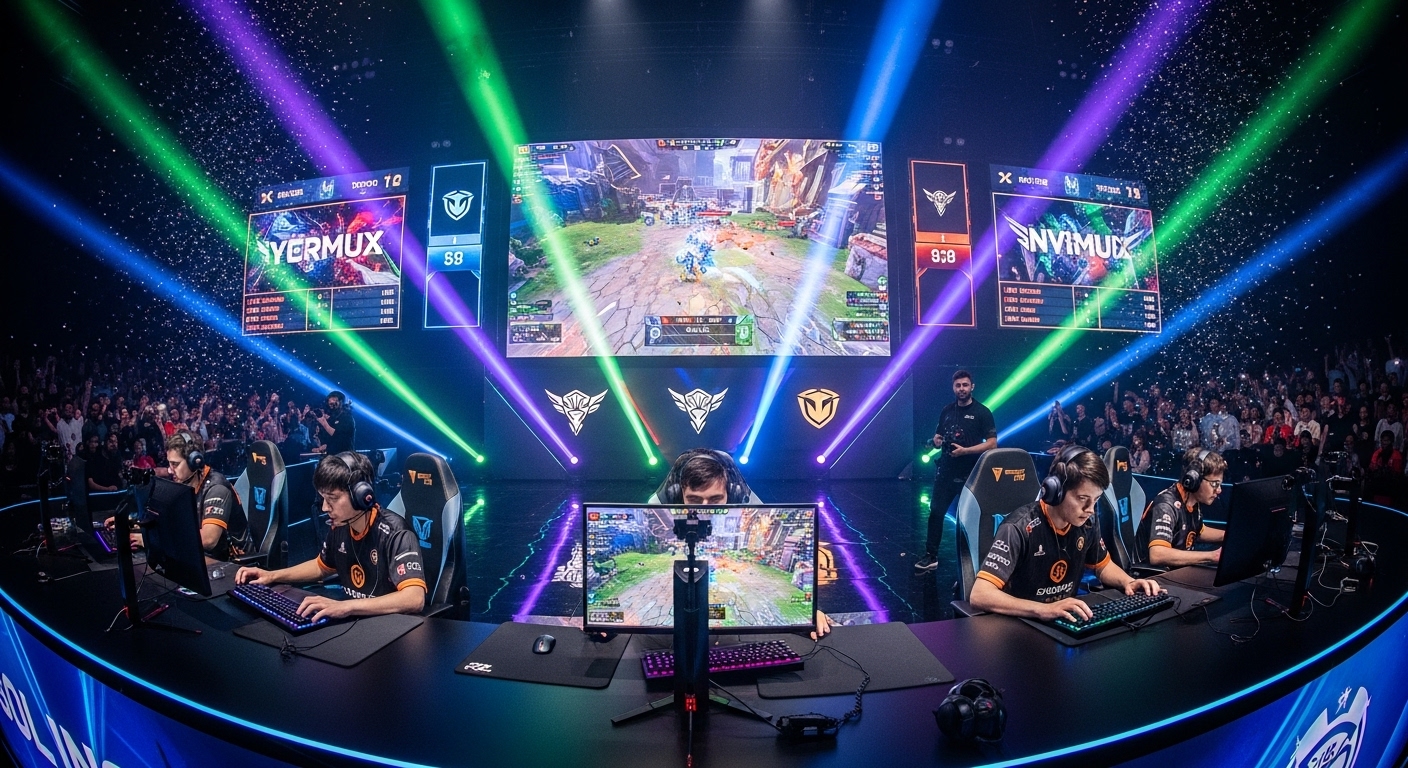
Introduction: The Rise of a Digital Sporting Revolution
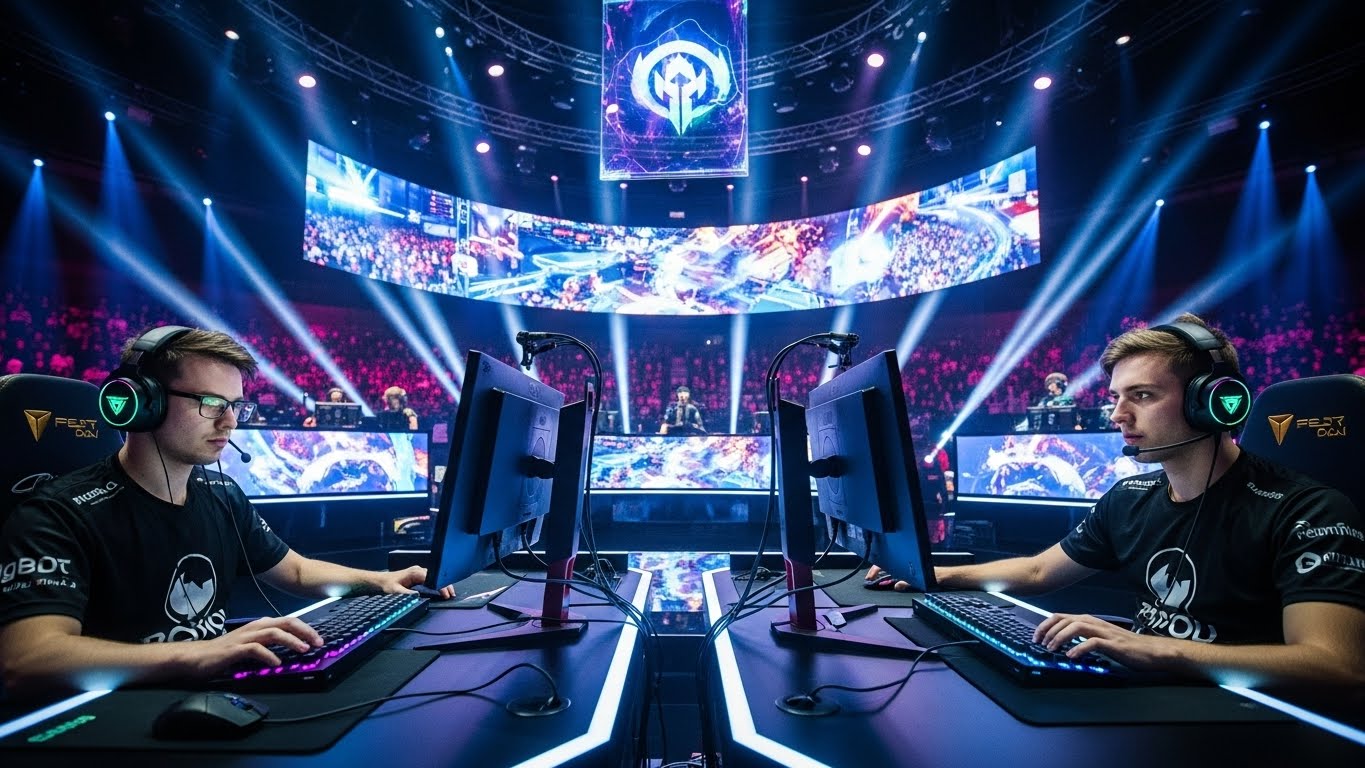
In the past two decades, the gaming world has transformed from a simple hobby into one of the most dynamic industries on the planet. What was once viewed as a niche activity confined to bedrooms and arcades has evolved into Esports, a billion-dollar global entertainment industry. Esports, short for electronic sports, refers to organized competitive gaming where individuals or teams compete against one another in various video game titles. It merges the competitive spirit of traditional sports with the accessibility and excitement of digital technology.
The rise of Esports has been meteoric, fueled by rapid technological advancements, the spread of high-speed internet, the emergence of streaming platforms, and a passionate global community of gamers and fans. Today, Esports tournaments fill stadiums, attract millions of online viewers, and produce professional players with celebrity status. This blog explores the evolution, impact, structure, challenges, and future of Esports as one of the defining cultural and economic phenomena of the 21st century.
The Early Beginnings: From Arcades to Competitive Arenas
The story of Esports begins long before Twitch streams and massive sponsorship deals. The roots of competitive gaming stretch back to the 1970s and 1980s, when the first video game competitions emerged in arcades and universities. In 1972, Stanford University hosted one of the earliest recorded gaming tournaments for the game Spacewar!, offering a year’s subscription to a magazine as the prize.
By the 1980s, arcade games such as Pac-Man and Donkey Kong became mainstream, and high-score competitions became popular among gamers eager to prove their skill. Publications began listing world records, and competitive gaming culture slowly began to form. In the 1990s, with the introduction of personal computers and early online connectivity, multiplayer gaming flourished. Titles like Doom, StarCraft, and Quake allowed players to face each other over local networks and the internet, giving birth to early Esports communities.
This period laid the foundation for what would become an organized global movement. What started as small-scale LAN (Local Area Network) parties evolved into international tournaments with cash prizes and corporate sponsorships. The competitive spirit that drives Esports today was born from these early pioneers who played for passion rather than profit.
The Birth of Modern Esports
The 2000s marked a turning point in gaming history. As internet infrastructure improved, online gaming became accessible to a global audience. Titles like Counter-Strike, Warcraft III, and Dota brought competitive multiplayer gaming to the forefront. Professional tournaments began to appear, often organized by enthusiastic fans and small companies.
Around this time, South Korea emerged as a powerhouse in the Esports scene. The government’s investment in internet infrastructure, combined with a passionate gaming culture, led to the rise of professional players, dedicated television channels, and sponsorships from major corporations. Games like StarCraft became cultural phenomena, with professional gamers achieving celebrity status and fans filling stadiums to watch matches live.
This model of structured professional play, sponsorship, and media coverage spread rapidly worldwide. Western countries began forming their own Esports organizations, and new competitive titles such as League of Legends, Call of Duty, and Counter-Strike: Global Offensive brought in millions of players and viewers.
The 2010s cemented Esports as a mainstream entertainment form. Streaming platforms such as Twitch and YouTube Gaming revolutionized accessibility, allowing fans to watch their favorite players anytime, anywhere. What once required being in an arena could now be experienced globally with a simple internet connection.
The Global Expansion and Mainstream Recognition
As the decade progressed, Esports evolved from a subculture into a legitimate industry. Major events began to attract sponsorships from well-known brands outside the gaming world—energy drink companies, car manufacturers, technology firms, and even luxury brands recognized the marketing potential of the growing Esports audience.
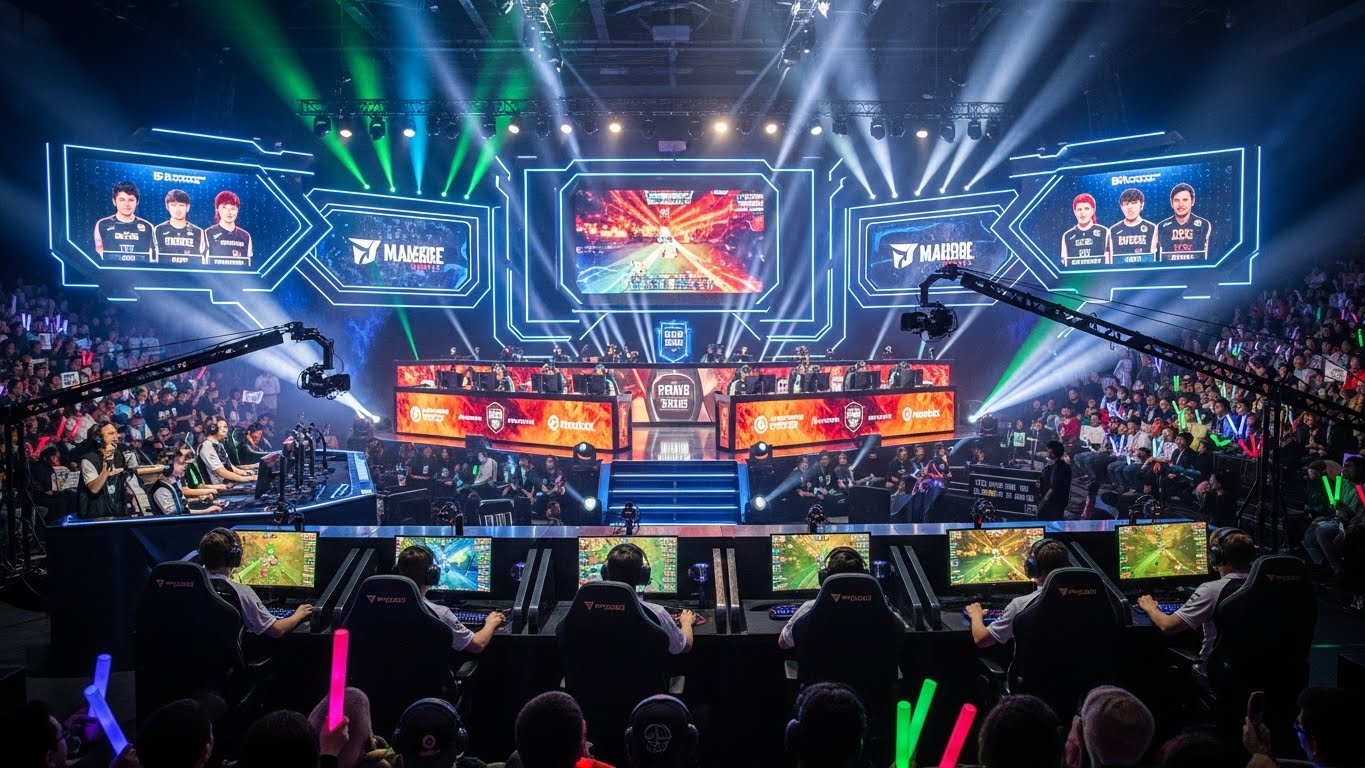
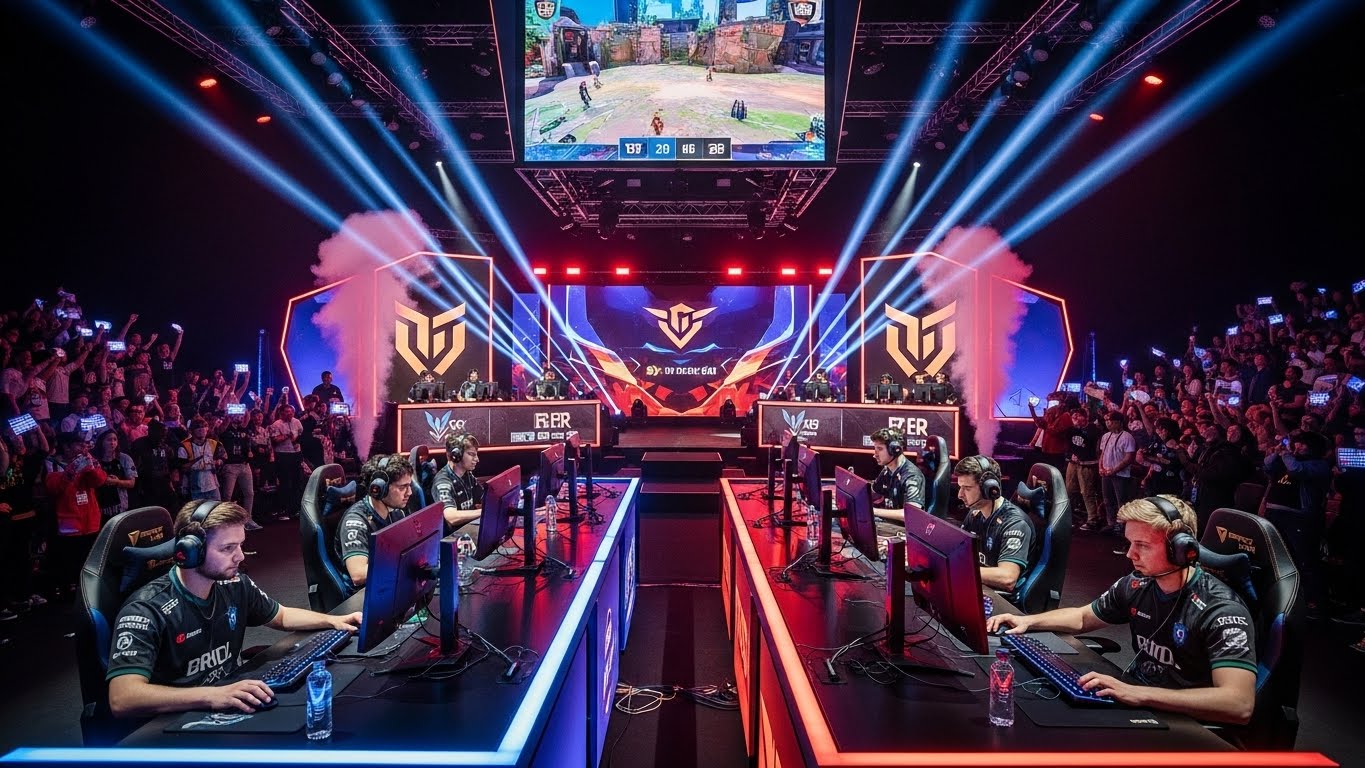
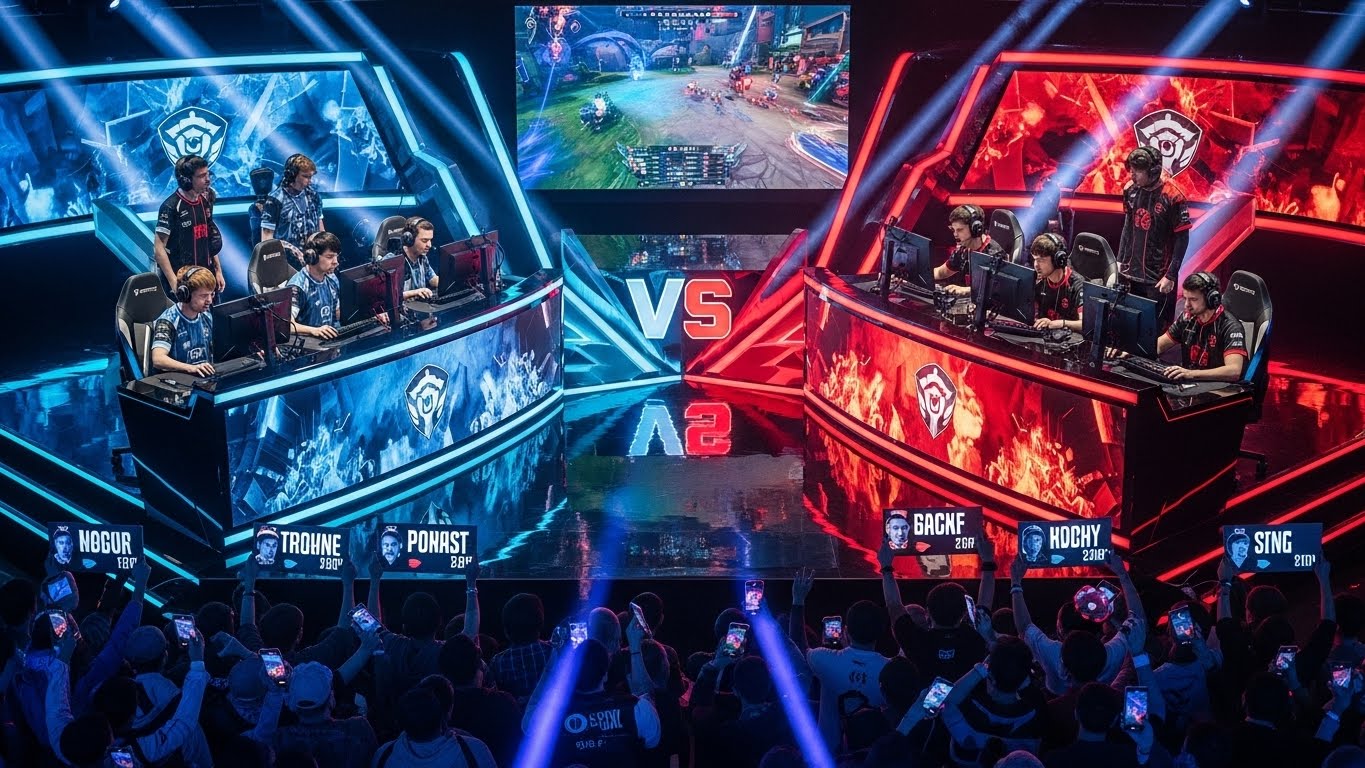
Tournaments like The International for Dota 2 and the League of Legends World Championship became annual global spectacles. These events offered prize pools worth tens of millions of dollars, often crowdfunded by the gaming community itself. Massive arenas such as Madison Square Garden and Staples Center were filled with fans chanting for their favorite teams, while millions more watched online.
Traditional sports organizations also took notice. Famous football clubs, basketball teams, and sports franchises began investing in Esports divisions, realizing that younger generations were as interested in gaming as they were in traditional sports. Universities began offering Esports scholarships, and dedicated training facilities emerged for professional teams.
The inclusion of Esports in major sporting discussions further validated its importance. While not yet a full Olympic sport, Esports has been featured as an exhibition event in multi-sport competitions and continues to move closer to official recognition. The boundary between physical and digital sport is increasingly blurred, showing that competitive gaming has earned its place on the global stage.
Understanding the Esports Ecosystem
The Esports ecosystem is vast and multifaceted, involving a complex network of players, teams, developers, organizers, sponsors, and fans. Understanding how this system functions reveals why it has become such a powerful force in entertainment and business.
1. Players and Teams
At the core of Esports are the players—highly skilled individuals who dedicate countless hours to mastering their games. Like traditional athletes, they follow rigorous training schedules, study strategies, and often live in team houses with coaches and analysts. Top players sign contracts with professional teams that provide salaries, sponsorship deals, and performance incentives.
2. Game Developers and Publishers
Game developers play a crucial role in shaping the Esports landscape. Companies like Riot Games, Valve, and Blizzard Entertainment not only create the games but also organize major tournaments, maintain competitive balance, and support community engagement. The design and balance of a game directly affect its competitiveness and longevity in the Esports ecosystem.
3. Tournament Organizers
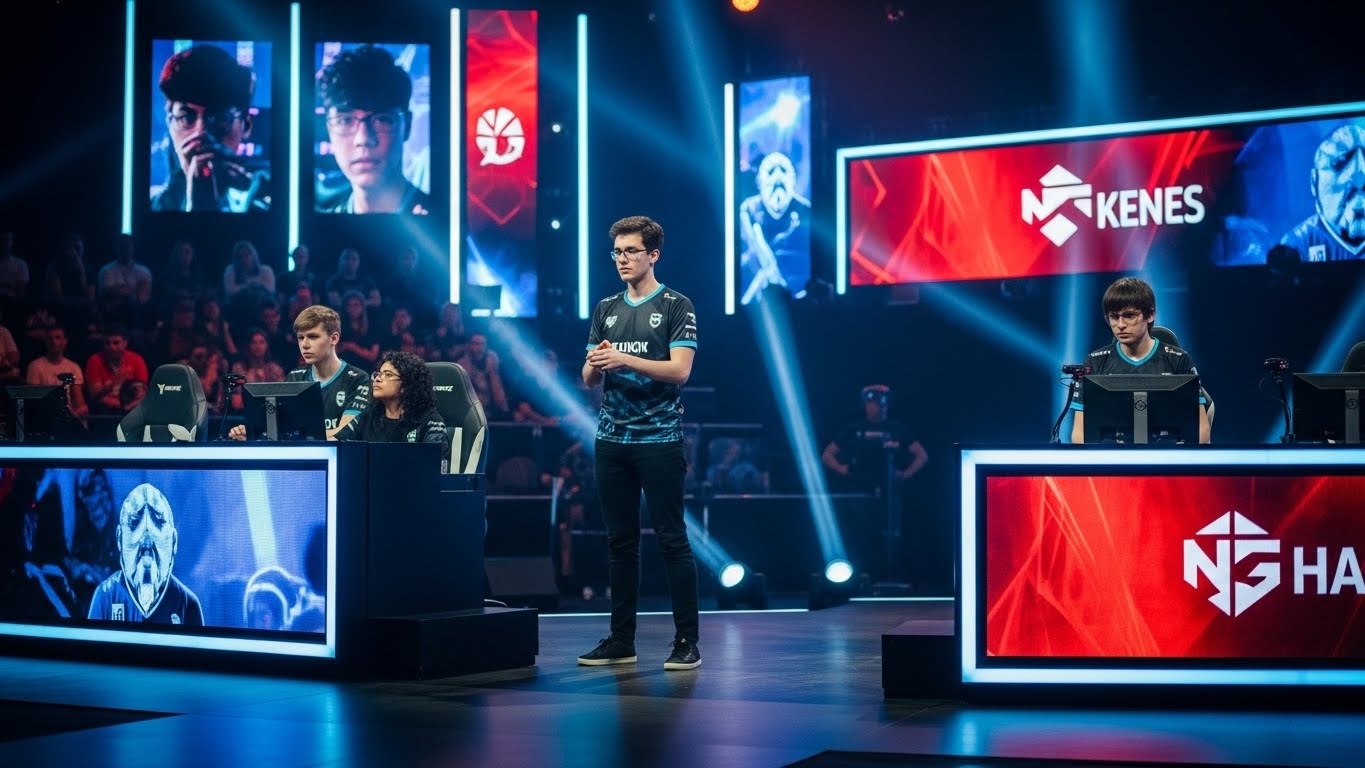
Large-scale competitions are the lifeblood of Esports. Organizations like ESL, DreamHack, and Blast Premier host tournaments across various titles, often partnering with game developers. These events are meticulously produced, featuring professional commentary, stage design, and live broadcasts that rival traditional sports coverage.
4. Sponsors and Advertisers
The economic engine behind Esports is powered by sponsorships and advertising. Brands invest heavily in teams, events, and streaming platforms to reach the lucrative youth demographic. The integration of brand visibility into live streams, jerseys, and digital advertising has become a significant source of revenue for the industry.
5. Fans and Communities
Esports thrives on community engagement. Fans are not passive spectators; they are active participants who follow players, discuss matches, and even contribute to prize pools. Social media platforms, fan art, and community tournaments create an ongoing dialogue between players and audiences.
The Economic Power of Esports
Esports has evolved into a multi-billion-dollar industry with a global audience surpassing many traditional sports. Revenue streams come from multiple sources—media rights, sponsorships, advertising, ticket sales, and in-game purchases.
The economic ecosystem extends beyond tournaments. Streaming platforms generate vast amounts of revenue from advertisements and subscriptions. Merchandise sales, brand collaborations, and live events add further income streams. The success of Esports has also driven demand in adjacent industries such as gaming hardware, internet infrastructure, and digital marketing.
For countries, Esports represents not just entertainment but an economic opportunity. Nations across Asia, North America, and Europe are investing in Esports facilities, education programs, and government-backed initiatives to foster talent and attract tourism. The creation of Esports leagues, such as the Overwatch League and Call of Duty League, mirrors the structure of traditional sports leagues, complete with city-based teams and franchised systems.
The Cultural and Social Impact of Esports
Beyond the financial numbers, Esports has reshaped cultural perceptions and created new forms of identity and community. It has challenged stereotypes about gaming being an isolated activity and demonstrated that teamwork, communication, and strategy are just as vital in digital arenas as in physical ones.
1. Redefining Entertainment
Esports bridges the gap between video games and mainstream entertainment. The personalities of streamers and professional players draw huge audiences, creating new kinds of celebrity culture. Live streams, documentaries, and even Esports-themed shows contribute to the narrative of competitive gaming as a form of storytelling and emotional engagement.
2. A Platform for Inclusion
Esports also offers a space for diverse voices and talents. Unlike traditional sports, physical attributes such as height, strength, or age are less of a limitation. This has allowed people from different backgrounds, genders, and physical abilities to compete on relatively equal footing.
3. The Education and Career Dimension
Universities and educational institutions are embracing Esports as legitimate fields of study and competition. Scholarships for talented gamers and degrees in Esports management, event production, and game design have emerged, offering professional pathways that were once unthinkable.
The Psychological and Physical Demands of Competitive Gaming
While Esports may not require the physical exertion of running a marathon or scoring a goal, it demands intense concentration, reflexes, and endurance. Professional players often train up to ten hours a day, analyzing gameplay, practicing strategies, and maintaining peak mental focus.
The psychological pressure in high-stakes tournaments is immense. Split-second decisions, coordination with teammates, and public scrutiny can be mentally taxing. This has led to a growing emphasis on sports psychology within Esports, with teams hiring mental coaches to help players manage stress and maintain performance.
Physical well-being is equally important. Poor posture, repetitive strain injuries, and eye fatigue are common issues among gamers. As a result, many professional teams include fitness routines, nutrition plans, and physiotherapy in their training programs, recognizing that a healthy body supports a sharp mind.
Challenges Facing the Esports Industry
Despite its growth, Esports faces significant challenges that must be addressed for sustainable development.
1. Regulation and Governance
Unlike traditional sports governed by established bodies, Esports lacks a universal regulatory framework. Each game has its own rules, tournament structures, and eligibility requirements. This fragmentation can lead to inconsistencies and disputes regarding contracts, player rights, and fair competition.
2. Player Burnout and Career Longevity
The intense pressure and long training hours lead to early burnout. Many professional players retire in their early twenties due to stress, fatigue, or declining reflexes. Establishing better work-life balance, support systems, and career transition opportunities remains a key issue.
3. Cheating and Integrity
As with any competitive field, cheating and match-fixing pose serious threats. From software hacks to illegal betting, maintaining integrity is crucial for public trust. Anti-cheat technologies, monitoring systems, and ethical guidelines are being implemented to protect the fairness of competition.
4. Inclusivity and Representation
Although Esports has made strides in inclusion, gender and regional disparities still exist. Female players and smaller regions often face barriers to entry, including lack of funding and exposure. Addressing these gaps will be essential for the industry’s long-term diversity and credibility.
The Future of Esports
The future of Esports is bright and full of possibilities. As technology continues to evolve, so too will the ways in which we experience and engage with competitive gaming.
1. Virtual Reality and Augmented Reality
The integration of VR and AR promises to redefine the spectator experience, allowing fans to immerse themselves directly into the game environment. These technologies could blur the line between player and viewer, creating entirely new interactive experiences.
2. Artificial Intelligence and Analytics
AI-driven analytics are already transforming player training, providing data on performance, reaction time, and decision-making patterns. This data-driven approach will enhance both competitive balance and viewer understanding.
3. Esports and Education
As educational institutions adopt Esports programs, the next generation of gamers will grow up with structured pathways to professional careers. This will professionalize the industry even further, integrating Esports into mainstream academia and career planning.
4. Expanding Global Markets
Emerging regions in Africa, the Middle East, and South America are becoming significant players in Esports. As infrastructure improves, these regions will bring new talent, new audiences, and new cultural perspectives to the global stage.
Conclusion: Esports as a Defining Movement of the Digital Age
Esports is far more than a passing trend—it is a cultural revolution reshaping entertainment, sports, and technology. From humble beginnings in arcades and college campuses to multi-million-dollar global tournaments, it has demonstrated the power of digital connectivity and human competition.
The journey of Esports reflects the broader evolution of modern society—a fusion of technology, creativity, and global collaboration. It empowers individuals to turn their passion into profession and brings communities together across boundaries of geography, language, and culture.
As we move deeper into the digital age, Esports stands as one of the most compelling symbols of how the virtual and real worlds can unite in shared excitement, creativity, and competition. It is not merely about playing games—it is about innovation, identity, and the enduring human drive to challenge, connect, and achieve.